

)
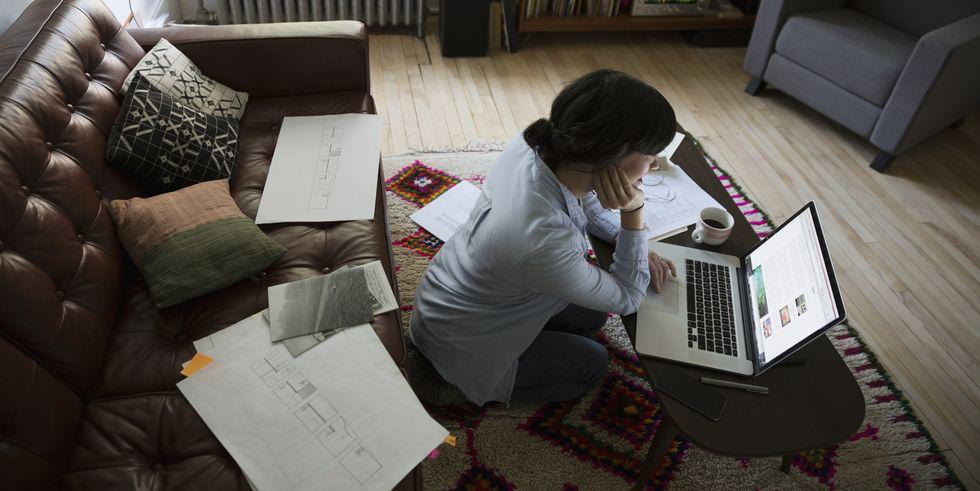
As air pollution levels rise during the winter months, working from home may seem like an easy way to reduce exposure to harmful outdoor air. With authorities increasingly considering measures such as staggered office attendance and partial work-from-home arrangements during severe pollution episodes, many people may wonder whether spending more time indoors can actually protect their lungs. The answer is: it can reduce exposure, but only if indoor air quality is also managed properly. Simply staying inside does not automatically mean that a person is breathing clean air.
Outdoor air pollution contains a mixture of fine particulate matter, particularly PM2.5, along with nitrogen dioxide, ozone and other pollutants. PM2.5 is especially concerning because these extremely small particles can penetrate deep into the respiratory system and, in some cases, enter the bloodstream. Repeated exposure can irritate the airways, aggravate inflammation and worsen symptoms in people with asthma, chronic obstructive pulmonary disease and other respiratory conditions. Even otherwise healthy individuals may experience coughing, throat irritation, wheezing, chest discomfort or breathlessness when pollution levels remain high.
Working from home can reduce the amount of time spent travelling outdoors, particularly for people who commute by two-wheelers, walk along busy roads or spend long periods in traffic. During a high-pollution episode, avoiding unnecessary outdoor exposure is a sensible precaution. A person who normally spends one to two hours commuting may significantly reduce direct exposure by working remotely. It can also reduce exposure to concentrated pollution around traffic intersections, construction sites and other heavily polluted areas. However, the protective benefit depends on what happens inside the home.
Indoor air is not necessarily clean simply because there are walls and windows between you and the outside environment. Outdoor pollutants can enter through open windows, doors, ventilation systems and gaps around buildings. If windows are kept open during periods of poor air quality, indoor PM2.5 concentrations can rise substantially. Homes located close to major roads, construction activity, industrial areas or other pollution sources may be particularly vulnerable. Therefore, during severe pollution episodes, keeping windows closed during the worst outdoor-air periods can help reduce the entry of pollutants.
At the same time, a completely closed room for many hours can have its own problems. Indoor air can accumulate carbon dioxide, dust, cooking fumes, cleaning-product vapours and other pollutants. This is why ventilation needs to be managed intelligently rather than simply keeping every window shut throughout the day. When outdoor pollution temporarily improves, short periods of ventilation can help refresh indoor air.
A portable air purifier with an appropriately sized HEPA filter can also help reduce airborne particulate matter in occupied rooms. It is important to maintain and replace filters according to the manufacturer's instructions because an overloaded or poorly maintained filter will not work effectively.
Another important factor is indoor pollution generated by everyday activities. Cooking, especially frying or cooking on high heat, can produce fine particles and other irritants. Incense sticks, mosquito coils, candles and tobacco smoke can also contribute significantly to indoor air pollution. During a pollution episode, these sources should be minimised as much as possible. If cooking produces considerable fumes, using a kitchen exhaust that vents outdoors and maintaining appropriate ventilation can help. Smoking indoors should be completely avoided because it introduces additional harmful particles and chemicals into an already enclosed environment.
Dust management also matters. Regular cleaning can help reduce settled dust, but aggressive dry dusting may simply send particles back into the air. Damp dusting and appropriate vacuuming can be preferable. Carpets, upholstery, bedding and soft furnishings can also collect dust and allergens, so regular cleaning is useful, particularly for people who are sensitive to respiratory irritants. However, cleaning products themselves should be used carefully, as strong fragrances and chemical vapours may irritate the airways.
People with asthma, COPD, allergies or previous respiratory illness should be particularly careful during high-pollution periods. They may experience symptoms at pollution levels that do not affect others as strongly. Anyone experiencing persistent wheezing, increasing breathlessness, chest tightness, unusual fatigue or a worsening cough should not simply assume that it is a temporary effect of pollution. Medical advice may be necessary, particularly if symptoms are severe or rapidly worsening. People who already use prescribed inhalers or other respiratory medication should continue following their doctor's treatment plan and should not change medication on their own.
Working from home can also reduce exposure during the commute, but it should not create a false sense of complete protection. Short outdoor trips may still expose a person to polluted air. If going outside is necessary during severe pollution, reducing the duration of exposure and avoiding busy traffic corridors can be helpful. A well-fitting, certified particulate-filtering mask can provide additional protection when outdoor exposure cannot be avoided. Cloth masks and loosely fitted face coverings are generally not designed to provide the same level of protection against fine particulate matter.
There is also an important distinction between avoiding pollution exposure and treating its effects. Drinking adequate fluids, eating a balanced diet, getting sufficient sleep and staying physically active are important for general health, but they cannot "detox" the lungs from pollution or cancel out prolonged exposure. Similarly, steam inhalation or herbal remedies should not be considered substitutes for reducing exposure or seeking medical care when symptoms occur.
For employers, a partial work-from-home policy during severe pollution episodes can therefore be a useful public-health measure, especially when combined with flexible commuting options and clear guidance for employees. But indoor workplaces should also maintain good ventilation, filtration and air-quality management. The same principle applies to homes: staying indoors is most beneficial when the indoor environment is kept as clean as reasonably possible.
Ultimately, working from home during a pollution season can reduce lung exposure, but it is not a complete shield. The real protection comes from reducing overall exposure - both outdoors and indoors. Monitoring local air-quality conditions, limiting unnecessary outdoor activity during severe pollution, keeping indoor pollutant sources under control, using effective filtration where appropriate and paying attention to respiratory symptoms can collectively make a meaningful difference. During prolonged periods of poor air quality, the goal should not simply be to "stay inside," but to create a cleaner indoor environment while minimising exposure whenever and wherever possible.
(By Dr Harish Verma, Director, Pulmonology, ShardaCare - Healthcity)
Disclaimer: The opinions expressed within this article are the personal opinions of the author. NDTV is not responsible for the accuracy, completeness, suitability, or validity of any information on this article. All information is provided on an as-is basis. The information, facts or opinions appearing in the article do not reflect the views of NDTV and NDTV does not assume any responsibility or liability for the same.