





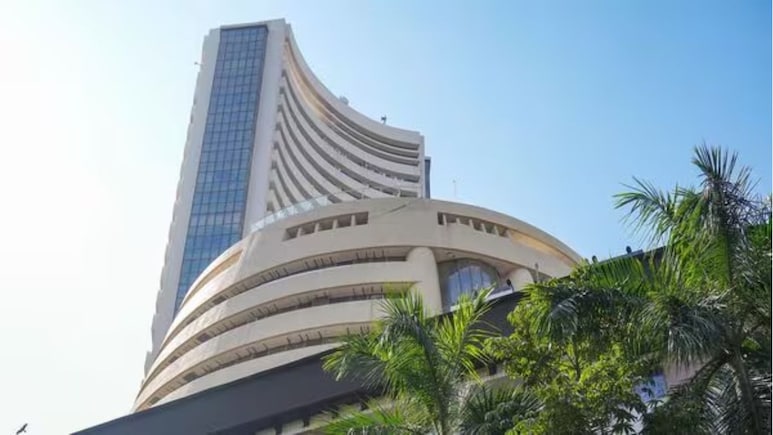
Indian stocks slumped for a second straight session on Tuesday, with the Sensex plunging over 700 points and the Nifty shedding 200, as investor caution deepened ahead of a key U.S. Federal Reserve decision and mounting global uncertainty.
The S&P BSE Sensex dropped below the 84,400 mark while the NSE Nifty 50 traded under 25,750, following their steepest fall in over two months. Fragile risk appetite, foreign outflows, and a sliding rupee added to the pressure.
Fed jitters
Also Read | Layoffs Are Rising In Tech, But These Skills Are Helping People Unlock Better Pay
Markets are bracing for the Federal Reserve's December 10 policy outcome, a pivotal moment for global investors. While a 25-basis-point rate cut is widely expected, traders are on edge about the possibility of a surprise hold. Such a move could firm up the U.S. dollar and compound pressure on emerging markets, including India.
Investor caution was also driven by a packed week of central bank decisions. The Reserve Bank of Australia, Swiss National Bank, and Bank of Canada are all expected to leave rates unchanged. Meanwhile, bond traders are adjusting to a shallower U.S. easing cycle as Wall Street banks cut their forecasts for 2026 rate reductions amid sticky inflation and strong economic data.
The nervous sentiment spilled over from Asian markets, with Japan's Nikkei down 0.08 percent and South Korea's Kospi falling 0.58 percent. MSCI's Asia-Pacific ex-Japan index slipped 0.28 percent.
FII frenzy
Back home, foreign outflows continued to deepen. Foreign Institutional Investors sold Rs 656 crore worth of Indian equities on December 8, pushing their monthly net outflows to Rs 6,618 crore. In contrast, Domestic Institutional Investors stepped in with Rs 2,542 crore in net buying.
“Sustained depreciation of the rupee has forced FIIs to keep selling,” said Dr. VK Vijayakumar, Chief Investment Strategist at Geojit Investments. “Rising Japanese bond yields may also trigger further yen carry trade reversals, adding to the volatility.”
The Nifty's weekly derivatives expiry added another layer of pressure. Expiry-linked volatility, fueled by rollover activity, has historically triggered sharp intraday swings.
Adding to the unease, the Indian rupee weakened to 90.15 against the U.S. dollar in early trade. Dollar demand from corporates and persistent FII withdrawals kept the currency under strain. A weaker rupee threatens to raise import costs, potentially fuelling inflation just as the economy grapples with global uncertainty.
Track Latest News Live on NDTV.com and get news updates from India and around the world

