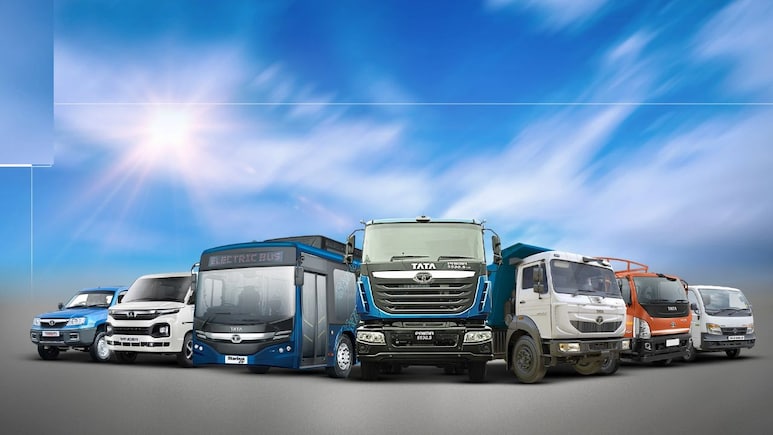
Tata Motors has announced a price revision across its commercial vehicle (CV) portfolio, with an increase of up to 1.5 per cent set to come into effect from April 1, 2026. The move comes as the automaker looks to manage the sustained rise in input and commodity costs impacting the industry.
The company clarified that the extent of the price hike will differ depending on the model and variant, ensuring a calibrated approach rather than a uniform increase across the range.
Rising Costs Drive Price Revision
The decision to revise prices is primarily linked to the ongoing surge in raw material costs and broader input expenses. Like many manufacturers, Tata Motors has been absorbing a portion of these increases over the past several months. However, the continued pressure has now made a partial pass-through to customers necessary.
The price adjustment aligns with a broader trend in the automotive sector, where cost volatility-particularly in metals and logistics-has been impacting margins.
Industry-Wide Trend Gains Momentum
Tata Motors is not alone in taking this step. Several automakers have either implemented or are considering price hikes as they navigate similar challenges. Audi and Mercedes, for instance, have already confirmed a price increase of up to 2 per cent across its lineup from April 2026, citing input cost escalation and currency fluctuations.
Also Read: 2026 Renault Duster Variant-Wise Features Explained, Check Prices
Earlier this year, Tata Motors' passenger vehicle arm had indicated similar pressures, highlighting that cost increases have been building up for nearly a year.
Focus Remains on Growth and Innovation
Despite the pricing changes, Tata Motors continues to invest in strengthening its commercial vehicle business. The company has been expanding its portfolio across both conventional and alternative fuel segments, including electric buses and trucks aimed at urban mobility and last-mile logistics.
Also Read: Renault Duster vs Rivals: Price Comparison
Additionally, there has been a growing emphasis on connected vehicle technologies and fleet management solutions, designed to enhance efficiency and reduce operating costs for customers.
The implementation of the revised pricing from April 1 coincides with the beginning of the new financial year-a period when automakers typically reassess pricing structures in response to evolving market conditions.
Tata Motors noted that the latest revision is part of its broader strategy to balance rising costs while continuing to support product development, technological advancements and customer service initiatives in the commercial vehicle space.
Track Latest News Live on NDTV.com and get news updates from India and around the world
