The unprecedented crisis gripping global energy markets - triggered by the escalating conflict in the Middle East - has compelled nations worldwide to adopt drastic measures to conserve fuel and keep their economies operational.
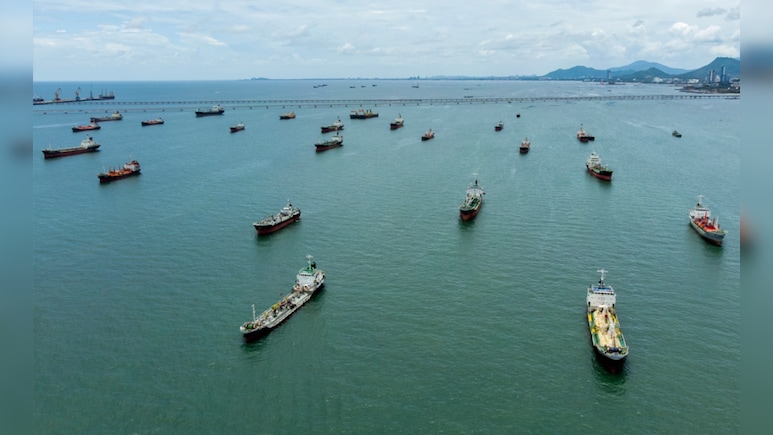
The crisis has been a direct fallout of Iran's retaliatory move to block the Strait of Hormuz - transit route for one-fifth of global crude oil and gas. Since the US-Israel offensive on Iran started in the last week of February, Iran's Revolutionary Guards have been striking down any ship that tried to pass the Strait, leading to a massive choking on both sides of the 167-km waterway.
In the light of the current situation, governments from Asia to Africa and Europe have implemented extraordinary measures including public holidays, mandatory work-from-home policies, fuel rationing, and industrial shutdowns to maximize the utilisation of their limited fuel reserves.
- Sri Lanka: Mandatory public holidays declared for schools, universities, and non-essential government employees. A weekly limit of 15 liters of petrol has been declared for private vehicles via a QR-code-based national fuel pass system.
- Bangladesh: To alleviate strain on its power grid, Dhaka has shifted all educational institutions to online learning modes and implemented a five-hour rotational power-cut schedule for domestic consumers to prioritise the textile export sector.
- Bhutan: Banned the sale of fuel in jerry cans to prevent hoarding and has established rationing priorities for emergency services.
- Pakistan: Instituted a four-day work week for government employees and slashed fuel allocations for government departments by 50 per cent.
- The Philippines: A four-day work week for its civil servants has been adopted and non-essential official travel has been restricted.
- Vietnam: Businesses have been encouraged to facilitate remote work and citizens have been asked to use public transport.
- Myanmar: An "odd-even" rationing system based on vehicle registration numbers has been implemented for private vehicles, as severe fuel shortages have forced the closure of petrol pumps across the country.
- Cambodia: Approximately one-third of petrol pumps have ceased operations.
- Laos: Working from home has been made mandatory for civil servants and rotational shifts have been introduced to minimise commuting requirements.
- Africa: In an effort to conserve energy, Egypt has ordered malls and restaurants to close by 9 pm and government buildings by 6 pm. The lights on advertising billboards have been switched off.
- Kenya: A ban has been imposed on exports, coupled with fuel rationing, as its existing reserves are expected to last only until April.
- South Africa: Implemented industry-wide controlled allocation measures to address diesel shortages and prevent panic buying.
- Oceania: The New Zealand government is considering reviving a "car-free day" - a policy dating back to 1979 -- under which motorists will be required to designate one day a week on which they refrain from driving. An "Amber Alert" has been activated to monitor fuel reserves, and hundreds of Air New Zealand flights have been cancelled due to high fuel prices.
- Europe: Slovakia has implemented official purchasing quotas to curb diesel hoarding.
- Slovenia: The country's second-largest fuel retailer has imposed limits on purchases for cars and trucks to ensure adequate local supply.
These measures collectively underscore the severity of the global energy crisis and the lengths to which nations are going to safeguard their energy security.
Earlier today, US President Donald Trump - who had promised massive strikes on Iran to lift the Hormuz blockade -- indicated that Washington and Tehran have begun what he described as "very good and productive conversations" and in view of it, any planned strikes on Iranian power plants and energy infrastructure will be postponed for five days.
Iran has responded with derision, saying no such talks are on and the US is backing down fearing reprisal.
Track Latest News Live on NDTV.com and get news updates from India and around the world


