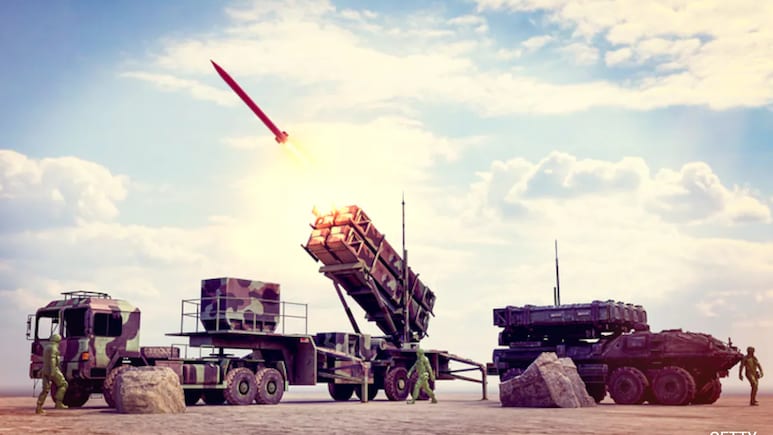
The Pentagon may divert weapons from Ukraine - including Patriot missile interceptors - to West Asia to replenish munitions and air defences depleted by the US' war against Iran, three people familiar with developments told The Washington Post Thursday.
US forces have also struck over 10,000 targets across Iran since the war began Feb 28, CENTCOM chief Admiral Brad Cooper said Wednesday.
Relocating weapons systems from eastern Europe and around the world - the US is also transferring Patriot and THAAD, or Terminal High Altitude Area Defence, batteries from South Korea - will leave potential gaps in air defence networks against Russia and China.
In addition, two Patriot batteries were shifted from Germany to reinforce Turkey's southern border after Iran missiles targeting Adana, Hatay, and Gaziantep provinces were intercepted.
A final decision has not been taken yet regarding the PURL, or Prioritized Ukraine Requirements List, a negotiated workaround that allows NATO members to buy a limited number of military equipment from the United States and transfer them to Kyiv.
But the fact it is considering re-routing these arms from Ukraine - mired in a four-year (and counting) war President Donald Trump claimed he could end in 24 hours - underscores concerns about the US 'burning through munitions' to batter down Tehran's front door.
Should NATO, Ukraine worry?
The rapid use-rate, The Post said, is alarming European allies.
The worry is that Washington will run through its stocks and delay or disrupt their orders, leaving fewer layers in its air defence system when the next wave of Russian attacks is launched.
"... there are questions now about how much they will keep providing through the (PURL) deal", two European diplomats told The Post on condition of anonymity.
However, a NATO official told Reuters the bloc continues to contribute to the programme and said "equipment is continuously flowing into Ukraine (and) we expect more to follow..."
NATO has already committed US$4 billion for Ukraine under PURL since August 2025.
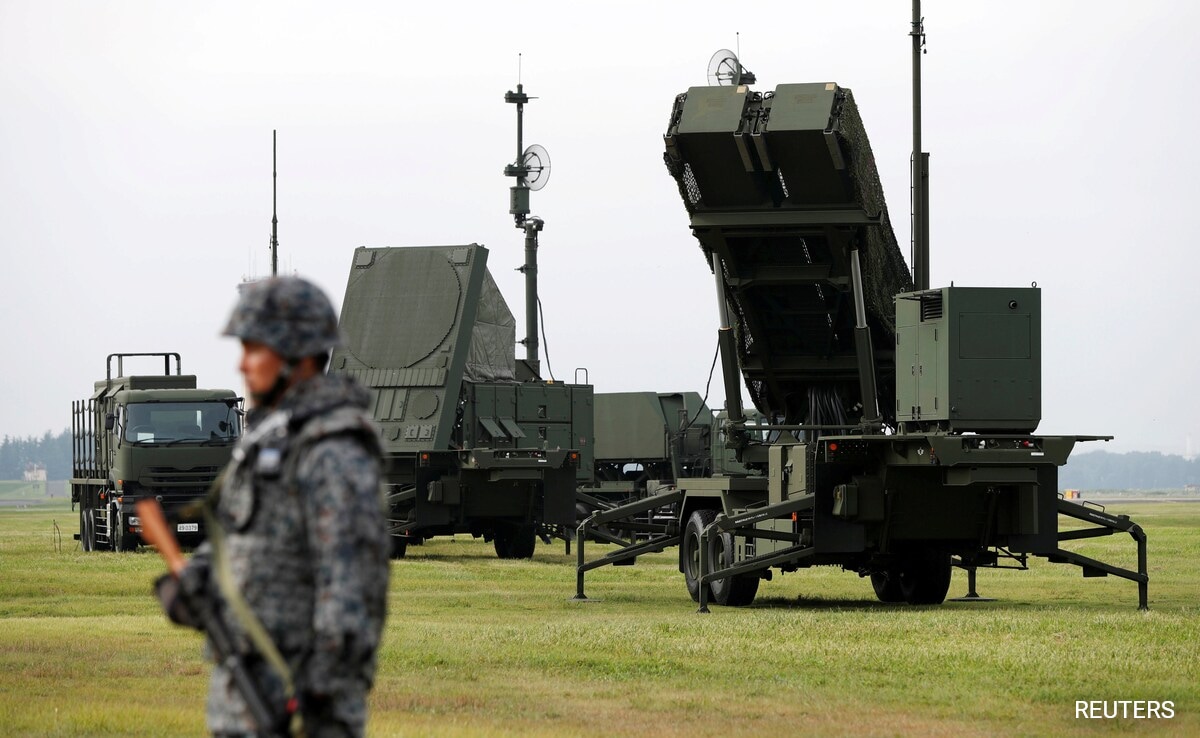
The Patriot missile system.
The PURL programme feeds 75 per cent of Ukraine's Patriot batteries. Rerouting these could leave significant holes over that country's skies, enough for Russia to exploit with deadly fire.
The Post quoted a Pentagon spokesperson as saying the US will 'ensure its allies and partners have what they need to fight and win' but did not comment further.
Incidentally, the US reportedly asked Ukraine for help to fight Iran's flood of drone attacks. Ukraine President Volodymyr Zelensky said there had been 'requests from the American side' but insisted no aid would be given if his country's defences are weakened in any way.
More Patriot missiles would convince Kyiv to give the US its drone interceptors, he said.
South Korea's concerns
Or, in the case of South Korea, it could weaken deterrence keeping China and North Korea at bay.
In an editorial, The Korea Herald said, "Patriot and THAAD batteries are central to the US-South Korea shield against North Korean ballistic missiles, so their withdrawal would carry serious security implications for Seoul."
There is the additional worry about the US not returning these batteries to South Korea once the Iran war is over (whenever that might be), given Trump's hawkish stance about allies pulling their own weight in the defence space.
It isn't just Seoul on edge.
Depleted US munitions stockpiles could leave places like Taiwan vulnerable, particularly since China has ramped up military build-up over the past couple of years and North Korea is now capapble of building more advanced missiles.
Taiwanese lawmaker Chen Kuan-ting was quoted by Bloomberg as saying 'US military assets cannot be deployed in two places at the same time'. "Deploying main military assets in Asia and confronting its primary competitor here (an unspoken reference to China) is more in line with US interests," Chen, a member of the Foreign Affairs and National Defense Committee, said.
The US' Iran problem
US forces fired a 'significant' number of interceptors - from Patriot and THAAD air defence systems - to neutralise the thousands of cheaply-made, mass-produced Shahed 'kamikaze' drones Iran has fired at military, civilian, and energy infrastructure targets across West Asia.
A US Congressional report published last week indicated THAAD stocks are worryingly low, potentially handicapping American forces in this and future military engagements, at least till a sufficient number can be manufactured.
Reports suggest this could take three to eight years. In January lead THAAD manufacturer Lockheed Martin signed a deal to increase annual production from 96 to 400 per year, though this is linked to a seven-year pathway.
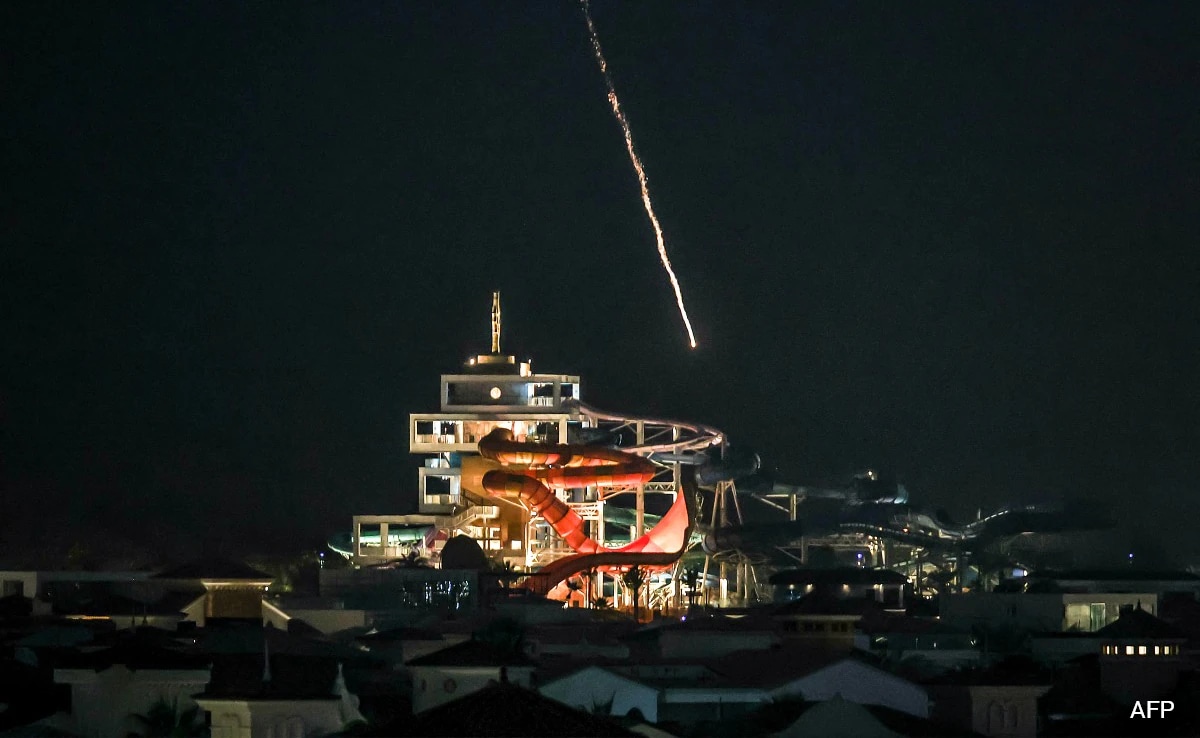
The UAE has used the US' Patriot anti-missile system against Iran attacks.
Each THAAD missile costs an estimated US$12.5 million and Washington burned through 5,197 of these and other intercept options, including Patriot and SM-3, in the war's opening days, the report said. The Jerusalem Post said the 943 Patriot interceptors fired was equal to 18 months' production. Overall, Washington spent a reported US$10-$16 billion in four days.
It is important to note the Congressional report does not flag an immediate shortage. Instead, it warns of potential demand-supply issues for future conflict scenarios.
That means for NATO and Asian allies alike, the worry is not just about exposed air defences today, but about relatively unguarded skies when the next war breaks out, wherever that may be.
Track Latest News Live on NDTV.com and get news updates from India and around the world


