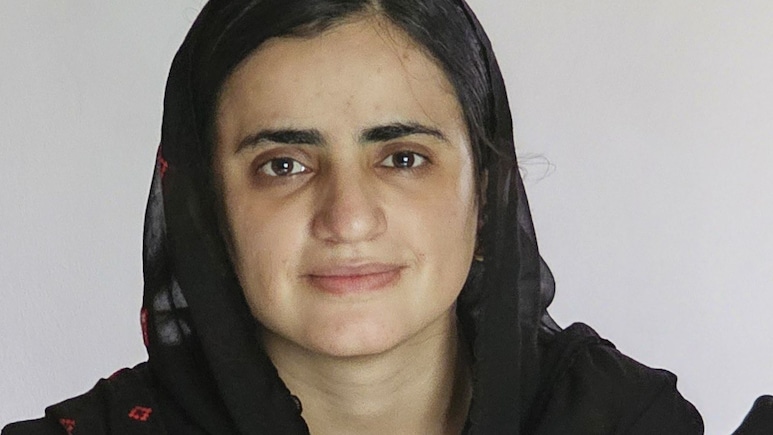
- Dr Baloch was convicted under Pakistan's Anti-Terrorism Act for participation in peaceful protests
- The trial involved remote hearings, state-appointed lawyers and limited defense rights
- Experts highlighted risks to civic space and increased threats to women human rights defenders
United Nations human rights experts have strongly condemned the sentencing of prominent Baloch human rights defender Dr Mahrang Baloch to two life terms by an Anti-Terrorism Court in Pakistan, calling the verdict a "grave injustice" and warning that it reflects a wider pattern of using counter-terrorism laws to suppress peaceful activism and dissent.
In a statement issued on Wednesday, independent UN experts expressed deep concern over what they described as an unfair trial and the misuse of terrorism-related charges against Dr Baloch, a leading advocate for the rights of Pakistan's minority Baloch community. They urged Pakistani authorities to uphold international human rights obligations, ensure fair trial guarantees, and prevent the use of national security legislation to silence human rights defenders.
"Dr Baloch's punishment is a travesty of justice," the experts said, arguing that the case criminalised peaceful protest and infringed on internationally protected freedoms of expression, association, and peaceful assembly.
Dr Baloch heads the Baloch Yakjehti Committee or BYC, a civil society network that has campaigned against enforced disappearances, alleged extrajudicial killings, discrimination, and other human rights concerns in Balochistan. She was convicted alongside fellow BYC leader Sibghatullah Shahji in connection with the death of a Frontier Corps member during a sit-in protest held in Gwadar in July 2024.
According to the UN experts, the court concluded that the defendants shared a common intention to commit murder -- based primarily on their participation in the demonstration. Their actions were also classified as acts of terrorism under Pakistan's Anti-Terrorism Act, a decision the experts argued represents an overly broad application of counter-terrorism legislation.
The conviction comes amid an ongoing crackdown on the BYC following demonstrations and security operations in Balochistan.
Human rights groups and UN experts have previously reported allegations of arbitrary detention, enforced disappearances, excessive use of force, movement restrictions, and intimidation targeting activists in the province.
The experts noted that Dr Baloch continues to face significant legal pressure beyond the latest conviction. They said at least 50 police complaints remain pending against her, raising fears that additional prosecutions could follow.
"We are dismayed by the number of cases Dr Baloch has faced, which appear intended to intimidate, punish and deter both her and other Baloch activists advocating for victims of human rights violations," the experts said.
The UN statement also raised serious concerns regarding the fairness of the judicial proceedings. According to the experts, the trial was conducted inside a prison facility. Dr Baloch and her co-accused were denied the opportunity to appear physically before the court despite objections to participating remotely via video link.
The experts further alleged that Dr Baloch was prevented from selecting legal counsel of her choice and instead, was represented by state-appointed lawyers, circumstances they said undermined her ability to effectively prepare and present her defence.
In addition to legal concerns, the experts expressed alarm over reports regarding Dr Baloch's health and detention conditions, including limited access to adequate medical care and allegations that pressure has been exerted on members of her family.
Calling attention to Pakistan's obligations under the International Covenant on Civil and Political Rights as well as constitutional protections guaranteeing due process, the experts emphasised that fair trial standards must remain fully applicable even in cases involving national security or terrorism-related allegations.
The UN statement also linked the case to broader concerns surrounding development and investment projects in Balochistan, including the Reko Diq mining project. The experts noted that indigenous communities and local residents must be able to voice concerns regarding land, natural resources, and development without fear of retaliation.
They stressed that governments have a duty to protect those raising human rights concerns, while businesses also bear responsibility to respect human rights through meaningful consultation and due diligence.
The experts warned that the convictions risk further restricting civic space in Balochistan, particularly affecting women human rights defenders who have played a prominent role in demanding accountability for enforced disappearances and alleged abuses by security forces.
They observed that women activists have challenged deeply entrenched social and security structures through peaceful advocacy and warned that the misuse of counter-terrorism measures has increased the risk of intimidation, reprisals, and gender-based threats against them.
The statement also highlighted recent reports involving another prominent Baloch activist, Sammi Deen Baloch, whose family home was reportedly subjected to an unlawful raid after repeated visits by security personnel. The experts described the incident as part of a broader pattern of harassment directed at Baloch human rights defenders.
The latest intervention marks another instance in which UN experts have urged Pakistan to review its application of counter-terrorism laws and ensure that legitimate human rights advocacy is not treated as a criminal or terrorist activity.


