Whenever thousands of people take to the streets in any corner of the world, the primary fear in the corridors of power is of a coup or regime change. The recent downfall of Sheikh Hasina in Bangladesh, the flight of the Rajapaksa family in Sri Lanka, and the political reshuffle in Nepal have further strengthened this perception. But is the end of every protest always regime change? Is the ultimate goal of every young person taking to the streets to overthrow the government?
The short answer is no. According to the Global Protest Tracker, in the past 12 months, more than 57 countries have seen significant protests, and 33 are still active. In only seven, or 12%, was regime change or attempted regime change the goal.
Protests are not organised merely to topple governments, but also to show them a mirror, to reshape policies, and to save the remaining foundational structures of democracy. History bears witness that from the strike of Egyptian workers in the 12th century BC to youth taking to the streets today to protect Albania's sensitive environment, resistance has always been the sharpest weapon to transform society.
Today's youth, especially 'Gen Z', are demanding accountability in policies, equal employment opportunities, environmental protection, and basic rights. This is the 'Globalisation of Rebellion', where behind the fire ignited by local sparks in different parts of the world lies the same restlessness - a shared anger against corruption, inequality, and the people's voice not being heard.
France
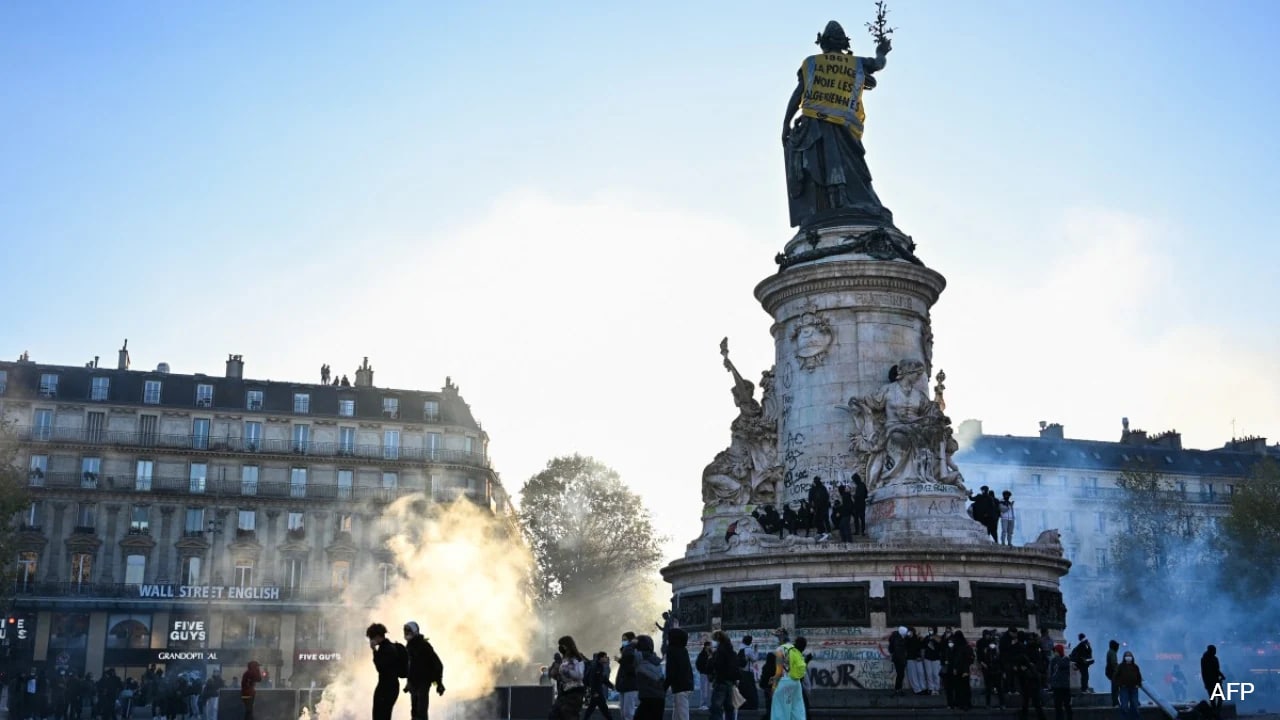
When: September 2026 (Ongoing)
Protest by: High school students/ youth (later joined by unions)
No regime-change goal
Why the protest started:
- Underfunded schools, teacher shortages, and dilapidated facilities
- Opaque university admissions system
- Rising cost of living and economic insecurity
- Broader generational frustration over public services
- Demands for education investment and better living conditions
Peru
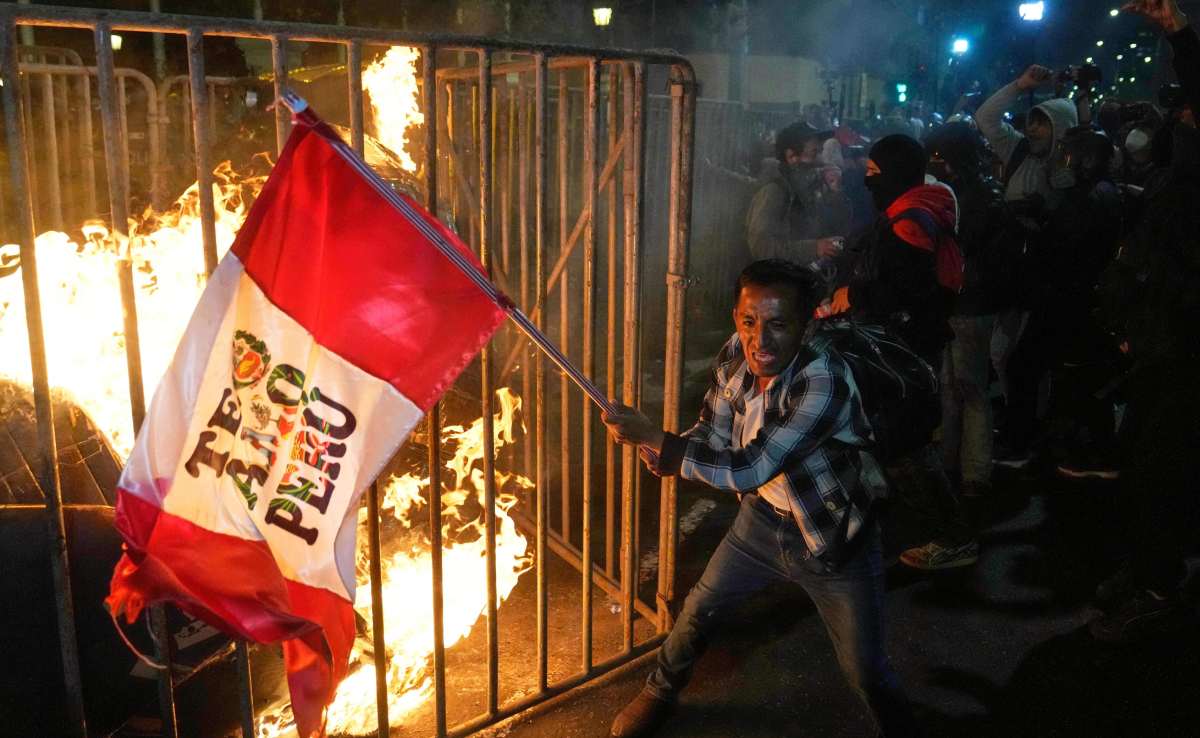
When: September 2025 (Ongoing)
Protest by: Generation Z and student movements
Partial regime change
Why the protest started:
- Broad political anger over chronic corruption, systemic instability, and the rapid, successive impeachments of national presidents
- Intense dissatisfaction with a highly unpopular Congress and the installation of replacement President Jose Jeri.
- Generational outrage over a mandatory pension reform that forced self-employed young workers to pay high, restrictive contributions
- State-enacted crackdowns under emergency decrees, using rubber bullets and tear gas that resulted in civilian deaths and injuries
- Protests continued after the president was removed because the ouster of a leader did not fix deeper political, economic, and social grievances
Georgia

When: October 2024 (Ongoing)
Protest by: Students, youth coalitions, and opposition groups
Attempted regime change, but failed
Why the protest started:
- Massive public allegations of systematic electoral fraud during the October 2024 parliamentary elections
- Outrage over the ruling Georgian Dream party's decision to freeze integration negotiations with the European Union
- Draconian penalties and state-sanctioned violence deployed to disperse peaceful student-led sit-ins and demonstrations
- Widespread public demand for the release of political prisoners, a reinstatement of pro-EU foreign policy, and entirely new, impartial elections
Albania
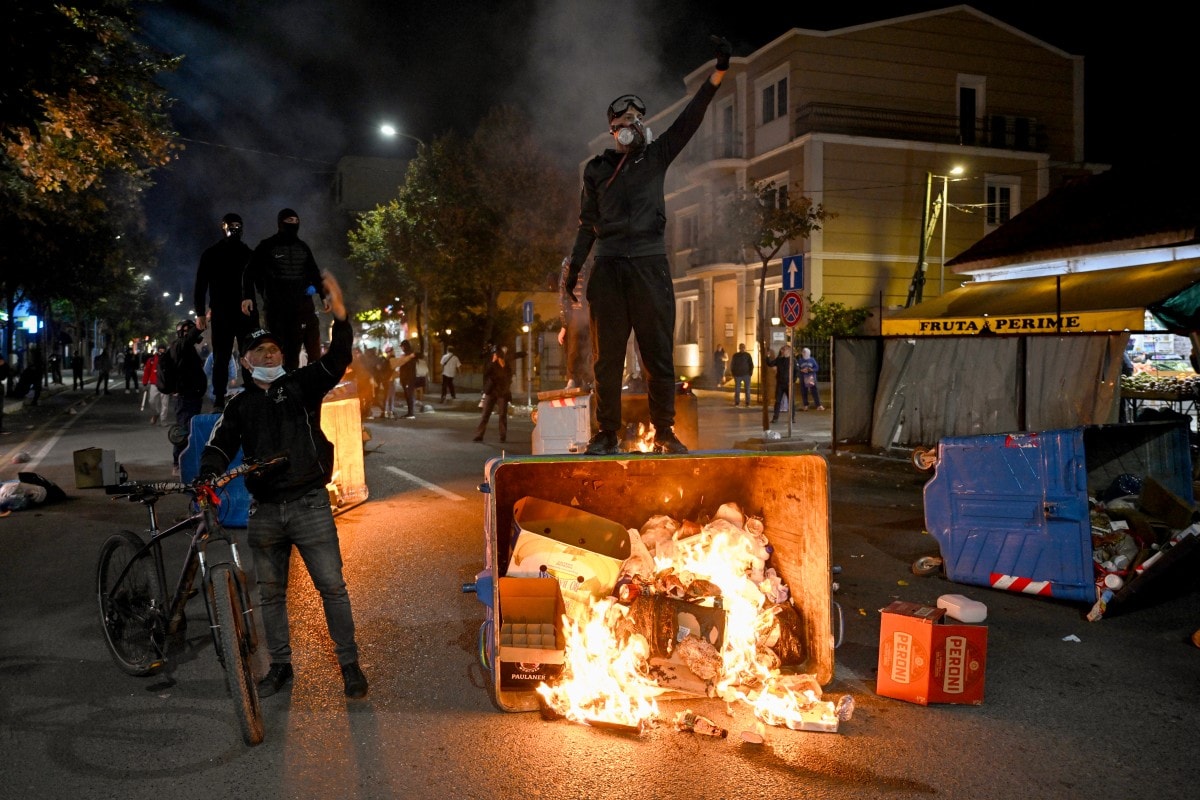
Photo Credit: AFP
When: May 2026 (Ongoing)
Protest by: Youth coalitions and environmental student groups
Attempted regime change (demands for the resignation of PM Edi Rama)
Why the protest started:
- Immediate outrage over state-approved commercial clearing and fencing within the Narta Lagoon, a highly biodiverse migratory wetland
- Public backlash against international luxury real-estate developments planned on ecologically sensitive, protected lands
- Accusations of systemic corruption, environmental deregulation, and political favouritism benefiting foreign elites
- Direct condemnation of PM Edi Rama for endorsing private developers over domestic environmental laws
Indonesia
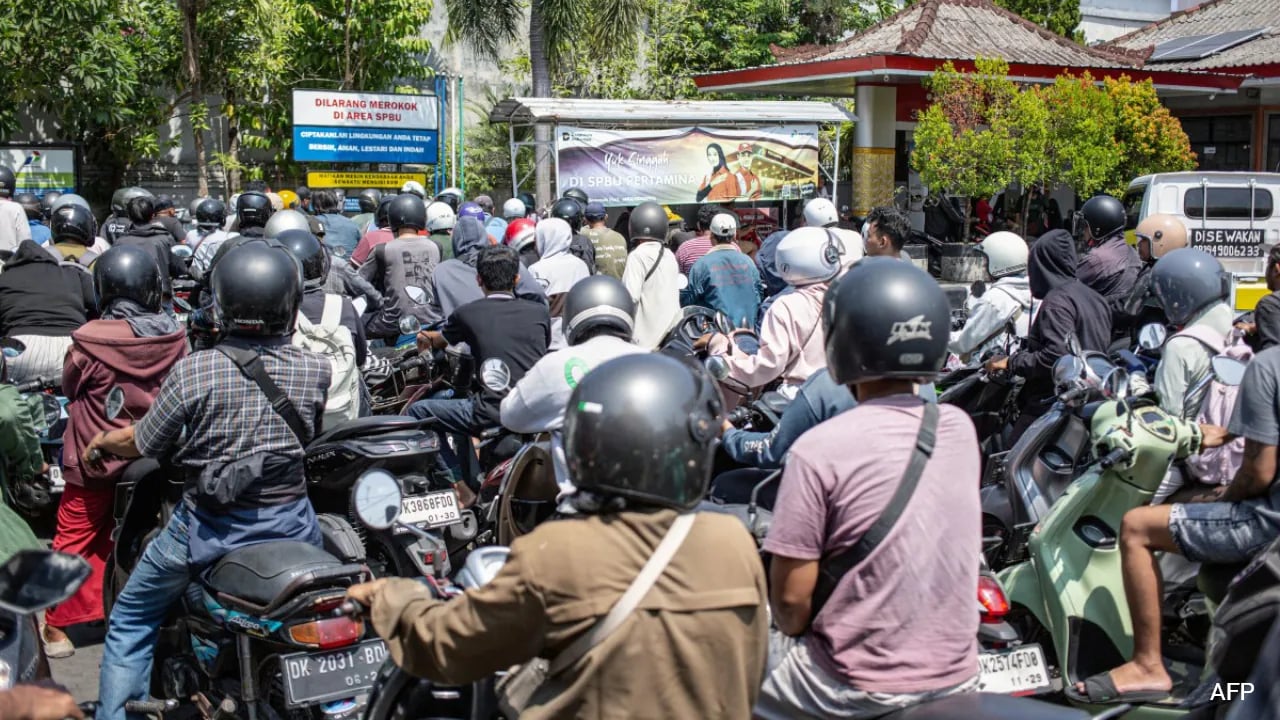
When: Aug-Sep 2025
Protest by: Youth/students/Gen Z
No regime-change goal
Why the protest started:
- Lawmakers' large housing allowances and perks amid economic hardship
- Rising living costs, unemployment, and tax increases
- Perceived democratic backsliding and military expansion into civilian roles
- Police brutality (including the death of a delivery driver)
- Demands for policy reversals and anti-corruption measures
Morocco
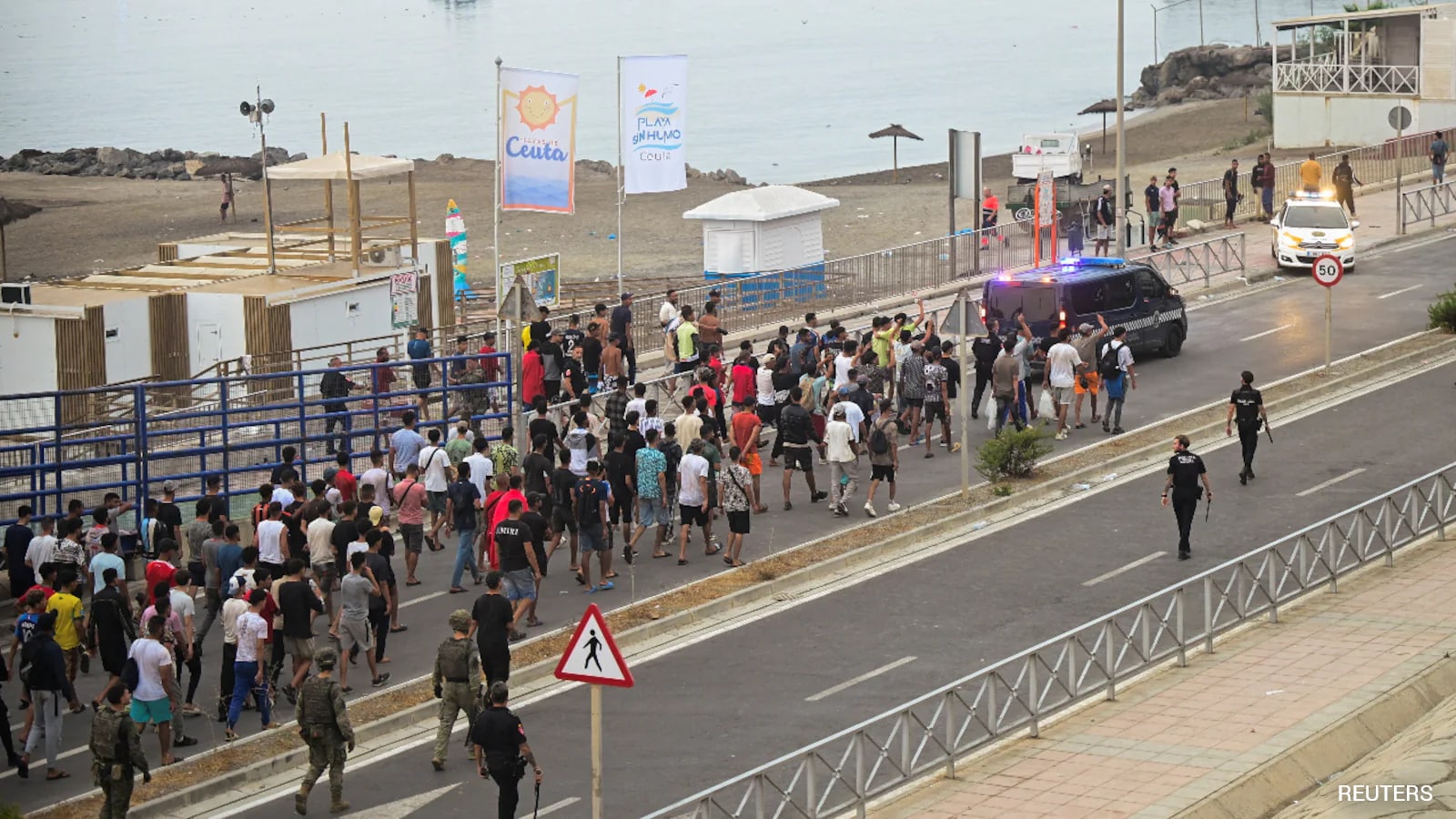
When: Sep-Oct 2025
Protest by: Gen Z. Movement took on the name Gen Z 212, after the country's telephone code
No regime-change goal
Why the protest started:
- Maternal deaths at a public hospital highlighting poor healthcare
- Inadequate spending on health and education versus World Cup infrastructure
- High youth unemployment and social inequality
- Corruption and poor public services
- Demands for better governance and resource allocation
Philippines
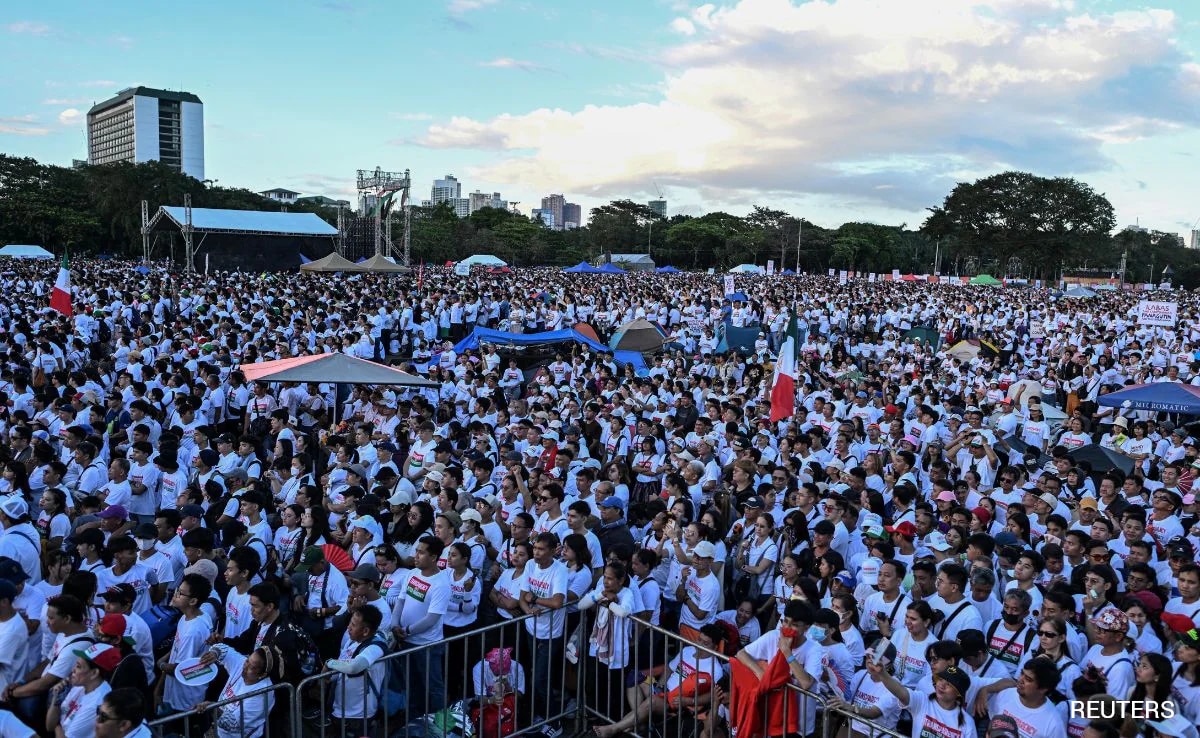
When: September 2025
Protest by: Gen Z
No regime-change goal
Why the protest started:
- Flood-control project corruption scandals
- Officials accused of pocketing infrastructure funds
- Broader anti-corruption anger
- Economic frustrations
- Demands for accountability
Kenya
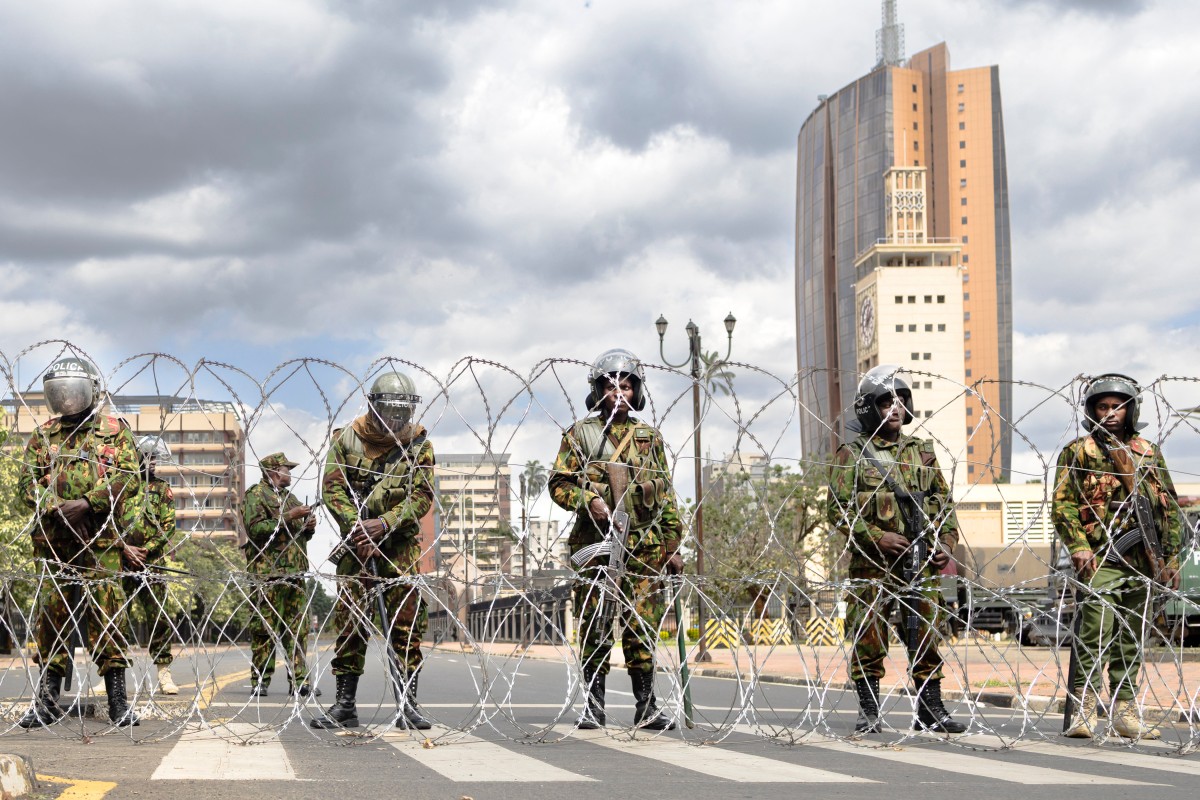
Photo Credit: AFP
When: June 2024 (Ongoing)
Protest by: Gen Z and youth-led coalitions
No regime-change goal
Why the protest started:
- Initial trigger was controversial tax hikes, which sparked mass anger in mid-2024
- Severe frustration over skyrocketing living costs, economic inequality, and high taxation without adequate services
- Deep-seated anger regarding government corruption, luxury spending by public officials, and lack of democratic accountability
- Systemic police brutality (killing of over 60 demonstrators in custody or during street protests) and continuous government crackdown involving targeted digital censorship, abductions of activists, and media blackouts that have fueled ongoing street resistance
Track Latest News Live on NDTV.com and get news updates from India and around the world


