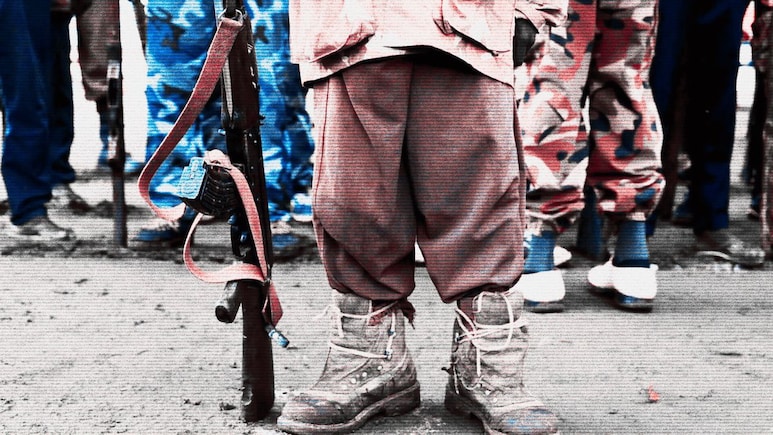
- Global Terrorism Index 2026 shows minors account for 42% all terror-related investigations in the West
- 87% of radicalised minors show a history of neglect or psychological abuse
- The minors are plentiful but unskilled, as shown by rising volume of attempts rather than rise in lethality
Radicalisation is getting younger, faster and harder to detect as minors now make up 42 per cent of all terror-related investigations in the West, with recruitment timelines collapsing from months to weeks as online propaganda, isolation and psychological trauma pull children into extremist pipelines at unprecedented speed.
The Global Terrorism Index 2026 shows minors account for 42 per cent of all terror-related investigations in Europe and North America, a threefold rise in just three years. The shift is as sharp as it is structural since the radicalisation curve has shortened from months to weeks, driven by many factors including the exploitation of childhood trauma.
"The average radicalisation timeline has contracted dramatically... now capable of occurring within a matter of weeks, driven by short-form online propaganda, algorithmic amplification, and the exploitation of youth developmental vulnerabilities," the report said under the heading 'Trends in Youth Radicalisation'.
Eighty-seven per cent of radicalised minors show a history of neglect or psychological abuse, while 77 per cent have experienced abandonment. These are not hardened ideologues but emotionally exposed children pulled into extremist funnels designed to exploit their vulnerabilities. The recruitment ecosystem is optimised for short attention spans and volatile identities, a feed-based pipeline where mobilisation happens faster than states can intervene.
ALSO READ | Pakistan Nurtured Terror For Decades. It Has Now Come Home To Roost
The motivations fracture neatly along geography. In the West, the drivers are alienation, loneliness, and online echo chambers. In sub-Saharan Africa, the story is different with 71 per cent of youth recruits citing security force abuse as the tipping point, and one in four citing unemployment. One pathway is psychological, the other structural, and both are accelerating.
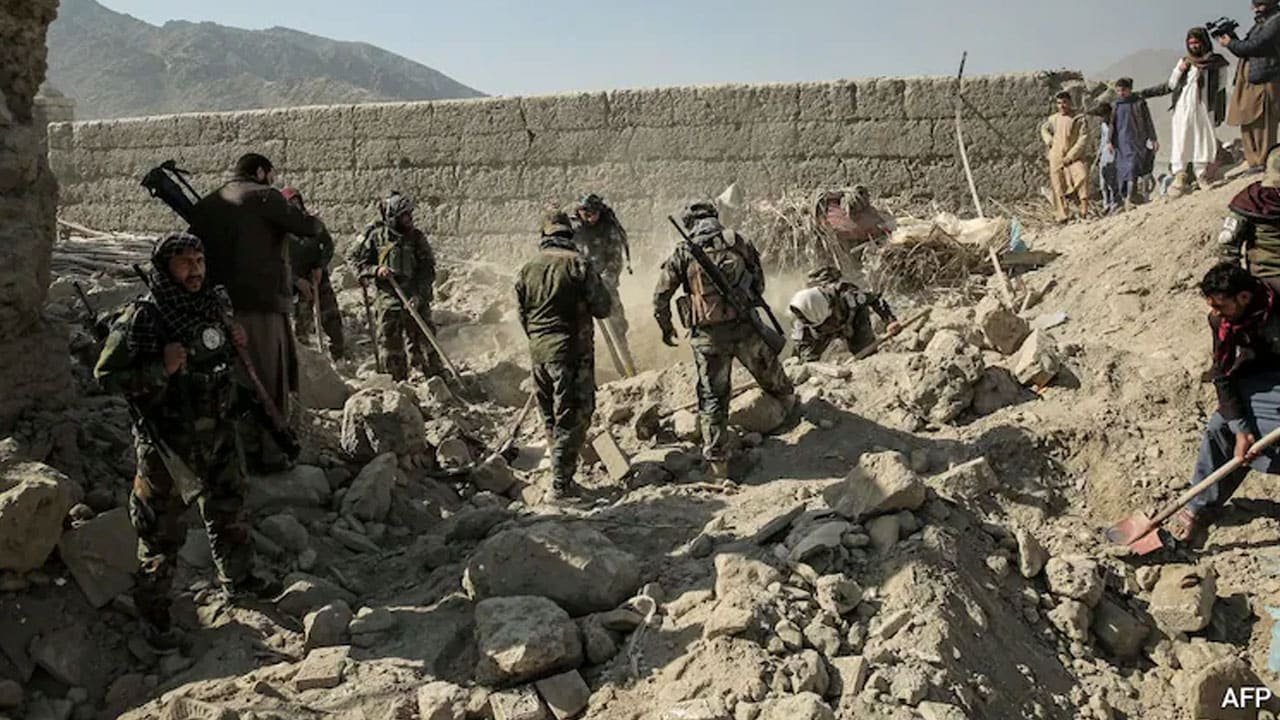
What unites them is the operational pattern as the surge in youth-linked terror plots showed. Yet they remain largely amateur. Between 2022 and 2025, 97 per cent of plots involving minors were foiled, compared to a 68 per cent interception rate for adult-only conspiracies.
The minors are plentiful but unskilled, as shown by a rising volume of attempts rather than a rise in lethality. The risk is cumulative since a generational cohort entering adulthood is already ideologically primed.
Extremism is another lone-actor enterprise, the data shows. Over the past five years, 93 per cent of attacks in the West were carried out by solo perpetrators, a pattern mirrored in youth cases.
Today's adolescent extremist is less a recruit of a structured group and more a self-curated ideological hybrid, drawing from jihadist tropes, far-right aesthetics, misogynistic subcultures, conspiracies, and apocalyptic lore. The GTI notes a rise in "ideologically unclear" attacks with 40 per cent of all incidents in 2025 lacking coherent ideological grounding. The line between terror, nihilism, and personal collapse is increasingly thin.
The GTI says this is an emerging crisis and more than that it is the early stage of a demographic pipeline that will shape global security for decades, producing attackers whose ideological edges blur and whose mobilisation cycles flow faster than institutions can track.
Track Latest News Live on NDTV.com and get news updates from India and around the world


