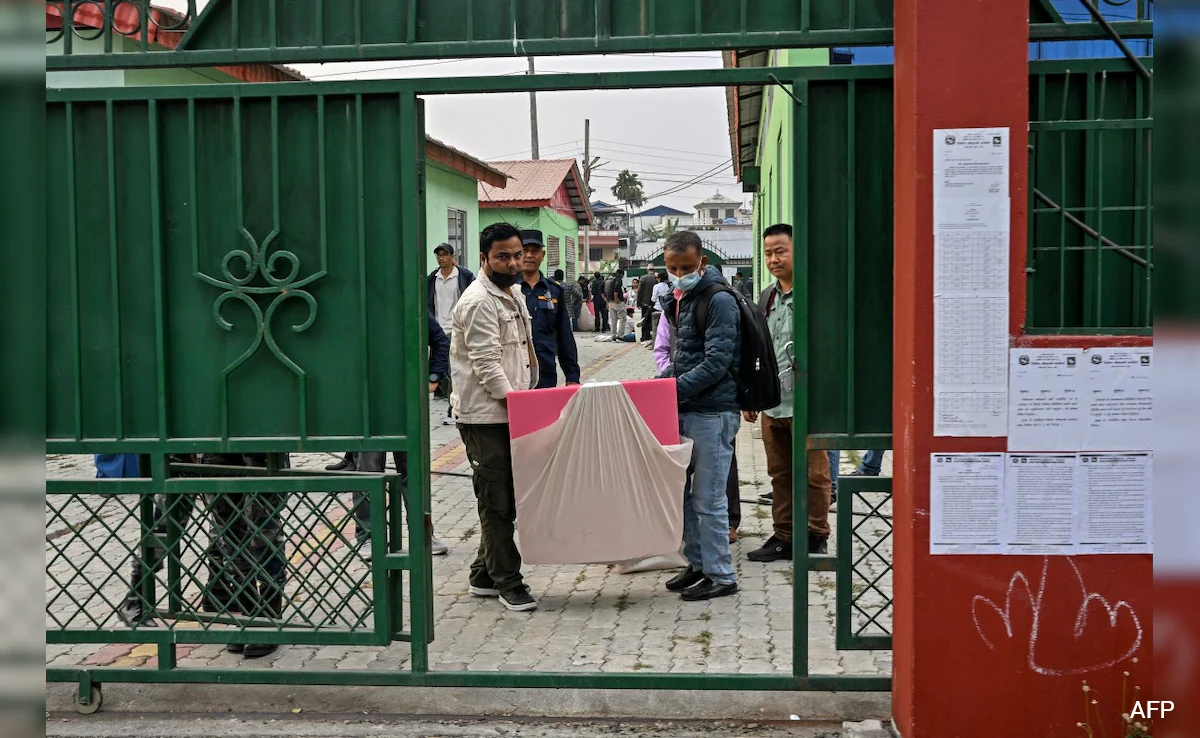
Months after youth-led protests forced Nepal Prime Minister KP Sharma Oli to step down in late 2025, the country is all set for national elections.
This time, a new group of people will walk into polling booths and shape the political future of their country. It's the citizens born on or before March 3, 2008. According to the Election Commission, 1,00,475 new voters have been added to the roll. About 18.9 million people are eligible to vote in the House of Representatives election.
Over two-thirds of the newly registered voters belong to Generation Z. Many are voting for the first time.
“For the first time, I feel personally responsible for the outcome of a national vote,” a Tokha Municipality voter told The Kathmandu Post.
He believes the country is at a critical point. He is watching independent and younger candidates challenging established parties.
“Old parties are not achieving development goals,” he says. “There is very little chance of improvement. If the same faces come back, the same things will repeat.”
Not all young voters are guided by party loyalty. A 23-year-old IT graduate from Bahrabise says this election feels different from 2022, when he was eligible but not interested. In 2022, around 18 million voters were registered.
“This time, I don't see myself just as a voter,” he says. “I see myself as someone whose future is directly tied to the decisions made by those in power.”
“I am voting for a leader who can influence policy and drive the nation forward,” the voter told the outlet.
A 21-year-old from Tikathali in Lalitpur says change will not come without trying something new. “I'm open to giving them a chance,” she told The Kathmandu Post. “If it doesn't work, we can remove them in the next election.”
The March 5 election follows months of political unrest and street protests led by students and youngsters against government corruption and crony capitalism.
Security forces used tear gas, water cannons and rubber bullets. At least 19 protesters were killed, and hundreds were injured. The state also banned social media to control the anti-government demonstrations from spreading nationwide. This only made matters worse for then Prime Minister KP Sharma Oli, who finally resigned in September 2025. An interim government led by Sushila Karki took charge.
Track Latest News Live on NDTV.com and get news updates from India and around the world


