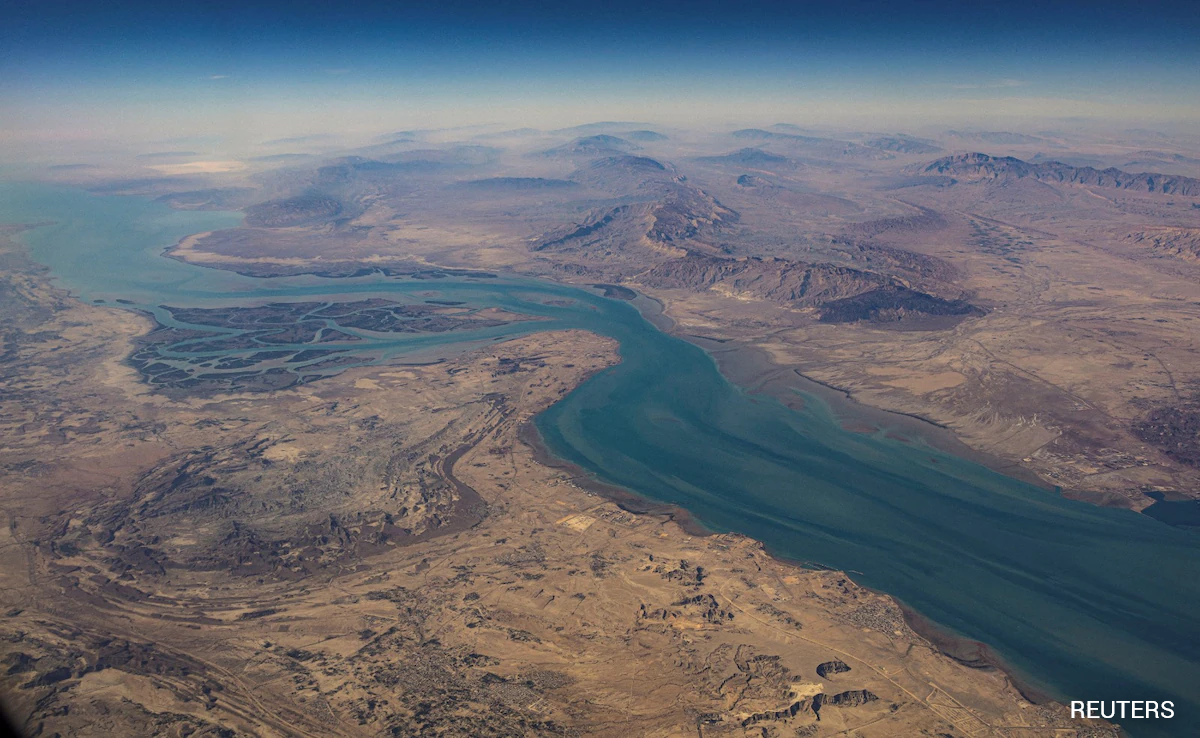
The United States has attacked a freshwater desalination plant on Qeshm Island, Iran's Foreign Minister Abbas Araghchi said on Saturday. Araghchi said the strike in the Persian Gulf damaged a drinking water facility and disrupted water supply to nearby villages.
“The US committed a blatant and desperate crime by attacking a freshwater desalination plant on Qeshm Island,” he wrote on X.
According to the minister, the attack has affected the water supply in about 30 villages on the island. Araghchi said targeting civilian infrastructure such as water facilities was a dangerous step and warned it could have serious consequences.
“Attacking Iran's infrastructure is a dangerous move with grave consequences. The US set this precedent, not Iran,” he said in the post.
What Are Desalination Plants?
Desalination plants convert seawater into drinking water by removing salt and other minerals. The technology has been widely used in the Gulf regions since the 1970s. Many countries in the region have limited freshwater sources such as rivers or lakes, so they rely on desalination to meet daily water needs.
The plants usually use large amounts of electricity, often generated from oil or gas. Seawater is pumped into treatment facilities where salt is removed through processes such as distillation or membrane filtration. The result is freshwater that can be supplied to cities and villages through pipelines.
Iran's Desalination Capacity
Iran has around 95 desalination plants either operating or under construction, according to officials from the country's National Water and Wastewater Engineering Company.
Of these, about 75 plants are currently operational, producing roughly 6.3-6.4 lakh cubic metres of freshwater per day. Most of these facilities are located in coastal provinces along the Persian Gulf and the Gulf of Oman, including Hormozgan, Bushehr, Sistan and Baluchistan, and Khuzestan. Despite this network, desalination accounts for only about 3 per cent of Iran's total drinking water supply, as the country still relies mainly on dams, rivers and groundwater for most of its freshwater needs.
Why They Are Important In The Gulf Region
Countries around the Persian Gulf depend heavily on desalination. Nations such as Saudi Arabia, United Arab Emirates, Kuwait and Qatar rely on these plants for most of their drinking water.
The region hosts hundreds of desalination facilities, and the Arabian Peninsula alone holds a large share of the world's desalination capacity. Around 100 million people in the Gulf depend on these plants for water used in homes, businesses and public services.
In some cities, the dependence is almost total. For example, the Saudi capital Riyadh receives most of its drinking water through pipelines connected to large desalination plants on the coast.
Iran's Desalination And Water Supply System
Iran also uses desalination, especially in coastal areas such as Qeshm Island in the Persian Gulf. These plants provide freshwater for island communities and coastal settlements where natural freshwater sources are limited.
Iran's overall water supply relies more on dams, rivers and underground wells than on desalination plants.
How Attacks On Desalination Plants Will Harm Iran
Water treatment plants are considered civilian infrastructure under international law. Damage to these facilities can quickly affect daily life because drinking water supply may stop within hours or days.
If a desalination plant stops working, nearby communities can face water shortages. Tankers or bottled water may be needed as temporary alternatives, but these are often limited and costly.
The risk is higher in desert regions where there are few natural freshwater sources. In such places, desalination plants act as the main supply system for entire populations.
Past Attacks On Water Facilities
Security experts have long warned that desalination plants could become targets during conflicts in the Middle East. Intelligence assessments from the 1980s described water as a strategic resource for the region.
During the Gulf War, Iraqi forces released oil into the Persian Gulf. One concern at the time was that the oil spill could damage desalination plants along the Saudi coast by contaminating seawater used in the treatment process.
Why Water Infrastructure Is Considered Sensitive
Desalination plants are large, fixed installations that cannot be easily moved or replaced. If one is damaged, repairs can take weeks or months.
Because of this vulnerability, the CIA views water facilities in the Gulf area as “strategic commodities” during military conflicts. Even indirect damage, such as attacks on nearby power plants or ports, can disrupt operations.
Track Latest News Live on NDTV.com and get news updates from India and around the world


