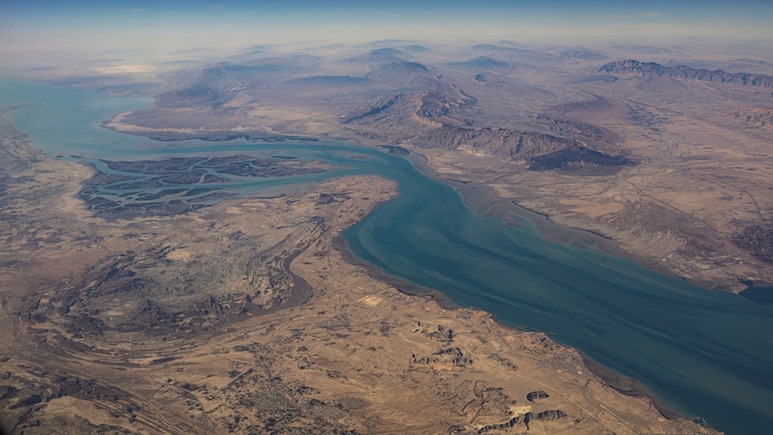
- Oil supply disruptions will increase in April due to closure of the Hormuz Strait
- Loss of oil in April will be twice that of March, impacting Europe as supplies shrink
- 12 million barrels per day lost so far from Middle East war, with 40 energy assets damaged
Oil supply disruptions will rise in April because of the closure of the Hormuz Strait and will hit Europe as supplies dwindle, International Energy Agency (IEA) head Fatih Birol said on Wednesday.
"The loss of oil in April will be twice of oil loss in March, on top of the loss of LNG... The biggest problem today is the lack of jet fuel and diesel. We are seeing that in Asia, but soon, I think, in April or May, it would come to Europe," he told Nicolai Tangen, the CEO of Norges Bank Investment Management, in a podcast.
Birol noted that 12 million barrels per day of oil supply have been lost so far due to the Middle East war. "Some 40 key energy assets have been damaged in the Middle East," the energy chief said.
He said that the biggest problem is the lack of jet fuel and diesel and said that if there is a need for crude oil, the IEA may intervene.
The Iran war has created the biggest oil disruption in history, the IEA said last month after it agreed to release a record volume from strategic stockpiles to make up for shortages and a spike in prices.
The war caused an oil shock from the get-go. Iran responded to US and Israeli attacks on February 28 by effectively closing off the Strait of Hormuz, a transit point for a fifth of the world's oil, by threatening tankers trying to pass through.
Gulf oil exporters like Kuwait and Iraq cut production because there was nowhere for their oil to go without access to the strait. The loss of 20 million barrels of oil a day delivered what the International Energy Agency calls the "largest supply disruption in the history of the global oil market".
"No country will be immune to the effects of this crisis if it continues to go in this direction," International Energy Agency head Fatih Birol said last week.
Poorer countries will be hit hardest and face the biggest energy shortages "because they will be outbid when competing for the remaining oil and natural gas", said Lutz Kilian, director of the Center for Energy and the Economy at the Federal Reserve Bank of Dallas, the Associated Press reported.
Asia is especially exposed: More than 80% of the oil and LNG that passes through the Strait of Hormuz is headed there.
(With inputs from agencies)
Track Latest News Live on NDTV.com and get news updates from India and around the world


