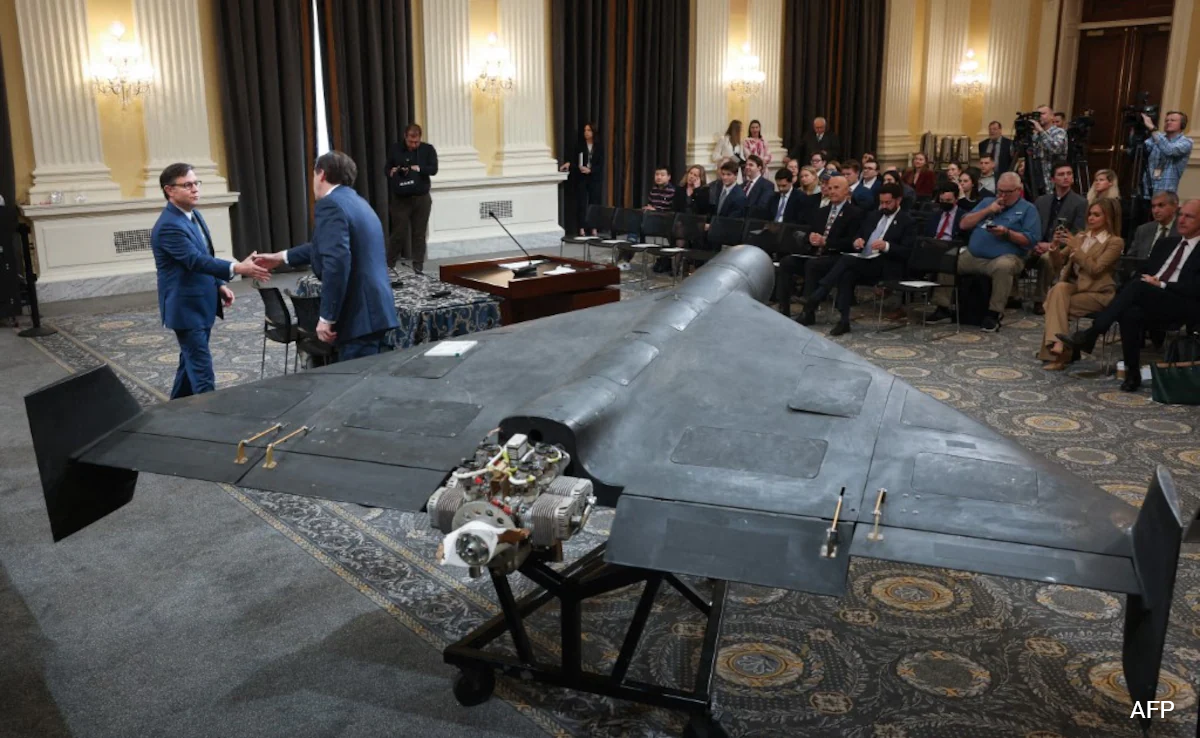
Months before the Iran conflict escalated, Kyiv offered Washington battle-tested technology to counter Iranian drones. The proposal was dismissed, a decision some US officials now call a major "tactical error", according to a report by Axios.
Nearly seven months before Iranian drones began testing US defences in the Middle East, Ukrainian officials attempted to warn Washington and offered a solution.
Kyiv even prepared a detailed PowerPoint presentation outlining how its battlefield-tested technology could help the US shoot down Iranian-made attack drones and protect American troops and allies in a potential regional conflict.
But the proposal was brushed aside by the Trump administration.
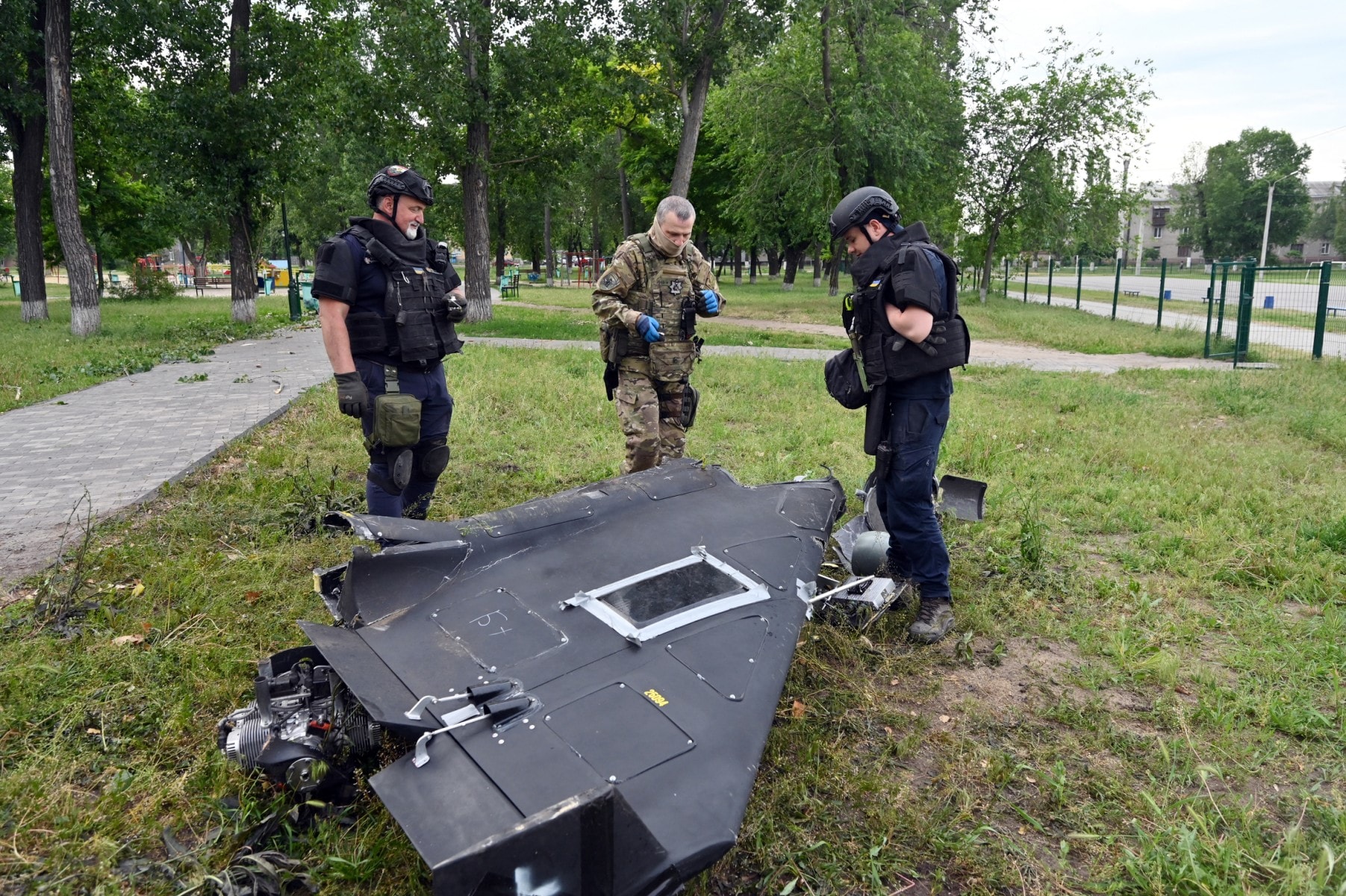
Ukrainian explosives experts and police officers examine parts of a Shahed 136 military drone following an air-attack in Kharkiv on June 4, 2025, amid the Russian invasion of Ukraine
Photo Credit: AFP
Now, as Iran's Shahed drones increasingly challenge US air defences, Washington has quietly reversed course and reached out to Ukraine for help.
Why The Shahed Drones Are A Problem
During a closed-door briefing on Capitol Hill last week, Trump administration officials told lawmakers that Iran's Shahed attack drones pose a serious operational challenge and that US air defence systems may not be able to intercept all of them, a report by CNN mentioned.
US Defence Secretary Pete Hegseth and Chairman of the Joint Chiefs of Staff General Dan Caine also acknowledged in the briefing that the drones have become a bigger problem than initially expected.
Read | The Beast Of Kandahar: How One Captured Drone Changed Modern Warfare
The drones are particularly difficult to intercept because they fly low and slow, which are characteristics that allow them to slip past traditional air defence systems more easily than ballistic missiles.
Some US officials now see Washington's decision to reject Ukraine's earlier proposal as a costly misstep.
Snubbing Kyiv's offer ranks among the most significant tactical miscalculations since the United States began bombing Iran on February 28, two US officials told Axios.
Shahed Drones Linked To Deaths Of Seven US Troops
Iran's inexpensive Shahed drones have already been linked to the deaths of seven US service members and forced the US and its regional allies to spend millions of dollars intercepting them.
"If there's a tactical error or a mistake we made leading up to this [war in Iran], this was it," a US official acknowledged.
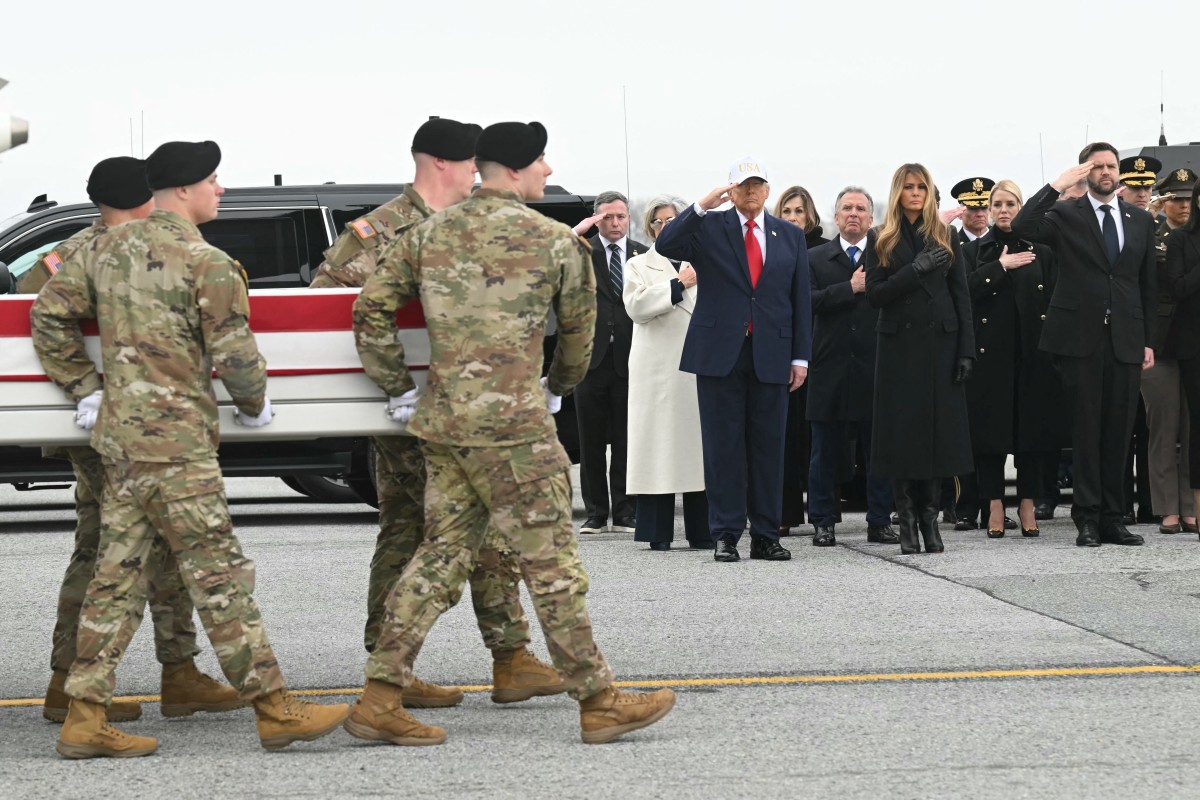
Six US Army soldiers were killed March 1 when an Iranian drone struck a key US command center in Kuwait's southern industrial hub of Port Shuaiba, a day after the United States and Israel launched a sweeping military campaign against Iran
Photo Credit: AFP
Ukraine, which has spent years battling the same drones on its own battlefield, has become the world's most experienced country in countering Shahed-style systems. Russia has used thousands of the drones, rebranded as Geran, during its invasion of Ukraine.
In response, Kyiv has developed a range of countermeasures, including a low-cost interceptor drone designed specifically to shoot down Shahed-style aircraft.
Zelensky Pitched Drone Defence Plan At White House
Ukrainian President Volodymyr Zelensky personally pitched the technology during a closed-door meeting at the White House on August 18, offering the interceptor drones to US President Donald Trump as part of a broader effort to deepen security ties and demonstrate appreciation for US support against Russia.
Read | Iran's Shahed Missions Trigger Acceleration In India's Strike Drone Projects
Kyiv also proposed creating a network of "drone combat hubs" in countries such as Turkey, Jordan and Persian Gulf states to defend against drone threats from Iran and its regional proxies.
"We wanted to build the 'drone walls' and all the things necessary like the radar, et cetera," a Ukrainian official said.
But the plan never gained traction inside the administration.
Why US Did Not Adopt Ukraine's Defence Plan
"At that meeting ... in August, Trump asked his team to work on it, but they have done nothing," the Ukrainian official said.
One US official who reviewed the presentation confirmed that Zelensky's team shared the proposal with American officials. However, some within the administration reportedly viewed the Ukrainian leader as overly eager to promote his country's role.
"We figured it was Zelensky being Zelensky. Somebody decided not to buy it," the official said.
On Thursday, the US formally approached Kyiv for assistance in countering Iranian drones, according to The New York Times.
American officials maintain that US forces have intercepted the overwhelming majority of Iranian missiles and drones. So far, the seven US fatalities are significantly lower than early estimates, which predicted as many as 40 deaths in the initial phase of the conflict.
Cost Imbalance
Still, concerns remain about the cost imbalance in the fight.
An Iranian Shahed drone is estimated to cost between $20,000 and $50,000 depending on the model, while the interceptors used to shoot them down can cost millions.
The issue first emerged during US operations against Houthi rebels in Yemen and has persisted as Iran and its allies expand their drone capabilities.
On Friday, the US announced plans to deploy its own anti-Shahed system, called Merops, as regional allies complain about continued drone attacks.
But even within the administration, frustration over the response is growing.
One US official told the Associated Press that efforts to counter Iran's drone campaign so far have been "disappointing".
Another official acknowledged that Ukrainian technology could have helped if it had been deployed earlier, though they insisted that "our performance in theatre has been remarkable."
Ukraine had structured its earlier proposal to appeal to Trump's business instincts, presenting the drone-defence plan as a partnership that could create manufacturing jobs in the US.
"Our problem was money. Our resources allowed us to produce only 50% of what we can produce. So we wanted the US to invest the other 50% and have a share of the production," the Ukrainian official said.
According to the presentation, Ukraine believed the partnership could ultimately produce up to 20 million drones and related systems, helping to "unleash American drone dominance".
Track Latest News Live on NDTV.com and get news updates from India and around the world


