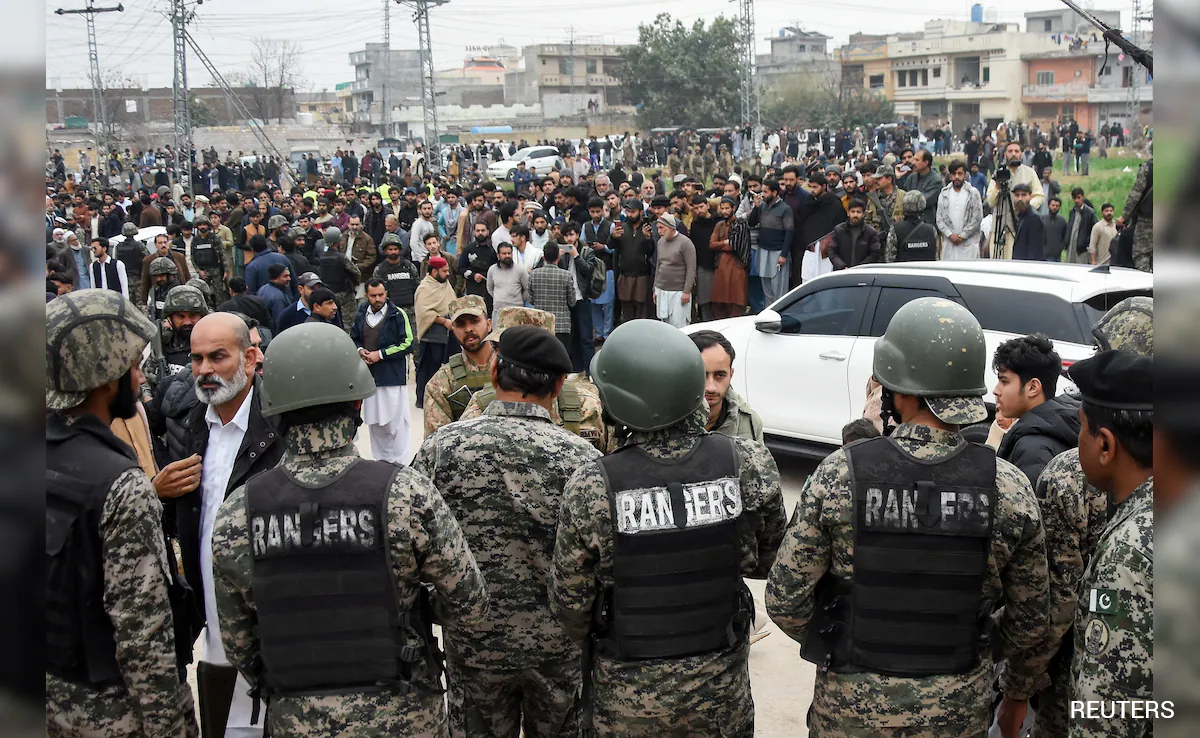
- Islamabad suicide bombing killed at least 69 and injured over 170 worshippers
- India denied involvement and condemned Pakistan's blame-shifting after attack
- Pakistan accused India and Afghanistan of links to bomber, claims rejected
Islamabad reeled on Friday after a devastating suicide bombing ripped through a crowded mosque in the capital, killing at least 69 people and injuring more than 170 others in one of the deadliest attacks in recent years.
As shock and grief spread across Pakistan, the aftermath quickly escalated into a sharp war of words, with India and Afghanistan rejecting accusations from Islamabad and instead turning the spotlight back on Pakistan's own security failures and internal challenges.
In a strongly worded statement issued from New Delhi, the Ministry of External Affairs condemned the bombing and expressed condolences for the loss of innocent lives. However, it categorically rejected any suggestion of Indian involvement, calling such claims "baseless and pointless."
The statement said it was "unfortunate that, instead of seriously addressing the problems plaguing its social fabric, Pakistan chooses to delude itself by blaming others for its home-grown ills."
India's response came after comments from Pakistan's Defence Minister Khawaja Muhammad Asif, who claimed that the attacker had links to Afghanistan and alleged an emerging nexus between India and the Afghan Taliban.
In a post on X, Asif said the bomber had been moving between Afghanistan and Pakistan and accused India of waging a proxy campaign after what he described as a "humiliating defeat," alleging New Delhi no longer had the courage for direct conflict.
These assertions were swiftly and angrily dismissed in Kabul. Afghanistan's Taliban-led government, through a statement by the spokesperson of the Ministry of National Defence, condemned the Islamabad attack and accused Pakistani officials of making "irresponsible" and habitual accusations without evidence.
The statement noted that Pakistan has repeatedly blamed Afghanistan for attacks in Balochistan and other regions "without conducting the necessary investigations and without any scrutiny or verification." Such claims, it said, lacked "any logic or basis" and were aimed at diverting attention from Pakistan's own security shortcomings.
Raising pointed questions, the Afghan defence ministry asked why, if Pakistani authorities were capable of identifying perpetrators immediately after an attack, they were unable to prevent it beforehand. "These hasty remarks cannot conceal the security failures nor resolve the existing problems," the statement said.
The Taliban government reiterated that it is committed to Islamic principles and does not permit the killing of innocents to achieve political ends. It stressed that it neither supports nor harbours those responsible for such attacks and urged Pakistani security officials to stop evading responsibility.
Instead, Kabul called on Islamabad to reassess its policies, improve internal security, and pursue "positive cooperation and constructive engagement" with neighbours rather than fostering hostility.
Inside Pakistan, the attack has intensified scrutiny of the country's fragile security situation, particularly in urban centres once considered relatively secure. According to officials, the suicide bomber detonated explosives inside the mosque after being challenged by security personnel, causing massive casualties among worshippers gathered for prayers. Hospitals in Islamabad remained overwhelmed through the night as doctors struggled to treat the injured.
Analysts say the exchange highlights Pakistan's growing diplomatic isolation on the issue of militancy. "Blaming neighbours has become a reflex, but it no longer carries weight internationally," said a regional security expert based in South Asia. "Both India and Afghanistan are pushing back hard, arguing that Pakistan must confront the militant networks and ideological fault lines within its own borders."
As families mourn the dead and the injured continue to fight for survival, pressure is mounting on Pakistan's government to deliver answers and accountability. For now, the tragedy in Islamabad has not only exposed lethal security gaps but also deepened regional tensions, with India and Afghanistan united in accusing Pakistan of failing to address the very forces that continue to tear at its own social fabric.
Track Latest News Live on NDTV.com and get news updates from India and around the world


