- India and the US agreed to cut US tariffs on Indian goods from 50% to 18%
- India will halt Russian oil purchases and buy more US energy and products
- India faces lower US tariffs than China, Pakistan, and Southeast Asian nations
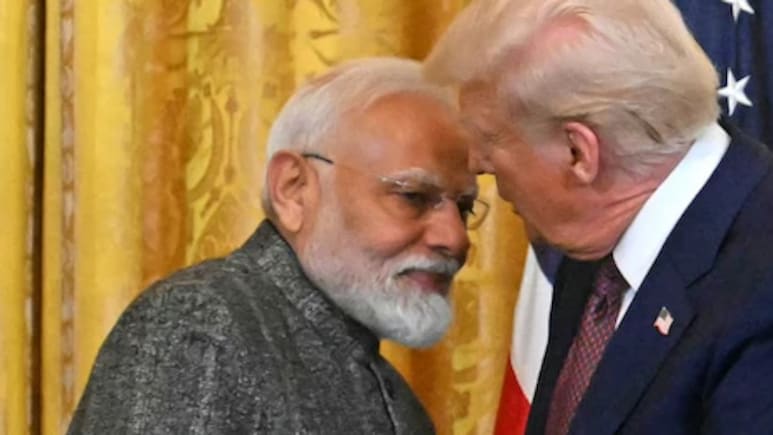
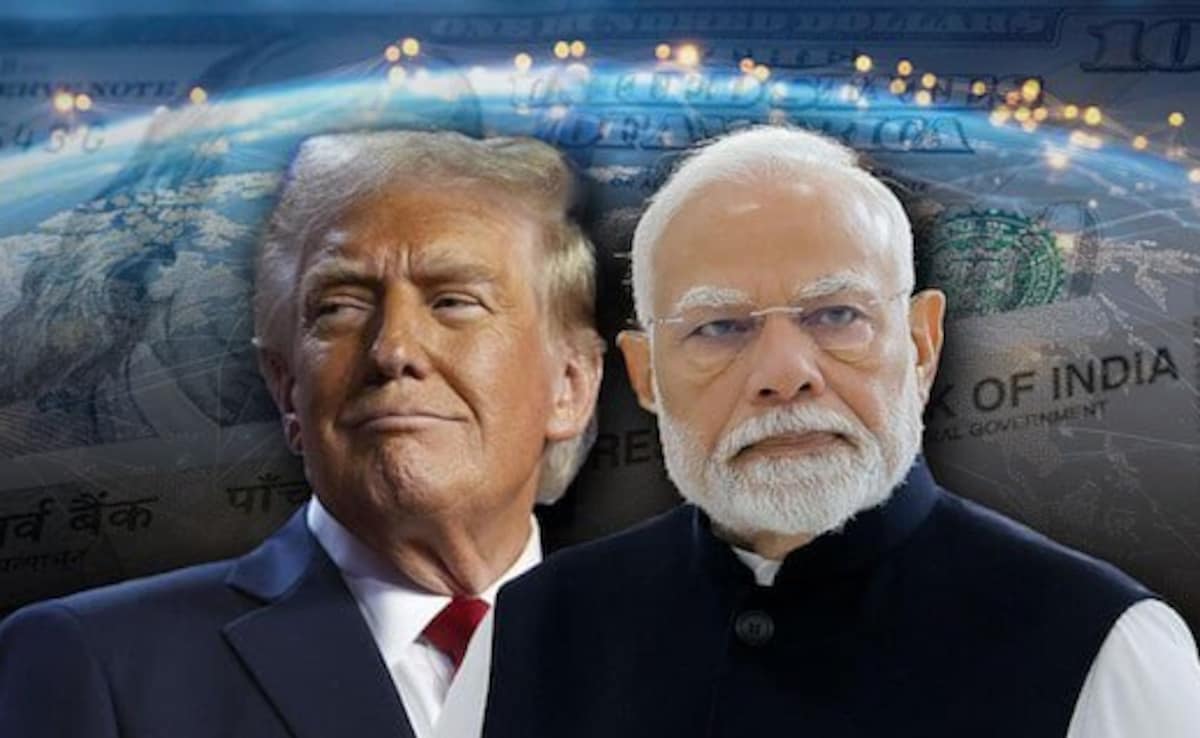
India and the United States have agreed to a trade deal under which Washington will slash its tariff on Indian goods to 18 per cent from the current 50 per cent in exchange for New Delhi halting Russian oil purchases and lowering trade barriers, US President Donald Trump said. The American leader announced the deal on social media following a call with Indian Prime Minister Narendra Modi, noting that India would now buy oil from the US and potentially Venezuela.
Prime Minister Modi said he was delighted that "Made in India products will now have a reduced tariff of 18 per cent".
"Wonderful to speak with my dear friend President Trump today. Delighted that Made in India products will now have a reduced tariff of 18 per cent. Big thanks to President Trump on behalf of the 1.4 billion people of India for this wonderful announcement," PM Modi said.
The prime minister said that when two large economies and the world's largest democracies work together, it benefits the people and "unlocks immense opportunities for mutually beneficial cooperation".
How India-US Deal Compares With Other Nations
With the new deal in place, India is now among the nations facing one of the lowest tariff rates from the Donald Trump administration compared with other major Asian economies, including China, Pakistan, Indonesia, Bangladesh and Vietnam. However, the duties levied by the US on trade with India are slightly higher than those imposed on its European partners and by Japan and South Korea.
Countries With Higher Tariffs
Some of the countries facing the highest tariffs from the US include Brazil (50 per cent), Myanmar (40 per cent), Laos (40 per cent), China (37 per cent) and South Africa (30 per cent).
Within Southeast Asia, countries facing higher duties include Vietnam (20 per cent), Bangladesh (20 per cent), Pakistan (19 per cent), Malaysia (19 per cent), Cambodia (19 per cent) and Thailand (19 per cent)
Countries with Lower Tariffs
Nations that have the lowest tariff agreement with the US include the United Kingdom (10 per cent), the European Union (15 per cent), Switzerland (15 per cent), Japan (15 per cent) and South Korea (15 per cent).
What We Know About The Terms of The India-US Deal
According to a report by news agency Reuters, the US was rescinding a punitive 25 per cent duty on all imports from India over its purchases of Russian oil that had stacked on top of a 25 per cent "reciprocal" tariff rate.
PM Modi also committed India to "BUY AMERICAN at a much higher level," in addition to buying more than $500 billion worth of US energy, including coal, along with technology, agricultural and other products, Trump said on social media.
"They will likewise move forward to reduce their tariffs and non-tariff barriers against the United States to ZERO," Trump said of India.
Until Trump returned to office and raised US tariff rates to double-digit levels last year, India had some of the world's highest tariffs, with a simple applied rate of 15.6 per cent and an effective applied tariff of 8.2 per cent, according to World Trade Organisation data.
What Remains Unclear
Trump's Truth Social message provided few details, including on the start date for the lower tariff rates, the deadline for India to end Russian oil purchases, trade barrier reductions and which US products India had committed to purchasing.
As of late Monday afternoon, the White House had not issued a presidential proclamation nor a Federal Register notice required to make the changes official.
Neither India nor the US has issued any details on the terms of the deal or when it will come into effect. Russia has also not issued any statement on the matter of India's supposed halt of Russian oil purchases.
Previous trade deals with other major Asian trading partners, including Japan and South Korea, have included commitments to invest hundreds of billions of dollars into US industries, but the India announcement did not mention any specific investments.
Track Latest News Live on NDTV.com and get news updates from India and around the world


