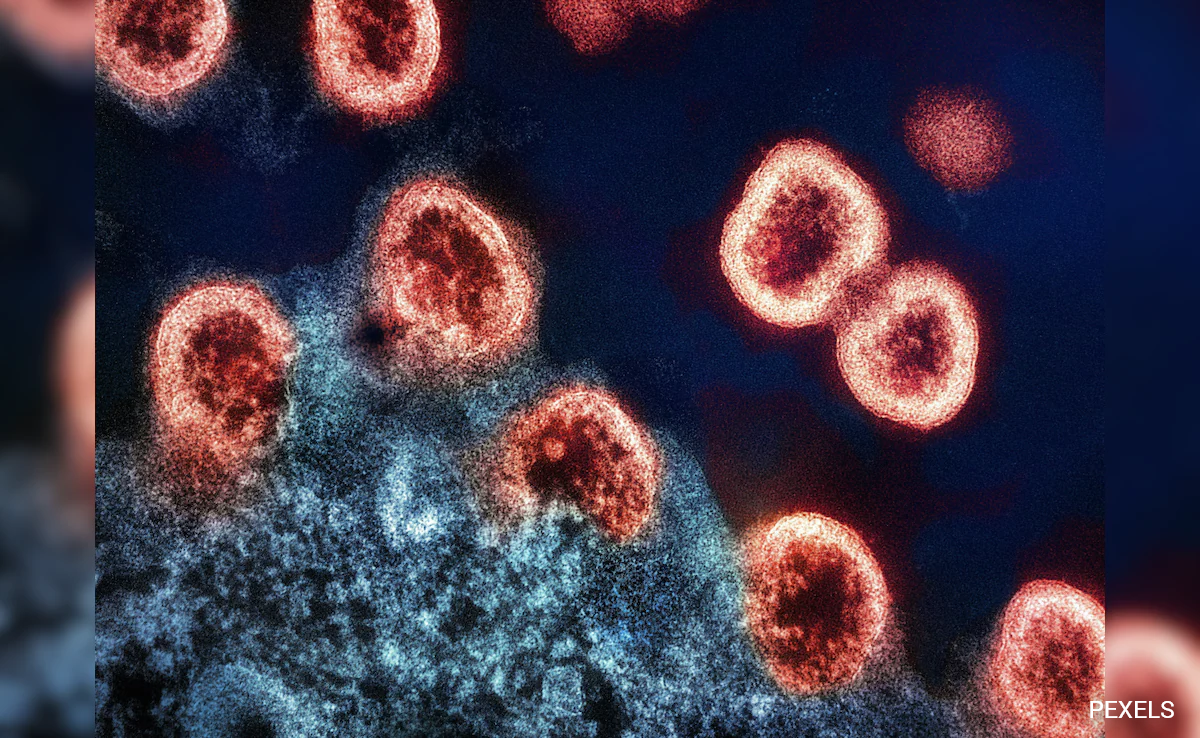
A man living with HIV has been declared AIDS-free after receiving a stem cell transplant to treat blood cancer. He becomes the seventh person in the world to be declared HIV-free and only the second person to achieve this without receiving HIV-resistant stem cells.
The patient received normal stem cells from a donor and was found HIV-free after the transplant. He initially underwent the procedure to treat his blood cancer, not HIV, but the treatment appears to have also wiped out the virus, according to New Scientist.
"Seeing that a cure is possible without this resistance gives us more options for curing HIV," said Christian Gaebler, head of the Laboratory for Translational Immunology of Viral Infections and the Personalised Infectious Medicine program at the Berlin Institute of Health.
The 51-year-old man received the stem cell transplant in October 2015 to treat leukaemia, and as part of the treatment, he underwent chemotherapy to destroy most of his existing immune cells.
After his stem cell transplant, the man stopped taking anti-retroviral drugs (ART) in late 2018. These drugs are normally used by people living with HIV to keep the virus under control. During this process, the majority of HIV-infected cells were also eliminated.
Due to the unavailability of HIV-resistant stem cells, doctors used stem cells with one normal copy and one mutated copy of the CCR5 gene. At 61, the German man, dubbed the next Berlin patient, has now been cured of HIV.
"It's amazing that 10 years ago his chances of dying of cancer were extremely high and now he's overcome this deadly diagnosis, a persistent viral infection, and he's not taking any medications – he's healthy," said Gaebler.
The first person ever declared cured of HIV was Timothy Ray Brown, known as the "Berlin patient," in 2008. He became HIV-free after receiving a stem cell transplant with HIV-resistant cells; however, he passed away from cancer in 2020.
According to UNAIDS, if no major new efforts are made to fight HIV, nearly 35 million people could become infected between 2021 and 2050, and nearly 18 million people could die from AIDS-related illnesses during the same period.
Track Latest News Live on NDTV.com and get news updates from India and around the world


