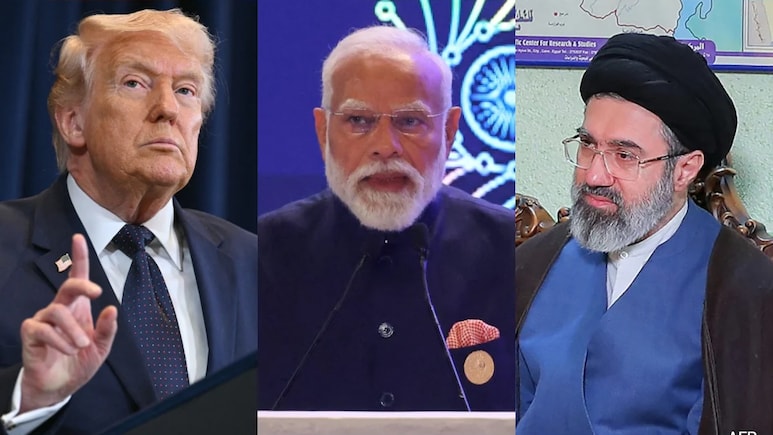
As tensions continue to rise in the Middle East, India is facing one of its biggest foreign policy tests in recent years. The conflict involving Iran, Israel and several Gulf nations has once again put the spotlight on New Delhi's strategy of maintaining ties with multiple global powers at the same time.
NDTV spoke to Divya Singh Rathore, senior policy specialist with the Indian government and Abhishek Bharti, assistant professor (guest) at Swami Shraddhanand College, on how India is handling the crisis and the challenges emerging from it.
According to Rathore, India's approach is based on "multi-alignment", a policy where New Delhi maintains relations with different global power centres at the same time while protecting its own interests. She said that unlike the older idea of non-alignment, India today works with several competing groups simultaneously.
She said India is part of the Quad with the US and Japan, remains active in BRICS alongside Russia and China, is a member of the Shanghai Cooperation Organisation, maintains strategic ties with Israel and also has long-term connectivity and port interests in Iran.
"Very few countries are trying to balance relations across so many rival power centres at the same time," she said.
Rathore said the ongoing conflict has pushed this policy to its limits. She noted that after the escalation, External Affairs Minister S Jaishankar held multiple conversations with the Iranian leadership. Prime Minister Narendra Modi also spoke to leaders in the Gulf region after missile strikes affected the area. India additionally co-sponsored a UN resolution condemning attacks on Gulf states, but did not directly condemn strikes on Iran itself.
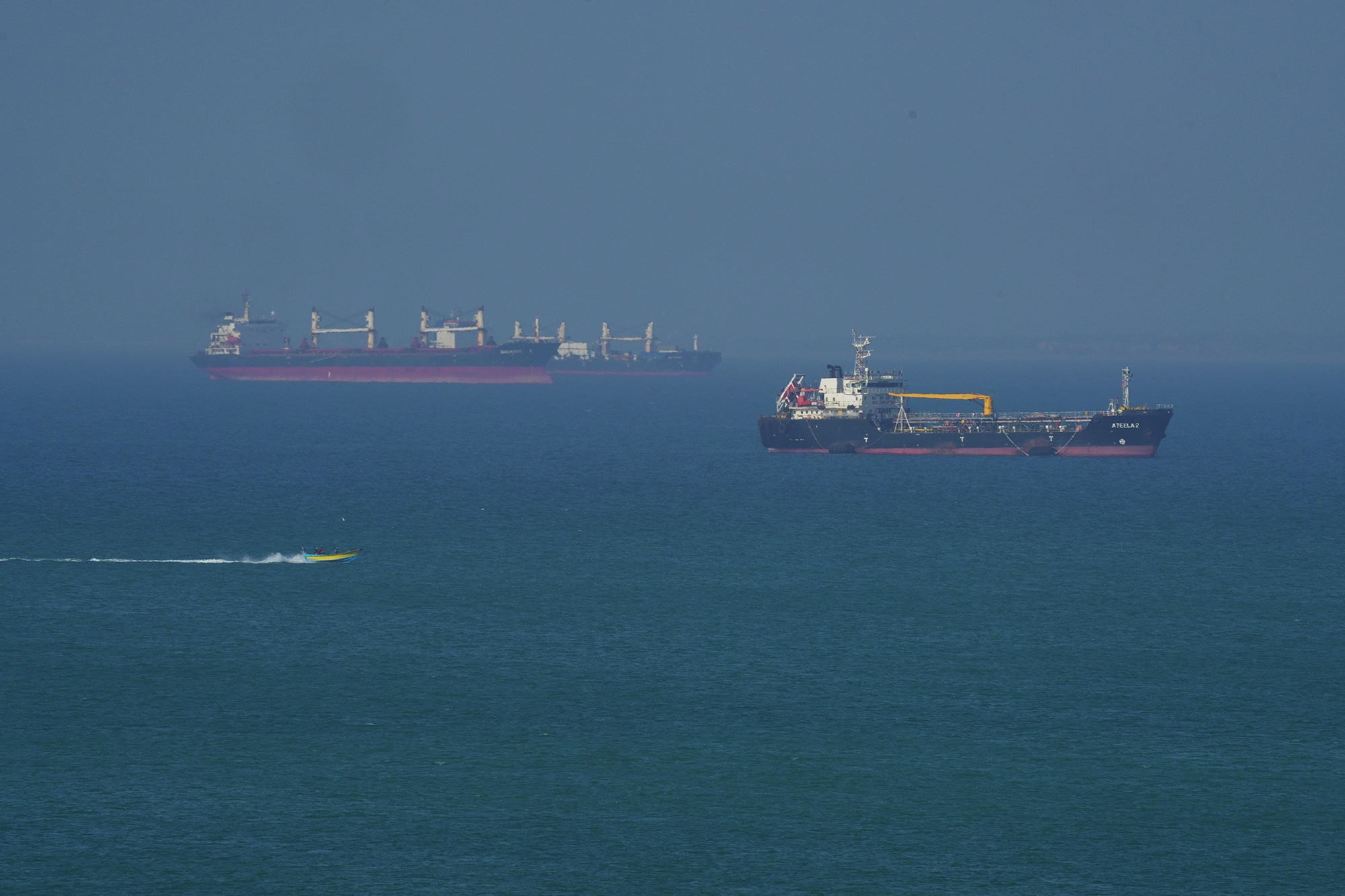
According to Rathore, these moves were carefully calibrated because India's interests in the region are extremely sensitive. Nearly nine million Indians live and work across Gulf countries and the money sent back by them forms a major part of India's remittance economy. She also highlighted concerns over energy supplies moving through the Strait of Hormuz and the importance of India's investment in the Chabahar Port project in Iran.
"A direct and aggressive public position could have affected workers, trade routes and long-term strategic projects," she said.
Bharti said India's cautious diplomacy has so far helped prevent serious damage to relationships built over decades. According to him, New Delhi tried to avoid taking an extreme public position while remaining engaged with all sides involved in the conflict. "India's attempt was to prevent a situation where one statement could damage multiple strategic partnerships at once," he said.
At the same time, both experts believe the crisis has exposed weaknesses in India's foreign policy strategy. Rathore pointed out that despite India's growing diplomatic outreach, New Delhi was not part of major ceasefire negotiations. She also referred to the sinking of an Iranian frigate after a naval exercise involving India, saying the development raised questions about India's influence in what it considers an important security region.
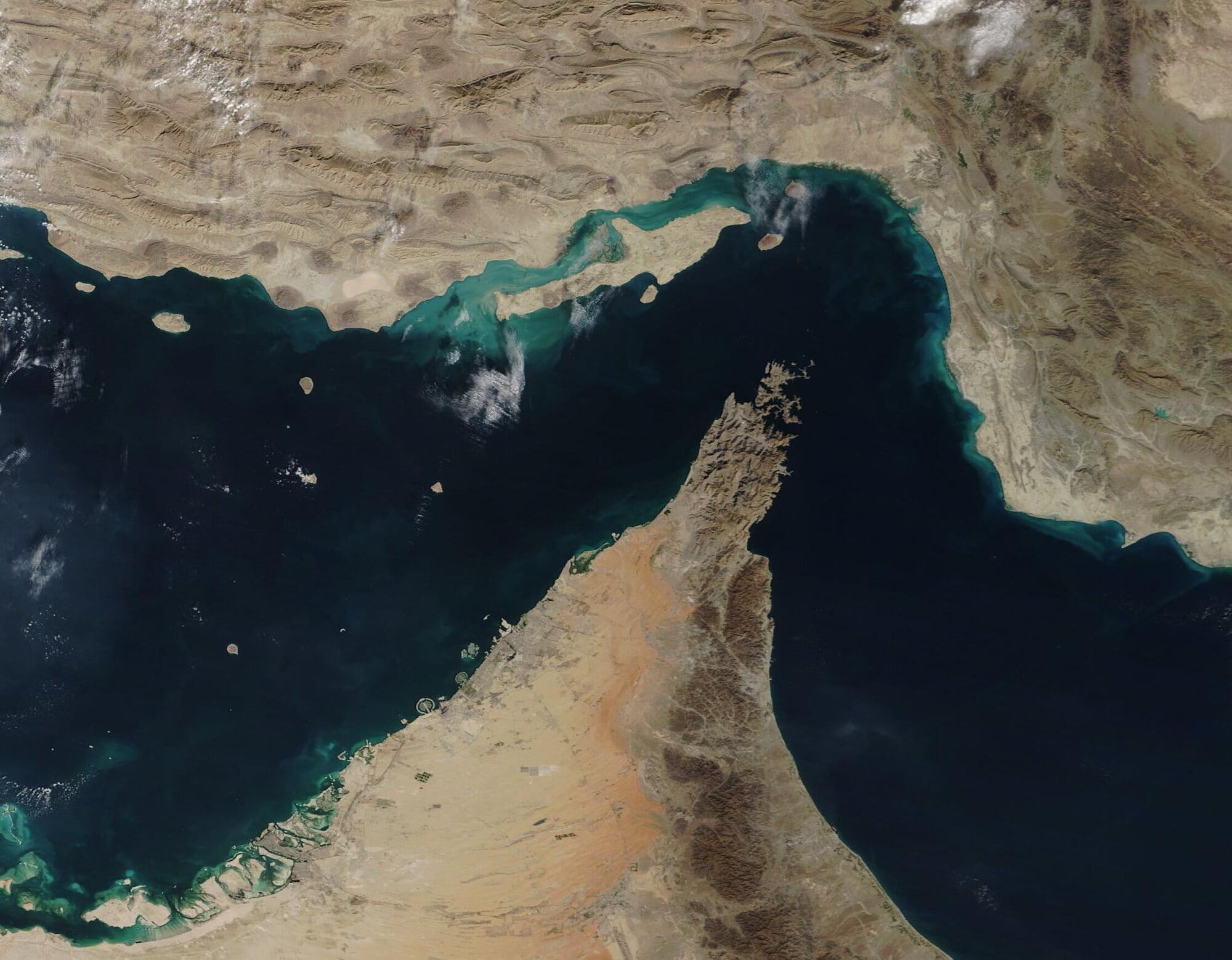
Photo Credit: Wikimedia Commons
Bharti noted that India has remained largely silent on some controversial developments during the conflict, including the assassination of Iran's Supreme Leader during a sensitive phase of nuclear negotiations. According to him, while strategic silence may help avoid escalation, it also creates questions about consistency in India's stand on international norms and sovereignty.
The experts said one criticism being raised globally is whether "multi-alignment" can survive during periods when the world starts dividing into rival camps. However, Rathore argued that the alternatives are equally risky. According to her, openly siding against Israel could damage India's strategic and defence ties, while fully aligning with the West could hurt relations with Iran and Russia. "Despite its challenges, multi-alignment still gives India space to engage with all sides," she said.
Looking ahead, both experts believe India now has an opportunity to play a larger diplomatic role. With India holding the BRICS presidency this year, Rathore said New Delhi could push for a Global South-led framework for ceasefire and reconstruction efforts. She also suggested India should formally offer itself as a venue for back-channel talks between rival sides.
On the security front, Bharti stressed that India must strengthen its Indian Ocean capabilities. "If India wants to project itself as a net security provider in the region, it must also build the capacity to respond effectively during crises," he said.
Both experts agreed that India has managed to protect its immediate interests during the crisis, including the safety of Indians abroad and critical economic ties. But they also warned that the real challenge for India will be whether it can convert diplomatic balancing into long-term strategic influence in the future.
Track Latest News Live on NDTV.com and get news updates from India and around the world


