- North Korea rejects denuclearisation calls, asserting nuclear rights firmly
- China expands nuclear silos, signaling increased military deterrence efforts
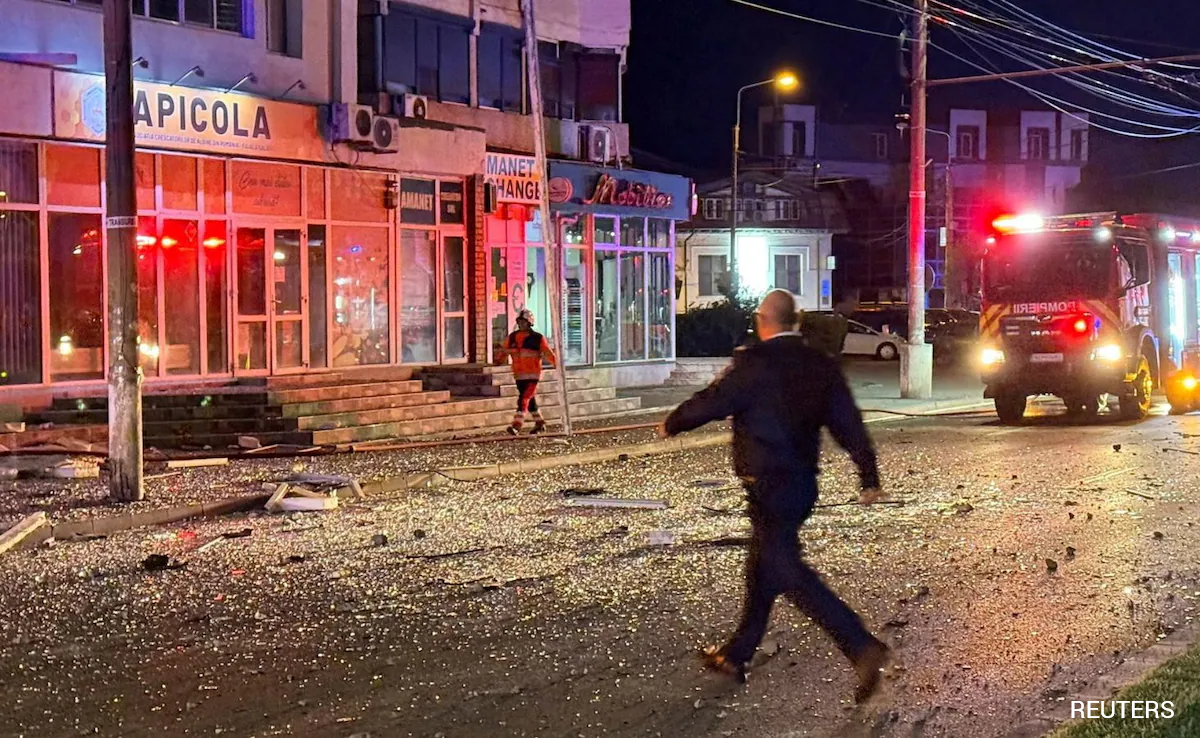
- Russia's drone strike in Romania draws NATO into conflict
All eyes remain on US President Donald Trump's path forward on the peace deal with Iran and tensions with his allies in the West, but what brews in the Eastern Hemisphere spans several countries and ranges from nuclear programmes, rapid military build-up and spillage of war into external territory.
From NATO's eastern flank to Central Asia, North Korea's nuclear defiance, a drone strike in Romania, China's silo expansion and Kazakhstan's offer to store Tehran's uranium stockpile present themselves as multiple flashpoints, but signal a geopolitical order under strain. This encompasses nuclear, military and ideological fault lines.
North Korea: No Deal Over Denuclearisation
Secretive and historically non-aligning with the world, North Korea emerged as another country after Iran that refused external voices to impact its nuclear program. Pyongyang, in fact, went a step further by categorically rejecting Quad's calls for denuclearisation. The country said the nuclearisation will "never, ever" happen, while calling the Quad a US-led bloc.
The rejection implies nuclear assets are the right of the countries and not negotiable assets that can be discussed through diplomacy on a global stage, further pointing at hardened ideologies.
China Ramps Up Deterrence
Latest visuals of China expanding a web of launch pads, bunkers and communications nodes near the isolated nuclear silos that hold the Chinese military's longest-range missiles signal intentional expansion of military assets by a country that has already been considered among the world's top powers.
US Defence Secretary Pete Hegseth warned of "rightful alarm" across Asia over China's "historic" military buildup, both on land and sea. This presents worries for tensions still on the path to becoming full-blown conflicts, like the one concerning Taiwan and South China Sea. The movement from "minimum deterrence" to nuclear expansion is worth noting.
On the softer side, US and China traded journalist expulsions in a clear erosion of trust.
Russia-Ukraine War Toes NATO Red Line
The war involving Russia and Ukraine entered NATO member Romania's territory, with Moscow's drone striking an apartment block, injuring civilians. NATO said it stands ready to defend "every inch" of the territory, while Romania called for enhanced defence deployments.
So far removed from conflict and not even a buffer zone, this attack makes Eastern Europe an active, even if unintentional, part of the geopolitical muddle.
Enter Kazakhstan
Negotiations to end the Iran war saw an unlikely entrant, the second after Pakistan's mediation efforts took observers by surprise. Kazakhstan has offered to store Iran's uranium stockpile, a nuclear asset Tehran has refused to make part of negotiations for a peace deal. This puts central Asia in the position of an emerging diplomatic buffer zone.
A Nuclear Shift
While North Korea refuses disarmament, China expands its capabilities and the world eyes the status of Iran's assets, the shift from the post Cold War strategy of non-proliferation to the current strategy of consolidation and survival amid apparently expanding arsenals is evident.
This is coupled with conflicts becoming unpredictable in terms of the players involved and territories impacted, while global alliances meant to ensure equilibrium become powerless spectators.
Track Latest News Live on NDTV.com and get news updates from India and around the world


