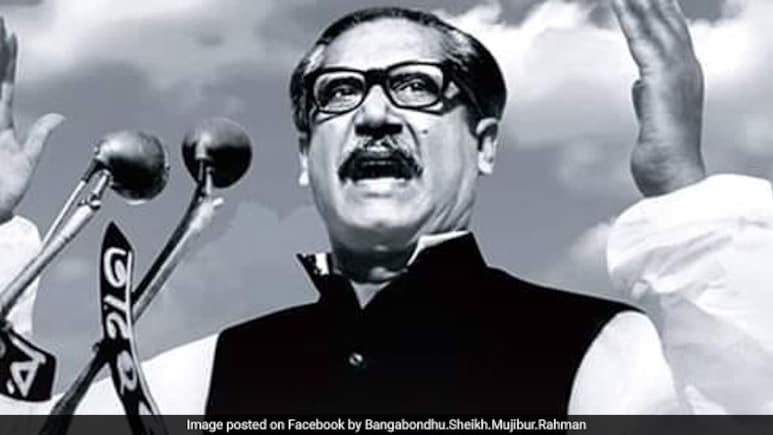
Bangladesh was barely four years old when Sheikh Mujibur Rahman, the father of the nation, was assassinated on August 15, 1975. It marked a defining moment in the newly independent country's political history and set off decades of instability, military intervention, and power struggles.
Assassination And Immediate Power Shift
In the early hours of August 15, 1975, a group of young army officers stormed the residence of Sheikh Mujibur Rahman, Bangladesh's first President, killing him, along with most members of his family. His two daughters, Sheikh Hasina and Sheikh Rehana, survived as they were in Europe at the time.
Read: East Pakistan's First Mutiny: When Ethnic Bengalis Stood Up For Bangla
Following the assassination, the attackers moved swiftly to the radio station and announced Khandakar Moshtaque Ahmed as the new president. Reports suggested that nearly 200 people were killed that day as a nationwide curfew was imposed. The developments cleared the path for Bangladesh's first military coup and signalled a shift in the region's political landscape. It triggered years of instability and military involvement in governance.
Beginning Of Military Dominance
Sheikh Mujibur Rahman's assassination marked the beginning of a long period of military dominance in Bangladesh's political system, characterised by coups, counter-coups and shifting alliances within the armed forces.
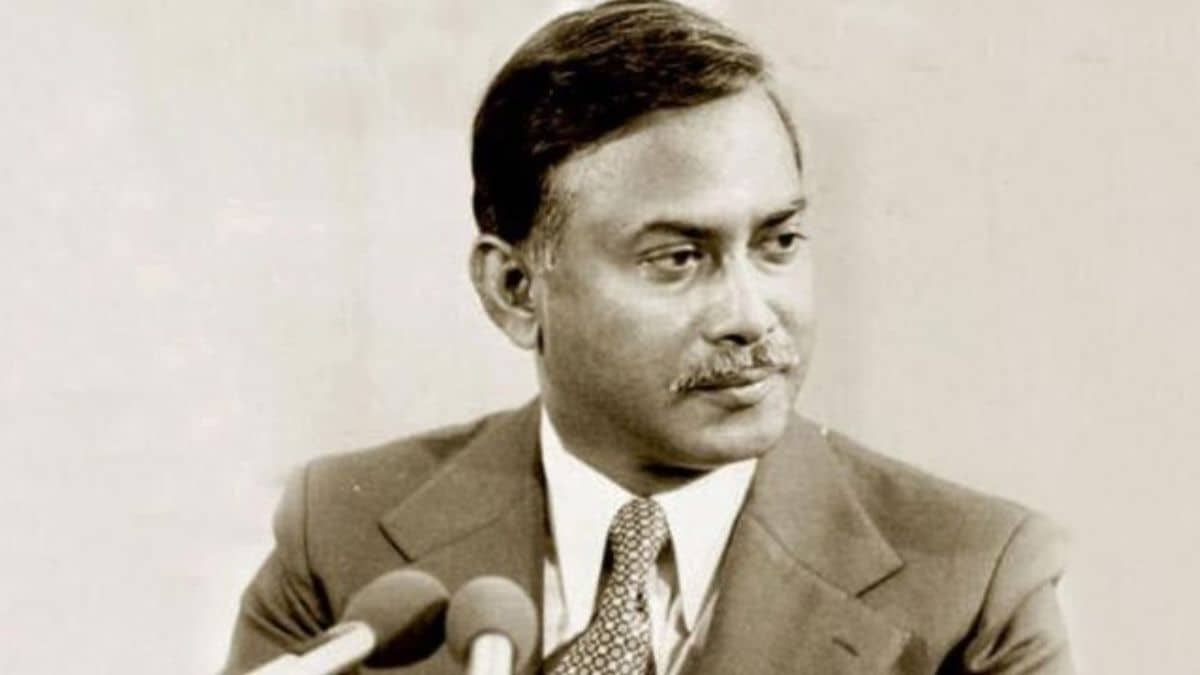
New political arrangements emerged. Khondaker Mostaq Ahmed became president, while senior military officers gained prominence in governance. Among them was Ziaur Rahman, who rose to political prominence after the coup and was later appointed chief of army staff. Over time, he consolidated authority and eventually assumed the presidency.
Legal Measures And The Indemnity Act
The post-assassination political landscape was also shaped by controversial legal and constitutional measures. Following Sheikh Mujibur Rahman's assassination, the Indemnity Act was implemented in the country. According to reports, it “marked the darkest law passed in the history of Bangladesh and one of the worst pieces of legislation in the history of the world.”
Read: Bangladesh's Bengali Cultural Institutions Targeted, Pattern Points To Pak
Successive post-coup military governments reportedly rewarded the killers with diplomatic postings, and several were later allowed to form a political party and contest elections in the 1980s. For many years, the Indemnity Act prevented the prosecution of the killers.
Continued Military Interventions
In the years that followed, Bangladesh saw repeated political upheavals, including further coups and violent power struggles.
In 1981, Ziaur Rahman was assassinated by rebels who stormed a government guest house in Chittagong where he was staying. The violence was believed to have been carried out by a small group of army officers.
In 1982, Rahman's successor, Abdus Sattar, was removed in a bloodless military coup led by Hussein Muhammad Ershad, who became chief martial law administrator and later assumed the presidency.
In 2007, the army chief staged a military coup and backed a caretaker government that ruled the country for two years until Hasina took power in 2009. The same year, revolting paramilitary forces, unhappy with wages and living conditions, killed more than 70 people in Dhaka, most of them army officers.
In 2012, the Bangladesh army said it foiled a coup attempt by retired and serving officers driven by a campaign to introduce Sharia, or Islamic law, across the country.
In 2024, Bangladesh's Army Chief General Waker-Uz-Zaman said Hasina had resigned following violent anti-quota protests and that an interim government would be formed to lead the country.
Track Latest News Live on NDTV.com and get news updates from India and around the world


