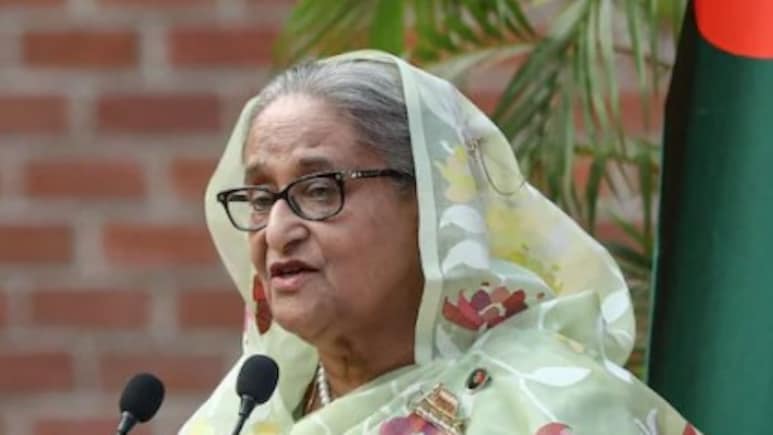
Bangladesh is set to vote in its general elections on February 12, its first since the ouster of the former Prime Minister Sheikh Hasina-led Awami League government. The country is now run by an interim government led by Nobel laureate Muhammad Yunus. The main parties in the race this time are the Bangladesh Nationalist Party (BNP) and Jamaat-e-Islami (JIB).
The Awami League, long close to India, was blamed for the crackdown on student protests in 2024. Hasina, now in India, was sentenced to death in absentia by Bangladesh's International Crimes Tribunal. India has not extradited her.
Here's a look at the Awami League, its history, rise and ban.
Origins And Early Struggles
The Awami League is one of Bangladesh's oldest political parties, originally established as the East Pakistan Awami Muslim League on June 23, 1949, in Dhaka. It represented a secular and progressive voice for the Bengali population of then East Pakistan. Sheikh Mujibur Rahman, a young student activist at the time, became one of its central figures.
1970 Elections
In the 1970 general elections, the Awami League swept East Pakistan, winning 160 out of 162 seats. West Pakistan's refusal to hand over power led to political unrest and a military crackdown known as Operation Searchlight.
On March 26, 1971, Bangladesh declared independence, launching a liberation struggle led by the Awami League. Sheikh Mujibur Rahman was arrested by Pakistani forces, while the Awami League-led Mukti Bahini, backed by India, fought a nine-month war. Bangladesh achieved independence on December 16, 1971, with Rahman hailed as the nation's founding father.
Assassination And Political Challenges
The early years of independent Bangladesh were full of challenges. Mujibur Rahman's government grappled with post-war reconstruction, famine and discontent. In 1975, after introducing one-party rule, Rahman and most of his family were assassinated in a military coup. The Awami League remained marginalised during the regimes of Ziaur Rahman and Hussain Muhammad Ershad.
Sheikh Hasina At The Helm
In 1981, Sheikh Hasina, Mujibur Rahman's daughter, returned from exile and took control of the Awami League. Through the 1980s, she rebuilt the party, forming alliances with student groups, civil society and pro-democracy movements.
The party was instrumental in ending Ershad's dictatorship in 1990. After 21 years in opposition, the Awami League returned to power in 1996, with Hasina as Prime Minister.
Consolidation Of Power
Following electoral losses in 2001, the party accused the BNP-Jamaat alliance of political repression. During the 2007 military-backed caretaker government, both Hasina and BNP leader Khaleda Zia were arrested on corruption charges. From 2009 onwards, Hasina ruled Bangladesh for 15 years, becoming the country's longest-serving prime minister. Her tenure was marked by infrastructure growth and economic development but also allegations of authoritarianism.
Student Protests And Ban
In July-August 2024, student protests erupted over fuel price hikes, youth unemployment and corruption. The UN reported that over 1,400 protesters died during crackdowns ordered by the Hasina administration. The mass unrest led to Hasina's resignation on August 5, 2024, followed by her departure from Bangladesh. By September, a caretaker administration led by Yunus was installed.
In May 2025, Bangladesh's interim government banned all activities of the Awami League under the Anti-Terrorism Act. The decision also led to the suspension of the party's registration with the Election Commission.
Track Latest News Live on NDTV.com and get news updates from India and around the world


