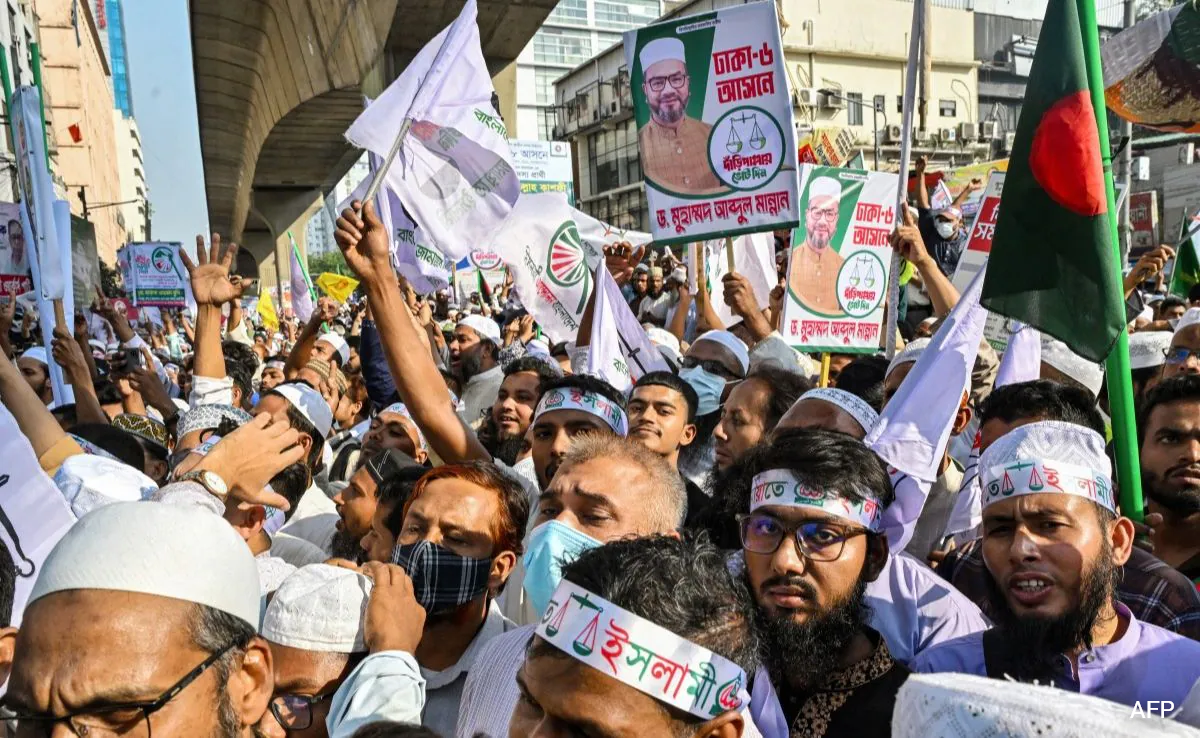
- US diplomats signal openness to engage with radical Jamaat-e-Islami party
- Jamaat-e-Islami was banned for war crimes trials under Hasina's government
- Jamaat-e-Islami is poised for its biggest electoral success in the upcoming polls
Over a year-and-a-half after anti-government protests forced Sheikh Hasina, the former prime minister of Bangladesh, to resign and flee the country, it's finally election time there. Hasina's party, the Awami League, is banned from contesting the February polls. With the Jamaat-e-Islami expected to get its biggest-ever win, the US is stepping up engagement with Bangladesh's largest Islamist party.
The US diplomats have signalled that they are open to working with the organisation, which has also been banned multiple times in Bangladesh's history, most recently under Sheikh Hasina, The Washington Post reported.
In a closed-door meeting with female Bangladeshi journalists on December 1, a Dhaka-based US diplomat said the country has “shifted Islamic”. He predicted Jamaat-e-Islami would “do better than it's ever done before” in the February 12 election, as per the audio recordings accessed by the American daily. “We want them to be our friends,” the diplomat said, asking the reporters in the room if they would be willing to bring members of the party's student wing on their programs.
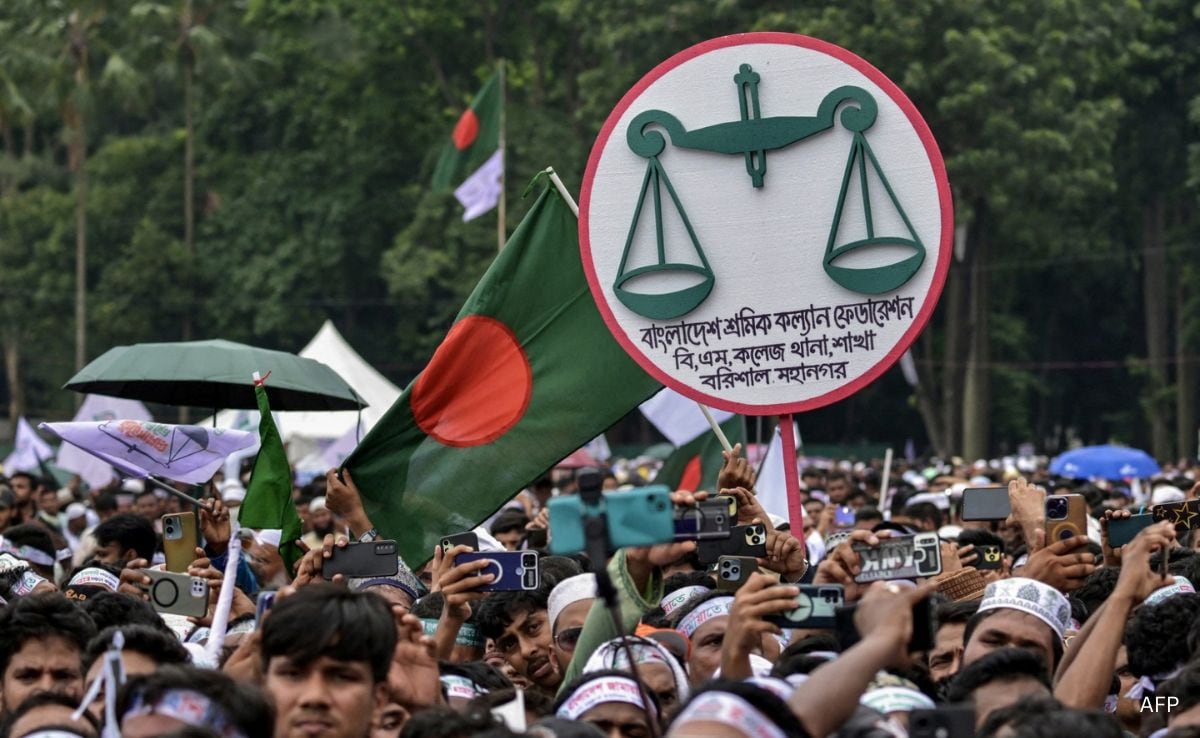
Jamaat-e-Islami party leaders and activists hold their election symbol
The diplomat also downplayed worries that the Jamaat-e-Islami would impose a strict interpretation of Islamic law in Bangladesh, claiming that the US “would have 100 percent tariffs put on them the next day” if such a move took place.
In a statement to The Post, Monica Shie, the spokesperson for the US Embassy in Dhaka, said that the conversation was “a routine gathering, off-the-record discussion” where “numerous political parties were discussed”, adding that “the United States does not favor one political party over another and plans to work with whichever government is elected by the Bangladeshi people.”
Read: 'Not Dilli, Not Pindi': Tarique Rahman Begins Campaigning With 'Bangladesh First Agenda
The Jamaat-e-Islami
The radical hardline party was founded by Islamist thinker Syed Abul Ala Maududi in 1941. It opposed Bangladesh's independence from Pakistan, arguing that it would shift the regional balance in South Asia, Al-Jazeera reported. During the 1971 war, senior Jamaat figures sided with the Pakistani state and even established paramilitary groups that killed thousands of civilians fighting for an independent Bangladesh.
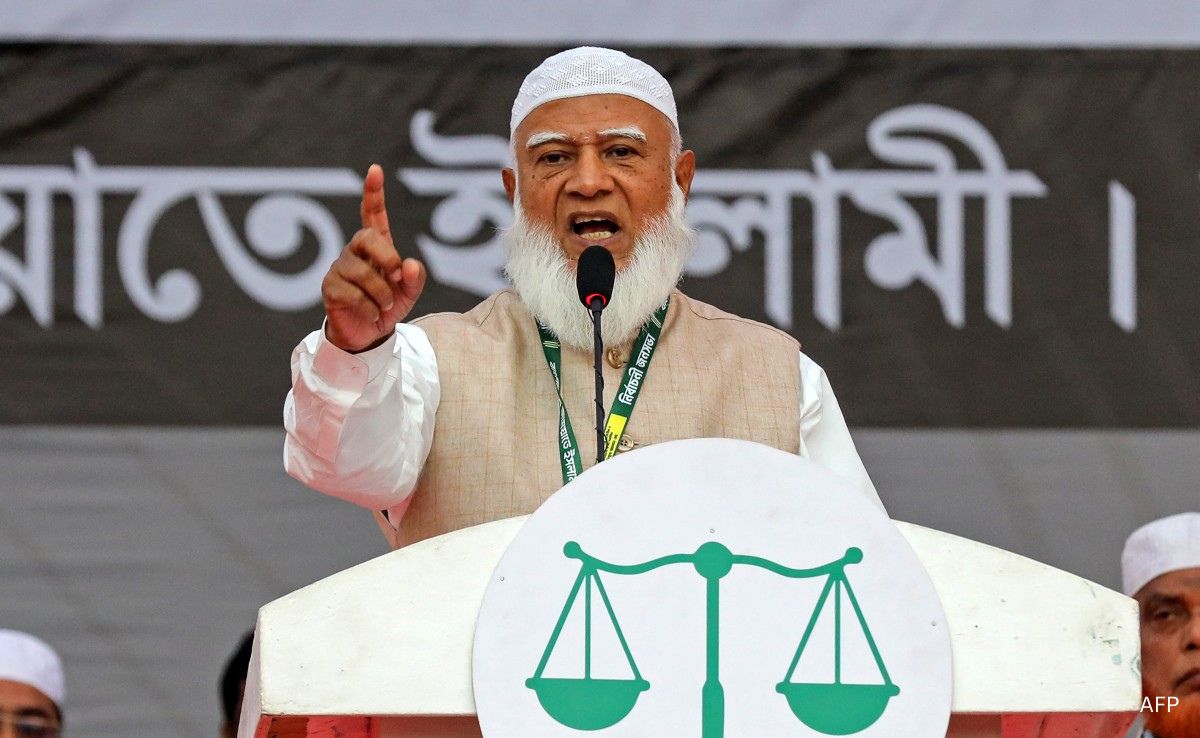
Bangladesh's Jamaat-e-Islami leader Shafiqur Rahman addresses his supporters
When Sheikh Hasina returned to power in 2009, she ordered war-crimes trials against senior Jamaat leaders at the International Crimes Tribunal and banned the party. A crackdown left the party politically marginalised.
The ban on the party was lifted after Sheikh Hasina was toppled by student protesters in 2024. Since then, led by chief Shafiqur Rahman, Secretary-General Mia Golam Porwar, and deputy chief Syed Abdullah Mohammed Taher, the Jamaat-e-Islami has consolidated itself into a major political force.
The Jamaat has traditionally advocated for governance via sharia law and reducing work hours for women to aid them in fulfilling “their duties toward their children.”
Read: As Bangladesh Readies For Polls, Worry Among Sheikh Hasina Supporters
In recent years, the party has tried to soften its public image and broaden its support base, citing corruption as its main talking point.
Recently, the party tied up with the National Citizen Party, a political outfit formed by students who spearheaded last year's uprising. Some members of the NCP opposed the alliance.
Since Hasina's ouster in 2024, the Jamaat-e-Islami has held several meetings with US officials. The party's leader, Mohammad Rahman, also met virtually with US Trade Representative (USTR) Jamieson Greer in January.
Concerns In India
The meeting is unlikely to quell anxieties in New Delhi, which labelled Jamaat-e-Islami's chapter in Kashmir an “unlawful group” in 2019 and renewed the designation in 2024.
Thomas Kean of the International Crisis Group told Al-Jazeera that a Jamaat-led government would face greater difficulty in resetting relations with India than a state headed by the BNP as Dhaka–New Delhi ties remain strained after Sheikh Hasina's ouster.
“India is looking for a reset after the election, but that will be more challenging with Jamaat in power than the BNP. Domestic politics in both countries would make it very difficult for Jamaat and the BJP to work together,” Kean explained.
The outreach to Jamaat could also drive a wedge in India-US ties, which are already at a low following US tariffs on many Indian products, disagreements over New Delhi's recent conflict with Islamabad, and purchases of Russian oil.
Bangladesh Elections 2026
The February 12 election will be a contest between the Bangladesh Nationalist Party (BNP) and an alliance led by the Jamaat-e-Islami, its one-time coalition partner. The Jamaat has said that it is open to working with the BNP.
Track Latest News Live on NDTV.com and get news updates from India and around the world


