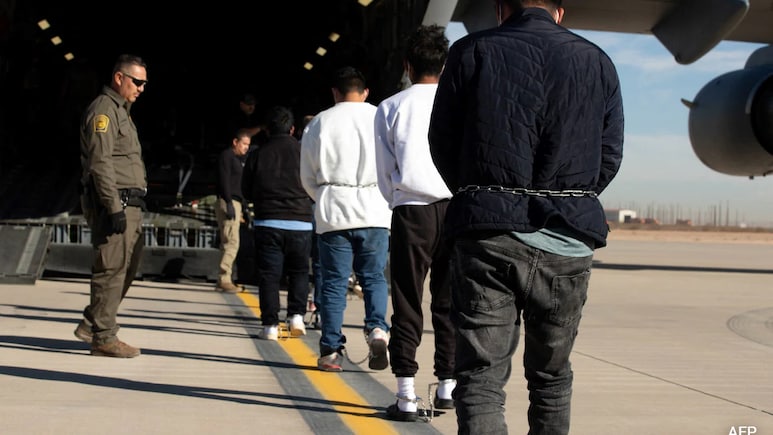
At least 27 per cent of immigrants in the United States have avoided travelling within the country or abroad to stay away from immigration authorities, a nationwide survey has found. This includes undocumented migrants, with lawfully present immigrants and even naturalised US citizens curbing travel. This comes in the wake of the Donald Trump administration's intensified immigration enforcement.
According to the 2025 Survey of Immigrants, conducted by the Kaiser Family Foundation (KFF) in partnership with The New York Times, nearly three in 10 immigrants changed their travel plans to avoid attention from immigration officials.
Fear was highest among undocumented immigrants, with 63 per cent saying they avoided both domestic and international travel. Caution was also common among legal residents: 32 per cent of H-1B visa holders said they avoided travel, while 15 per cent of naturalised citizens reported the same.
This comes during the US holiday season, usually the busiest travel period of the year, from Halloween to New Year's Eve. Thanksgiving, Christmas, and New Year typically see heavy road and air traffic across the country. This year, many immigrants chose not to travel, worried about increased checks and scrutiny.
The survey points to one main reason for this behaviour: immigrants want to keep a low profile. Concerns grew after reports that the Transportation Security Administration (TSA) began sharing domestic travel data, including passenger lists, with Immigration and Customs Enforcement (ICE).
Immigration authorities have largely stayed away from domestic flight data in the past. The survey describes this as part of a wider effort by the Trump administration to increase data-sharing across federal agencies to help identify, detain, and deport immigrants who may be in the US unlawfully.
H-1B visa holders appear especially affected. In July, the US State Department ended remote and third-country renewals for H-1B and H-4 visas, forcing applicants to return to their home countries. In September, US President Donald Trump signed an executive order that added a $100,000 fee for new H-1B applications. In early December, the administration expanded social media screening and began reviewing applicants' online activity.
These changes overwhelmed US consulates and embassies, especially in India. Many missions rescheduled interviews in large numbers. Some applicants with interviews set for December 2025 saw them pushed back to October 2026, while one case was reportedly delayed until 2027. Hundreds of professionals got stuck in their home countries after travelling for interviews, unable to return to their jobs and families in the US.
Despite these fears, the survey found that most immigrants would still choose to move to the United States if they could go back in time. Many worry about enforcement actions, but they continue to see the US as a place of opportunity.
The nationally representative survey included 1,805 immigrant adults living in the US.
Track Latest News Live on NDTV.com and get news updates from India and around the world


