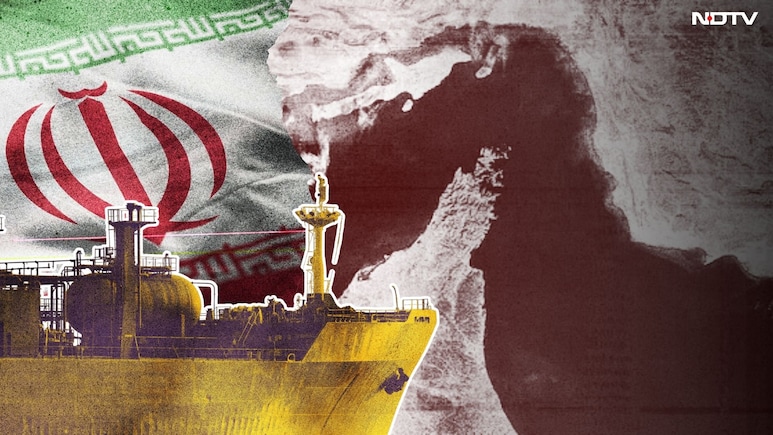
Despite a US military blockade, at least two ships have passed through the Strait of Hormuz on Monday, data from a maritime tracking firm Kpler indicated on Tuesday.
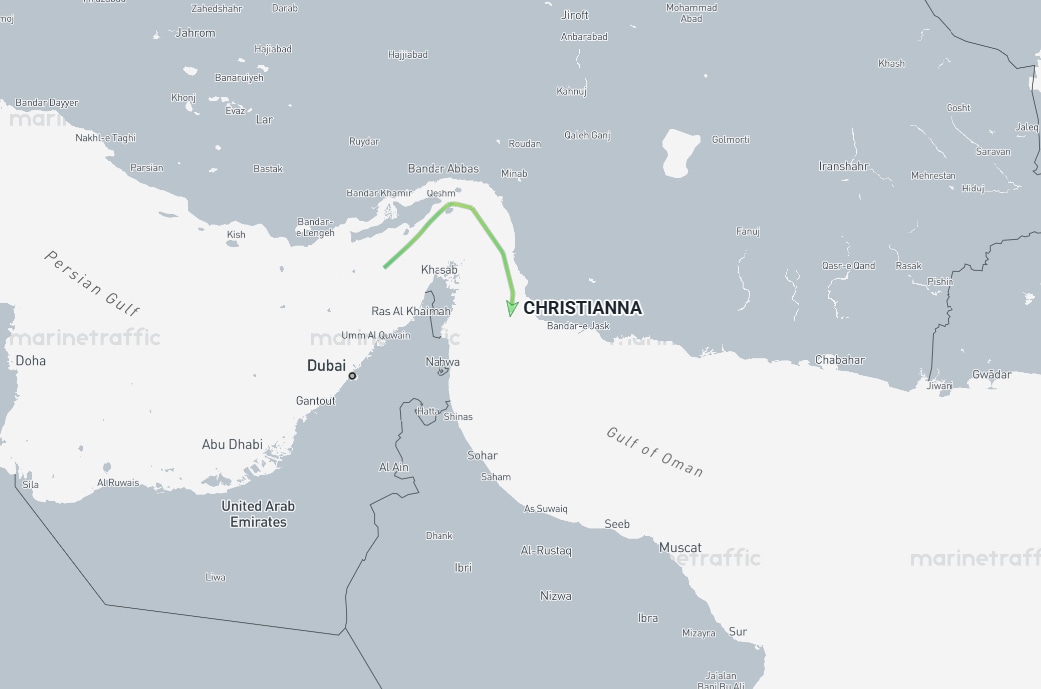
The Liberia-flagged bulk carrier Christianna transited the strategic strait after unloading corn at the Iranian port of Bandar Imam Khomeini and passed Iran's Larak Island around 1600 GMT on Monday, which was two hours after US' blockade came into effect.
A second ship, the Comoros-flagged tanker Elpis, was near Larak Island around 1100 GMT and cleared the strait about 1600 GMT, the data showed. It was carrying 31,000 tonnes of methanol and left the Iranian port of Bushehr on March 31.
The US Central Command had said that the blockade would target "vessels of all nations entering or departing Iranian ports and coastal areas".
A Chinese tanker, the Rich Starry, also crossed the strait overnight from Monday to Tuesday via the Iranian-approved vetting route south of Larak Island.
Kpler said that vessel was carrying 31,500 tonnes of methanol and was bound for Sohar in Oman, according to data from its transponder.
What The US Central Command Said
However, US Central Command in a post on X clarified that no ships had made it past the US blockade in the first 24 hours. It said, "During the first 24 hours, no ships made it past the U.S. blockade and 6 merchant vessels complied with direction from U.S. forces to turn around to re-enter an Iranian port on the Gulf of Oman."
It added that 10,000 US sailors, marines and airmen, along with dozens of warships and aircraft, are executing the mission to blockade ships entering and departing Iranian ports.
US Blockade Of Strait Of Hormuz
US President Donald Trump ordered a blockade of ships entering or leaving Iranian ports and coastal areas in the Gulf Sunday, following the failure of peace talks over the weekend, warning that any Iranian attack boats that challenged the blockade would be destroyed.
The blockade came into force at 1400 GMT Monday, despite the United States and Iran agreeing to a two-week ceasefire days earlier, with mediator Pakistan and Gulf state Qatar continuing calls for it to be respected as diplomatic efforts continue.
"Effective immediately, the United States Navy, the Finest in the World, will begin the process of BLOCKADING any and all Ships trying to enter, or leave, the Strait of Hormuz," Trump wrote in a post on Truth Social.
"At some point, we will reach an 'ALL BEING ALLOWED TO GO IN, ALL BEING ALLOWED TO GO OUT' basis, but Iran has not allowed that to happen."
Enforcing the blockade is likely to demand significant resources from the US Navy and could prompt concerns about military force and international law, experts said.
Supply chain analysts, meanwhile, stress that the restrictions could undermine the flow of oil, fertiliser, food, and other goods to consumers who already face higher prices.
(With inputs from agencies)
Track Latest News Live on NDTV.com and get news updates from India and around the world


