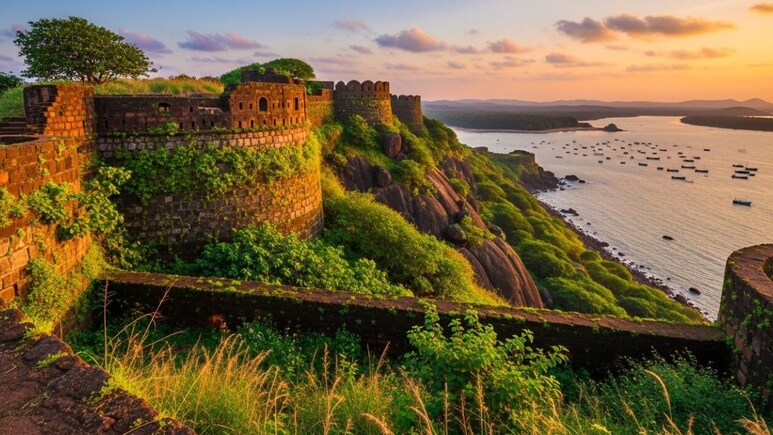
Thanks to Bollywood, many of us discovered places we may never have actively looked for on a map. A song sequence, a quiet conversation, or even a fleeting frame has often turned forgotten corners into travel landmarks. Chapora Fort in North Goa is one such place. Briefly featured in Dil Chahta Hai, the fort slipped into popular imagination as a spot for reflection, friendship and wide-open views. But long before cinema found it, Chapora Fort had already lived several lives shaped by shifting rulers, military ambition and geography. Today, it stands as a ruin that feels unpolished yet deeply atmospheric. If you look beyond the film reference, Chapora Fort reveals stories that make it far more than a photo stop on a Goan holiday.
Also Read: 5 Visa-Free Countries For Indians Where January Is The Best Time To Travel
Here Are 6 Unique Facts About Goa's Chapora Fort You Might Not Know
1. Chapora Fort Was Built For Strategy, Not Grandeur
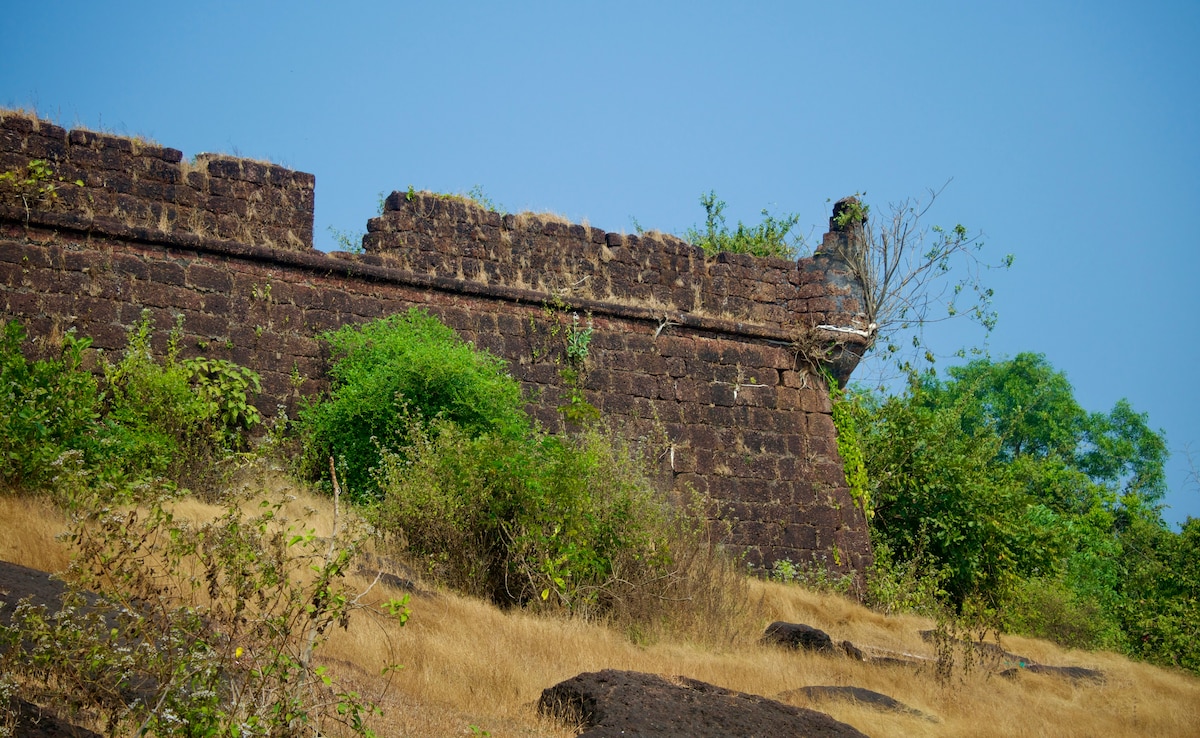
Photo: Unsplash
Chapora Fort was never intended to impress with scale or ornamentation. Built originally by the Bijapur Sultanate and later taken over by the Portuguese in 1617, its location mattered more than its design. Sitting above the Chapora River, the fort allowed rulers to monitor inland movement as well as maritime activity along the coast. The river acted as a natural boundary between territories, making this hilltop a crucial lookout point. Its bare stone walls and open layout reflect a purely defensive purpose rather than royal ambition.
2. The Fort Changed Hands Repeatedly Over Centuries
Few forts in Goa have seen as many power shifts as Chapora. After the Bijapur rulers, the Portuguese took control, only to lose it to the Marathas, and later reclaim it again. Each change brought small structural alterations rather than a complete rebuild. This constant back-and-forth explains why the fort appears fragmented today. Instead of uniform architecture, you see layers of history quietly coexisting, giving Chapora Fort a raw and unfinished character.
3. It Was Never Designed For Long-Term Settlement
Unlike Fort Aguada or Reis Magos, Chapora was not built to house large troops or sustain life for extended periods. There are no elaborate water systems, churches or residential quarters within the fort. It functioned mainly as a watch post and control station. This is why the ruins feel sparse and open today. What visitors experience now is essentially a strategic shell rather than a self-sufficient fort complex. Check out the post by @_citytales to see what Chapora fort looks like.
4. Dil Chahta Hai Permanently Changed Its Identity
Before the early 2000s, Chapora Fort was relatively unknown outside Goa. Dil Chahta Hai gave it an emotional context that history never did. The brief scene shot here transformed the fort into a symbol of friendship and pause, especially for Indian travellers. Over time, the film reference became inseparable from the place itself. Even today, many visitors know it simply as the “Dil Chahta Hai Fort,” proving cinema's lasting influence on travel memory.
5. The Views Offer A Rare Perspective Of North Goa
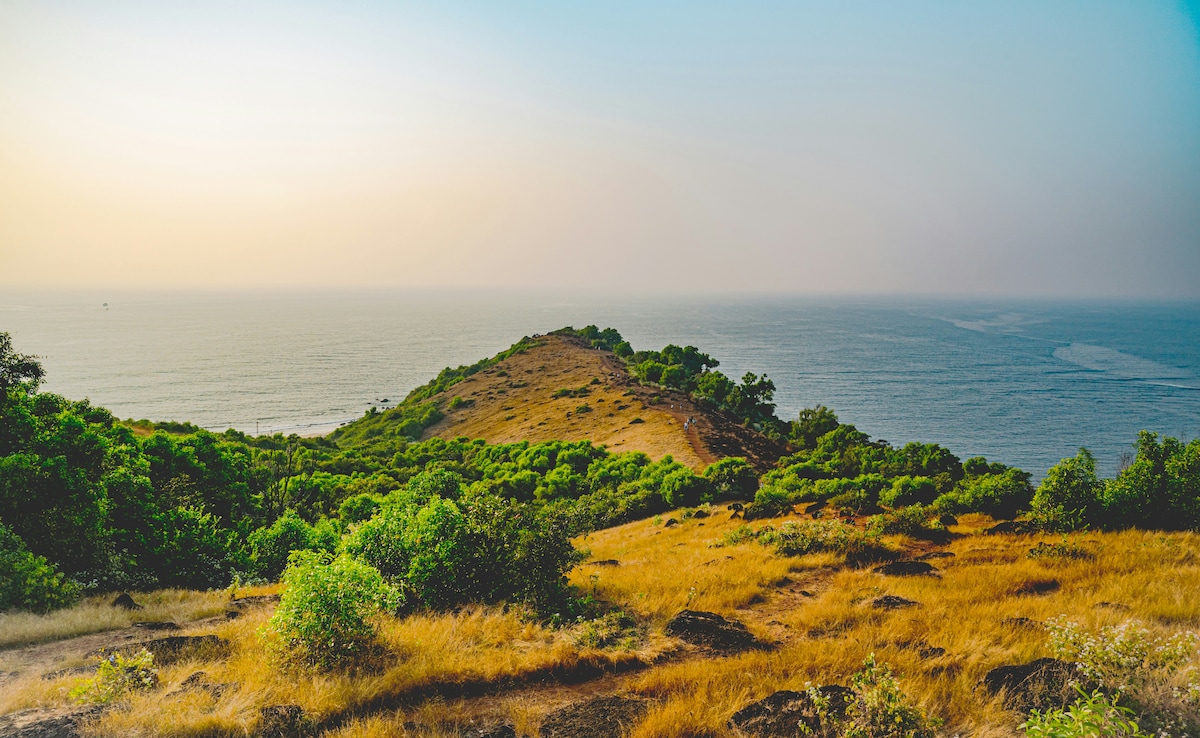
Photo: Unsplash
Chapora Fort stands at a point where land, river and sea meet. From the top, you can see Vagator's dramatic cliffs on one side and the winding Chapora River on the other. Unlike viewpoints that focus only on beaches, this vantage point shows Goa's varied geography in a single sweep. The contrast between quiet inland villages and the open Arabian Sea makes the view feel expansive rather than postcard-pretty.
6. Its Ruined State Is Exactly What Makes It Appealing
Chapora Fort has not been restored or polished for tourism, and that works in its favour. There are no signboards dictating where to stand or what to admire. Visitors are free to wander, sit, and take in the surroundings at their own pace. The absence of structured attractions makes the experience feel personal. For many travellers, this lack of interference is what gives Chapora Fort its lingering charm.
Why Chapora Fort Still Works For Modern Travellers
Chapora Fort suits travellers who prefer pauses over packed itineraries. It works as a short stop rather than a full-day attraction, fitting easily into North Goa plans. Whether you visit for nostalgia, history or views, the fort adapts to different travel moods. Its simplicity is what keeps it relevant in a state known for sensory overload.
Also Read: This Indian Village Has A 1,000-Year-Old Monastery Hanging Off A Cliff. Here's How To Reach There
Best Time To Visit Chapora Fort
If you are planning to visit Chapora Fort, here's what to keep in mind:
- Best months: Plan a trip to visit around October to March. This is when the weather is cooler and clearer
- Best time of day: Early morning for softer light or late afternoon for sunset views
- Avoid midday hours, as the climb and exposed terrain can feel harsh in the heat
How To Reach Chapora Fort
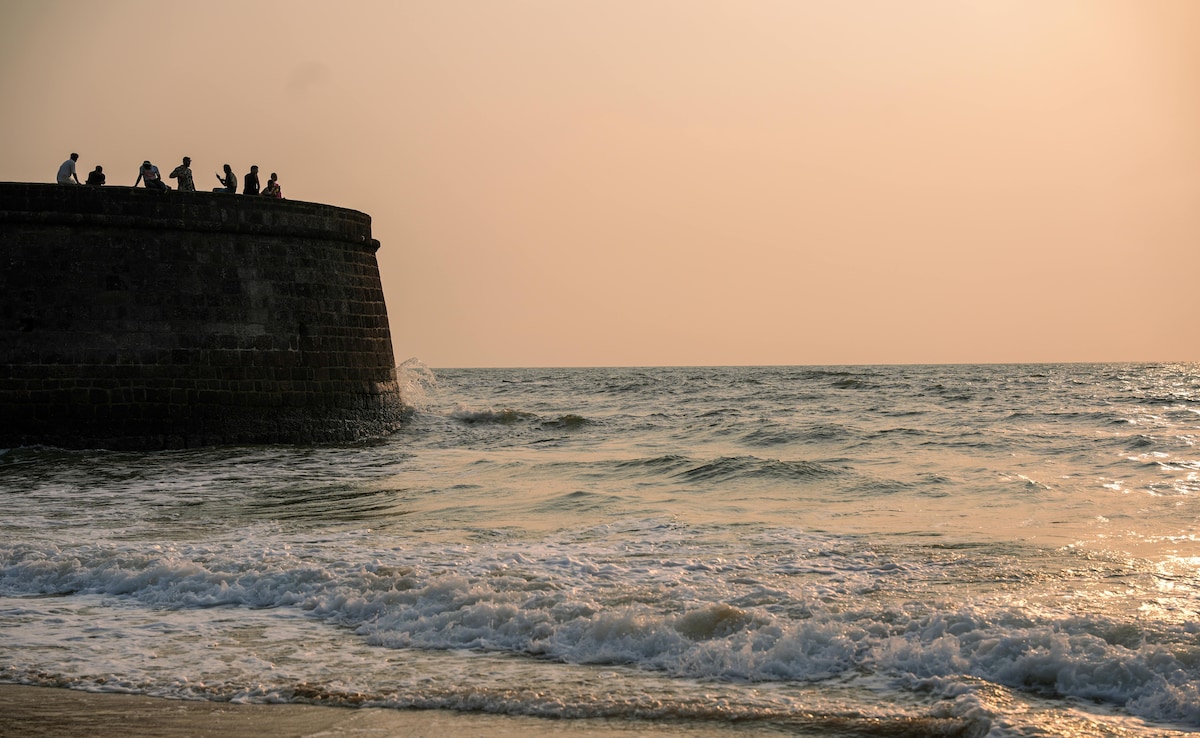
Photo: Pexels
The iconic Chapora Fort is located near Vagator in North Goa. Here's how you can reach it:
- By road: Easily accessible from Panaji and Mapusa by taxi or rented two-wheeler
- Nearest railway station: Thivim Railway Station, around 20 km away
- Nearest airport: Manohar International Airport, Mopa, approximately 30 km away
A short uphill walk from the parking area leads to the fort.
Things To Do Around Chapora Fort
You don't need to linger long at the fort itself, but the surrounding area offers plenty to explore:
• Walk down to Vagator Beach for a quieter coastal break
• Explore Ozran Beach nearby for sunset views
• Visit local cafés around Vagator for slow meals
• Combine the visit with Anjuna or Morjim for a relaxed North Goa circuit
So, the next time you visit Goa, make sure to pay a visit to this hidden gem, glamourised by Bollywood!
Track Latest News Live on NDTV.com and get news updates from India and around the world


