



Space Telescope Nasa
-
{
- All
- News
- Web Stories
-

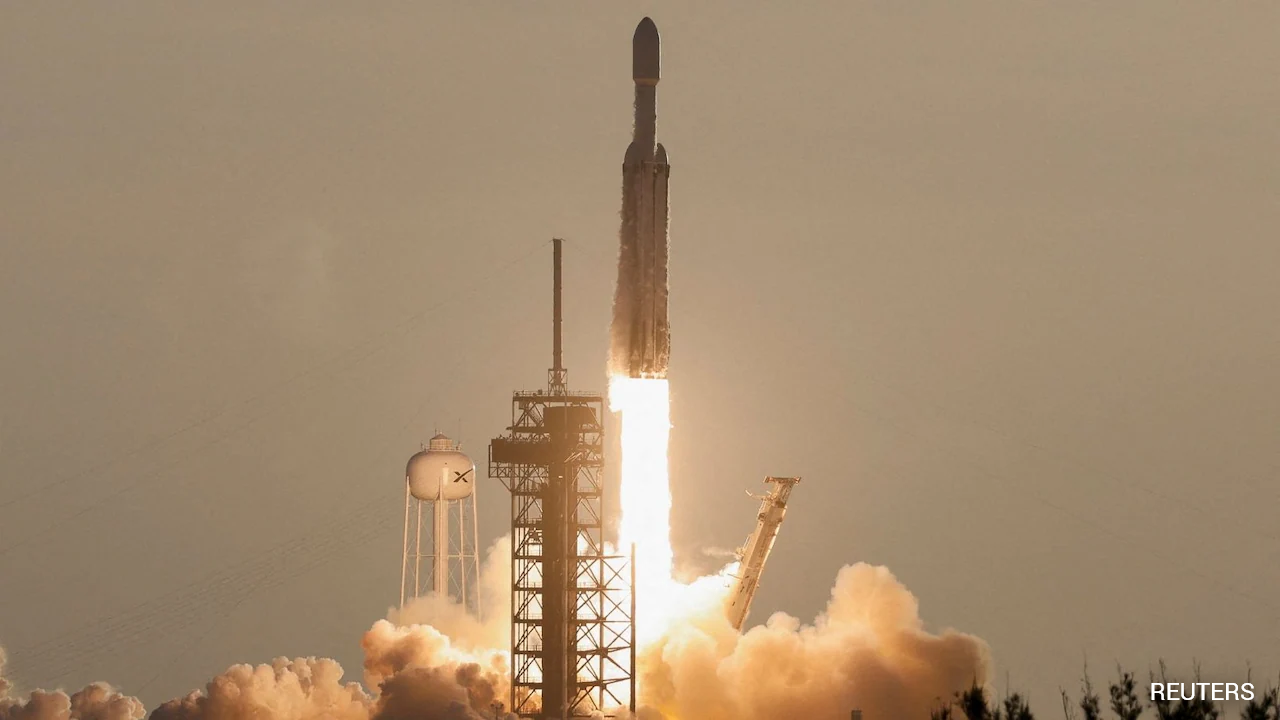
NASA Launches $4 Billion Telescope Into Space To Study Cosmic Enigmas
The Nancy Grace Roman Space Telescope will build on the capabilities of other orbiting observatories such as the James Webb Space Telescope, launched in 2021, and the Hubble Space Telescope, launched in 1990.
-
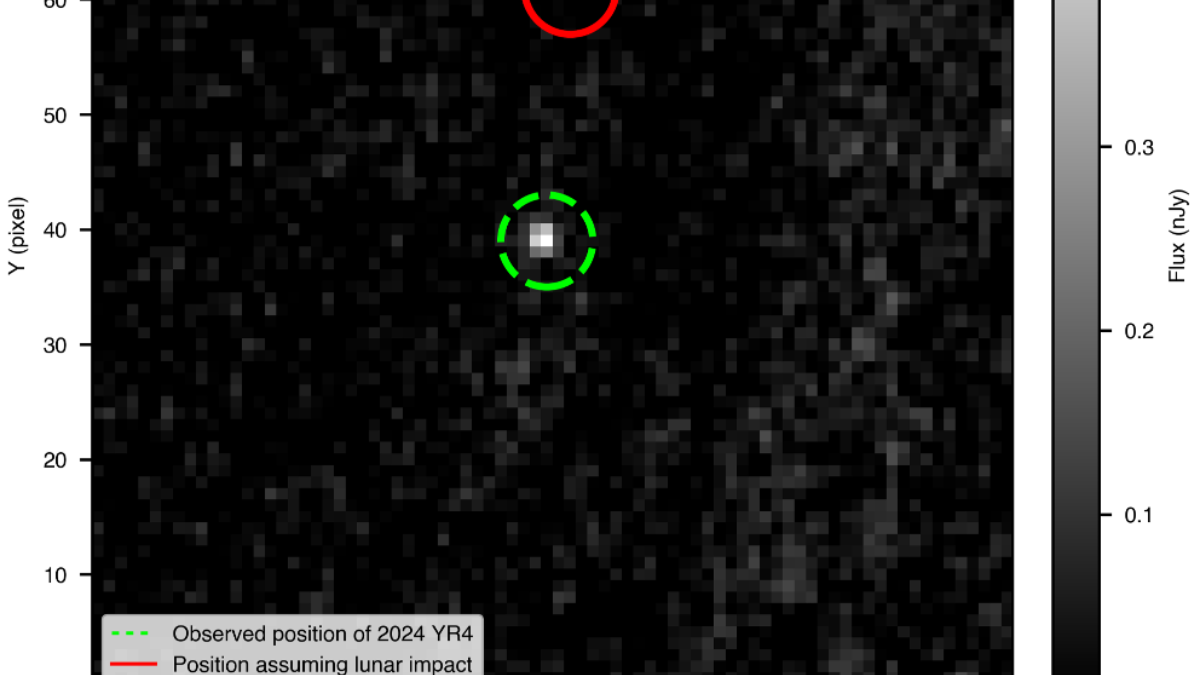
NASA’s Webb Telescope Confirms Asteroid 2024 YR4 Will Safely Pass the Moon in 2032
Infrared observations from the James Webb Space Telescope refined the orbit of asteroid 2024 YR4, confirming it will safely pass about 21,200 km above the Moon in December 2032. The new data eliminates earlier estimates that suggested a small chance of a lunar impact.
-
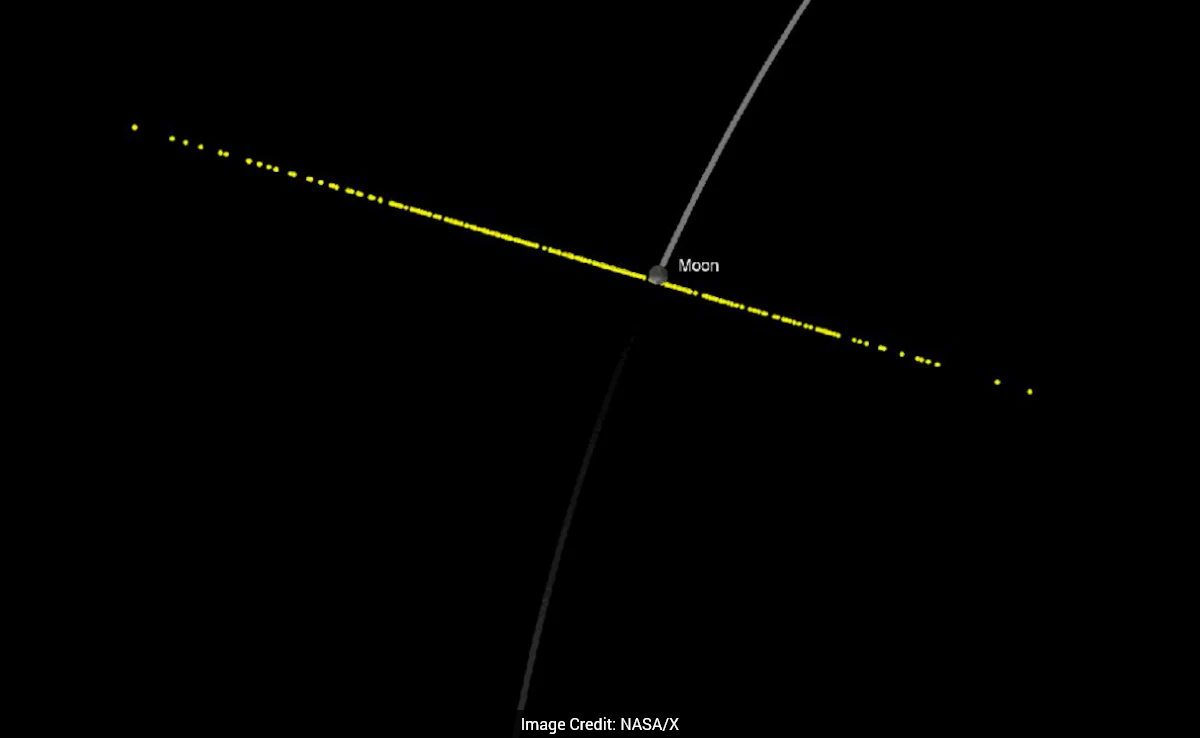
Asteroid 2024 YR4 Won't Collide With Moon In 2032: NASA
Asteroid 2024 YR4 was discovered in late 2024 by the Asteroid Terrestrial-impact Last Alert System station in Chile, a NASA-funded project.
-
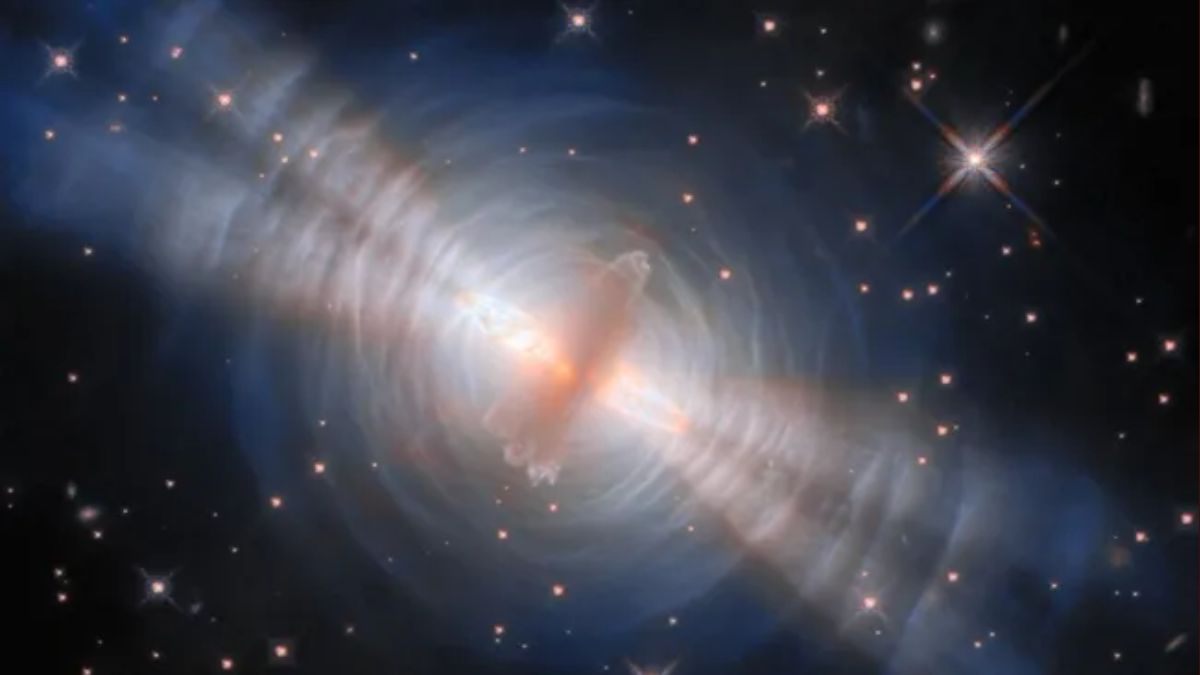
Hubble Reveals Dramatic Final Moments of a Sun-Like Star in the Egg Nebula
NASA’s Hubble Space Telescope has released a striking new image of the Egg Nebula, capturing a Sun-like star in its brief pre-planetary phase. Twin beams of light pierce glowing shells of dust and gas, offering astronomers a rare close-up view of stellar death about 1,000 light-years from Earth.
-
NASA Shares How It Transforms Life Cycle Of Stars Into Music
The process of sonification allows the listener to experience the data through the sense of hearing.
-
The Most Exciting Exoplanet Discoveries of 2025: Know the Strange Worlds Scientists Have Found
Astronomers marked a milestone year as confirmed exoplanets surpassed 6,000 in 2025. Discoveries ranged from planets orbiting two suns to worlds losing their atmospheres or forming in real time. The findings reshaped ideas about how planets form, survive, and evolve across the Milky Way.
-
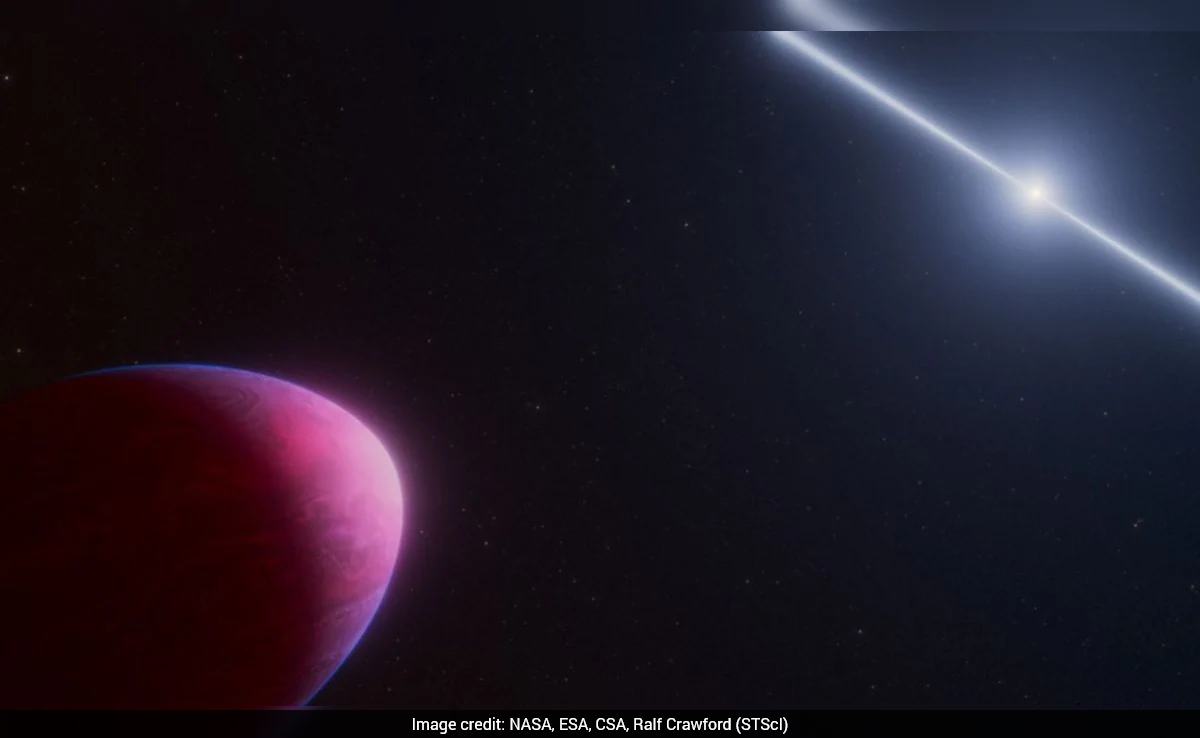
NASA Uncovers Mysterious Exoplanet Where Carbon Clouds Can Form Diamonds
The distant planet appears to be in the shape of a lemon as the pulsar's intense gravity stretches the planet.
-
James Webb Space Telescope Spots Rare Protostar Blasting Twin Jets Across Milky Way
NASA’s James Webb Space Telescope has captured a rare protostar about ten times the Sun’s mass blasting twin jets nearly eight light-years long. The beams carve through the glowing Sharpless 2-284 nebula, offering astronomers a vivid glimpse into how massive stars form and shape their galactic environment.
-
NASA Hubble Space Telescope Uncovers One of the Youngest Known Blue Straggler–White Dwarf Systems
Italian astronomers using the Hubble Space Telescope have discovered a white dwarf orbiting a blue straggler star in the globular cluster 47 Tucanae, located 15,300 light-years away. The rare system, among the youngest detected, sheds light on stellar mass transfer and offers vital clues to the evolution of binary stars in dense clusters.
-
NASA Detects Strange Gamma-Ray Burst That Defies 50 Years of Expectations
Astronomers have spotted GRB 250702B, a gamma-ray burst that erupted several times over two days—something never seen before. Detected by NASA’s Fermi and China’s Einstein Probe, the event defies current models of collapsing stars or black holes, hinting at an entirely new cosmic phenomenon.
-
Largest Sample Of Galaxies Up To Over 12 Billion Light Years Away Observed
The largest sample of galaxy groups ever detected has been presented by a team of international astronomers using data from the James Webb Space Telescope.
-
NASA’s James Webb Space Telescope Reveals the Complex Structure of a Planetary Nebula
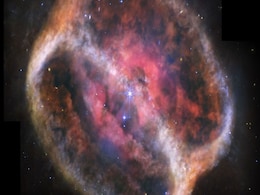
NASA's James Webb Space Telescope has unveiled the complex character of NGC 1514, a planetary nebula developing over at least 4,000 years. Only seen in infrared light, the nebula's rings now resemble "fuzzy" clusters set in twisted patterns. A network of sharper holes near the centre stars indicates where faster material punched through.
-
Hubble’s Detailed Andromeda Galaxy Mosaic Sheds Light on Its Past and Evolution
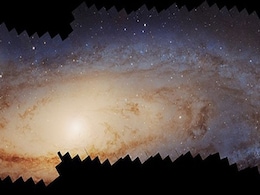
NASA’s Hubble Space Telescope has produced a massive photomosaic of the Andromeda galaxy, revealing more than 200 million stars. The study offers fresh insights into Andromeda’s evolutionary history, which includes mergers with smaller galaxies. This breakthrough provides a clearer picture of the galaxy's structure and the processes that shaped...
-
James Webb Telescope Discovers Jupiter-Sized 'Fluffy' Planet Where Sand Falls As Rain
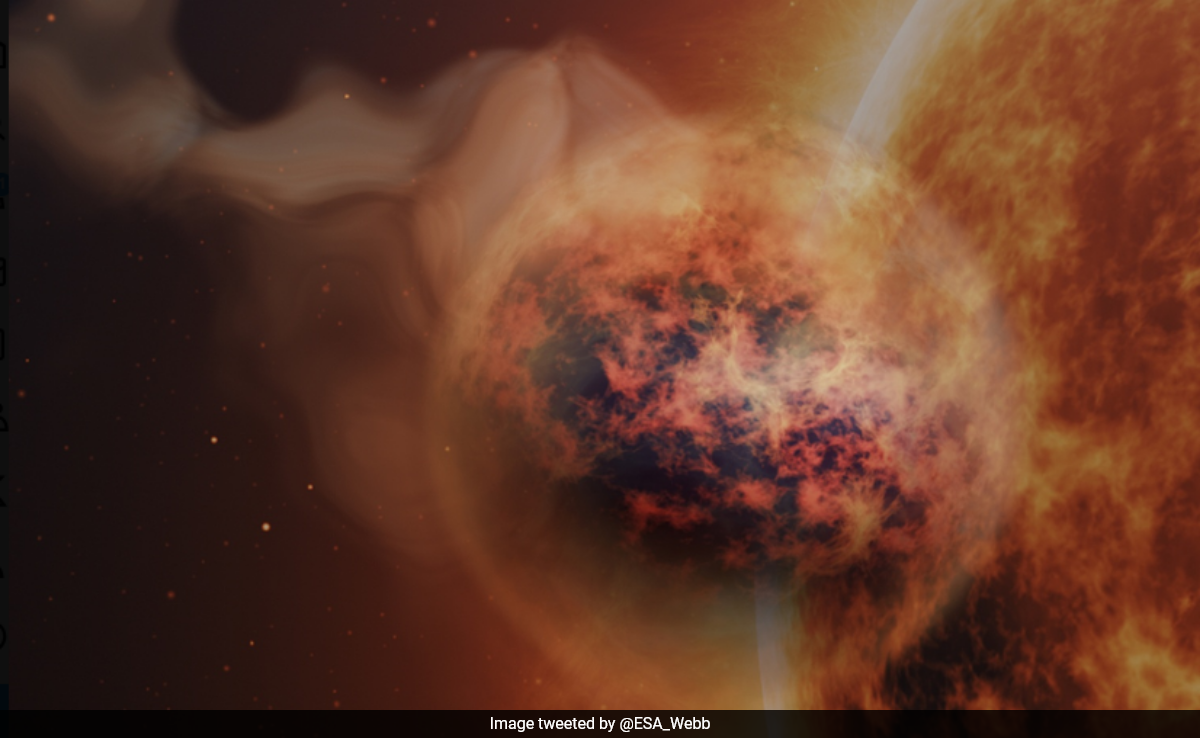
This planet's atmosphere functions similarly to Earth's water cycle, but with sand instead of water.
-
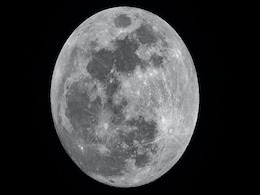
'Hypertelescope': Scientists Share New Concept To Giant Telescope On Moon
However, these ideas remain in their infancy, researchers said in the study. A common challenge is the technical requirements needed for construction.



-
NASA Launches $4 Billion Telescope Into Space To Study Cosmic Enigmas
The Nancy Grace Roman Space Telescope will build on the capabilities of other orbiting observatories such as the James Webb Space Telescope, launched in 2021, and the Hubble Space Telescope, launched in 1990.
-
NASA’s Webb Telescope Confirms Asteroid 2024 YR4 Will Safely Pass the Moon in 2032
Infrared observations from the James Webb Space Telescope refined the orbit of asteroid 2024 YR4, confirming it will safely pass about 21,200 km above the Moon in December 2032. The new data eliminates earlier estimates that suggested a small chance of a lunar impact.
-
Asteroid 2024 YR4 Won't Collide With Moon In 2032: NASA
Asteroid 2024 YR4 was discovered in late 2024 by the Asteroid Terrestrial-impact Last Alert System station in Chile, a NASA-funded project.
-
Hubble Reveals Dramatic Final Moments of a Sun-Like Star in the Egg Nebula
NASA’s Hubble Space Telescope has released a striking new image of the Egg Nebula, capturing a Sun-like star in its brief pre-planetary phase. Twin beams of light pierce glowing shells of dust and gas, offering astronomers a rare close-up view of stellar death about 1,000 light-years from Earth.
-
NASA Shares How It Transforms Life Cycle Of Stars Into Music
The process of sonification allows the listener to experience the data through the sense of hearing.
-
The Most Exciting Exoplanet Discoveries of 2025: Know the Strange Worlds Scientists Have Found
Astronomers marked a milestone year as confirmed exoplanets surpassed 6,000 in 2025. Discoveries ranged from planets orbiting two suns to worlds losing their atmospheres or forming in real time. The findings reshaped ideas about how planets form, survive, and evolve across the Milky Way.
-
NASA Uncovers Mysterious Exoplanet Where Carbon Clouds Can Form Diamonds
The distant planet appears to be in the shape of a lemon as the pulsar's intense gravity stretches the planet.
-
James Webb Space Telescope Spots Rare Protostar Blasting Twin Jets Across Milky Way
NASA’s James Webb Space Telescope has captured a rare protostar about ten times the Sun’s mass blasting twin jets nearly eight light-years long. The beams carve through the glowing Sharpless 2-284 nebula, offering astronomers a vivid glimpse into how massive stars form and shape their galactic environment.
-
NASA Hubble Space Telescope Uncovers One of the Youngest Known Blue Straggler–White Dwarf Systems
Italian astronomers using the Hubble Space Telescope have discovered a white dwarf orbiting a blue straggler star in the globular cluster 47 Tucanae, located 15,300 light-years away. The rare system, among the youngest detected, sheds light on stellar mass transfer and offers vital clues to the evolution of binary stars in dense clusters.
-
NASA Detects Strange Gamma-Ray Burst That Defies 50 Years of Expectations
Astronomers have spotted GRB 250702B, a gamma-ray burst that erupted several times over two days—something never seen before. Detected by NASA’s Fermi and China’s Einstein Probe, the event defies current models of collapsing stars or black holes, hinting at an entirely new cosmic phenomenon.
-
Largest Sample Of Galaxies Up To Over 12 Billion Light Years Away Observed
The largest sample of galaxy groups ever detected has been presented by a team of international astronomers using data from the James Webb Space Telescope.
-
NASA’s James Webb Space Telescope Reveals the Complex Structure of a Planetary Nebula
NASA's James Webb Space Telescope has unveiled the complex character of NGC 1514, a planetary nebula developing over at least 4,000 years. Only seen in infrared light, the nebula's rings now resemble "fuzzy" clusters set in twisted patterns. A network of sharper holes near the centre stars indicates where faster material punched through.
-
Hubble’s Detailed Andromeda Galaxy Mosaic Sheds Light on Its Past and Evolution
NASA’s Hubble Space Telescope has produced a massive photomosaic of the Andromeda galaxy, revealing more than 200 million stars. The study offers fresh insights into Andromeda’s evolutionary history, which includes mergers with smaller galaxies. This breakthrough provides a clearer picture of the galaxy's structure and the processes that shaped...
-
James Webb Telescope Discovers Jupiter-Sized 'Fluffy' Planet Where Sand Falls As Rain
This planet's atmosphere functions similarly to Earth's water cycle, but with sand instead of water.
-
'Hypertelescope': Scientists Share New Concept To Giant Telescope On Moon
However, these ideas remain in their infancy, researchers said in the study. A common challenge is the technical requirements needed for construction.

