



Space Study
-
{
- All
- News
-

First Human X-Rays Captured In Space Mark Major Breakthrough For Astronaut Health
Following their return, three independent radiologists evaluated the in-flight images against identical scans taken before and after the mission.
-
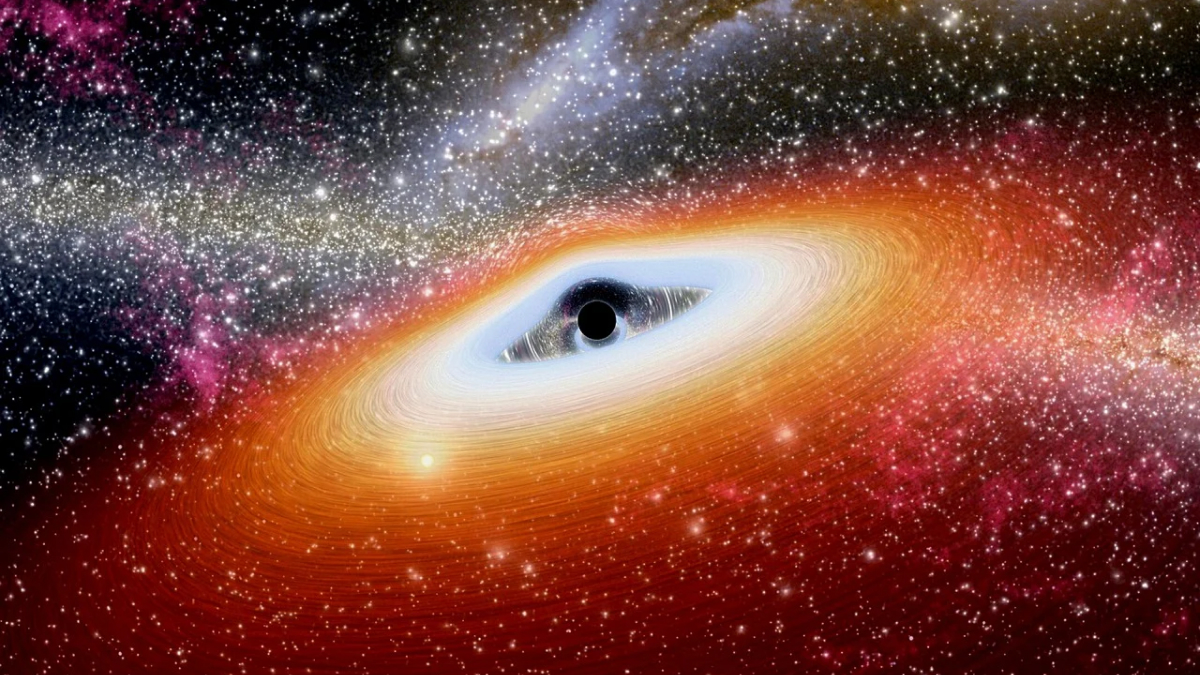
Hypothetical ‘Dark Stars’ Could Rewrite Early Cosmic History, Research Suggests
Hypothetical dark stars could explain three early universe mysteries: the abundance of supermassive black holes, dense blue monster galaxies, and compact little red dots. Powered by dark matter rather than fusion, these stars may have formed before normal stars, collapsing to create black hole seeds and influencing early galaxy observations, accord...
-
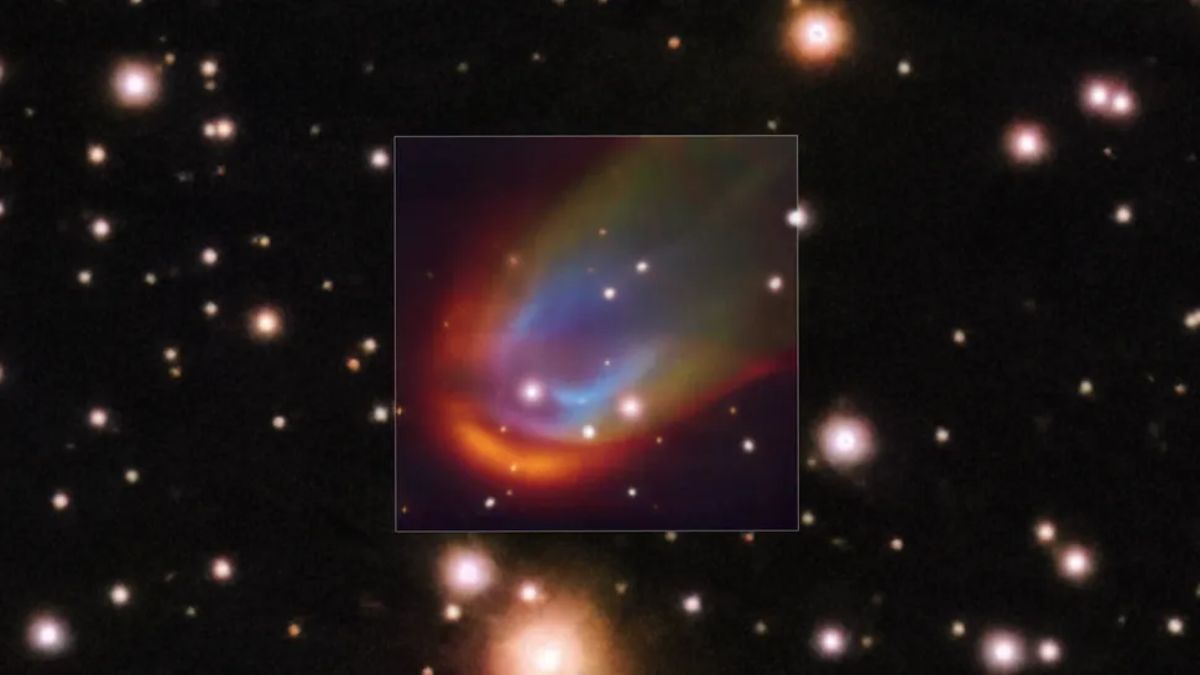
Astronomers Find ‘Mystery Engine’ Powering Massive Nebula Around a Dead Star, Challenging Physics
Astronomers have discovered a striking shockwave around the white dwarf RXJ0528+2838, a finding that contradicts existing theories. Observed using the Very Large Telescope, the structure suggests a long-lasting outflow from a system thought to be inactive. The mystery points to an unknown energy source shaping how dead stars interact with space.
-
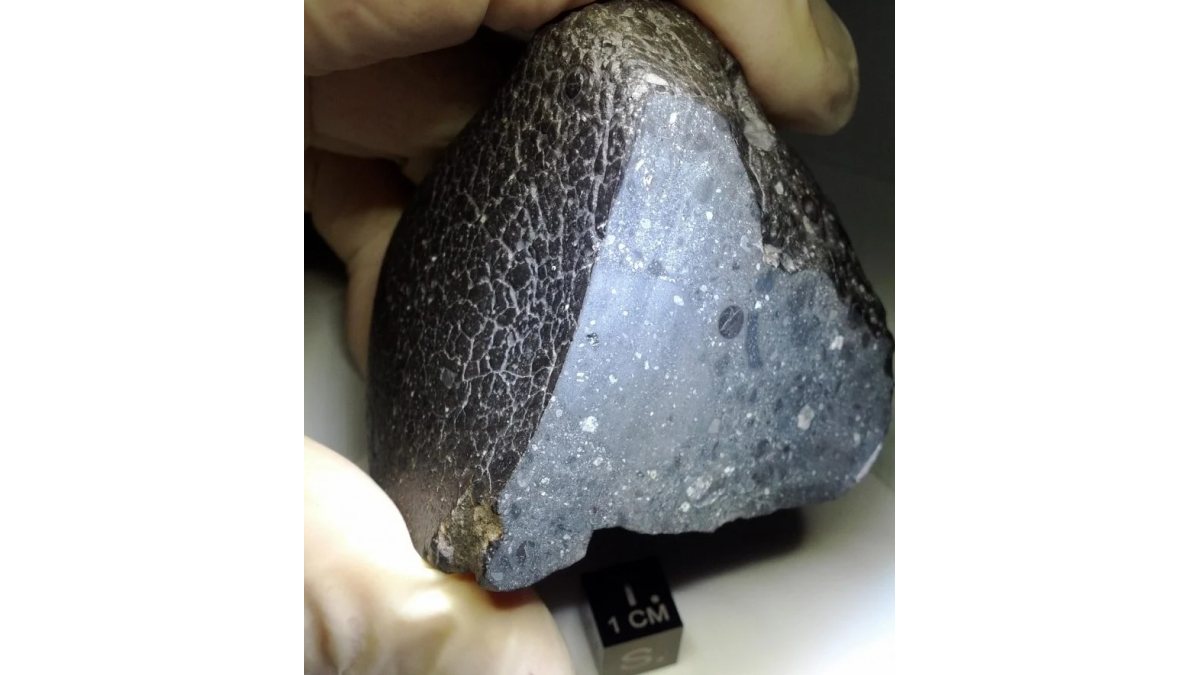
Evidence of Hot Water on Mars Found in Ancient Meteorite From Early Days of Solar System
Evidence of ancient hot water activity on Mars has been found in a 4.45-billion-year-old zircon grain from the NWA7034 meteorite. The findings, detailed in Science Advances, reveal that hydrothermal systems were active on Mars during the Pre-Noachian period. Researchers suggest these systems, essential for life on Earth, could have made Mars habita...
-
First Zoomed-in Picture of a Star Outside Our Galaxy Captured, Revealed to Be a Dying Star
The first detailed image of a star outside the Milky Way reveals WOH G64, a giant nearing its end. Captured by the Very Large Telescope Interferometer, this dying star, 1,500 times the size of the Sun, is surrounded by a cocoon of gas and dust, hinting at its eventual collapse into a supernova.
-
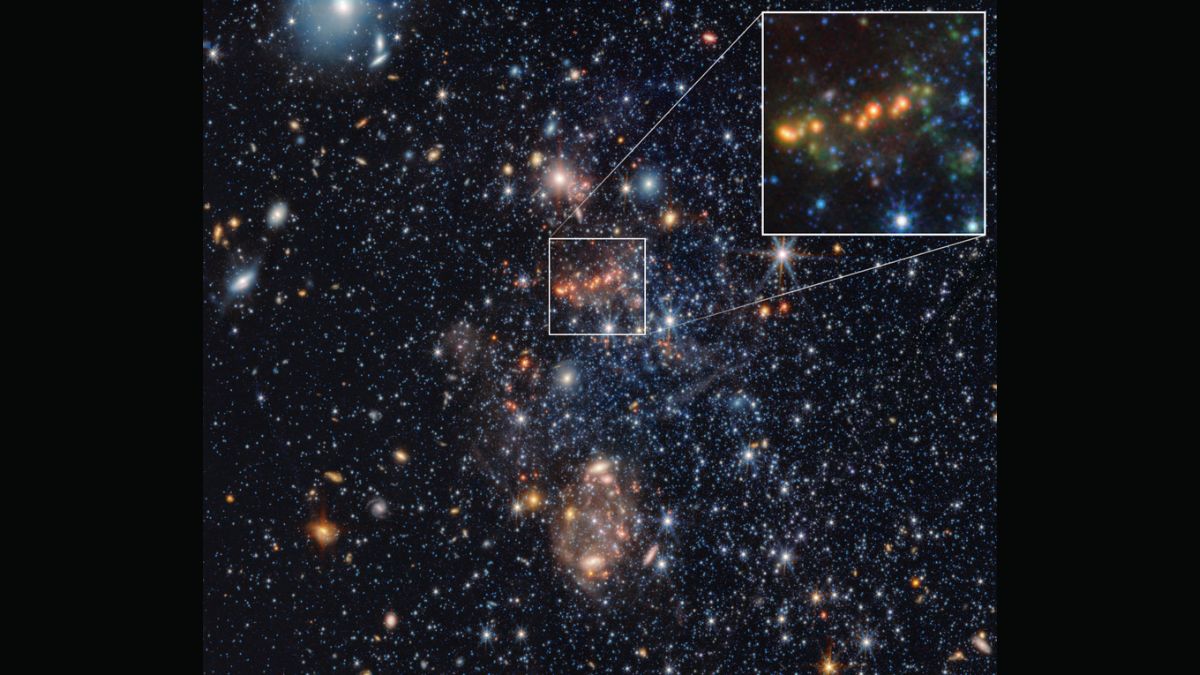
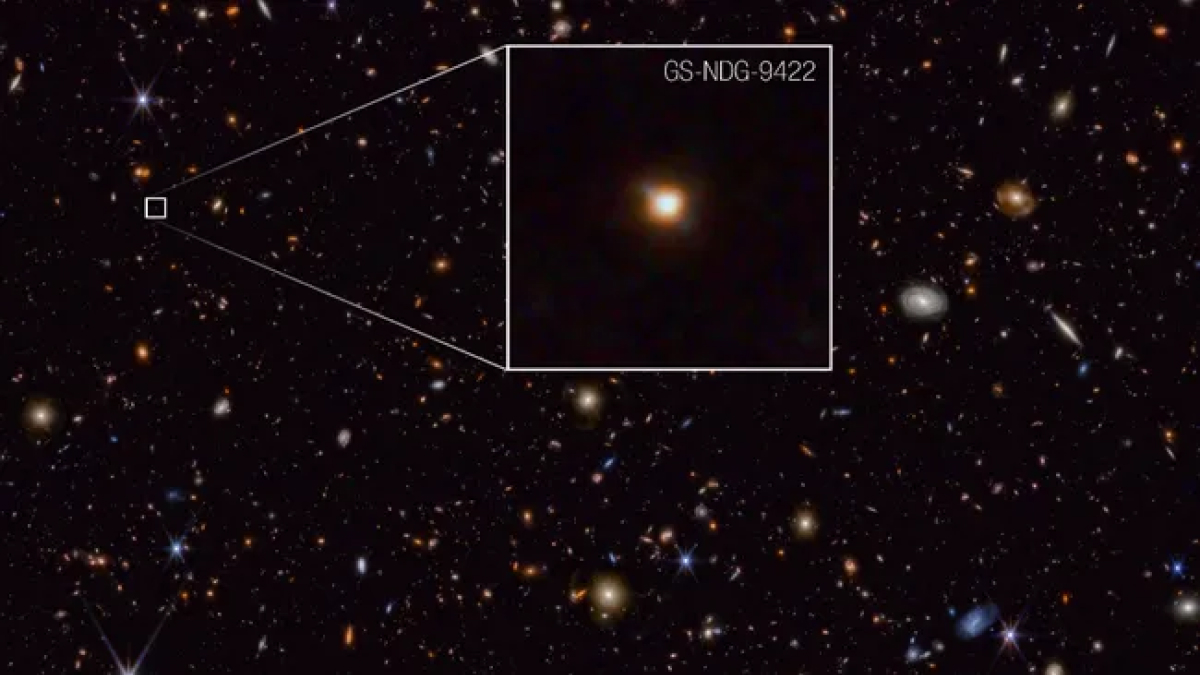
James Webb Space Telescope Finds Distant Galaxy That May Hold Clues to Early Universe
A recent discovery by the James Webb Telescope has uncovered a rare galaxy, offering new perspectives on how stars and galaxies formed in the early universe. Located a billion years after the Big Bang, this galaxy's unusual characteristics suggest it could hold the key to understanding a crucial stage in cosmic development.
-
Supermassive Black Hole at the Centre of the Milky Way Is Spinning Unexpectedly
Sagittarius A* (pronounced Sagittarius A Star), the supermassive black hole at the centre of the Milky Way, is spinning in an unusual way, and scientists now believe they may know why. Based on new data from the Event Horizon Telescope, researchers suggest that this cosmic giant likely merged with another black hole billions of years ago. This colo...
-
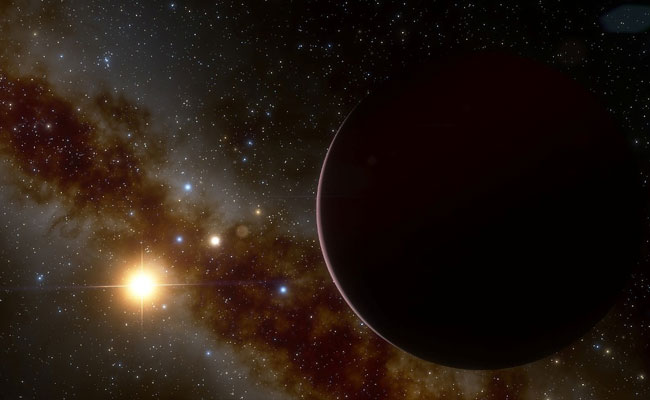
"Absolute Surprise": Scientists Discover Big Planet Orbiting Little Star
Scientists are expressing surprise after discovering a solar system 30 light-years away from Earth that defies current understanding about planet formation, with a large Jupiter-like planet orbiting a diminutive star known as a red dwarf.
-
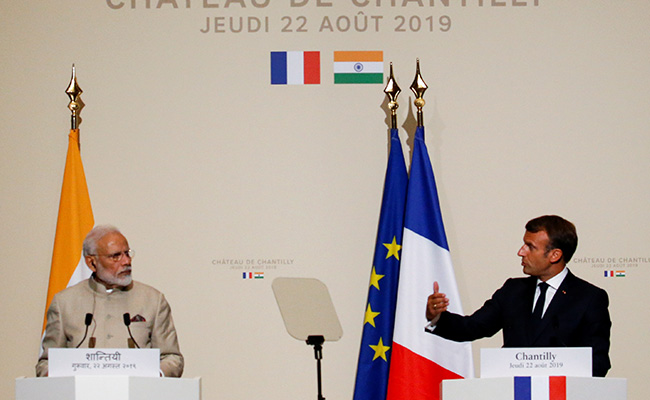
India, France Sign Agreements On Maritime Awareness, Skill Development
India and France signed an agreement on behalf of the Indian Space Research Organisation and Paris-based National Centre for Space Studies for the establishment of a ''joint maritime domain awareness mission'' to detect, tackle threats emanating from the sea
-
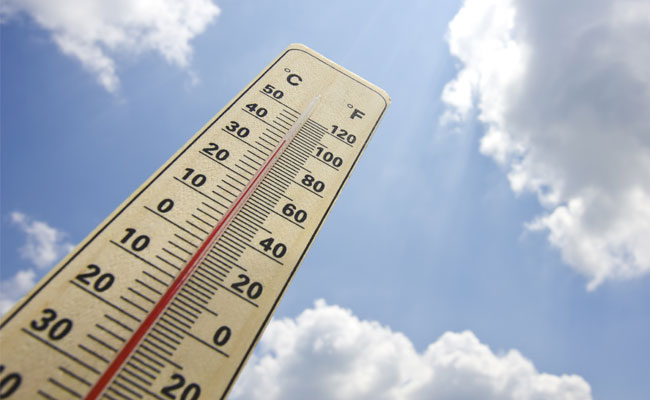
September 2016 Hottest On Record, Says NASA
Last month was the warmest September in 136 years of record-keeping, meaning 11 of the past 12 consecutive months dating back to October last year have set new monthly high-temperature records, NASA said.
-
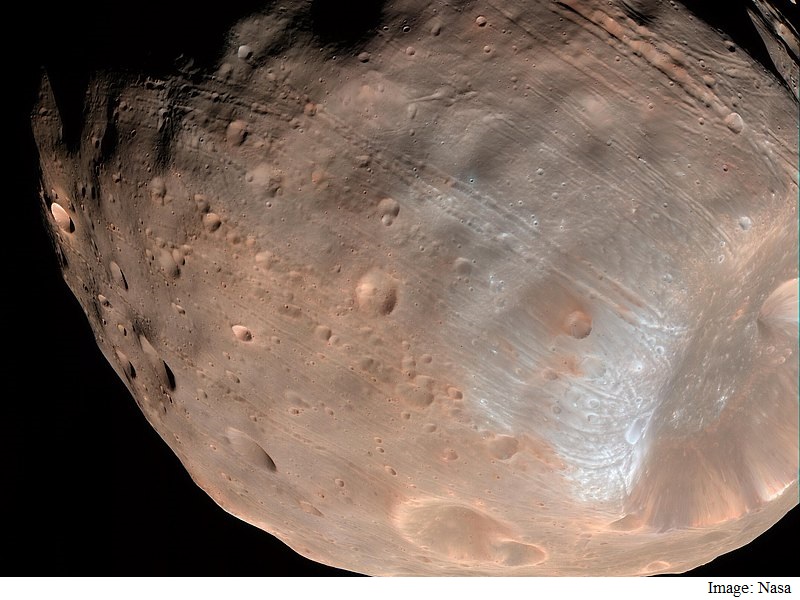
Mars' Moon Phobos Is Slowly Falling Apart: Study
Orbiting a mere 6,000 km above the surface of Mars, Phobos is closer to its planet than any other moon in the solar system.
-
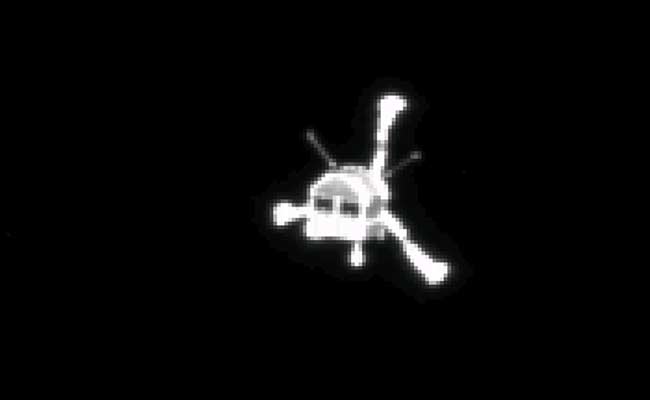
'Hello Earth': Comet Probe Philae Wakes Up
The European space probe Philae woke up overnight after a months-long sleep as it hurtled towards towards the Sun on the back of a comet, the French space chief said today.
-
Radiation May Harm Astronauts' Brains on Long Space Flights: Study
"This is not positive news for astronauts deployed on a two- to three-year round trip to Mars," said the study's lead author.
-
Distant Comet 'Sweats' Two Glasses of Water Per Second
Unprecedented measurement of a deep-space comet has found the icy body to be losing about two small glasses of water every second, the European Space Agency (ESA) said on Monday.
-
UP girl selected for NASA training
It is not everyday that you get an invitation to NASA for training in space shuttle designing.



-
First Human X-Rays Captured In Space Mark Major Breakthrough For Astronaut Health
Following their return, three independent radiologists evaluated the in-flight images against identical scans taken before and after the mission.
-
Hypothetical ‘Dark Stars’ Could Rewrite Early Cosmic History, Research Suggests
Hypothetical dark stars could explain three early universe mysteries: the abundance of supermassive black holes, dense blue monster galaxies, and compact little red dots. Powered by dark matter rather than fusion, these stars may have formed before normal stars, collapsing to create black hole seeds and influencing early galaxy observations, accord...
-
Astronomers Find ‘Mystery Engine’ Powering Massive Nebula Around a Dead Star, Challenging Physics
Astronomers have discovered a striking shockwave around the white dwarf RXJ0528+2838, a finding that contradicts existing theories. Observed using the Very Large Telescope, the structure suggests a long-lasting outflow from a system thought to be inactive. The mystery points to an unknown energy source shaping how dead stars interact with space.
-
Evidence of Hot Water on Mars Found in Ancient Meteorite From Early Days of Solar System
Evidence of ancient hot water activity on Mars has been found in a 4.45-billion-year-old zircon grain from the NWA7034 meteorite. The findings, detailed in Science Advances, reveal that hydrothermal systems were active on Mars during the Pre-Noachian period. Researchers suggest these systems, essential for life on Earth, could have made Mars habita...
-
First Zoomed-in Picture of a Star Outside Our Galaxy Captured, Revealed to Be a Dying Star
The first detailed image of a star outside the Milky Way reveals WOH G64, a giant nearing its end. Captured by the Very Large Telescope Interferometer, this dying star, 1,500 times the size of the Sun, is surrounded by a cocoon of gas and dust, hinting at its eventual collapse into a supernova.
-
James Webb Space Telescope Finds Distant Galaxy That May Hold Clues to Early Universe
A recent discovery by the James Webb Telescope has uncovered a rare galaxy, offering new perspectives on how stars and galaxies formed in the early universe. Located a billion years after the Big Bang, this galaxy's unusual characteristics suggest it could hold the key to understanding a crucial stage in cosmic development.
-
Supermassive Black Hole at the Centre of the Milky Way Is Spinning Unexpectedly
Sagittarius A* (pronounced Sagittarius A Star), the supermassive black hole at the centre of the Milky Way, is spinning in an unusual way, and scientists now believe they may know why. Based on new data from the Event Horizon Telescope, researchers suggest that this cosmic giant likely merged with another black hole billions of years ago. This colo...
-
"Absolute Surprise": Scientists Discover Big Planet Orbiting Little Star
Scientists are expressing surprise after discovering a solar system 30 light-years away from Earth that defies current understanding about planet formation, with a large Jupiter-like planet orbiting a diminutive star known as a red dwarf.
-
India, France Sign Agreements On Maritime Awareness, Skill Development
India and France signed an agreement on behalf of the Indian Space Research Organisation and Paris-based National Centre for Space Studies for the establishment of a ''joint maritime domain awareness mission'' to detect, tackle threats emanating from the sea
-
September 2016 Hottest On Record, Says NASA
Last month was the warmest September in 136 years of record-keeping, meaning 11 of the past 12 consecutive months dating back to October last year have set new monthly high-temperature records, NASA said.
-
Mars' Moon Phobos Is Slowly Falling Apart: Study
Orbiting a mere 6,000 km above the surface of Mars, Phobos is closer to its planet than any other moon in the solar system.
-
'Hello Earth': Comet Probe Philae Wakes Up
The European space probe Philae woke up overnight after a months-long sleep as it hurtled towards towards the Sun on the back of a comet, the French space chief said today.
-
Radiation May Harm Astronauts' Brains on Long Space Flights: Study
"This is not positive news for astronauts deployed on a two- to three-year round trip to Mars," said the study's lead author.
-
Distant Comet 'Sweats' Two Glasses of Water Per Second
Unprecedented measurement of a deep-space comet has found the icy body to be losing about two small glasses of water every second, the European Space Agency (ESA) said on Monday.
-
UP girl selected for NASA training
It is not everyday that you get an invitation to NASA for training in space shuttle designing.

