



Planetary Collision
-
{
- All
- News
-

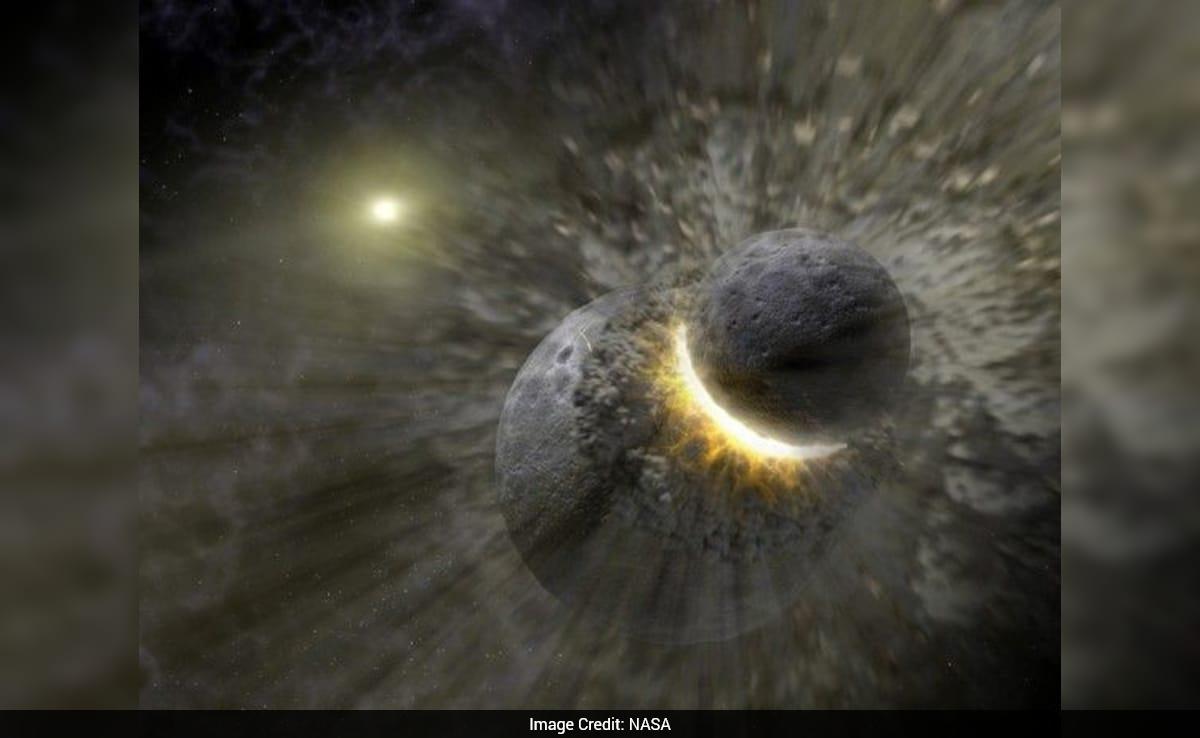
Dramatic Planet Collision In Distant Galaxy May Explain How Earth's Moon Was Formed 4.5 Billion Years Ago
Scientists observe a dramatic collision between two planets, offering insights into the formation of Earth's Moon 4.5 billion years ago.
-
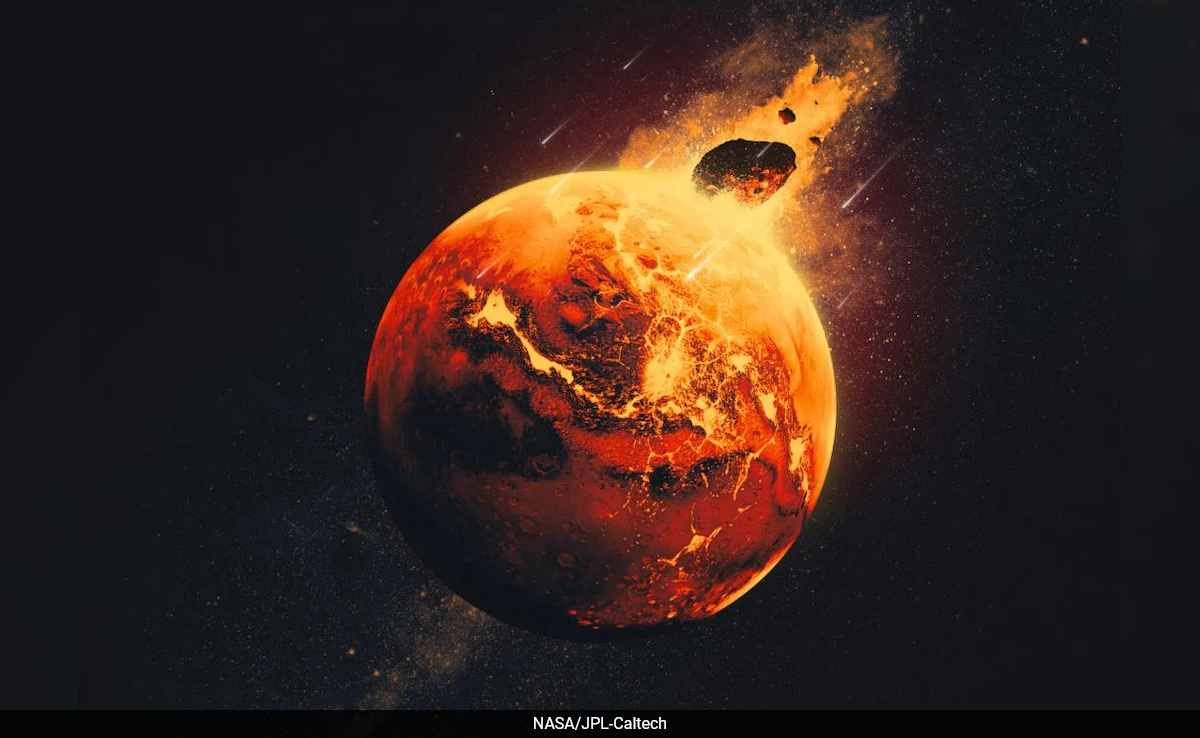
Mars' Interior Holds Evidence Of Violent Early History, NASA Scientists Confirm
NASA scientists have discovered massive fragments of ancient planetary collisions buried deep in Mars' mantle, using seismic data from the InSight lander.
-
New "Kiss-and-Capture" Theory Explains Pluto's Formation of Largest Moon, Charon
A new theory proposes that Pluto’s largest moon, Charon, was formed billions of years ago through a rare "kiss-and-capture" collision in the Kuiper Belt. This process involves two icy bodies briefly merging and then separating, leaving Charon in a stable orbit around Pluto. Unlike traditional collision models, this event challenges previous theor...

-
Dramatic Planet Collision In Distant Galaxy May Explain How Earth's Moon Was Formed 4.5 Billion Years Ago
Scientists observe a dramatic collision between two planets, offering insights into the formation of Earth's Moon 4.5 billion years ago.
-
Mars' Interior Holds Evidence Of Violent Early History, NASA Scientists Confirm
NASA scientists have discovered massive fragments of ancient planetary collisions buried deep in Mars' mantle, using seismic data from the InSight lander.
-
New "Kiss-and-Capture" Theory Explains Pluto's Formation of Largest Moon, Charon
A new theory proposes that Pluto’s largest moon, Charon, was formed billions of years ago through a rare "kiss-and-capture" collision in the Kuiper Belt. This process involves two icy bodies briefly merging and then separating, leaving Charon in a stable orbit around Pluto. Unlike traditional collision models, this event challenges previous theor...

