



Noaa
-
{
- All
- News
-

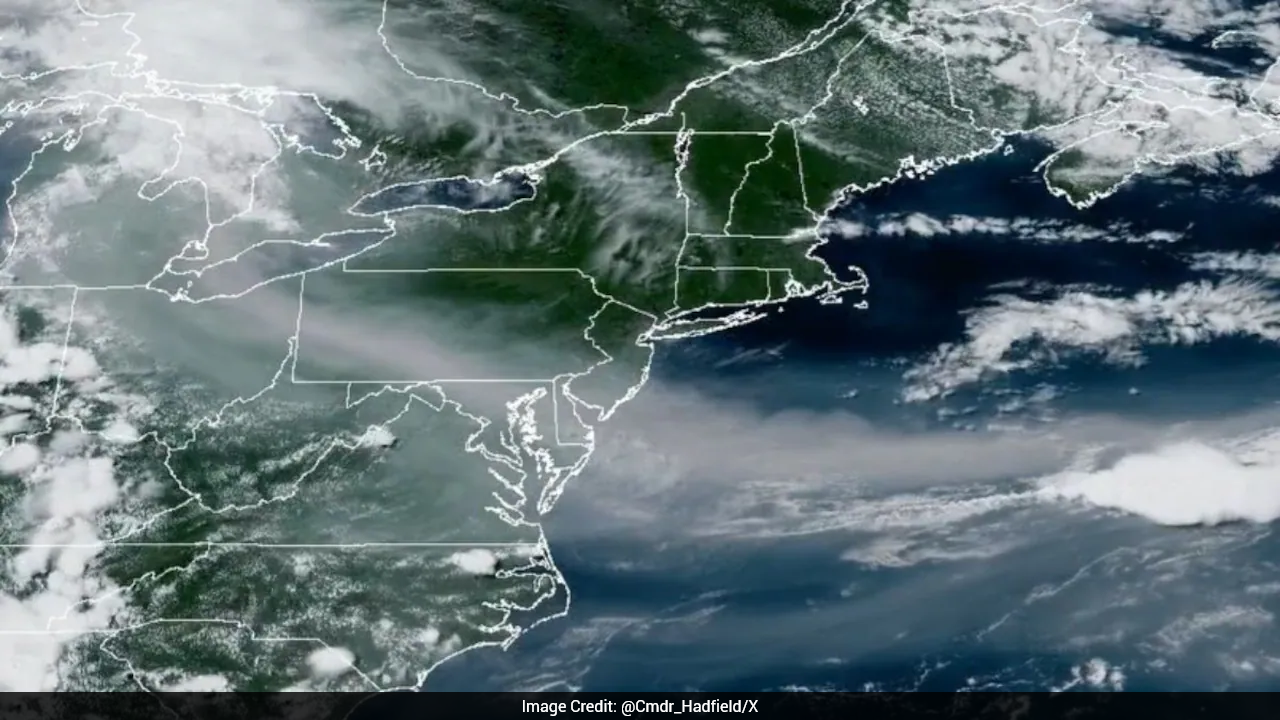
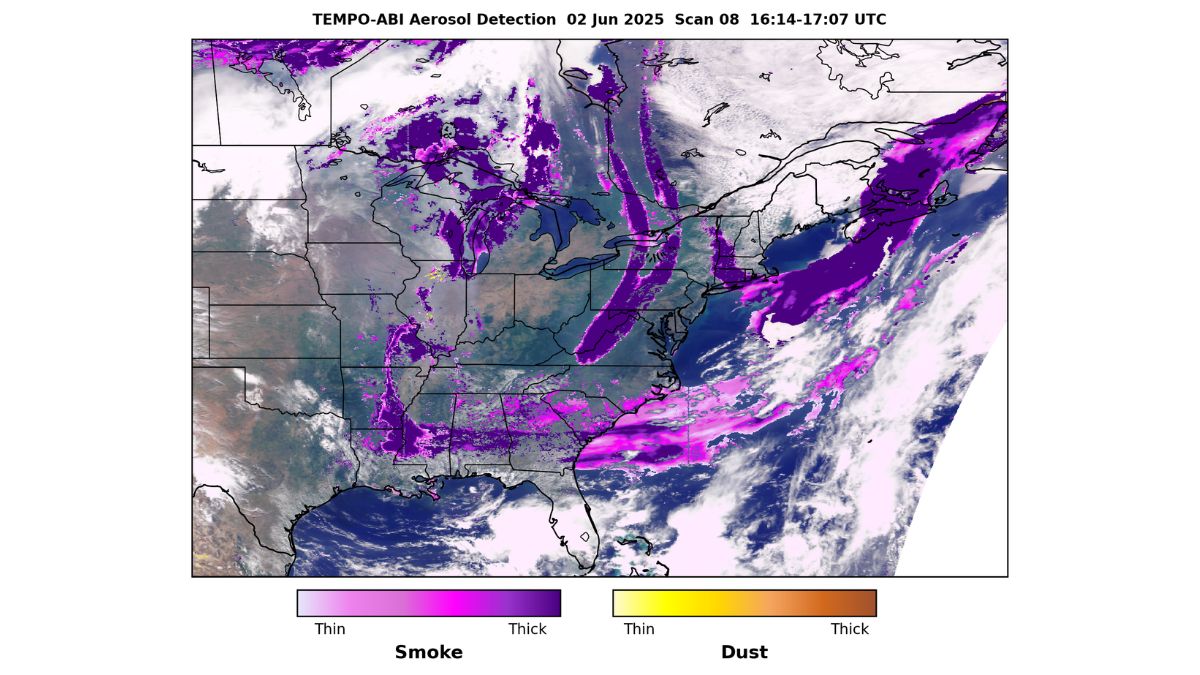
Astronaut Shares View Of Wildfire Smoke Appearing As Smear From Space
The post highlighted how satellite observations can provide a broader understanding of the spread of wildfire smoke across large regions.
-
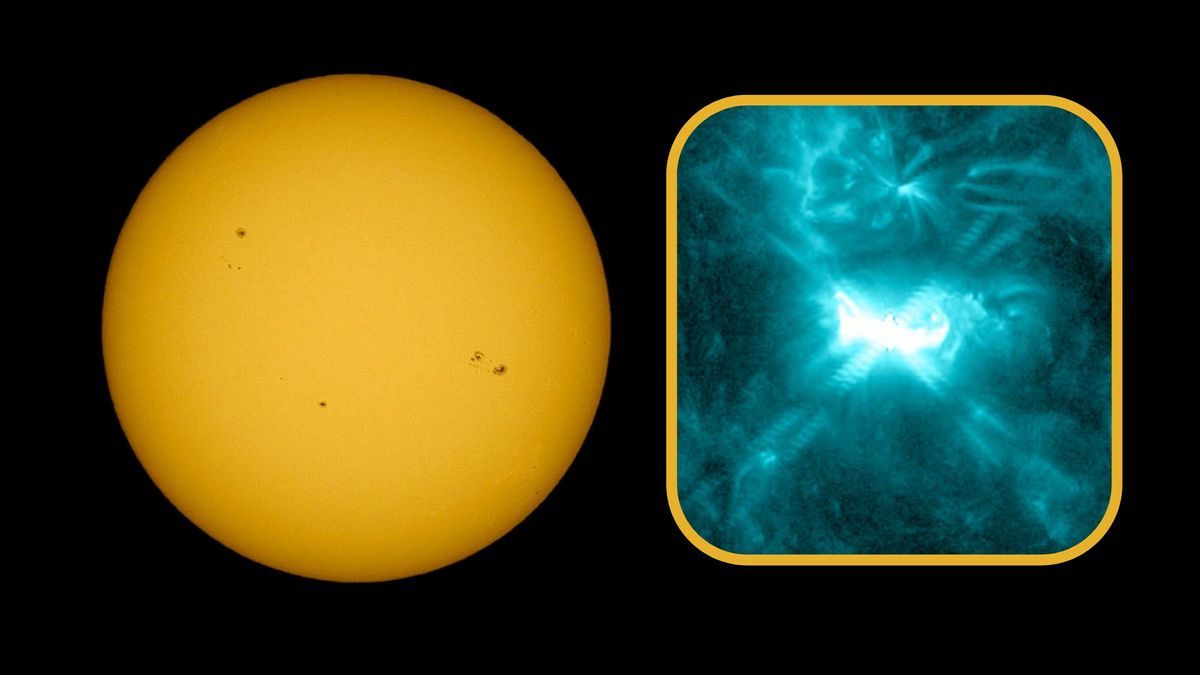
Sun Unleashes Triple Solar Flare Blast, Triggering G3 Geomagnetic Storm Alert
Three powerful solar flares erupted from active sunspot AR 4455, sending Earth-directed plasma clouds into space. NOAA has issued a G3 geomagnetic storm watch, increasing the chances of widespread auroras.
-
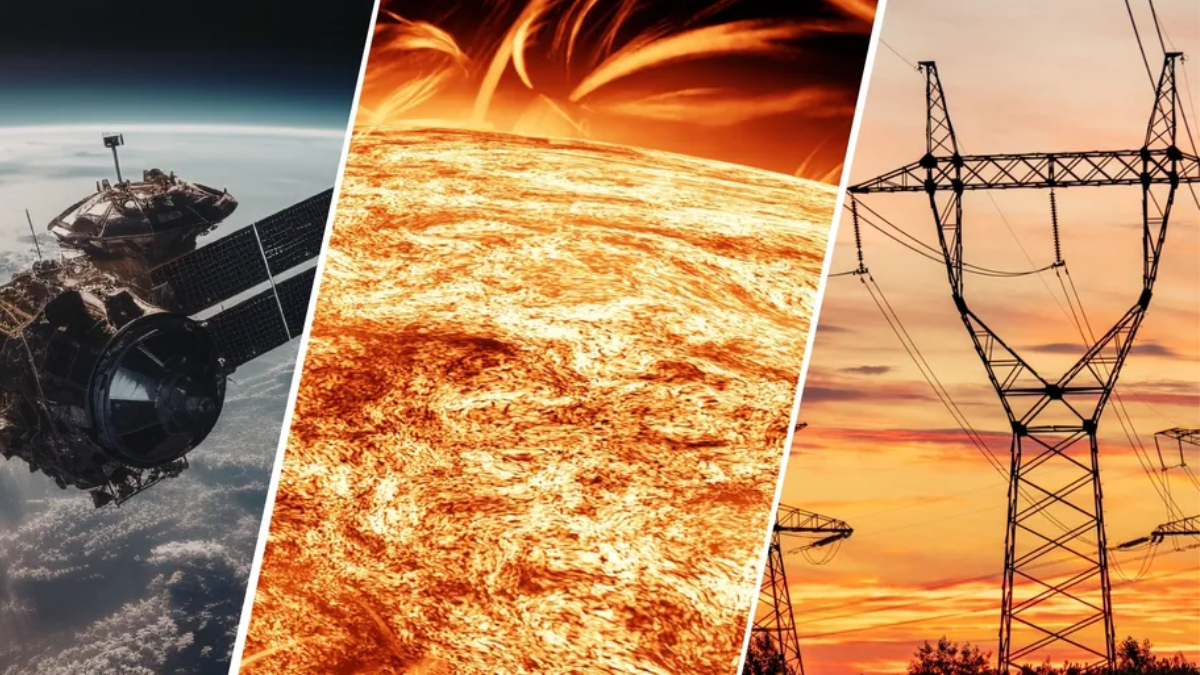
Carrington-Level Solar Storm Could Disrupt Satellites, GPS, and Power Grids, Scientists Warn
A solar superstorm like the Carrington Event could disrupt satellites, GPS, and power grids worldwide. Scientists warn that while rare, such events pose a serious threat to modern infrastructure, though improved monitoring and safeguards may reduce the risks.
-
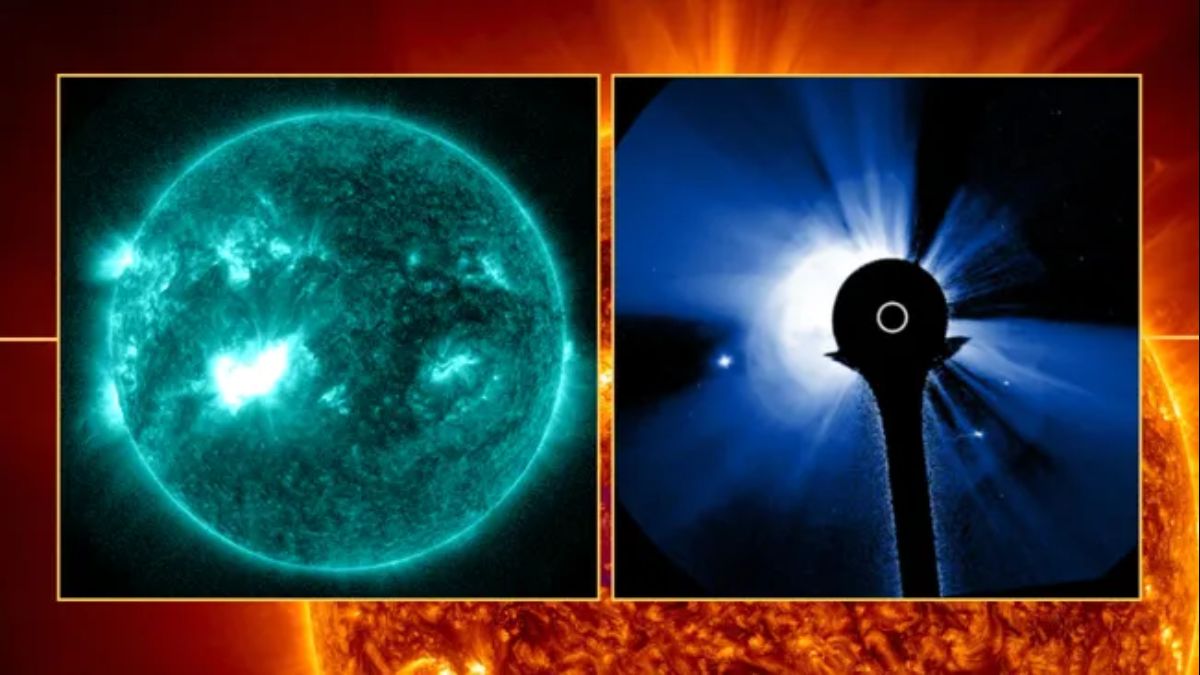
Powerful X-Class Solar Flare Sends CME Toward Earth, Storms Possible
A powerful X1.9 solar flare erupted on January 18, launching a fast coronal mass ejection toward Earth. Space weather agencies warn of strong geomagnetic storms that could disrupt satellites, GPS and radio communications, while also producing vivid auroras visible well beyond the polar regions.
-
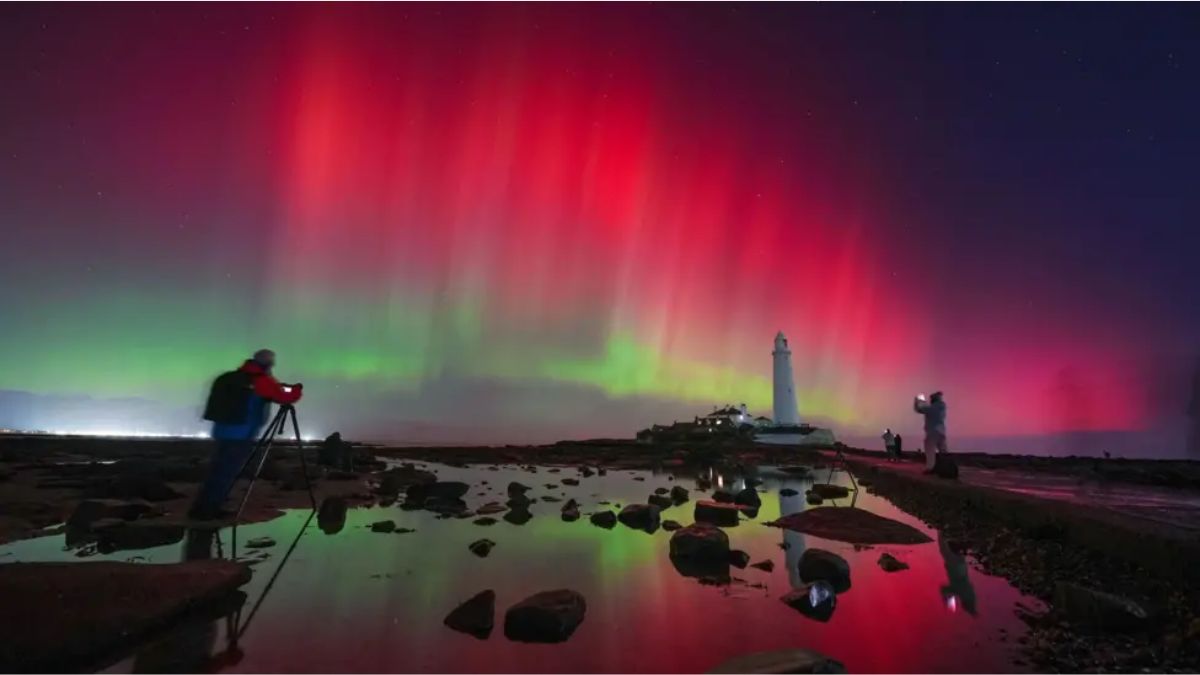
2026 Could Be the Best Year for Northern Lights; Why Post-Solar Maximum Storms Are Set to Surge
The end of 2025 saw bright auroras over northern skies following a strong solar flare. In October 2024, NASA noted that the Sun had entered its solar maximum phase. Experts predicted that the most frequent and intense Northern Lights would likely occur throughout 2026. Even though solar activity has technically begun its gradual decline since the 2...
-
Massive Sunspot Complex on the Sun Raises Risk of Strong Solar Storms
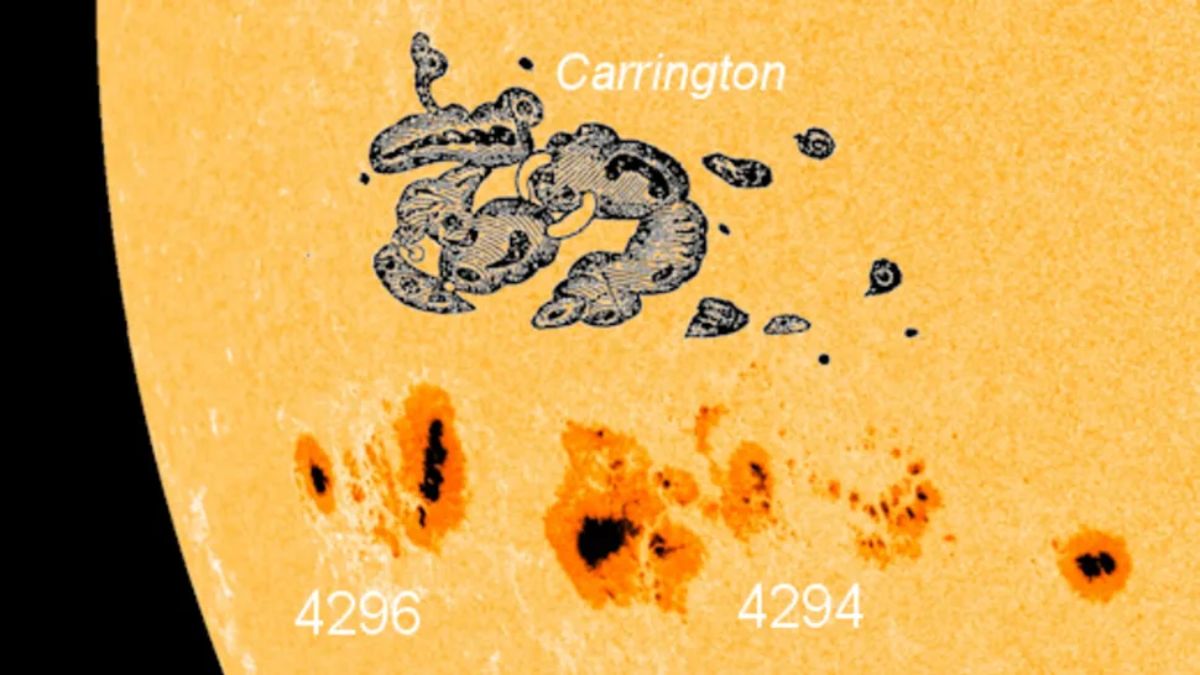
A massive sunspot complex has appeared on the Sun, covering an area comparable to the legendary Carrington Event region. Known as AR 4294-96, the active cluster features highly tangled magnetic fields that could unleash powerful solar flares and geomagnetic storms, potentially disrupting satellites, power grids, and global communications if Earth-d...
-
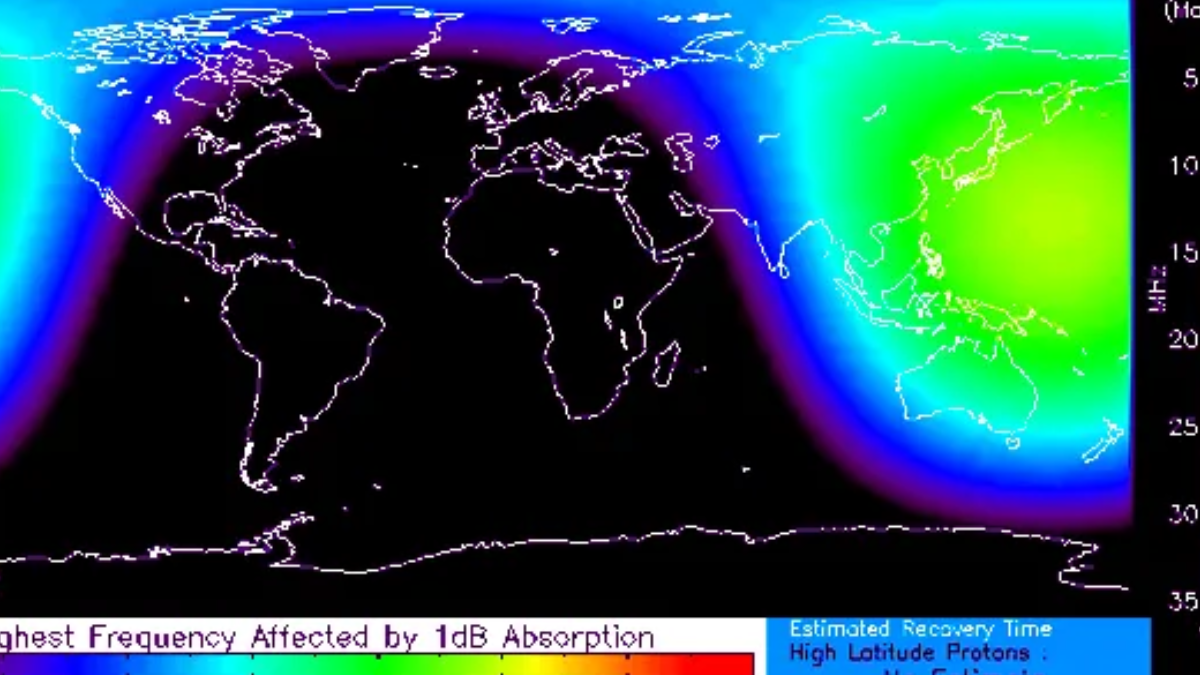
Sun Unleashes Strongest Flare of 2025, Causing Global Radio Blackouts
On Nov. 11, 2025, the Sun erupted with an X5.1-class flare, disrupting shortwave communications across Africa and Europe. The flare’s X-rays and UV radiation ionized Earth’s upper atmosphere, causing R3-level radio blackouts. NOAA warned that a coronal mass ejection could reach Earth on Nov. 12, potentially triggering strong geomagnetic storms ...
-
NASA and NOAA Set to Launch Solar Probes for Space Weather Forecasting
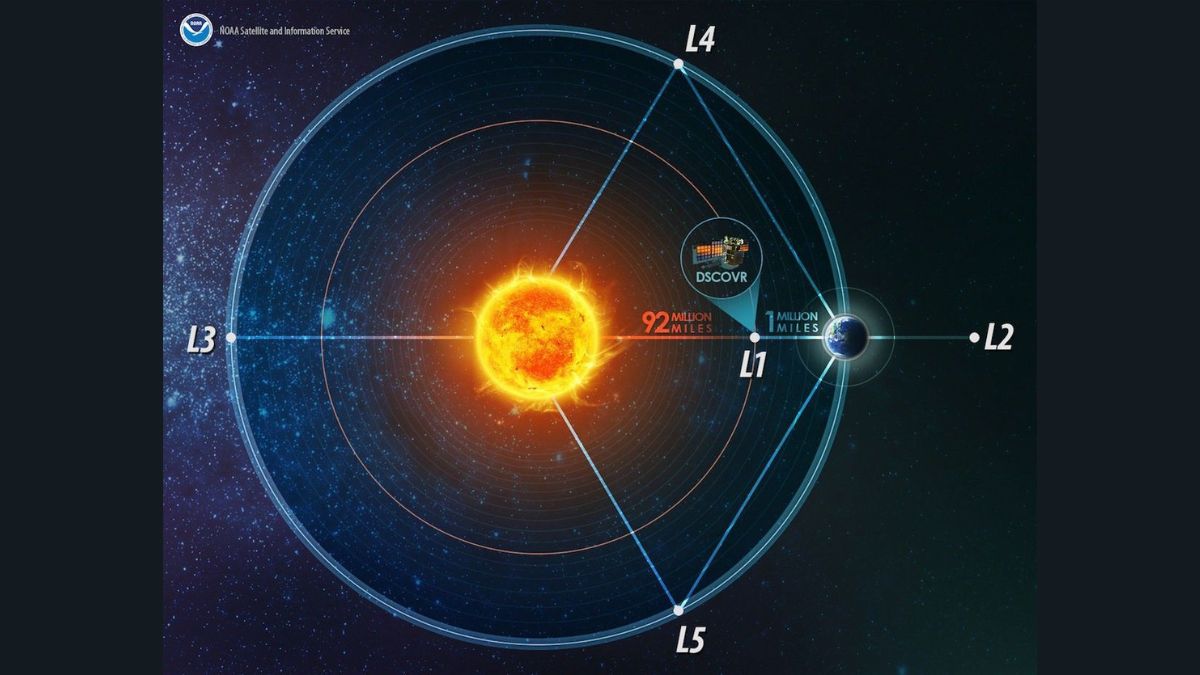
In Sept. 2025, NASA and NOAA will launch three spacecraft aboard a Falcon 9 to the Sun–Earth L1 point. IMAP will map the heliosphere’s edge, the Carruthers Geocorona Observatory will study Earth’s exosphere, and SWFO-L1 will deliver real-time solar storm warnings. Together, they aim to improve space-weather science and safeguard technology on...
-
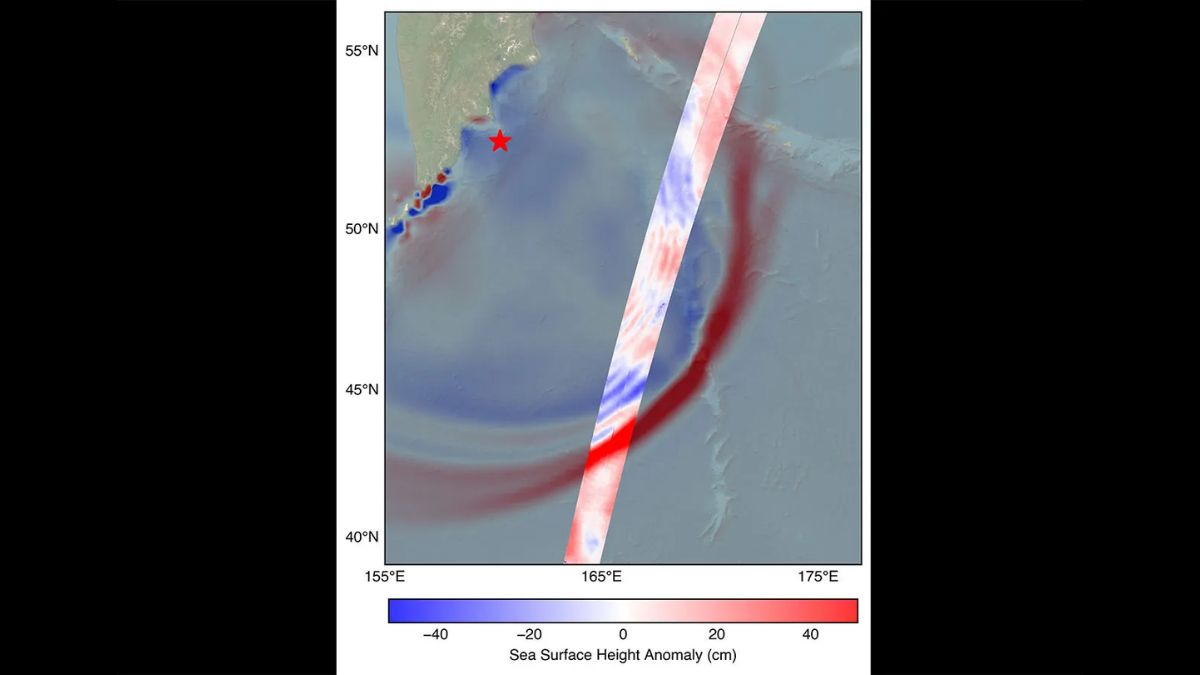
SWOT Satellite Captures Tsunami Wave After Kamchatka Quake
On July 30, 2025, the NASA–CNES SWOT satellite captured the leading edge of a tsunami wave in the Pacific, triggered by an 8.8 magnitude earthquake near Russia’s Kamchatka Peninsula. Recorded about 70 minutes after the quake, the wave measured 1.5 feet in open water but could grow to 30 feet at shore. SWOT’s advanced radar mapped the wave’s...
-
Sun Erupts with Triple Solar Flares After Weeks of Silence
After a 22-day period of solar calm, the Sun unleashed three M-class solar flares on August 3–4, 2025, all originating from active sunspot region AR 4168. These moderate flares released intense radiation, capable of briefly disrupting high-frequency radio signals and potentially sparking auroras at high latitudes. Scientists also detected likel...
-
NASA TEMPO Satellite to Continue Tracking Pollution Hourly from Space Until 2026
TEMPO, a collaborative space mission by NASA, NOAA, and the Smithsonian Astrophysical Observatory, is transforming air quality tracking across North America. Since 2023, it has delivered hourly, high-resolution pollution data from space, aiding researchers, health officials, and the public.
-
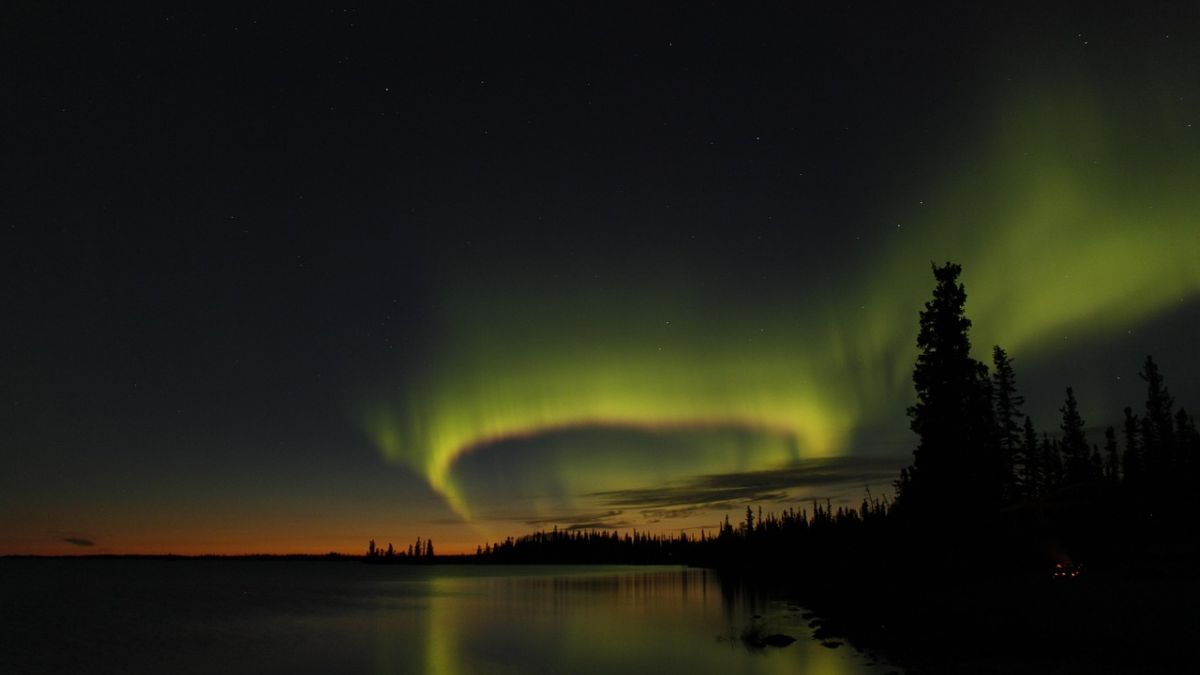
Aurora Alert! Northern Lights May Be Visible as Far South as New York on June 14
A moderate G2 geomagnetic storm on June 14 could push auroras as far south as New York and Idaho, triggered by solar wind from a coronal hole. NOAA forecasts peak geomagnetic activity with a Kp index of 5.67. While increased daylight may limit visibility, skywatchers are advised to look out for northern lights during early morning hours.
-
Scientists Warn of Inadequate Solar Storm Forecasting: What You Need to Know
Scientists warn that Earth remains exposed to solar storms due to missing early data on its magnetic fields. Current satellites offer just minutes of warning, limiting our ability to protect power grids, satellites, and GPS systems. Without broader solar observation from multiple angles, a major storm could cause catastrophic disruptions, emphasisi...
-
Massive X1.1-class Solar Flare Causes Radio Blackouts Across America
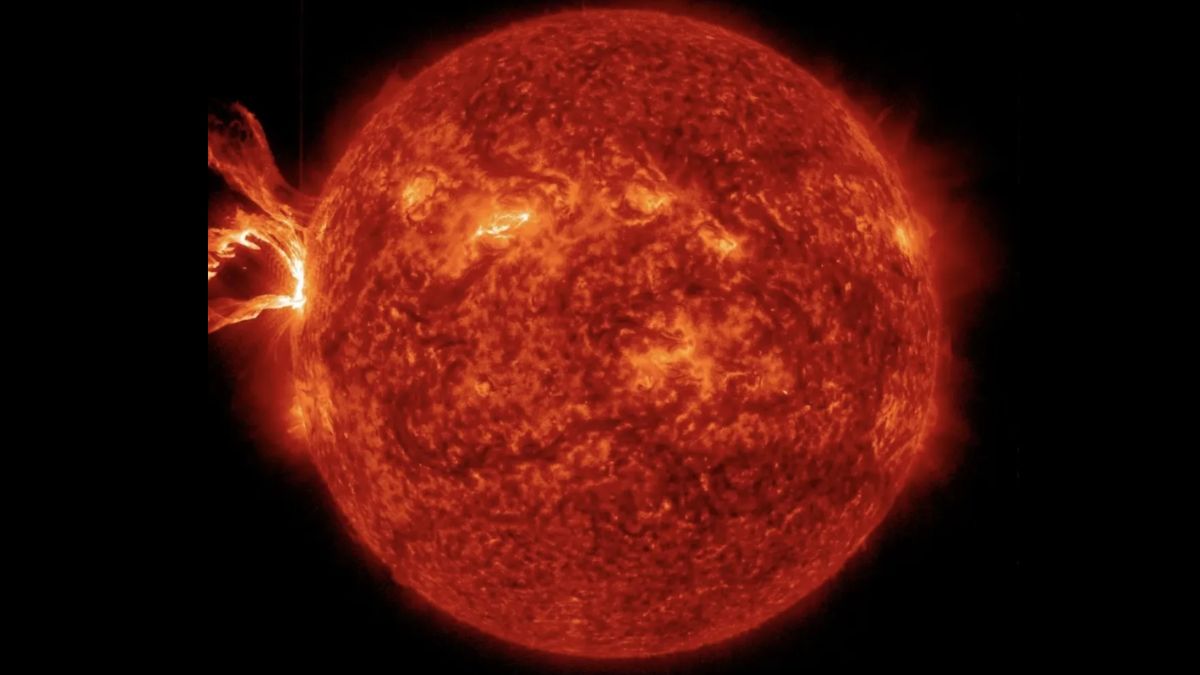
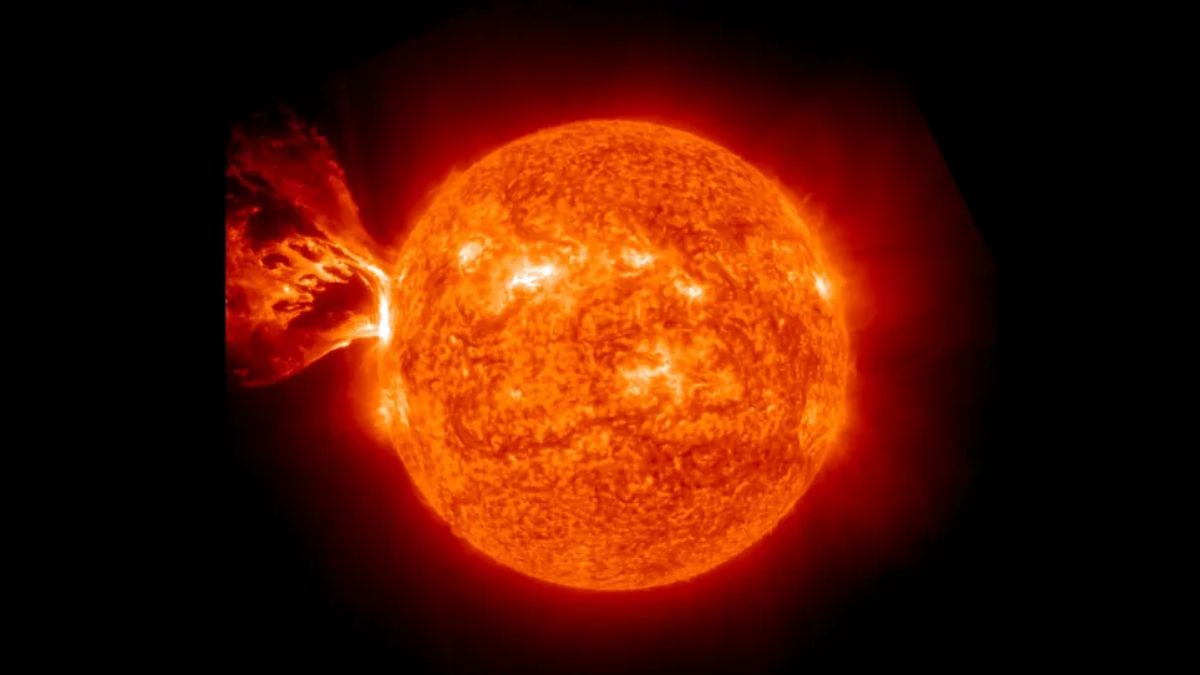
A strong X1.1-class solar flare erupted from sunspot AR4046 on March 28, 2025. The flare caused major radio blackouts in North and South America, affecting high-frequency communications. A coronal mass ejection (CME) followed the flare but is not expected to hit Earth. More solar activity is anticipated from sunspot AR4046 and AR4048, with a 15% ch...
-
X-Class Solar Flare From Emerging Sunspot Causes Radio Blackouts
An unexpected X1.1-class solar flare erupted from sunspot AR4046, triggering shortwave radio blackouts over North and South America. The flare originated from the sun’s eastern limb and was accompanied by a coronal mass ejection that is not expected to impact Earth. Space weather experts have warned that the sunspot will face Earth in the coming ...
-
Astronaut Shares View Of Wildfire Smoke Appearing As Smear From Space
The post highlighted how satellite observations can provide a broader understanding of the spread of wildfire smoke across large regions.
-
Sun Unleashes Triple Solar Flare Blast, Triggering G3 Geomagnetic Storm Alert
Three powerful solar flares erupted from active sunspot AR 4455, sending Earth-directed plasma clouds into space. NOAA has issued a G3 geomagnetic storm watch, increasing the chances of widespread auroras.
-
Carrington-Level Solar Storm Could Disrupt Satellites, GPS, and Power Grids, Scientists Warn
A solar superstorm like the Carrington Event could disrupt satellites, GPS, and power grids worldwide. Scientists warn that while rare, such events pose a serious threat to modern infrastructure, though improved monitoring and safeguards may reduce the risks.
-
Powerful X-Class Solar Flare Sends CME Toward Earth, Storms Possible
A powerful X1.9 solar flare erupted on January 18, launching a fast coronal mass ejection toward Earth. Space weather agencies warn of strong geomagnetic storms that could disrupt satellites, GPS and radio communications, while also producing vivid auroras visible well beyond the polar regions.
-
2026 Could Be the Best Year for Northern Lights; Why Post-Solar Maximum Storms Are Set to Surge
The end of 2025 saw bright auroras over northern skies following a strong solar flare. In October 2024, NASA noted that the Sun had entered its solar maximum phase. Experts predicted that the most frequent and intense Northern Lights would likely occur throughout 2026. Even though solar activity has technically begun its gradual decline since the 2...
-
Massive Sunspot Complex on the Sun Raises Risk of Strong Solar Storms
A massive sunspot complex has appeared on the Sun, covering an area comparable to the legendary Carrington Event region. Known as AR 4294-96, the active cluster features highly tangled magnetic fields that could unleash powerful solar flares and geomagnetic storms, potentially disrupting satellites, power grids, and global communications if Earth-d...
-
Sun Unleashes Strongest Flare of 2025, Causing Global Radio Blackouts
On Nov. 11, 2025, the Sun erupted with an X5.1-class flare, disrupting shortwave communications across Africa and Europe. The flare’s X-rays and UV radiation ionized Earth’s upper atmosphere, causing R3-level radio blackouts. NOAA warned that a coronal mass ejection could reach Earth on Nov. 12, potentially triggering strong geomagnetic storms ...
-
NASA and NOAA Set to Launch Solar Probes for Space Weather Forecasting
In Sept. 2025, NASA and NOAA will launch three spacecraft aboard a Falcon 9 to the Sun–Earth L1 point. IMAP will map the heliosphere’s edge, the Carruthers Geocorona Observatory will study Earth’s exosphere, and SWFO-L1 will deliver real-time solar storm warnings. Together, they aim to improve space-weather science and safeguard technology on...
-
SWOT Satellite Captures Tsunami Wave After Kamchatka Quake
On July 30, 2025, the NASA–CNES SWOT satellite captured the leading edge of a tsunami wave in the Pacific, triggered by an 8.8 magnitude earthquake near Russia’s Kamchatka Peninsula. Recorded about 70 minutes after the quake, the wave measured 1.5 feet in open water but could grow to 30 feet at shore. SWOT’s advanced radar mapped the wave’s...
-
Sun Erupts with Triple Solar Flares After Weeks of Silence
After a 22-day period of solar calm, the Sun unleashed three M-class solar flares on August 3–4, 2025, all originating from active sunspot region AR 4168. These moderate flares released intense radiation, capable of briefly disrupting high-frequency radio signals and potentially sparking auroras at high latitudes. Scientists also detected likel...
-
NASA TEMPO Satellite to Continue Tracking Pollution Hourly from Space Until 2026
TEMPO, a collaborative space mission by NASA, NOAA, and the Smithsonian Astrophysical Observatory, is transforming air quality tracking across North America. Since 2023, it has delivered hourly, high-resolution pollution data from space, aiding researchers, health officials, and the public.
-
Aurora Alert! Northern Lights May Be Visible as Far South as New York on June 14
A moderate G2 geomagnetic storm on June 14 could push auroras as far south as New York and Idaho, triggered by solar wind from a coronal hole. NOAA forecasts peak geomagnetic activity with a Kp index of 5.67. While increased daylight may limit visibility, skywatchers are advised to look out for northern lights during early morning hours.
-
Scientists Warn of Inadequate Solar Storm Forecasting: What You Need to Know
Scientists warn that Earth remains exposed to solar storms due to missing early data on its magnetic fields. Current satellites offer just minutes of warning, limiting our ability to protect power grids, satellites, and GPS systems. Without broader solar observation from multiple angles, a major storm could cause catastrophic disruptions, emphasisi...
-
Massive X1.1-class Solar Flare Causes Radio Blackouts Across America
A strong X1.1-class solar flare erupted from sunspot AR4046 on March 28, 2025. The flare caused major radio blackouts in North and South America, affecting high-frequency communications. A coronal mass ejection (CME) followed the flare but is not expected to hit Earth. More solar activity is anticipated from sunspot AR4046 and AR4048, with a 15% ch...
-
X-Class Solar Flare From Emerging Sunspot Causes Radio Blackouts
An unexpected X1.1-class solar flare erupted from sunspot AR4046, triggering shortwave radio blackouts over North and South America. The flare originated from the sun’s eastern limb and was accompanied by a coronal mass ejection that is not expected to impact Earth. Space weather experts have warned that the sunspot will face Earth in the coming ...

