



Nasa Sun
-
{
- All
- News
- Videos
- Web Stories
-

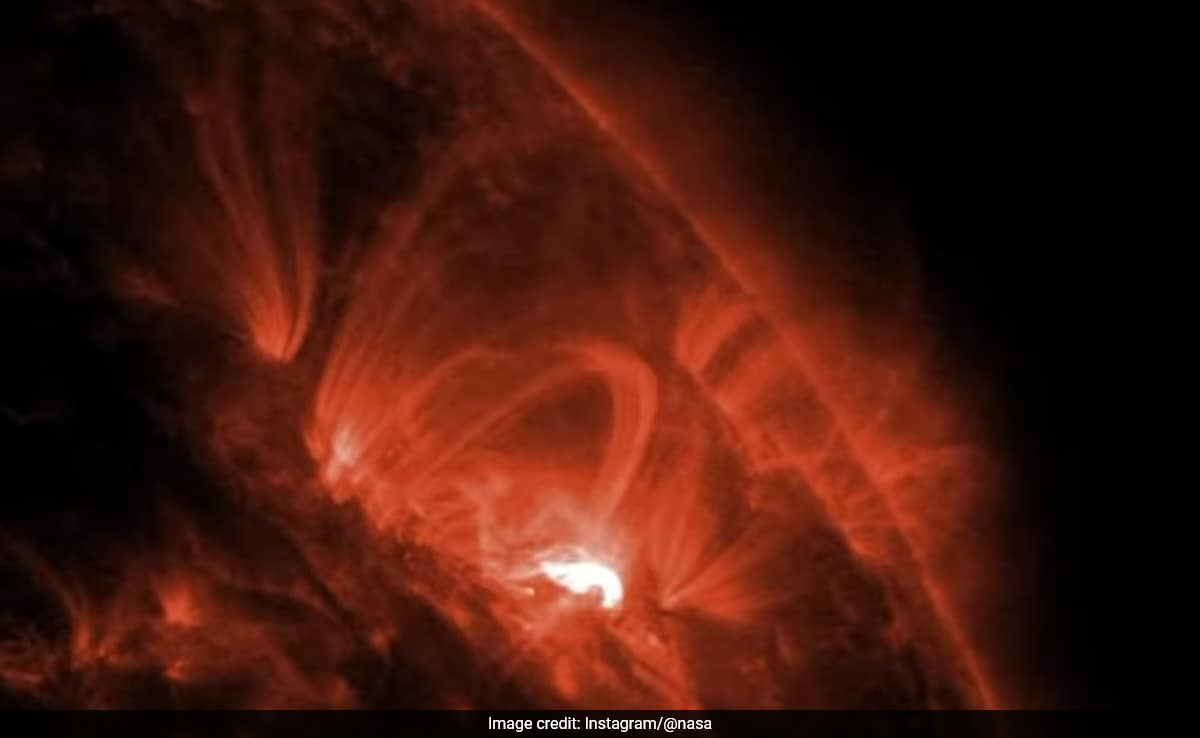
NASA's Parker Solar Probe Reveals Sun's Powerful Eruptions And Mysterious Energy Return
Nour Rawafi, a project scientist at the Johns Hopkins Applied Physics Laboratory, explained that there had been previous indications that solar material could return in this way, but seeing it so clearly was truly remarkable.
-
NASA’s Parker Probe Sends Closest-Ever Images from Inside the Sun’s Corona
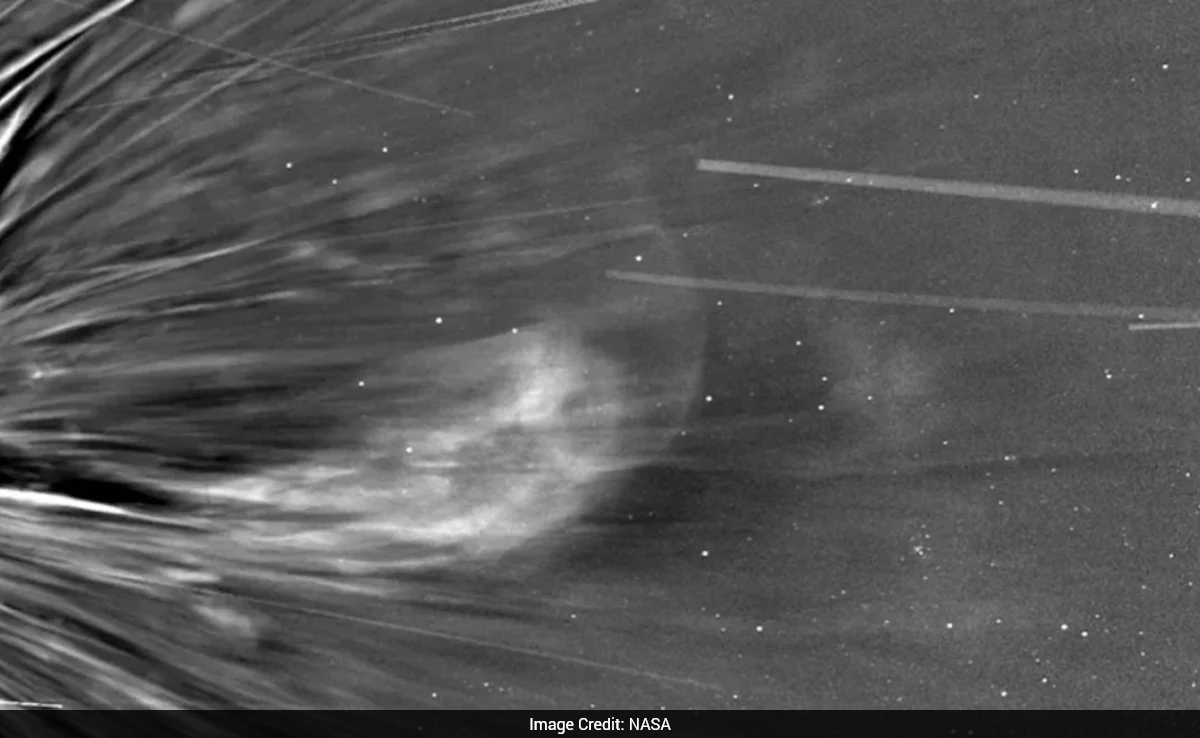
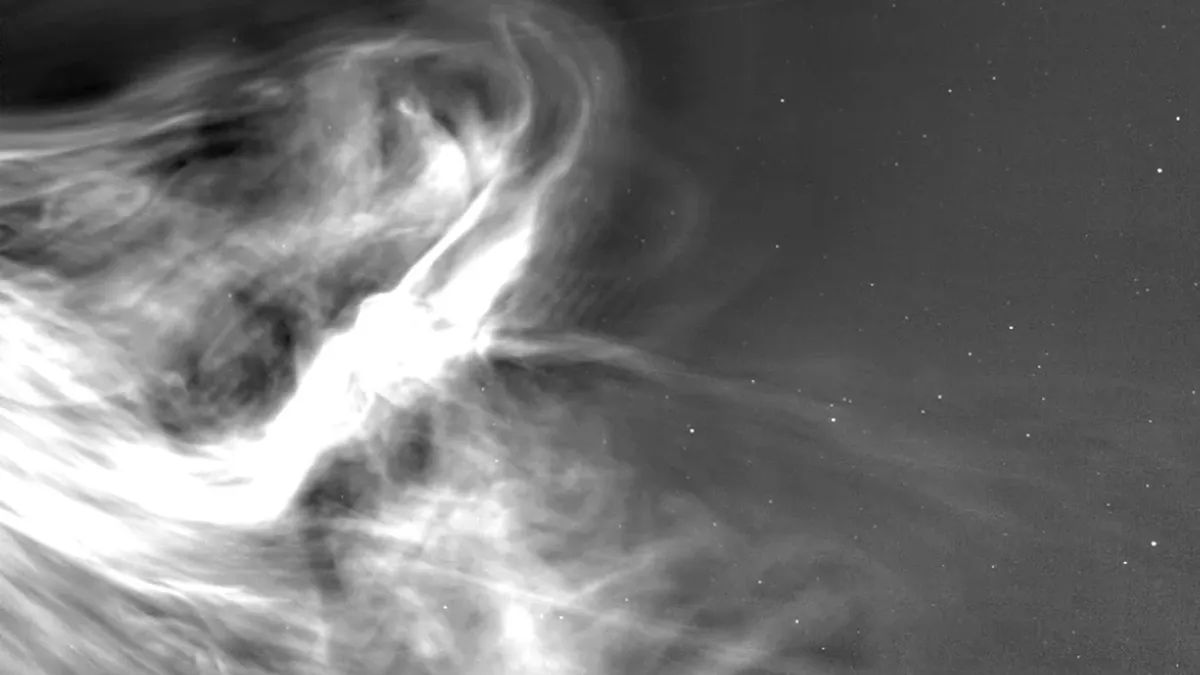
NASA’s Parker Solar Probe has achieved a solar milestone by capturing the closest-ever images of the Sun, taken just 3.8 million miles from its surface in December 2024. These WISPR images reveal unprecedented details of the corona, solar wind, and CME collisions. Scientists say this breakthrough will improve our ability to forecast space weather...
-
NASA Confirms Successful Flyby of Parker Solar Probe, Completes Closest Sun Approach
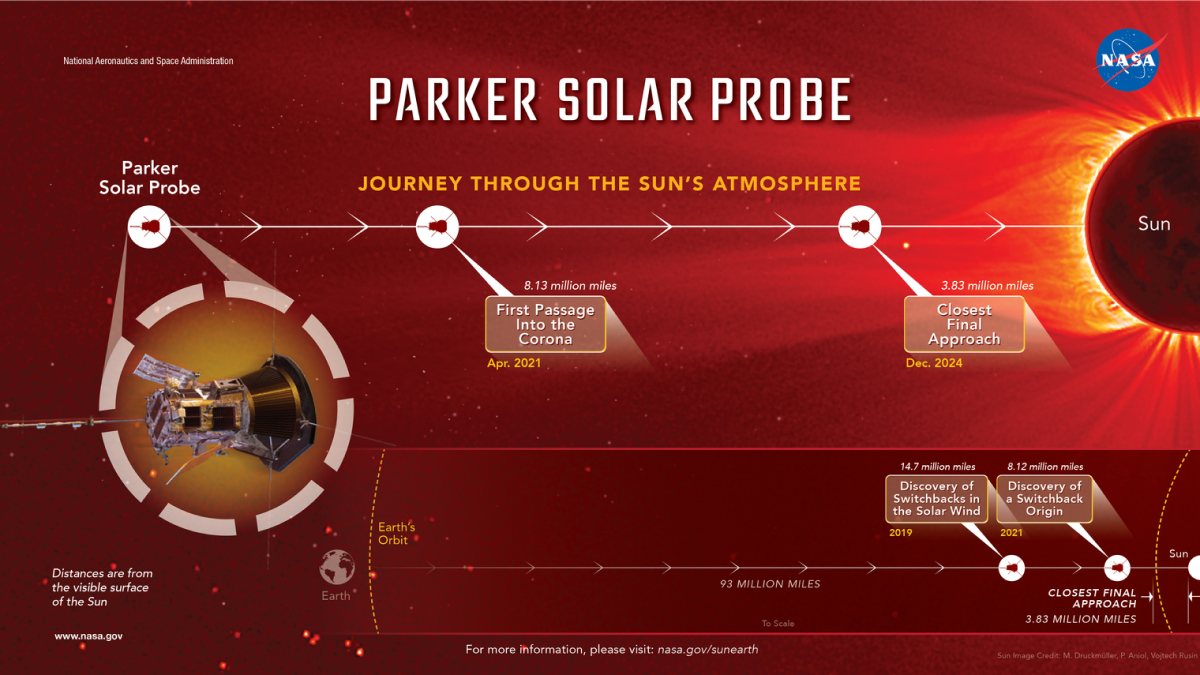
NASA's Parker Solar Probe has set an unprecedented milestone, coming 3.8 million miles from the Sun at a speed of 430,000 mph. Launched in 2018, the spacecraft has utilised Venus flybys to perfect its orbit, enabling this historic feat. With advanced technology, it endures extreme temperatures, gathering critical data about solar wind and particle ...
-
NASA's Solar Probe Safe After Closest-Ever Approach To Sun
NASA said on Friday that its Parker Solar Probe was "safe" and operating normally after successfully completing the closest-ever approach to the Sun by any human-made object.
-
Parker Solar Probe's Closest Sun Flyby Sets Records, Signal Expected Soon
The Parker Solar Probe achieved the closest-ever sun flyby on Christmas Eve, reaching within 3.8 million miles of the solar surface and travelling at 430,000 miles per hour. Scientists are now waiting for a signal expected on December 27 to confirm the spacecraft’s health. Detailed telemetry and collected data are anticipated by January 1, with o...
-
NASA's Parker Solar Probe Makes Closest Ever Pass By The Sun
NASA's pioneering Parker Solar Probe made history Tuesday, flying closer to the Sun than any other spacecraft with its heat shield exposed to scorching temperatures of more than 1,700 degrees Fahrenheit (930 degrees Celsius).
-
What Time Is NASA's Parker Solar Probe Closest Sun Flyby on Christmas Eve?
On Dec. 24 at 6:53 a.m. EST, NASA’s Parker Solar Probe will achieve its closest flyby of the Sun at 3.8 million miles. The mission, part of a seven-year study, aims to uncover the mysteries of the Sun’s corona and solar wind. Travelling at 430,000 mph, the spacecraft is protected by a heat shield designed to withstand extreme temperatures. Upda...
-
NASA’s Parker Solar Probe Achieves Closest Sun Flyby Ever on December 24
NASA’s Parker Solar Probe will make its closest-ever flyby of the sun on December 24, 2024, passing within 3.8 million miles of the solar surface at a speed of 430,000 mph. This marks the 22nd close encounter of the spacecraft’s mission, which aims to provide unprecedented insights into the sun’s corona and other solar phenomena. Despite extr...
-
NASA's Parker Solar Probe To Have Final Venus Flyby Today Ahead Of Historic Sun Encounter
The Parker Solar Probe was launched in 2018 on the mission to "touch" the Sun. It is just about the size of a small car.
-
"Dancing Loops": NASA Captures Eruptions On Sun, Emission Of Powerful Pair Of Solar Flares
NASA delighted its Instagram followers with two GIFs that captured the moment the Sun unleashed two powerful solar flares. These two energetic flashes erupted on May 7 and May 8 from sunspots identified as AR3663 and AR3664.
-
A Gigantic Black Spot On Sun Triggers Concern Among Astronomers
According to a report by NASA, sunspots are the area that appears on the surface of the sun.
-
NASA Shares Stunning Picture Of Solar Flare, Explains Its Impact On Earth
American space agency NASA on Sunday captured the moment the Sun emitted a powerful burst of energy into space.
-
NASA Shares Stunning Image of Solar Flares Recently Ejected by Sun
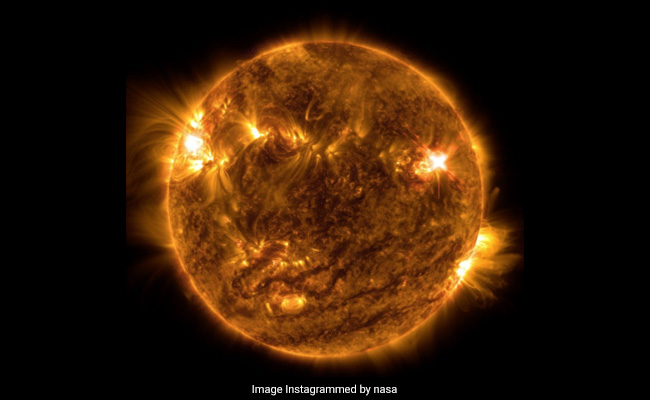
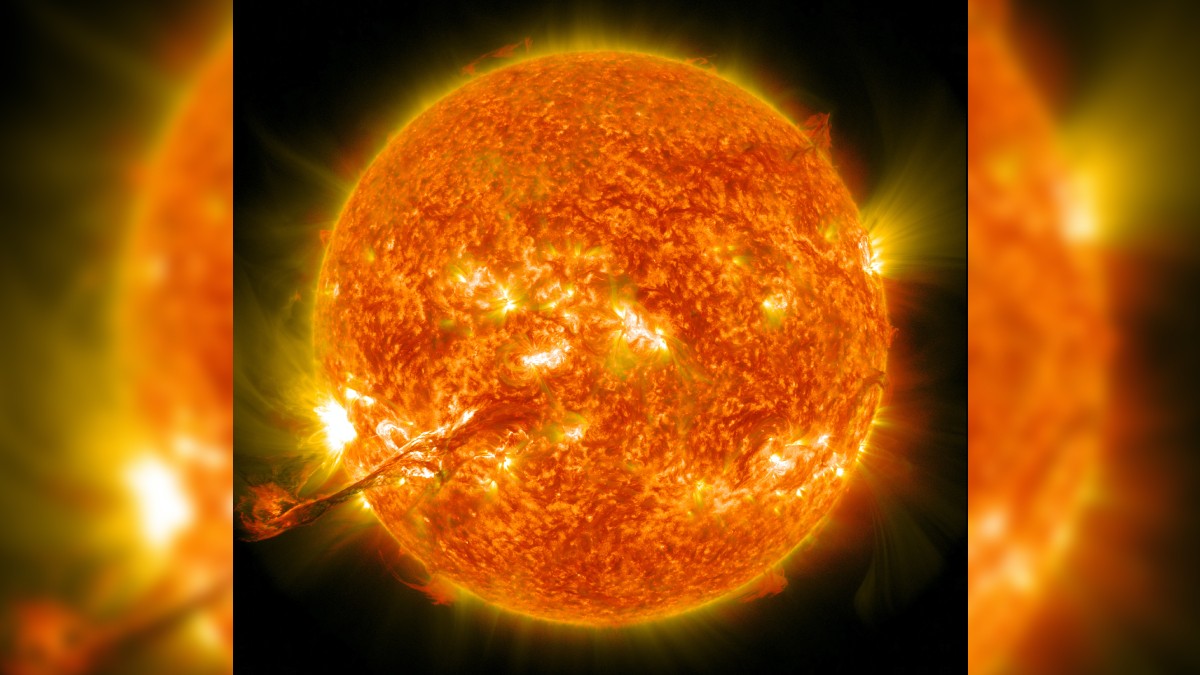
The Sun's surface is marked by electrically charged gases that keep generating powerful magnetic forces. Their area of influence is called magnetic fields. As these gases are dynamic, they continuously stretch and twist the magnetic fields. Sometimes, this tangling of magnetic fields causes a sudden explosion of energy called solar flares.
-
NASA's Parker Probe Briefly Enters Sun's Corona in Historic Pass Through Solar Atmosphere
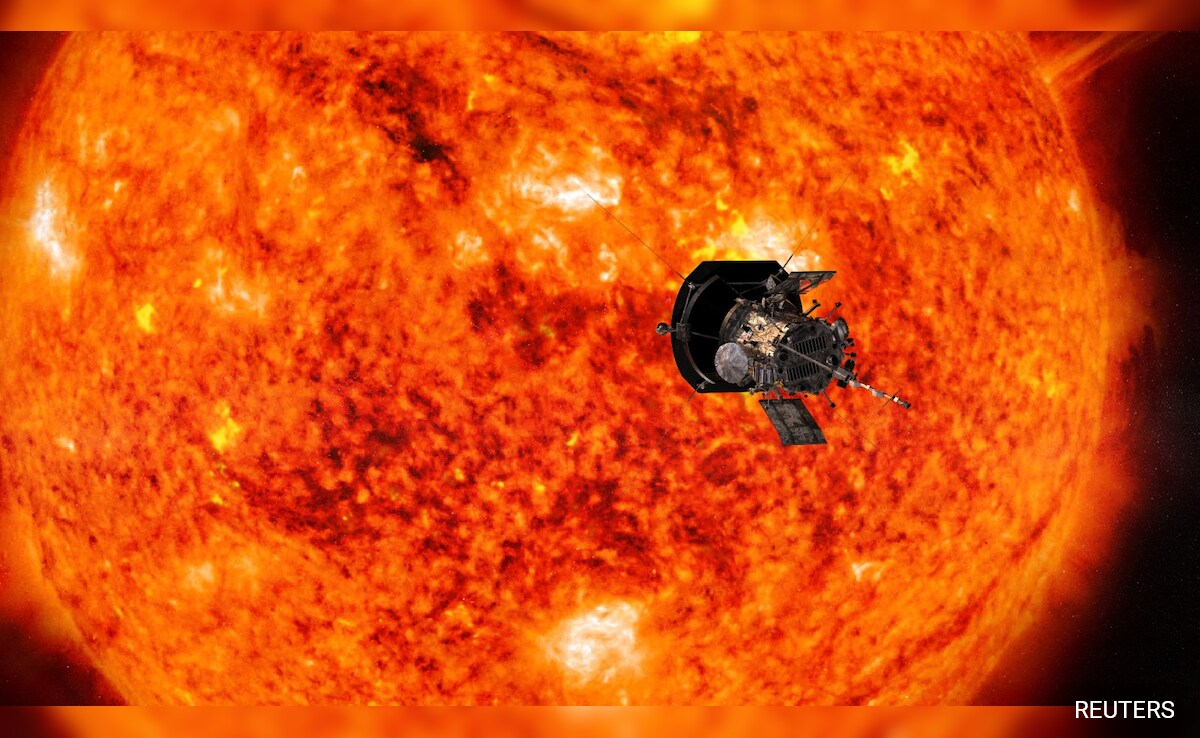
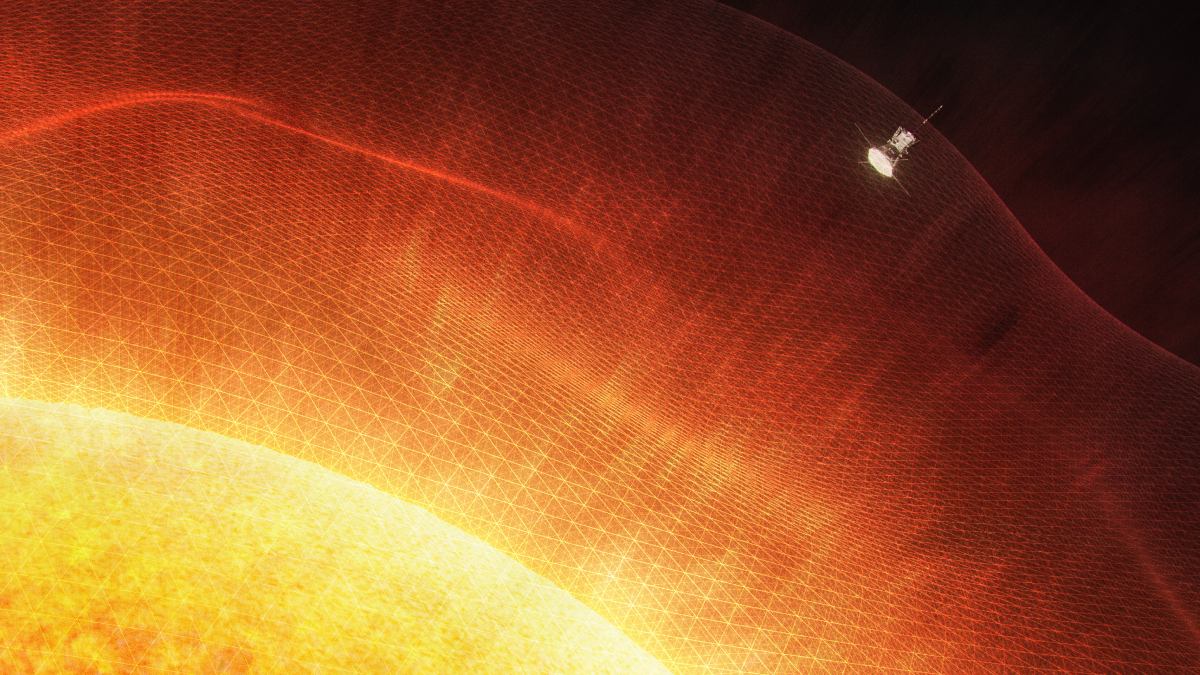
Parker Solar Probe, one of the most ambitious missions launched by NASA, has become the first spacecraft ever to pass through the Sun's atmosphere, venturing briefly into a region known as the corona.
-
NASA Spacecraft Breaks Record To Be Closest Human-Made Object To The Sun
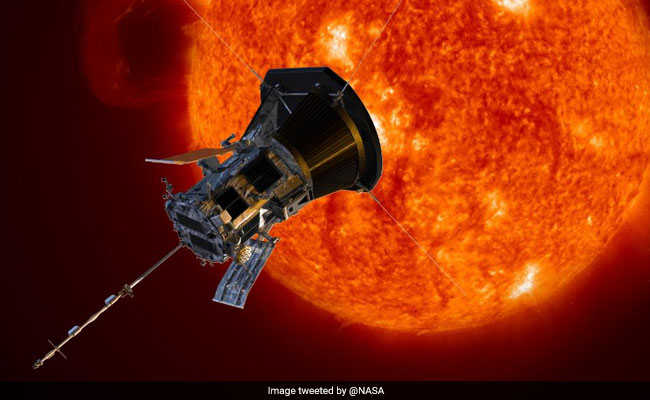
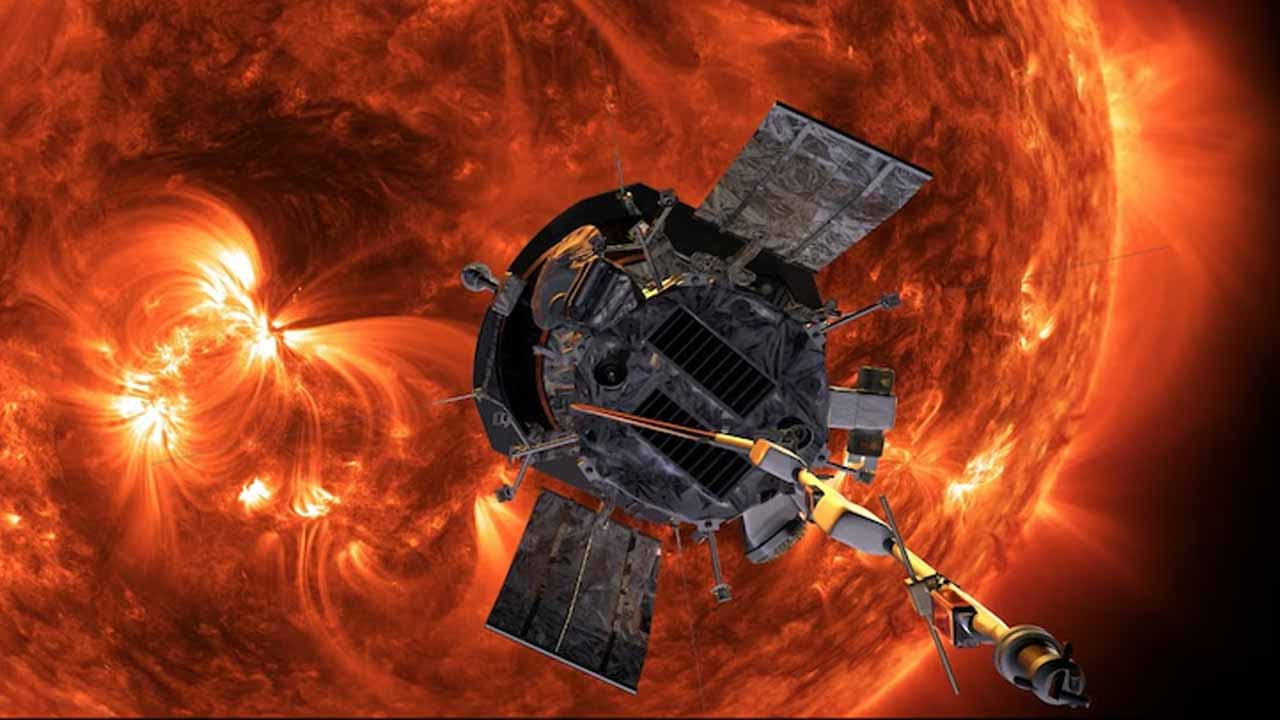
NASA's Parker Solar Probe, which launched earlier this year, has set a new record for becoming the closest human-made object to the Sun, the US space agency announced Monday.


-
NASA's Parker Solar Probe Reveals Sun's Powerful Eruptions And Mysterious Energy Return
Nour Rawafi, a project scientist at the Johns Hopkins Applied Physics Laboratory, explained that there had been previous indications that solar material could return in this way, but seeing it so clearly was truly remarkable.
-
NASA’s Parker Probe Sends Closest-Ever Images from Inside the Sun’s Corona
NASA’s Parker Solar Probe has achieved a solar milestone by capturing the closest-ever images of the Sun, taken just 3.8 million miles from its surface in December 2024. These WISPR images reveal unprecedented details of the corona, solar wind, and CME collisions. Scientists say this breakthrough will improve our ability to forecast space weather...
-
NASA Confirms Successful Flyby of Parker Solar Probe, Completes Closest Sun Approach
NASA's Parker Solar Probe has set an unprecedented milestone, coming 3.8 million miles from the Sun at a speed of 430,000 mph. Launched in 2018, the spacecraft has utilised Venus flybys to perfect its orbit, enabling this historic feat. With advanced technology, it endures extreme temperatures, gathering critical data about solar wind and particle ...
-
NASA's Solar Probe Safe After Closest-Ever Approach To Sun
NASA said on Friday that its Parker Solar Probe was "safe" and operating normally after successfully completing the closest-ever approach to the Sun by any human-made object.
-
Parker Solar Probe's Closest Sun Flyby Sets Records, Signal Expected Soon
The Parker Solar Probe achieved the closest-ever sun flyby on Christmas Eve, reaching within 3.8 million miles of the solar surface and travelling at 430,000 miles per hour. Scientists are now waiting for a signal expected on December 27 to confirm the spacecraft’s health. Detailed telemetry and collected data are anticipated by January 1, with o...
-
NASA's Parker Solar Probe Makes Closest Ever Pass By The Sun
NASA's pioneering Parker Solar Probe made history Tuesday, flying closer to the Sun than any other spacecraft with its heat shield exposed to scorching temperatures of more than 1,700 degrees Fahrenheit (930 degrees Celsius).
-
What Time Is NASA's Parker Solar Probe Closest Sun Flyby on Christmas Eve?
On Dec. 24 at 6:53 a.m. EST, NASA’s Parker Solar Probe will achieve its closest flyby of the Sun at 3.8 million miles. The mission, part of a seven-year study, aims to uncover the mysteries of the Sun’s corona and solar wind. Travelling at 430,000 mph, the spacecraft is protected by a heat shield designed to withstand extreme temperatures. Upda...
-
NASA’s Parker Solar Probe Achieves Closest Sun Flyby Ever on December 24
NASA’s Parker Solar Probe will make its closest-ever flyby of the sun on December 24, 2024, passing within 3.8 million miles of the solar surface at a speed of 430,000 mph. This marks the 22nd close encounter of the spacecraft’s mission, which aims to provide unprecedented insights into the sun’s corona and other solar phenomena. Despite extr...
-
NASA's Parker Solar Probe To Have Final Venus Flyby Today Ahead Of Historic Sun Encounter
The Parker Solar Probe was launched in 2018 on the mission to "touch" the Sun. It is just about the size of a small car.
-
"Dancing Loops": NASA Captures Eruptions On Sun, Emission Of Powerful Pair Of Solar Flares
NASA delighted its Instagram followers with two GIFs that captured the moment the Sun unleashed two powerful solar flares. These two energetic flashes erupted on May 7 and May 8 from sunspots identified as AR3663 and AR3664.
-
A Gigantic Black Spot On Sun Triggers Concern Among Astronomers
According to a report by NASA, sunspots are the area that appears on the surface of the sun.
-
NASA Shares Stunning Picture Of Solar Flare, Explains Its Impact On Earth
American space agency NASA on Sunday captured the moment the Sun emitted a powerful burst of energy into space.
-
NASA Shares Stunning Image of Solar Flares Recently Ejected by Sun
The Sun's surface is marked by electrically charged gases that keep generating powerful magnetic forces. Their area of influence is called magnetic fields. As these gases are dynamic, they continuously stretch and twist the magnetic fields. Sometimes, this tangling of magnetic fields causes a sudden explosion of energy called solar flares.
-
NASA's Parker Probe Briefly Enters Sun's Corona in Historic Pass Through Solar Atmosphere
Parker Solar Probe, one of the most ambitious missions launched by NASA, has become the first spacecraft ever to pass through the Sun's atmosphere, venturing briefly into a region known as the corona.
-
NASA Spacecraft Breaks Record To Be Closest Human-Made Object To The Sun
NASA's Parker Solar Probe, which launched earlier this year, has set a new record for becoming the closest human-made object to the Sun, the US space agency announced Monday.

