



Microbial Life
-
{
- All
- News
-

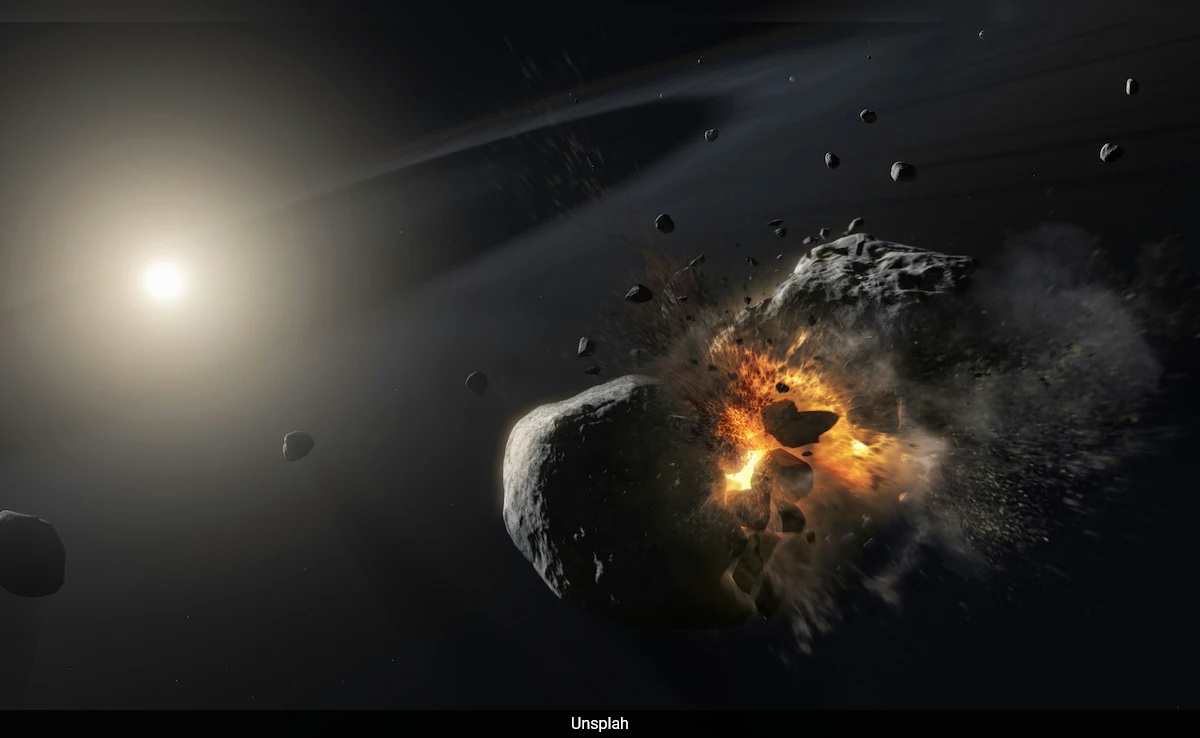
78 Million Years Ago, An Asteroid Hit Earth, Then Life Started In Its Crater
Scientists have discovered that microbial life colonised the Lappajarvi impact crater in Finland shortly after a massive asteroid struck 78 million years ago.
-
Study Links Microbial Colonization to Ancient Meteorite Crater: What You Need to Know
A Swedish team has precisely dated microbial life in Finland’s Lappajärvi crater. Isotopic traces show bacteria colonized the hydrothermal system just a few million years after the meteorite impact, thriving for millions of years. The finding suggests impact craters on Earth and Mars may provide lasting habitats for life.
-
Life on Mars? Studies Suggest Bacteria-Like Organisms Could Exist
New findings indicate that Mars' past conditions may have supported microbial life. Research draws parallels with extremophiles—microorganisms that thrive in extreme environments on Earth. Studies on bacteria like Helicobacter pylori suggest that if life exists on Mars, it might resemble resilient microbes found in human stomachs. Scientists cont...
-
Curiosity Rover Finds Evidence of Liquid Water on Mars, Expanding Habitability Timeline
Reports from NASA’s Curiosity rover reveal evidence of ancient liquid water on Mars, challenging previous models. Images from Gale Crater show wave-like ripples, similar to Earth’s lakebeds. Scientists suggest the findings indicate Mars once had a denser atmosphere, which allowed liquid water to exist longer than previously believed. This disco...
-
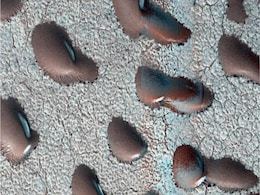
Mars Satellite Images Reveal Giant 'Kidney Beans,' Sparking Hints of Water and Life
NASA's Mars Reconnaissance Orbiter captured images of frozen sand dunes in Mars' northern hemisphere, revealing unique formations halted by carbon dioxide frost during winter. Unlike Earth's desert dunes, which shift with wind, these Martian dunes remain stationary until spring thaw releases their icy grip. Scientists study these features to unders...
-
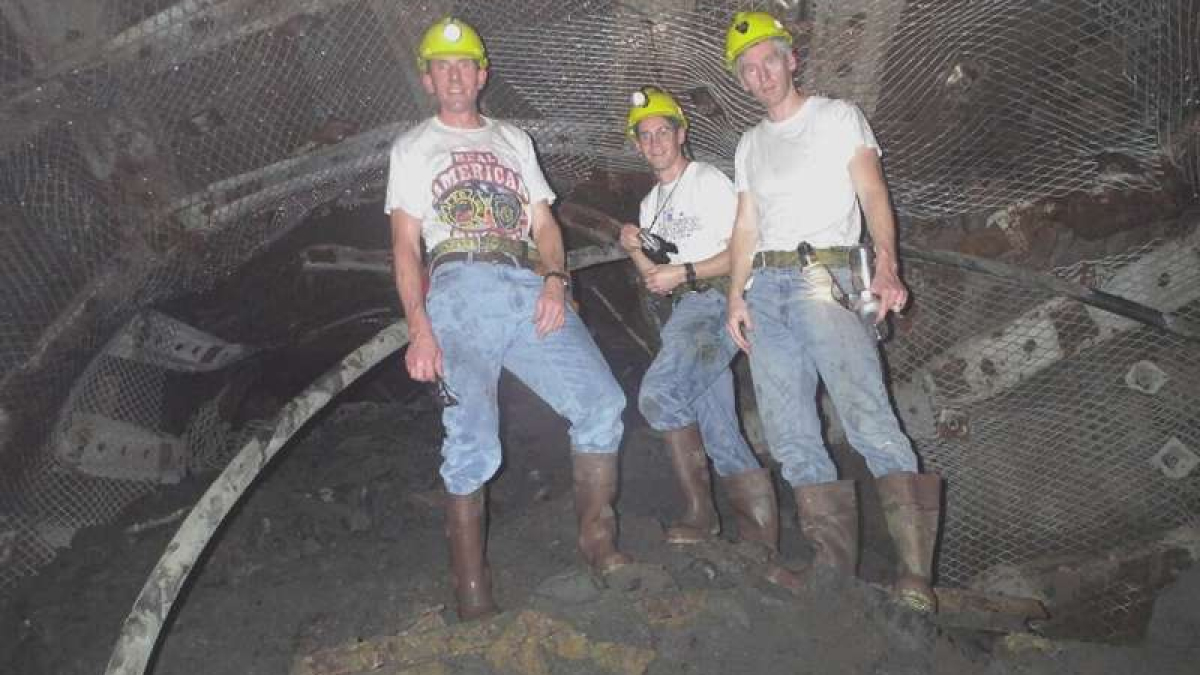
New Study Reveals Incredible Microbial Life Deep Under Earth’s Surface
A groundbreaking study published in Science Advances has revealed the extensive microbial life thriving beneath Earth's surface. The research led by Emil Ruff uncovers diverse ecosystems at depths of up to 4,375 metres, challenging previous assumptions about energy limitations in deep environments. It also suggests that Earth's subsurface microbes ...
-
NASA’s Viking Mission May Have Destroyed Martian Life with Water Experiments
In 1975, NASA’s Viking mission tested Martian soil for microbial life using liquid water. A recent theory suggests this approach may have destroyed microbes adapted to Mars' dry, salt-driven conditions. Astrobiologist Dirk Schulze-Makuch proposes revisiting our assumptions about life on Mars and prioritising methods suited to its hyperarid enviro...
-
NASA Study Suggests Microbial Life May Thrive Beneath Martian Ice
NASA's study explores how Martian ice could harbour life by creating meltwater pockets beneath the surface that allow photosynthesis. Dust within the ice might absorb sunlight, warming it enough to create these pockets. The findings highlight the possibility of microbial life in Mars’ tropical regions, where sunlight may penetrate deep into the i...
-
Colossal Meteorite Impact 3 Billion Years Ago May Have Boosted Early Life on Earth
Around 3.26 billion years ago, a giant meteorite, 200 times larger than the one that killed the dinosaurs, struck Earth. This impact stirred up nutrients from the ocean floor, like phosphorus and iron, that may have given early microbes a much-needed boost. While the event was likely catastrophic for some life forms, it also created opportunities f...
-
NASA's Study Suggests Life Could Thrive Beneath Ice in Mars
NASA's latest study proposes that meltwater beneath Mars' icy surface could sustain microbial life. Researchers utilised advanced computer modelling to demonstrate that sunlight can penetrate water ice enough to allow photosynthesis in shallow meltwater pools. These pools, which may form in the Martian tropics, could provide a protective environmen...
-
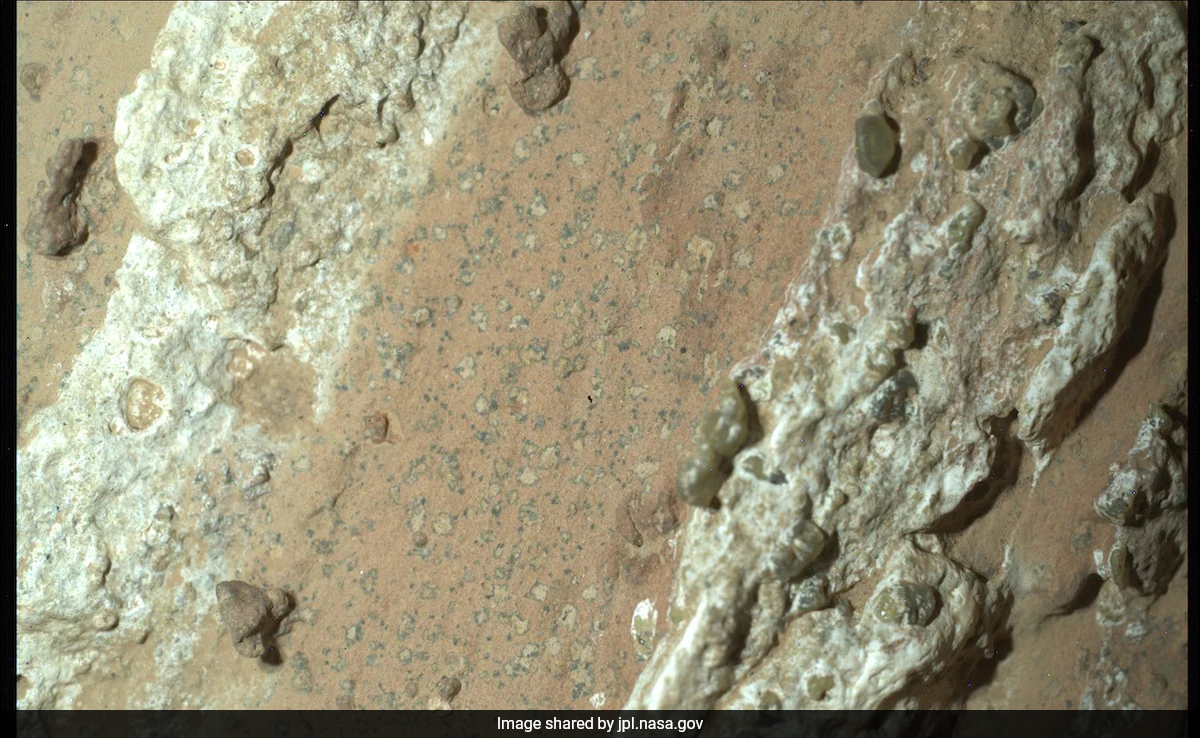
NASA's Perseverance Rover Finds First Possible Hint Of Ancient Life On Mars
The rover recently discovered a rock sample, nicknamed "Cheyava Falls," which contains organic molecules and structures that could have been formed by microbial life.

-
78 Million Years Ago, An Asteroid Hit Earth, Then Life Started In Its Crater
Scientists have discovered that microbial life colonised the Lappajarvi impact crater in Finland shortly after a massive asteroid struck 78 million years ago.
-
Study Links Microbial Colonization to Ancient Meteorite Crater: What You Need to Know
A Swedish team has precisely dated microbial life in Finland’s Lappajärvi crater. Isotopic traces show bacteria colonized the hydrothermal system just a few million years after the meteorite impact, thriving for millions of years. The finding suggests impact craters on Earth and Mars may provide lasting habitats for life.
-
Life on Mars? Studies Suggest Bacteria-Like Organisms Could Exist
New findings indicate that Mars' past conditions may have supported microbial life. Research draws parallels with extremophiles—microorganisms that thrive in extreme environments on Earth. Studies on bacteria like Helicobacter pylori suggest that if life exists on Mars, it might resemble resilient microbes found in human stomachs. Scientists cont...
-
Curiosity Rover Finds Evidence of Liquid Water on Mars, Expanding Habitability Timeline
Reports from NASA’s Curiosity rover reveal evidence of ancient liquid water on Mars, challenging previous models. Images from Gale Crater show wave-like ripples, similar to Earth’s lakebeds. Scientists suggest the findings indicate Mars once had a denser atmosphere, which allowed liquid water to exist longer than previously believed. This disco...
-
Mars Satellite Images Reveal Giant 'Kidney Beans,' Sparking Hints of Water and Life
NASA's Mars Reconnaissance Orbiter captured images of frozen sand dunes in Mars' northern hemisphere, revealing unique formations halted by carbon dioxide frost during winter. Unlike Earth's desert dunes, which shift with wind, these Martian dunes remain stationary until spring thaw releases their icy grip. Scientists study these features to unders...
-
New Study Reveals Incredible Microbial Life Deep Under Earth’s Surface
A groundbreaking study published in Science Advances has revealed the extensive microbial life thriving beneath Earth's surface. The research led by Emil Ruff uncovers diverse ecosystems at depths of up to 4,375 metres, challenging previous assumptions about energy limitations in deep environments. It also suggests that Earth's subsurface microbes ...
-
NASA’s Viking Mission May Have Destroyed Martian Life with Water Experiments
In 1975, NASA’s Viking mission tested Martian soil for microbial life using liquid water. A recent theory suggests this approach may have destroyed microbes adapted to Mars' dry, salt-driven conditions. Astrobiologist Dirk Schulze-Makuch proposes revisiting our assumptions about life on Mars and prioritising methods suited to its hyperarid enviro...
-
NASA Study Suggests Microbial Life May Thrive Beneath Martian Ice
NASA's study explores how Martian ice could harbour life by creating meltwater pockets beneath the surface that allow photosynthesis. Dust within the ice might absorb sunlight, warming it enough to create these pockets. The findings highlight the possibility of microbial life in Mars’ tropical regions, where sunlight may penetrate deep into the i...
-
Colossal Meteorite Impact 3 Billion Years Ago May Have Boosted Early Life on Earth
Around 3.26 billion years ago, a giant meteorite, 200 times larger than the one that killed the dinosaurs, struck Earth. This impact stirred up nutrients from the ocean floor, like phosphorus and iron, that may have given early microbes a much-needed boost. While the event was likely catastrophic for some life forms, it also created opportunities f...
-
NASA's Study Suggests Life Could Thrive Beneath Ice in Mars
NASA's latest study proposes that meltwater beneath Mars' icy surface could sustain microbial life. Researchers utilised advanced computer modelling to demonstrate that sunlight can penetrate water ice enough to allow photosynthesis in shallow meltwater pools. These pools, which may form in the Martian tropics, could provide a protective environmen...
-
NASA's Perseverance Rover Finds First Possible Hint Of Ancient Life On Mars
The rover recently discovered a rock sample, nicknamed "Cheyava Falls," which contains organic molecules and structures that could have been formed by microbial life.

