



Heliosphere
-
{
- All
- News
-

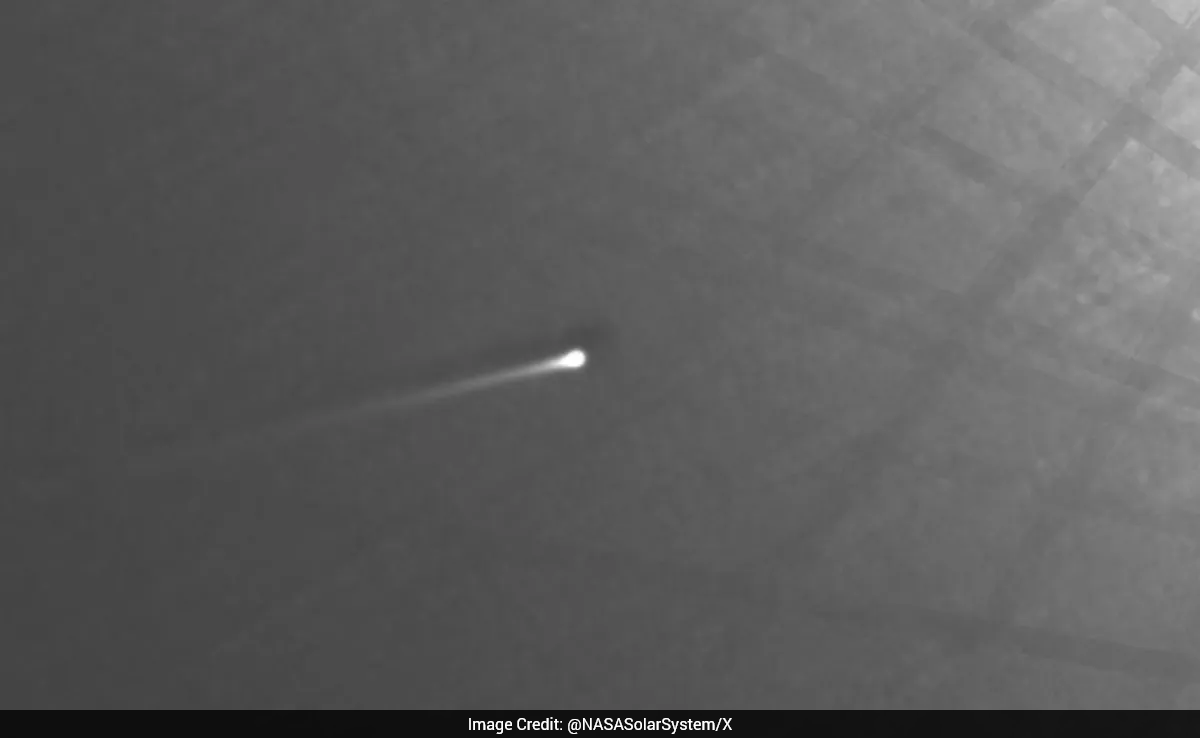
NASA Captures Comet Disintegrating Near Sun During Close Flyby
On April 4, comet C/2026 A1 (MAPS) moved toward the Sun, passing at a distance about twice as far from the Sun as the Moon is from Earth.
-
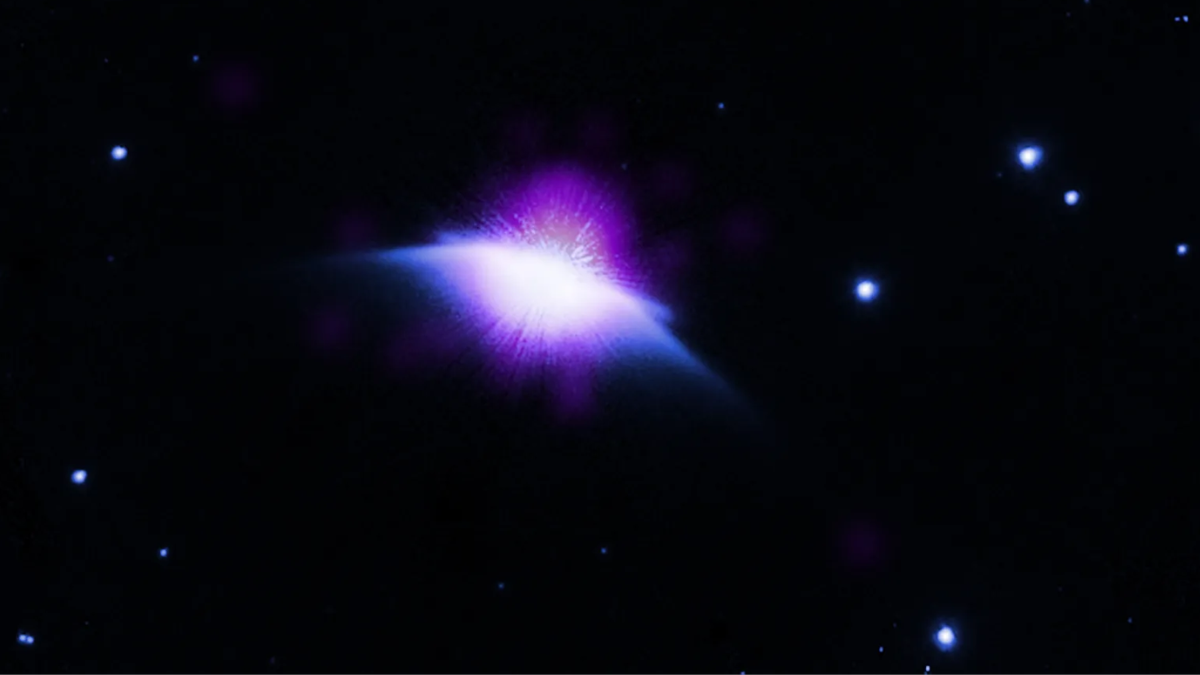
Chandra Detects Giant X-Ray Bubble Around Young Sun-Like Star HD 61005
NASA astronomers using the Chandra X-ray Observatory have discovered a vast, million-degree gas bubble surrounding HD 61005, a 100-million-year-old Sun-like star about 120 light-years away. Its stellar wind is far stronger than today’s solar wind, forming a 200 astronomical unit-wide astrosphere that offers rare insight into how the young Sun onc...
-
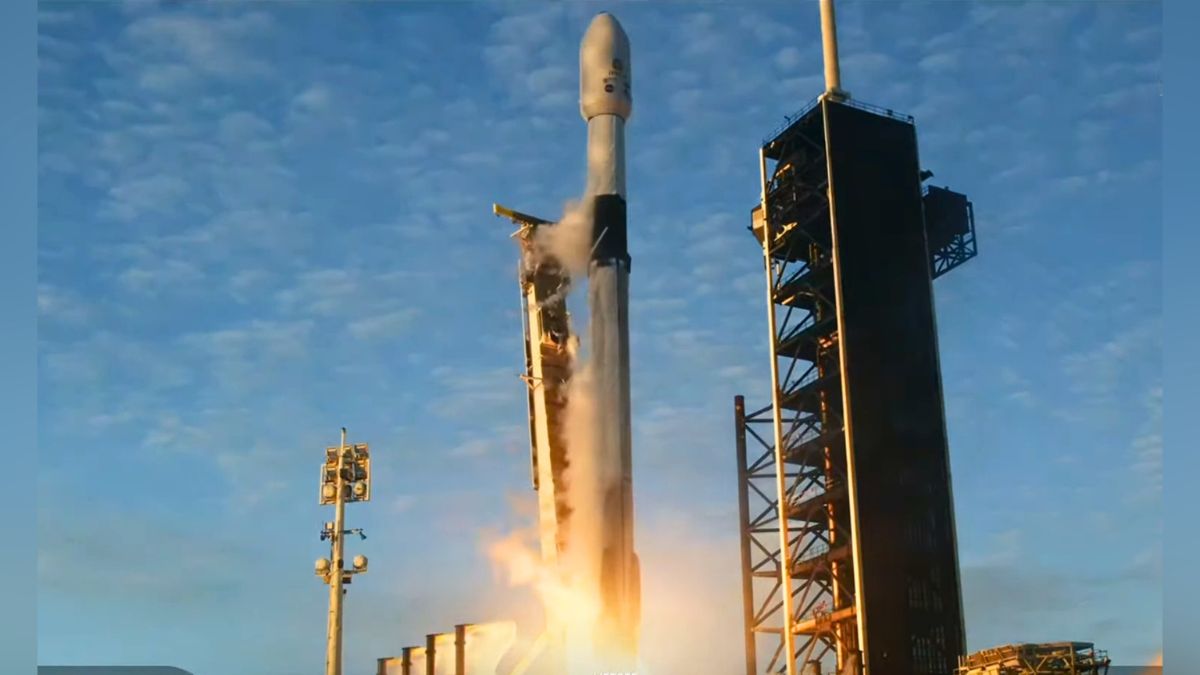
SpaceX Launches IMAP, CGO, SWFO-L1 to Probe Solar Frontier and Space Weather
A Falcon 9 lifted off from Kennedy Space Center on Sept. 24, 2025, carrying NASA’s IMAP, CGO, and SWFO-L1 spacecraft. The mission aims to chart the heliosphere’s boundary, monitor Earth’s geocorona, and deliver constant space-weather alerts, protecting satellites and astronauts while expanding knowledge of the solar system’s outer edge.
-
What Is Heliosphere? NASA's New Mission To Study Sun's Protective Bubble
NASA launched the Interstellar Mapping and Acceleration Probe (IMAP) spacecraft from Kennedy Space Center in Florida on Wednesday, September 24.
-
NASA’s Parker Probe Sends Closest-Ever Images from Inside the Sun’s Corona
NASA’s Parker Solar Probe has achieved a solar milestone by capturing the closest-ever images of the Sun, taken just 3.8 million miles from its surface in December 2024. These WISPR images reveal unprecedented details of the corona, solar wind, and CME collisions. Scientists say this breakthrough will improve our ability to forecast space weather...
-
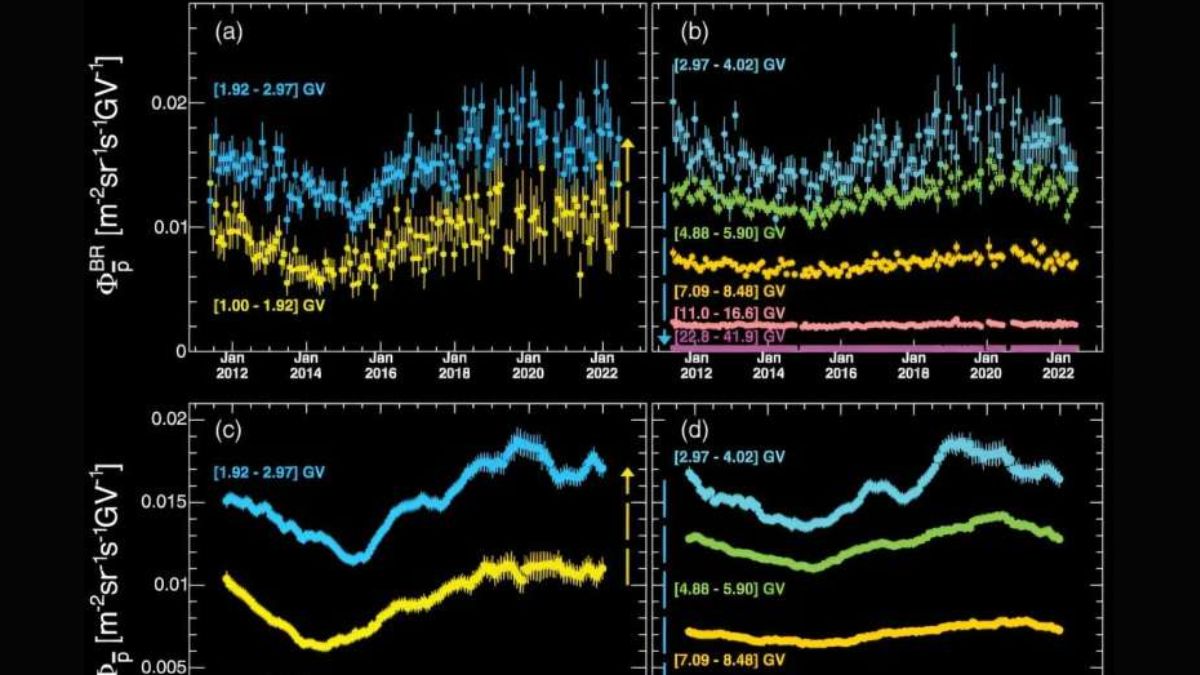
AMS Data Reveals Charged Particle Variations in Heliosphere Over Solar Cycle
Researchers analysing AMS data aboard the ISS have identified variations in charged particles within the heliosphere over an 11-year solar cycle. Shifts in the heliospheric magnetic field impact antiproton behaviour and cosmic nuclei fluxes, revealing correlations between solar modulation and cosmic ray movement. AMS measurements provide insights i...
-
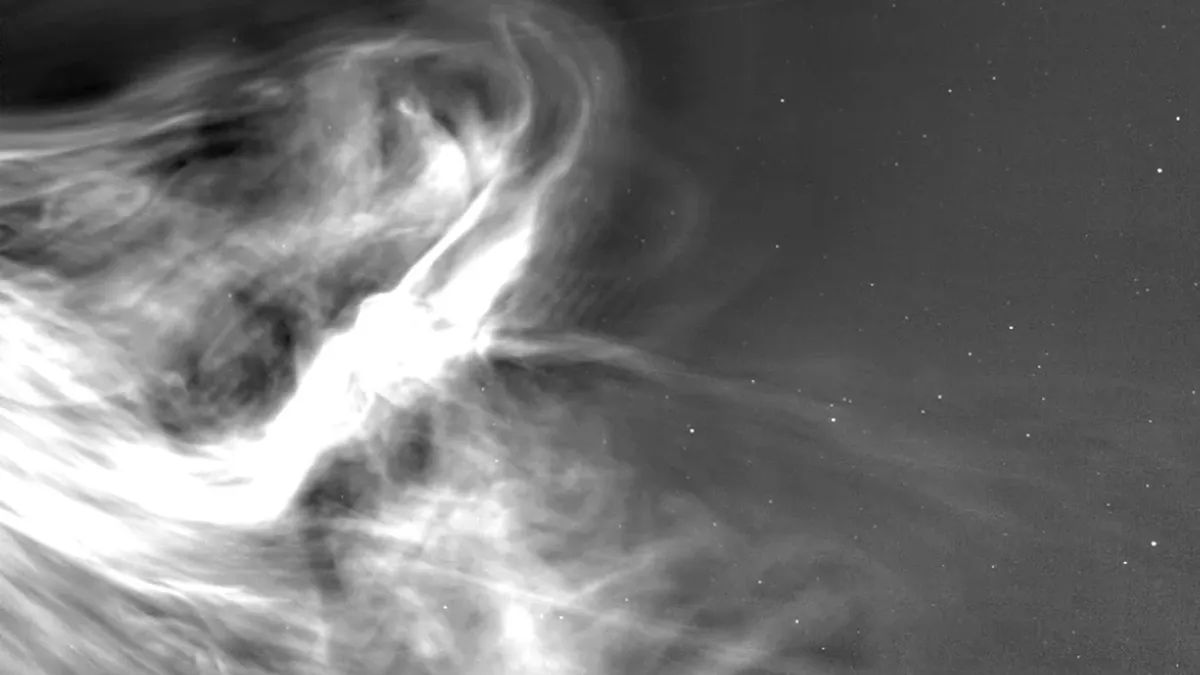
NASA’s PUNCH Mission Set to Track the Sun’s Corona and Solar Wind in 3D
NASA’s PUNCH mission, set for launch on Feb 27, will deploy four satellites to study the transition between the sun’s corona and the solar wind. The mission aims to improve understanding of space weather by capturing 3D images, helping predict solar storms with greater accuracy. The data will also complement NASA’s Parker Solar Probe, offerin...
-
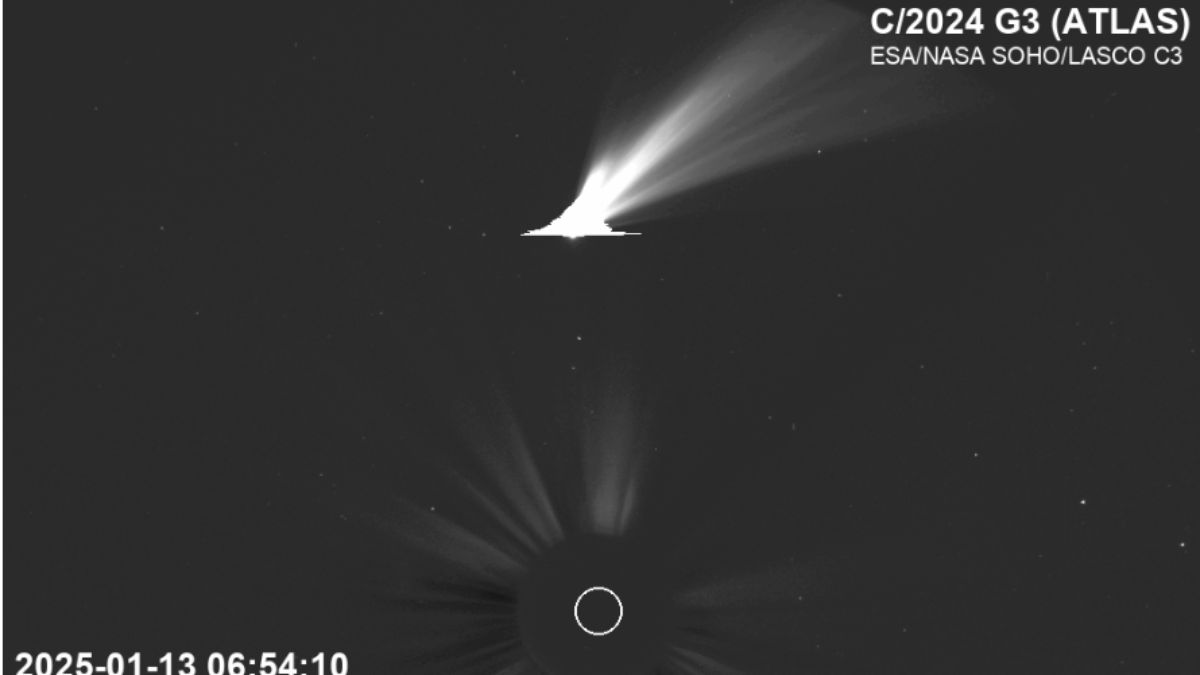
Comet ATLAS Offers Stunning Display as It Nears the Sun
Comet C/2024 G3 (ATLAS) recently passed within 8 million miles of the Sun, capturing the attention of astronomers. Observed by NASA and ESA’s Solar and Heliospheric Observatory (SOHO), the comet’s tail extended dramatically as it encountered intense solar winds, providing a unique opportunity to study the Sun’s impact on comets. The event, wh...
-
"Did Not Survive": NASA Films Comet Plunging Into Sun
American Space Agency NASA's Solar Heliospheric Observatory (SOHO) has captured images of a comet disintegrating as it approached the Sun.
-
Nasa's Ibex Defines Interstellar Magnetic Field
A new study uses IBEX data and simulations of the interstellar boundary to better describe space in our galactic neighbourhood.
-
Sun's Heliosphere Dominated by 2 Solar Jets: NASA
The Sun's heliosphere is dominated by two giant jets of material shooting backwards over the north and south poles of the star, according to a new NASA-funded study.

-
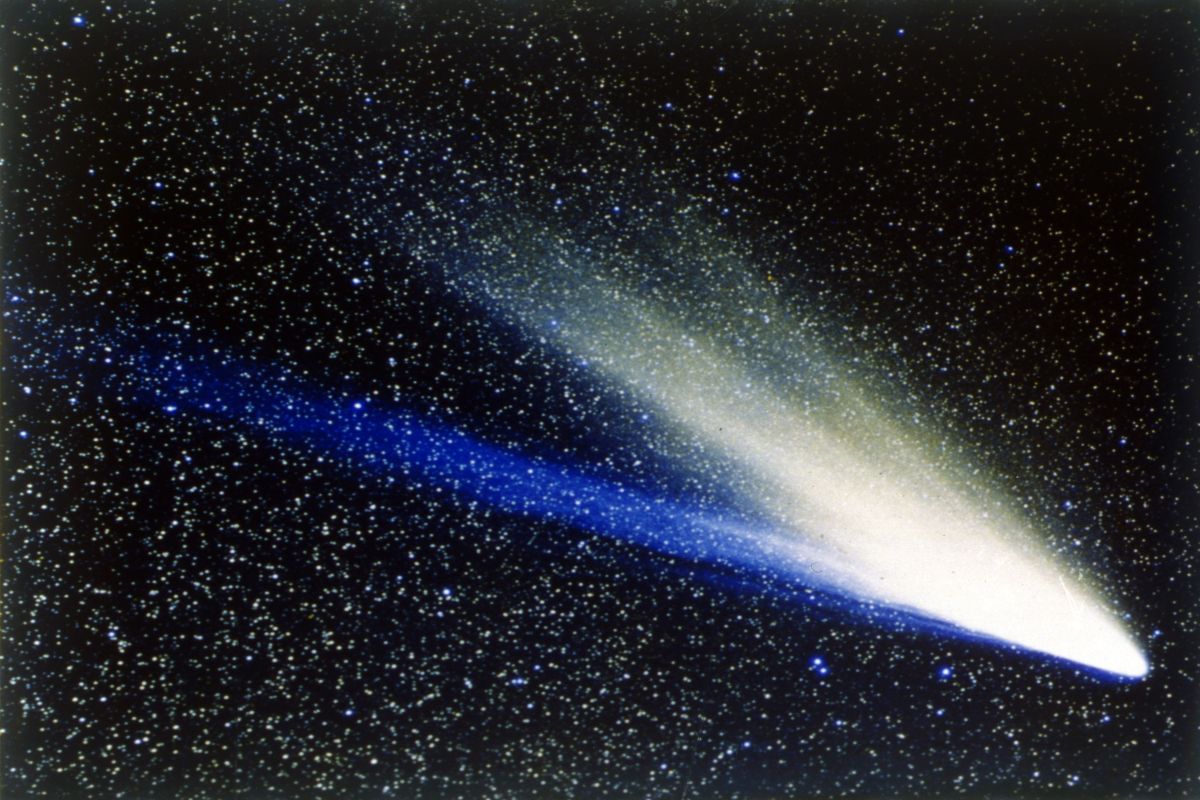
NASA Captures Comet Disintegrating Near Sun During Close Flyby
On April 4, comet C/2026 A1 (MAPS) moved toward the Sun, passing at a distance about twice as far from the Sun as the Moon is from Earth.
-
Chandra Detects Giant X-Ray Bubble Around Young Sun-Like Star HD 61005
NASA astronomers using the Chandra X-ray Observatory have discovered a vast, million-degree gas bubble surrounding HD 61005, a 100-million-year-old Sun-like star about 120 light-years away. Its stellar wind is far stronger than today’s solar wind, forming a 200 astronomical unit-wide astrosphere that offers rare insight into how the young Sun onc...
-
SpaceX Launches IMAP, CGO, SWFO-L1 to Probe Solar Frontier and Space Weather
A Falcon 9 lifted off from Kennedy Space Center on Sept. 24, 2025, carrying NASA’s IMAP, CGO, and SWFO-L1 spacecraft. The mission aims to chart the heliosphere’s boundary, monitor Earth’s geocorona, and deliver constant space-weather alerts, protecting satellites and astronauts while expanding knowledge of the solar system’s outer edge.
-
What Is Heliosphere? NASA's New Mission To Study Sun's Protective Bubble
NASA launched the Interstellar Mapping and Acceleration Probe (IMAP) spacecraft from Kennedy Space Center in Florida on Wednesday, September 24.
-
NASA’s Parker Probe Sends Closest-Ever Images from Inside the Sun’s Corona
NASA’s Parker Solar Probe has achieved a solar milestone by capturing the closest-ever images of the Sun, taken just 3.8 million miles from its surface in December 2024. These WISPR images reveal unprecedented details of the corona, solar wind, and CME collisions. Scientists say this breakthrough will improve our ability to forecast space weather...
-
AMS Data Reveals Charged Particle Variations in Heliosphere Over Solar Cycle
Researchers analysing AMS data aboard the ISS have identified variations in charged particles within the heliosphere over an 11-year solar cycle. Shifts in the heliospheric magnetic field impact antiproton behaviour and cosmic nuclei fluxes, revealing correlations between solar modulation and cosmic ray movement. AMS measurements provide insights i...
-
NASA’s PUNCH Mission Set to Track the Sun’s Corona and Solar Wind in 3D
NASA’s PUNCH mission, set for launch on Feb 27, will deploy four satellites to study the transition between the sun’s corona and the solar wind. The mission aims to improve understanding of space weather by capturing 3D images, helping predict solar storms with greater accuracy. The data will also complement NASA’s Parker Solar Probe, offerin...
-
Comet ATLAS Offers Stunning Display as It Nears the Sun
Comet C/2024 G3 (ATLAS) recently passed within 8 million miles of the Sun, capturing the attention of astronomers. Observed by NASA and ESA’s Solar and Heliospheric Observatory (SOHO), the comet’s tail extended dramatically as it encountered intense solar winds, providing a unique opportunity to study the Sun’s impact on comets. The event, wh...
-
"Did Not Survive": NASA Films Comet Plunging Into Sun
American Space Agency NASA's Solar Heliospheric Observatory (SOHO) has captured images of a comet disintegrating as it approached the Sun.
-
Nasa's Ibex Defines Interstellar Magnetic Field
A new study uses IBEX data and simulations of the interstellar boundary to better describe space in our galactic neighbourhood.
-
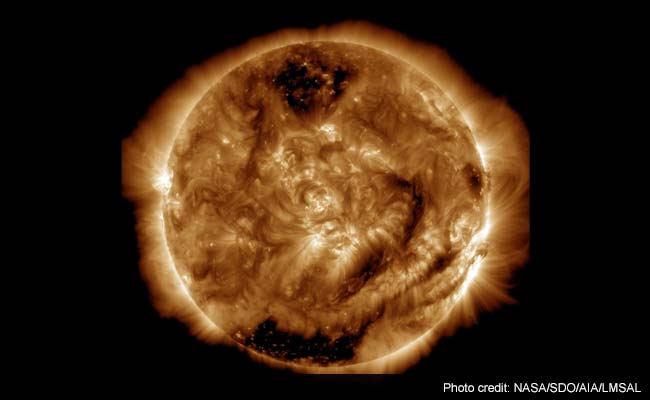
Sun's Heliosphere Dominated by 2 Solar Jets: NASA
The Sun's heliosphere is dominated by two giant jets of material shooting backwards over the north and south poles of the star, according to a new NASA-funded study.

