



Galaxy Star
-
{
- All
- News
- Videos
- Photos
- Web Stories
-

Ancient Star in Pictor II Reveals Secrets of Early Universe
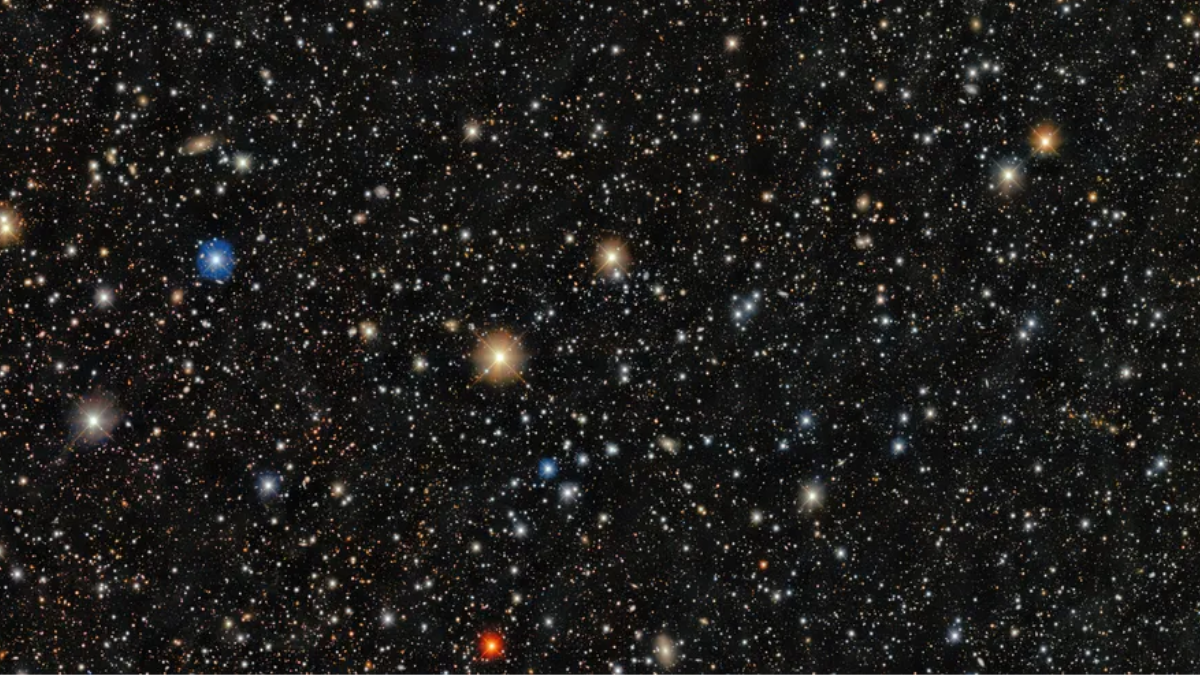
Astronomers have discovered one of the oldest known stars, PicII-503, in the Pictor II dwarf galaxy. With extremely low iron content, the star offers rare insight into the second generation of stars and the early chemical evolution of the universe.
-
NASA Captures Rare Neutron Star Collision In Tiny Distant Galaxy
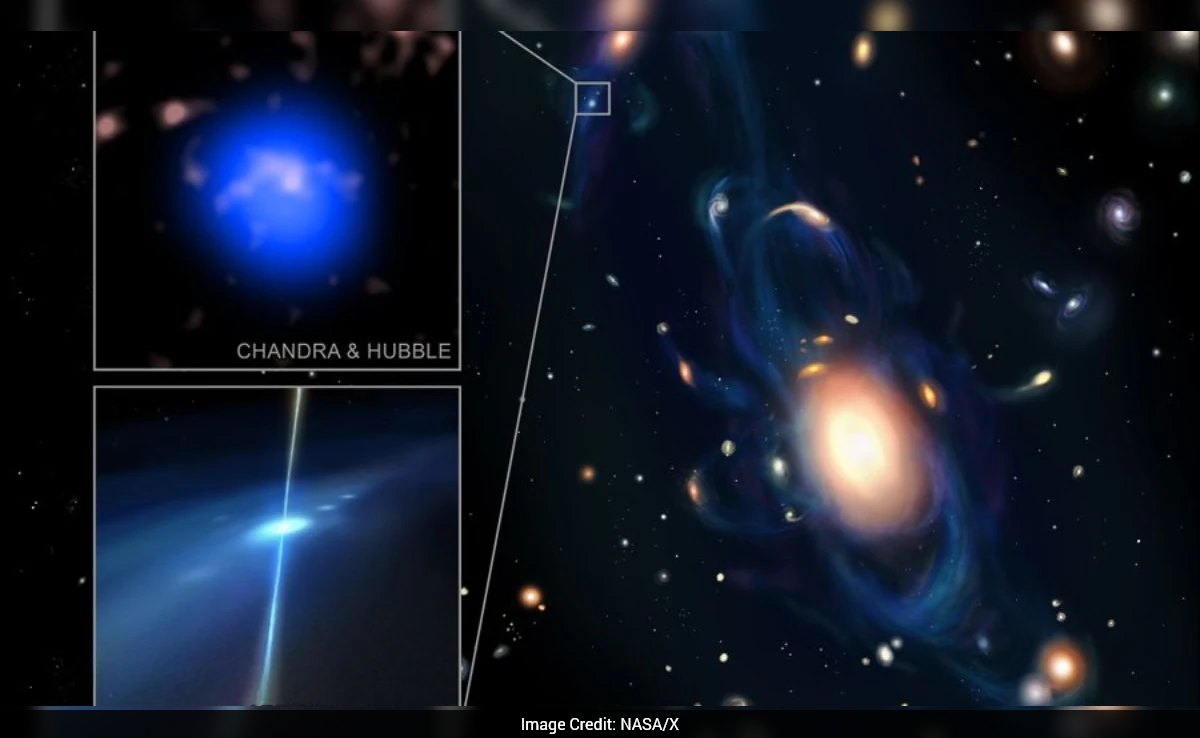
Scientists believe this long stream of gas may have formed when several galaxies collided millions of years ago.
-
Dramatic Planet Collision In Distant Galaxy May Explain How Earth's Moon Was Formed 4.5 Billion Years Ago
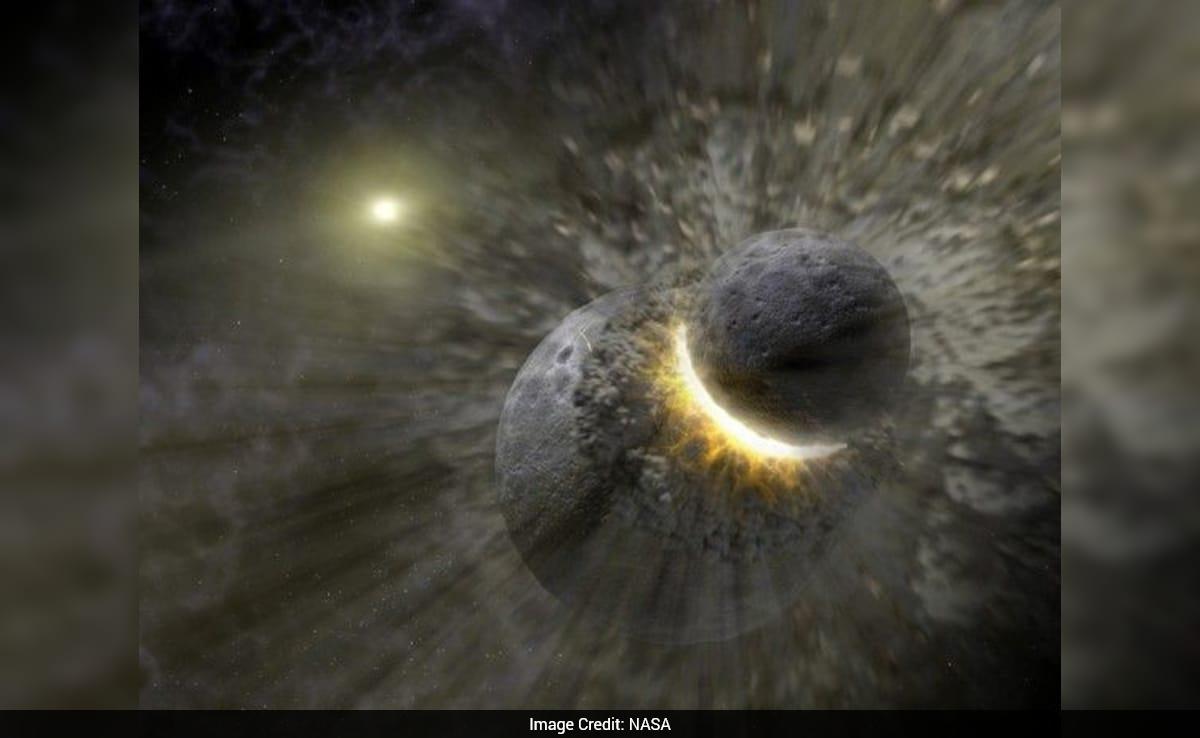
Scientists observe a dramatic collision between two planets, offering insights into the formation of Earth's Moon 4.5 billion years ago.
-
NASA's Hubble Images Show Binary Stars Can Shape the Evolution of Star Clusters
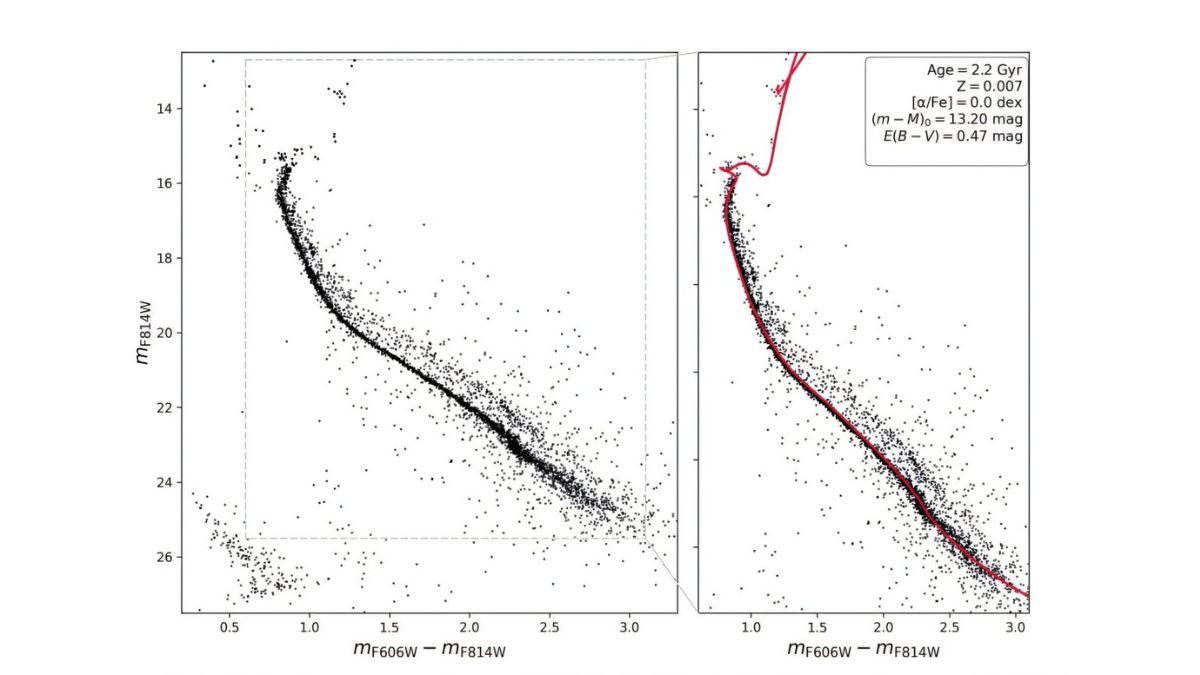
Astronomers studying the young star cluster Pismis 24 in the Lobster Nebula found many stars exist in binary systems
-
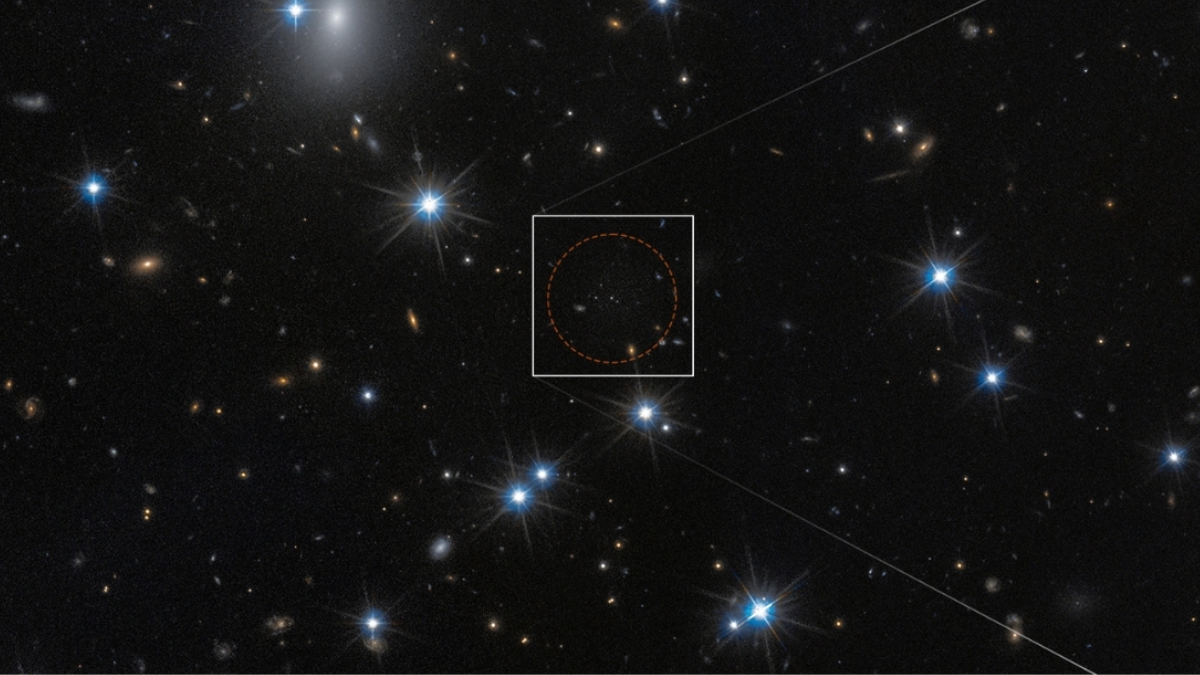
Astronomers Find ‘Impossible’ Galaxy ACDG-2 With Virtually No Stars and a Massive Dark Matter Core
Astronomers have identified CDG-2, a faint galaxy in the Perseus cluster that appears to be composed almost entirely of dark matter. Located 300 million light-years from Earth, it was discovered by tracking globular star clusters using data from Hubble, Euclid, and Subaru telescopes. Scientists estimate that about 99% of its total mass is dark matt...
-
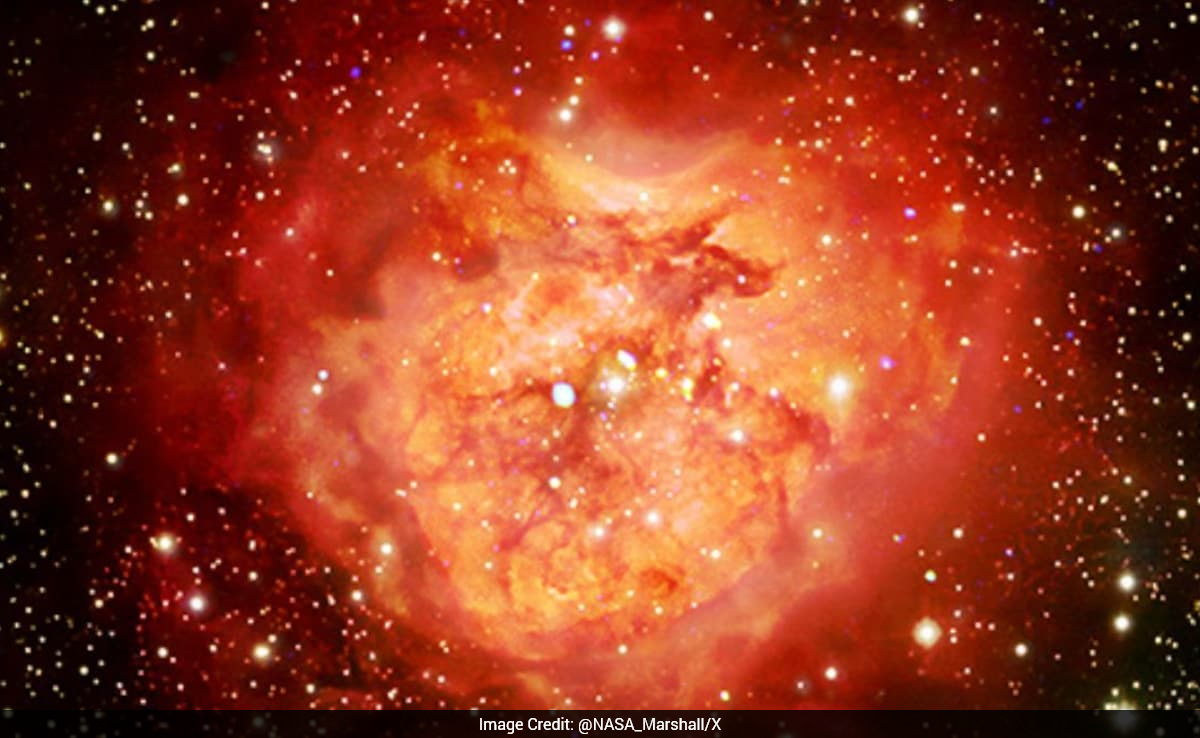
NASA Shares Heart-Shaped Nebula Image To Mark Valentine's Day
In this image, the Cocoon Nebula appears as a glowing, heart-shaped cloud, with a star-filled sky stretching behind it.
-
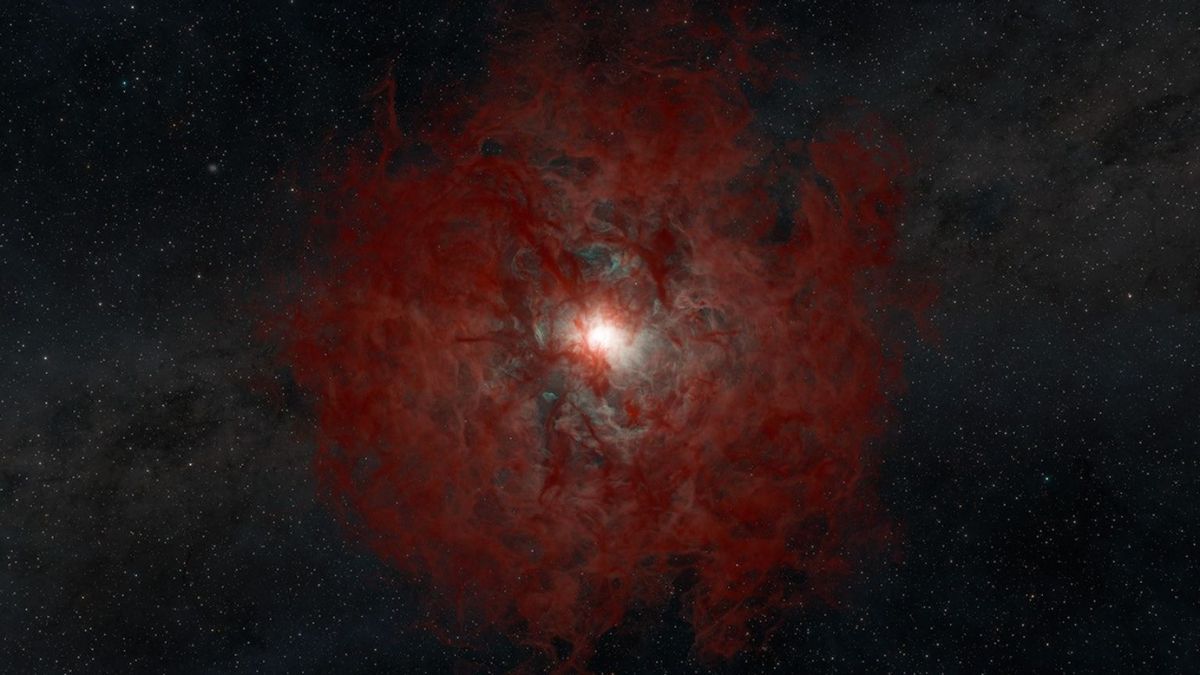
Astronomers Witness Rare Failed Supernova in Andromeda Galaxy
NASA’s NEOWISE infrared telescope has provided striking evidence that a massive star in the Andromeda galaxy collapsed directly into a black hole without exploding as a supernova. The star, M31-2014-DS1, faded dramatically in visible light while leaving a faint infrared glow from surrounding dust. Astronomers say this rare “failed supernova” ...
-
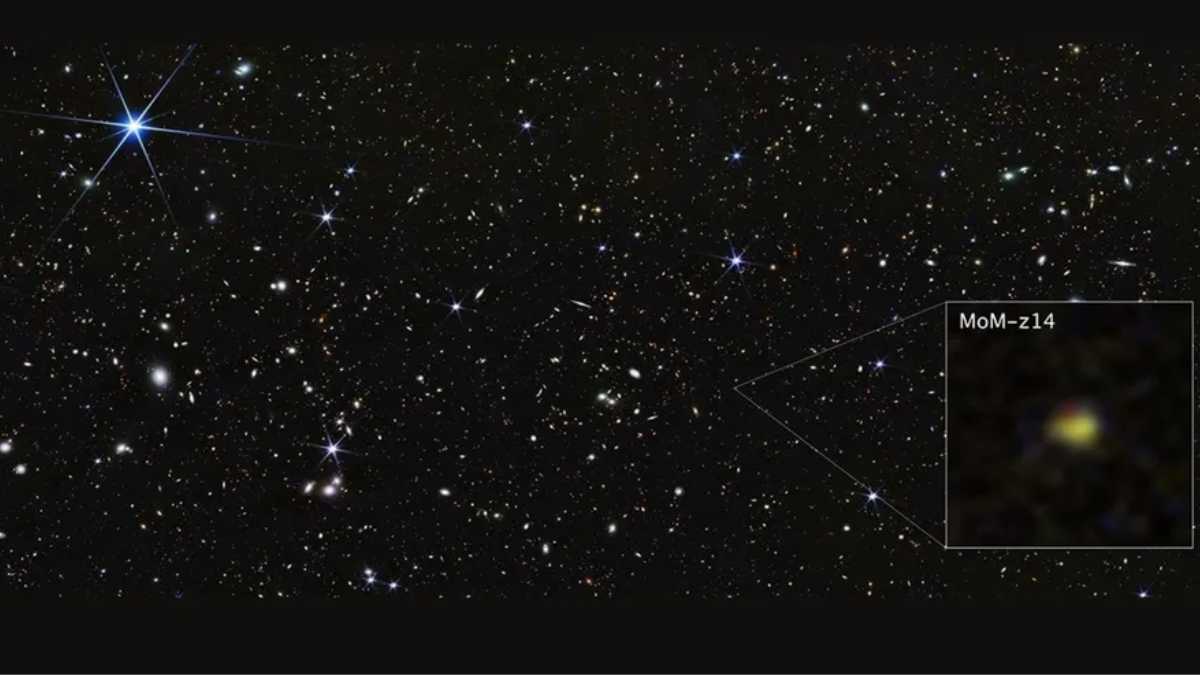
James Webb Telescope Discovers Most Distant Galaxy From Just 300 Million Years After the Big Bang
The James Webb Space Telescope has discovered the most distant galaxy ever observed, JADES-GS-z14-0, seen as it existed just 300 million years after the Big Bang. Its unexpected brightness and chemical complexity suggest rapid early star formation, challenging long-standing theories about how the first galaxies evolved in the early universe.
-
Astronomers Capture First Detailed View of Hot Gas Swirling Around Black Holes
Japan’s XRISM X-ray observatory has delivered the first detailed maps of hot gas swirling around supermassive black holes in the Virgo and Perseus galaxy clusters. The data reveal intense turbulence, like cosmic storms driven by black hole jets. This churning heats the gas, stopping it from cooling and collapsing into new stars, explaining why cl...
-
JWST Uncovers the Origins of the Universe’s First Supermassive Black Holes
James Webb Space Telescope observations reveal that the earliest supermassive black holes formed from massive gas clouds collapsing directly into heavy seeds. This process bypassed normal star formation, allowing black holes to reach millions of solar masses within just 200–500 million years after the Big Bang, solving a long-standing cosmic myst...











-
Ancient Star in Pictor II Reveals Secrets of Early Universe
Astronomers have discovered one of the oldest known stars, PicII-503, in the Pictor II dwarf galaxy. With extremely low iron content, the star offers rare insight into the second generation of stars and the early chemical evolution of the universe.
-
NASA Captures Rare Neutron Star Collision In Tiny Distant Galaxy
Scientists believe this long stream of gas may have formed when several galaxies collided millions of years ago.
-
Dramatic Planet Collision In Distant Galaxy May Explain How Earth's Moon Was Formed 4.5 Billion Years Ago
Scientists observe a dramatic collision between two planets, offering insights into the formation of Earth's Moon 4.5 billion years ago.
-
NASA's Hubble Images Show Binary Stars Can Shape the Evolution of Star Clusters
Astronomers studying the young star cluster Pismis 24 in the Lobster Nebula found many stars exist in binary systems
-
Astronomers Find ‘Impossible’ Galaxy ACDG-2 With Virtually No Stars and a Massive Dark Matter Core
Astronomers have identified CDG-2, a faint galaxy in the Perseus cluster that appears to be composed almost entirely of dark matter. Located 300 million light-years from Earth, it was discovered by tracking globular star clusters using data from Hubble, Euclid, and Subaru telescopes. Scientists estimate that about 99% of its total mass is dark matt...
-
NASA Shares Heart-Shaped Nebula Image To Mark Valentine's Day
In this image, the Cocoon Nebula appears as a glowing, heart-shaped cloud, with a star-filled sky stretching behind it.
-
Astronomers Witness Rare Failed Supernova in Andromeda Galaxy
NASA’s NEOWISE infrared telescope has provided striking evidence that a massive star in the Andromeda galaxy collapsed directly into a black hole without exploding as a supernova. The star, M31-2014-DS1, faded dramatically in visible light while leaving a faint infrared glow from surrounding dust. Astronomers say this rare “failed supernova” ...
-
James Webb Telescope Discovers Most Distant Galaxy From Just 300 Million Years After the Big Bang
The James Webb Space Telescope has discovered the most distant galaxy ever observed, JADES-GS-z14-0, seen as it existed just 300 million years after the Big Bang. Its unexpected brightness and chemical complexity suggest rapid early star formation, challenging long-standing theories about how the first galaxies evolved in the early universe.
-
Astronomers Capture First Detailed View of Hot Gas Swirling Around Black Holes
Japan’s XRISM X-ray observatory has delivered the first detailed maps of hot gas swirling around supermassive black holes in the Virgo and Perseus galaxy clusters. The data reveal intense turbulence, like cosmic storms driven by black hole jets. This churning heats the gas, stopping it from cooling and collapsing into new stars, explaining why cl...
-
JWST Uncovers the Origins of the Universe’s First Supermassive Black Holes
James Webb Space Telescope observations reveal that the earliest supermassive black holes formed from massive gas clouds collapsing directly into heavy seeds. This process bypassed normal star formation, allowing black holes to reach millions of solar masses within just 200–500 million years after the Big Bang, solving a long-standing cosmic myst...

