



Euclid Telescope
-
{
- All
- News
- Web Stories
-

Hubble and Euclid Reveal Stunning New View of Cat’s Eye Nebula
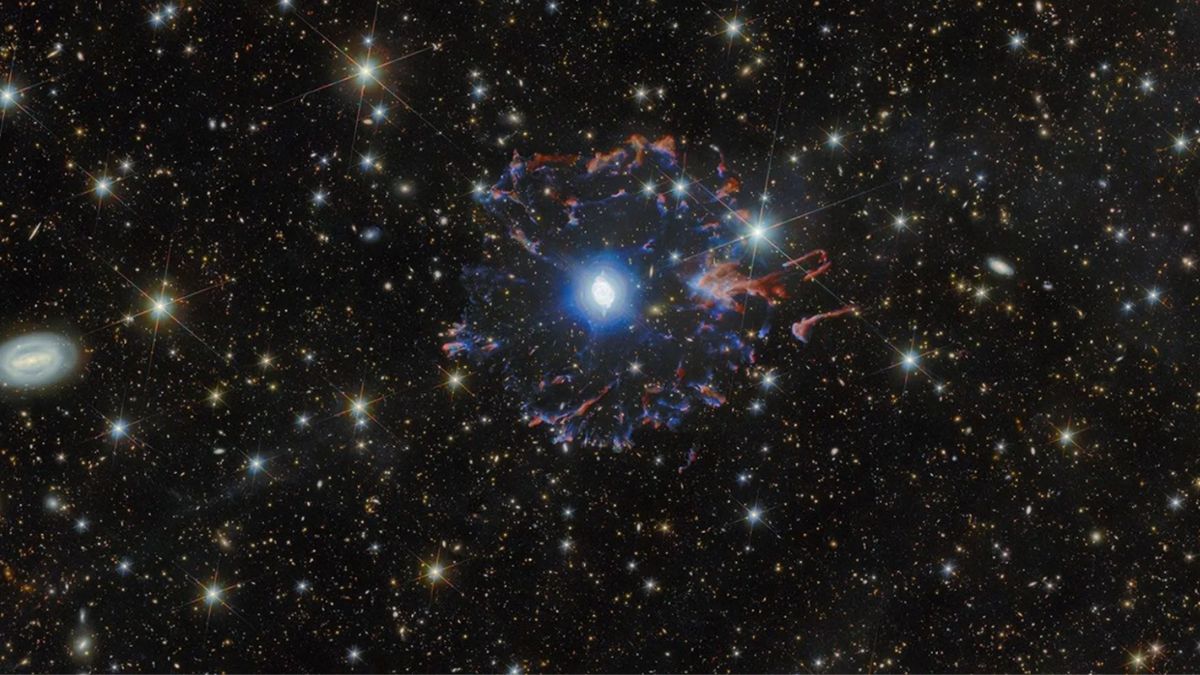
Astronomers combined observations from the Hubble and Euclid space telescopes to produce a detailed image of the Cat’s Eye Nebula. The composite view reveals intricate shells, jets, and a faint outer ring formed from earlier eruptions of the dying star.
-
Astronomers Find ‘Impossible’ Galaxy ACDG-2 With Virtually No Stars and a Massive Dark Matter Core
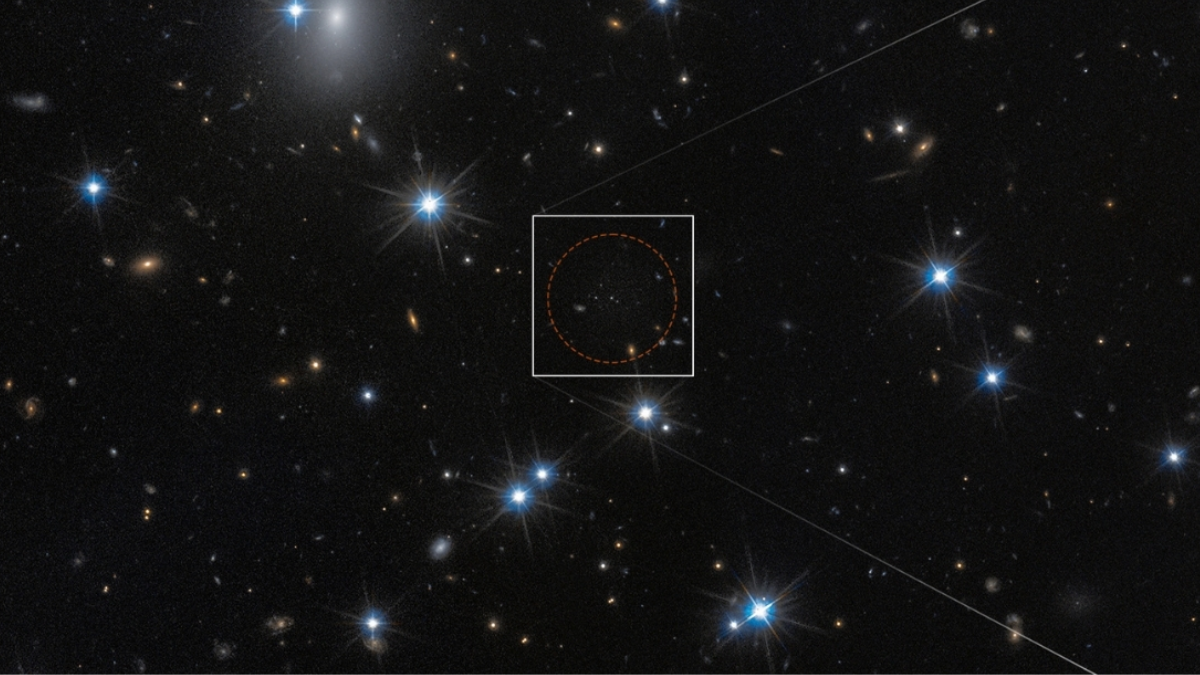
Astronomers have identified CDG-2, a faint galaxy in the Perseus cluster that appears to be composed almost entirely of dark matter. Located 300 million light-years from Earth, it was discovered by tracking globular star clusters using data from Hubble, Euclid, and Subaru telescopes. Scientists estimate that about 99% of its total mass is dark matt...
-
ESA’s Euclid Telescope Releases First Data, Mapping 26 Million Galaxies
ESA’s Euclid telescope has released its first dataset, mapping 26 million galaxies within a week. The observations include deep-field images, a survey of 380,000 galaxies, and 500 new gravitational lens candidates. Scientists will continue tracking cosmic evolution over six years. The dataset, currently 35 terabytes, is expected to grow to 2 peta...
-
Rare 'Einstein Ring' In Earth's Backyard Captured By Euclid Telescope
The ring is made up of light coming from another galaxy almost 4.42 billion light years away and what we see from Earth is distorted by gravity.
-
Euclid Space Telescope Unveils First Images of Its Cosmic Atlas
The first stunning images from the European Space Agency's Euclid telescope reveal a mosaic of over 14 million galaxies, marking just 1% of its cosmic atlas. Captured over two weeks, this vast collection aims to enhance our understanding of dark matter and dark energy, contributing to the largest and most accurate map of the universe yet. The teles...
-
Starless, Forever Alone: 7 More Rogue Planets Discovered By Euclid Telescope
The Euclid space telescope has discovered seven more rogue planets, shining a light on the dark and lonely worlds floating freely through the universe untethered to any star.
-
Landmark Data: The Euclid Telescope Begins Mapping the Dark Matter
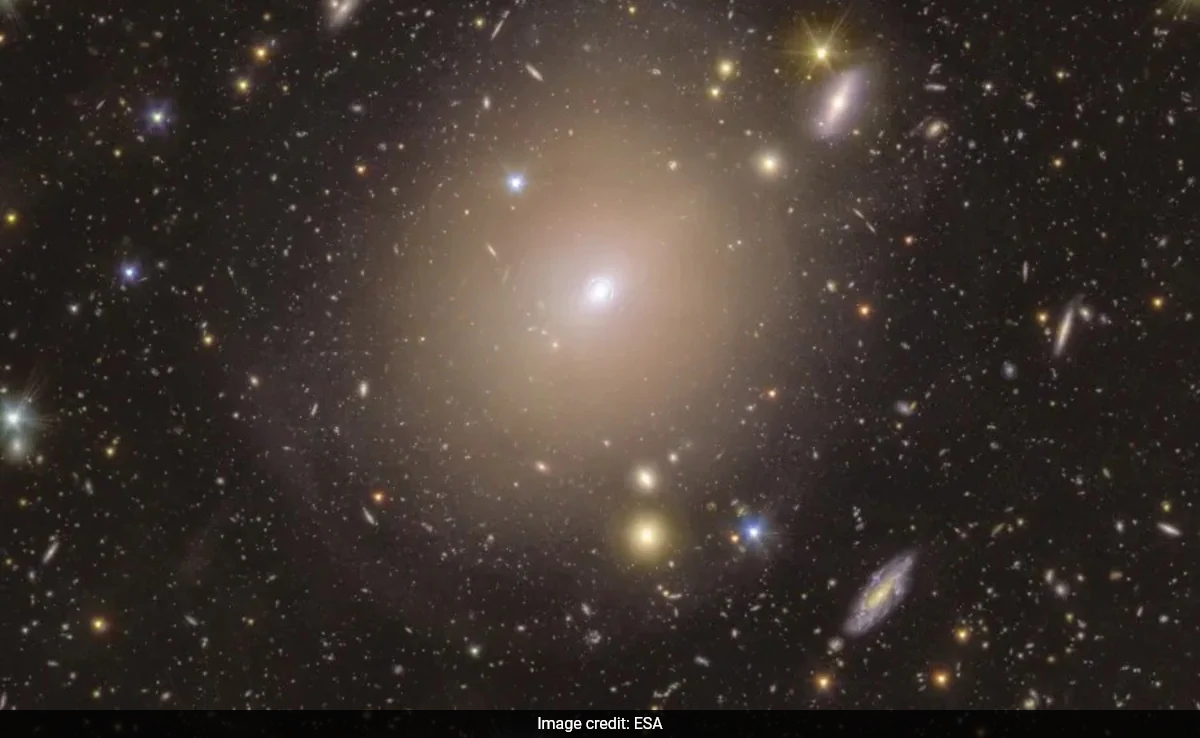
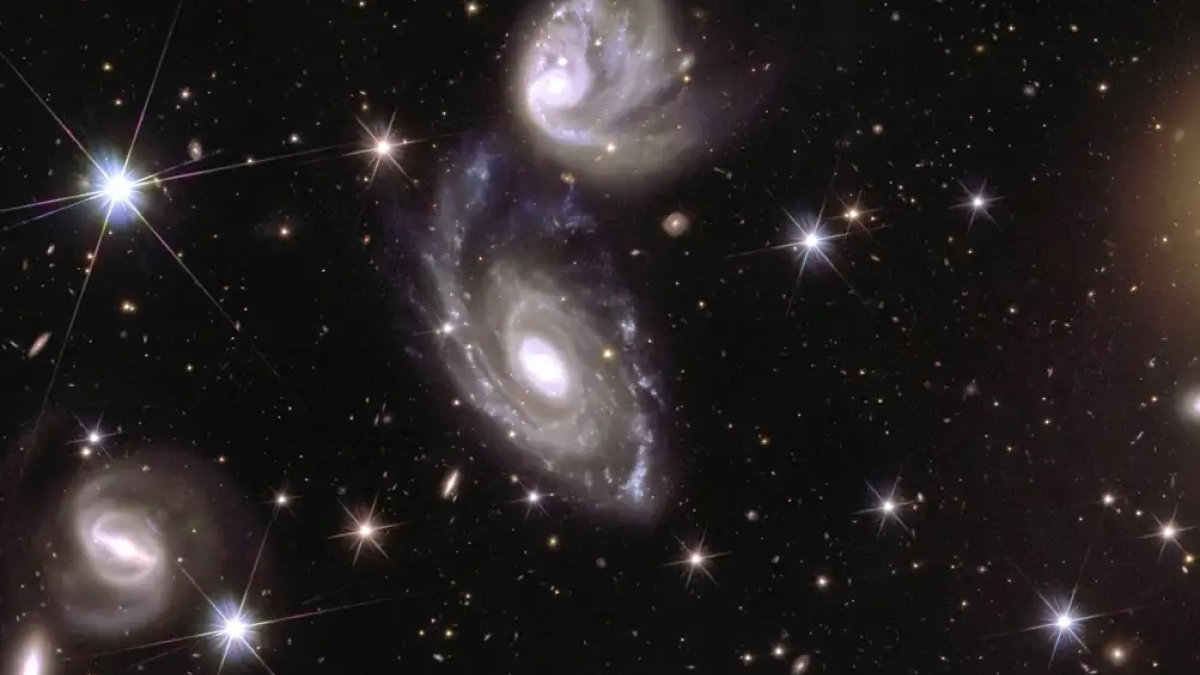
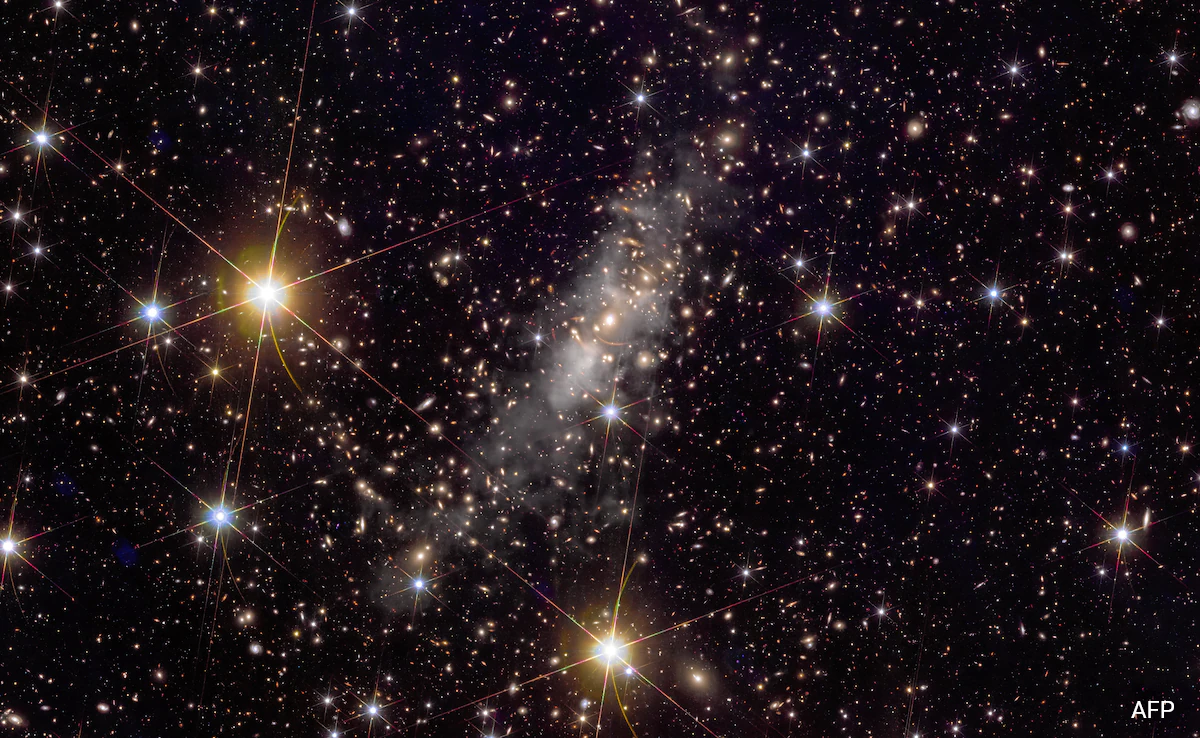
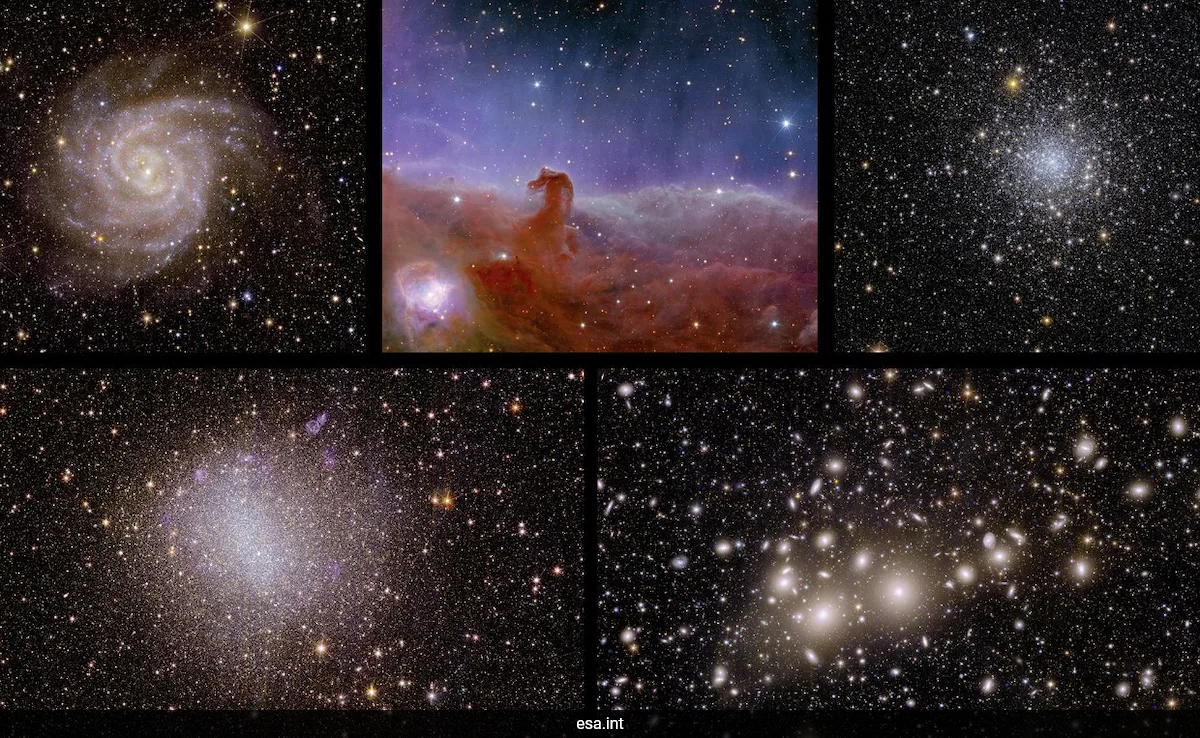
The Euclid space telescope, launched by the European Space Agency, is making significant strides in mapping dark matter and dark energy. Recent images reveal stunning celestial objects, including galaxy clusters like Abell 2390 and star nurseries lik
-
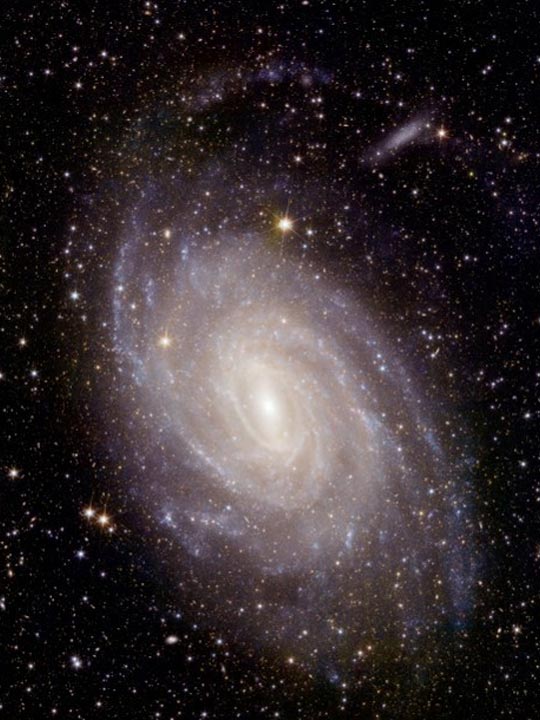
Pics: Euclid Telescope Unveils New Images From "Dark Matter" Mission
A mind-boggling number of shining galaxies, a purple and orange star nursery and a spiral galaxy similar to our Milky Way: new images were revealed from Europe's Euclid space telescope on Thursday.
-
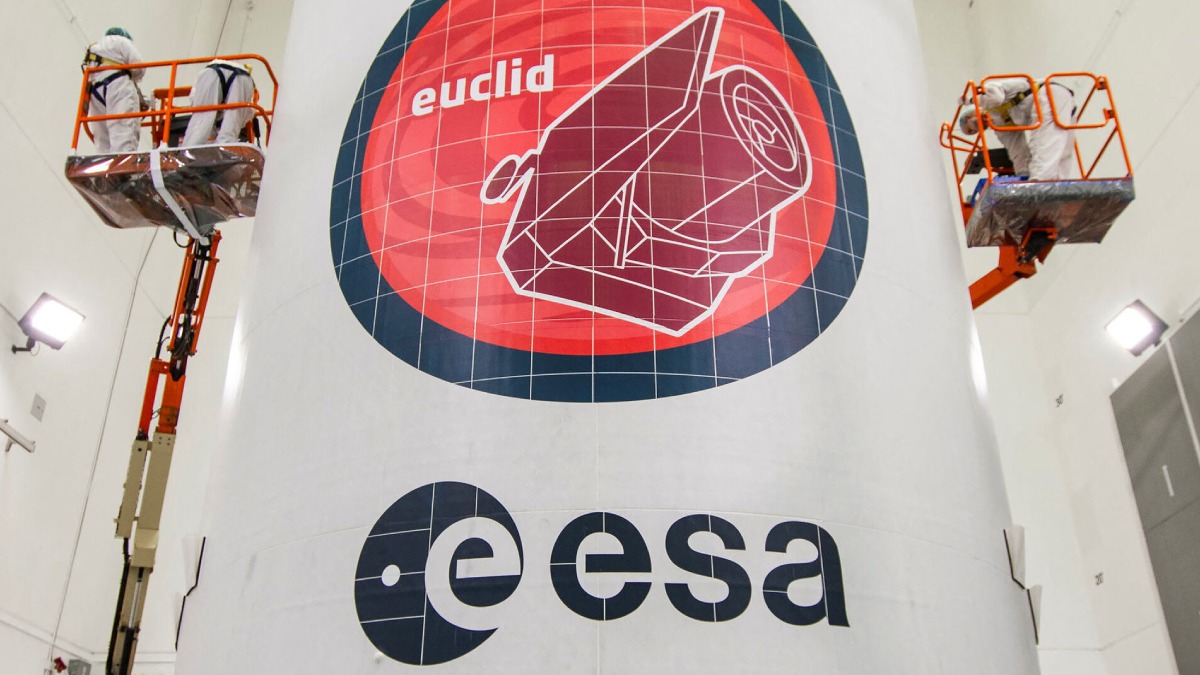
European Space Agency Telescope Euclid to Launch in SpaceX Falcon 9 Rocket to Explore ‘Dark Universe’
A SpaceX Falcon 9 rocket in Florida stood poised for launch on Saturday carrying an orbital telescope Euclid built by the European Space Agency (ESA) to shed light on mysterious cosmic phenomena known as dark energy and dark matter, unseen forces scientists say account for 95 percent of the known universe.
-
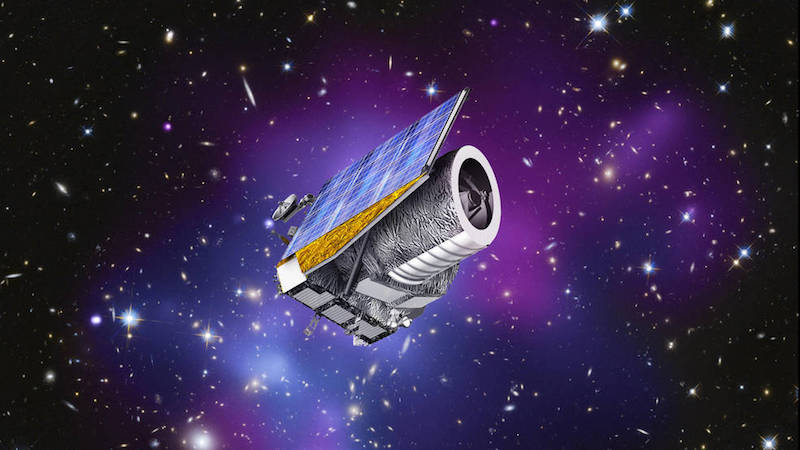
ESA's Mission to Map Dark Energy Gets Detectors From NASA
NASA has delivered three detector systems for the European Space Agency's upcoming Euclid mission that aims to study properties and effects of dark matter and dark energy.
-
Hubble and Euclid Reveal Stunning New View of Cat’s Eye Nebula
Astronomers combined observations from the Hubble and Euclid space telescopes to produce a detailed image of the Cat’s Eye Nebula. The composite view reveals intricate shells, jets, and a faint outer ring formed from earlier eruptions of the dying star.
-
Astronomers Find ‘Impossible’ Galaxy ACDG-2 With Virtually No Stars and a Massive Dark Matter Core
Astronomers have identified CDG-2, a faint galaxy in the Perseus cluster that appears to be composed almost entirely of dark matter. Located 300 million light-years from Earth, it was discovered by tracking globular star clusters using data from Hubble, Euclid, and Subaru telescopes. Scientists estimate that about 99% of its total mass is dark matt...
-
ESA’s Euclid Telescope Releases First Data, Mapping 26 Million Galaxies
ESA’s Euclid telescope has released its first dataset, mapping 26 million galaxies within a week. The observations include deep-field images, a survey of 380,000 galaxies, and 500 new gravitational lens candidates. Scientists will continue tracking cosmic evolution over six years. The dataset, currently 35 terabytes, is expected to grow to 2 peta...
-
Rare 'Einstein Ring' In Earth's Backyard Captured By Euclid Telescope
The ring is made up of light coming from another galaxy almost 4.42 billion light years away and what we see from Earth is distorted by gravity.
-
Euclid Space Telescope Unveils First Images of Its Cosmic Atlas
The first stunning images from the European Space Agency's Euclid telescope reveal a mosaic of over 14 million galaxies, marking just 1% of its cosmic atlas. Captured over two weeks, this vast collection aims to enhance our understanding of dark matter and dark energy, contributing to the largest and most accurate map of the universe yet. The teles...
-
Starless, Forever Alone: 7 More Rogue Planets Discovered By Euclid Telescope
The Euclid space telescope has discovered seven more rogue planets, shining a light on the dark and lonely worlds floating freely through the universe untethered to any star.
-
Landmark Data: The Euclid Telescope Begins Mapping the Dark Matter
The Euclid space telescope, launched by the European Space Agency, is making significant strides in mapping dark matter and dark energy. Recent images reveal stunning celestial objects, including galaxy clusters like Abell 2390 and star nurseries lik
-
Pics: Euclid Telescope Unveils New Images From "Dark Matter" Mission
A mind-boggling number of shining galaxies, a purple and orange star nursery and a spiral galaxy similar to our Milky Way: new images were revealed from Europe's Euclid space telescope on Thursday.
-
European Space Agency Telescope Euclid to Launch in SpaceX Falcon 9 Rocket to Explore ‘Dark Universe’
A SpaceX Falcon 9 rocket in Florida stood poised for launch on Saturday carrying an orbital telescope Euclid built by the European Space Agency (ESA) to shed light on mysterious cosmic phenomena known as dark energy and dark matter, unseen forces scientists say account for 95 percent of the known universe.
-
ESA's Mission to Map Dark Energy Gets Detectors From NASA
NASA has delivered three detector systems for the European Space Agency's upcoming Euclid mission that aims to study properties and effects of dark matter and dark energy.

