



Eso
-
{
- All
- News
- Web Stories
-

Astronomers Discover Two Galaxies That Appear to Lack Dark Matter
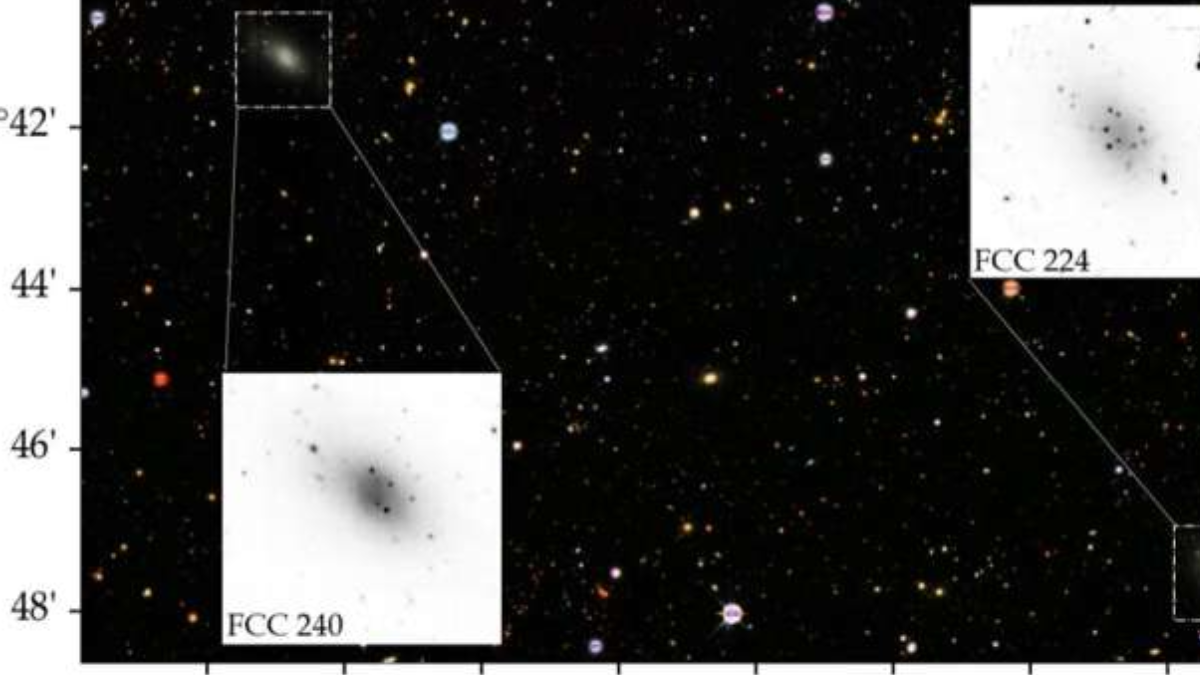
Researchers studying FCC 224 and FCC 240 in the Fornax Cluster found evidence that both galaxies contain surprisingly little dark matter. The discovery supports the idea that galaxy collisions can strip away dark matter and raises new questions about how galaxies evolve.
-
Astronomers Capture Two Giant Planets Forming Around Young Star WISPIT 2
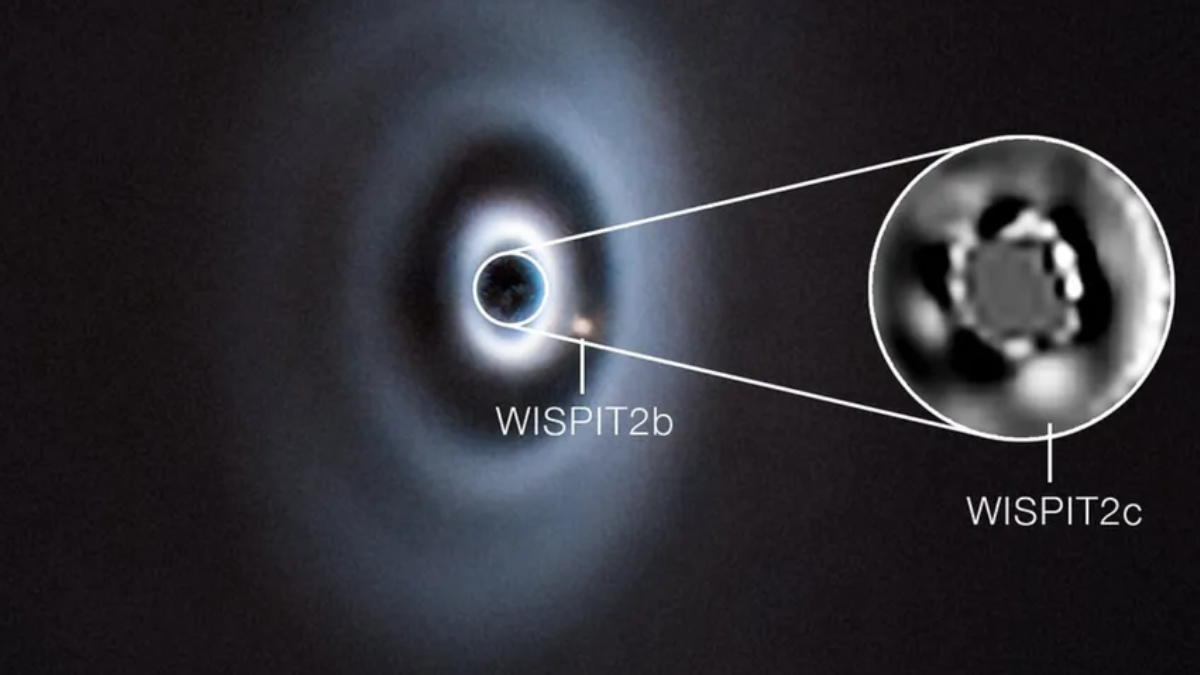
Astronomers have directly imaged two giant planets forming around the young star WISPIT 2. The system, just 5.4 million years old, shows rings, gaps, and active planet formation, offering a rare real-time glimpse into how solar systems like ours are born.
-
Astronomers Capture First-Ever Early Snapshot of Supernova Shock Wave Using ESO’s VLT
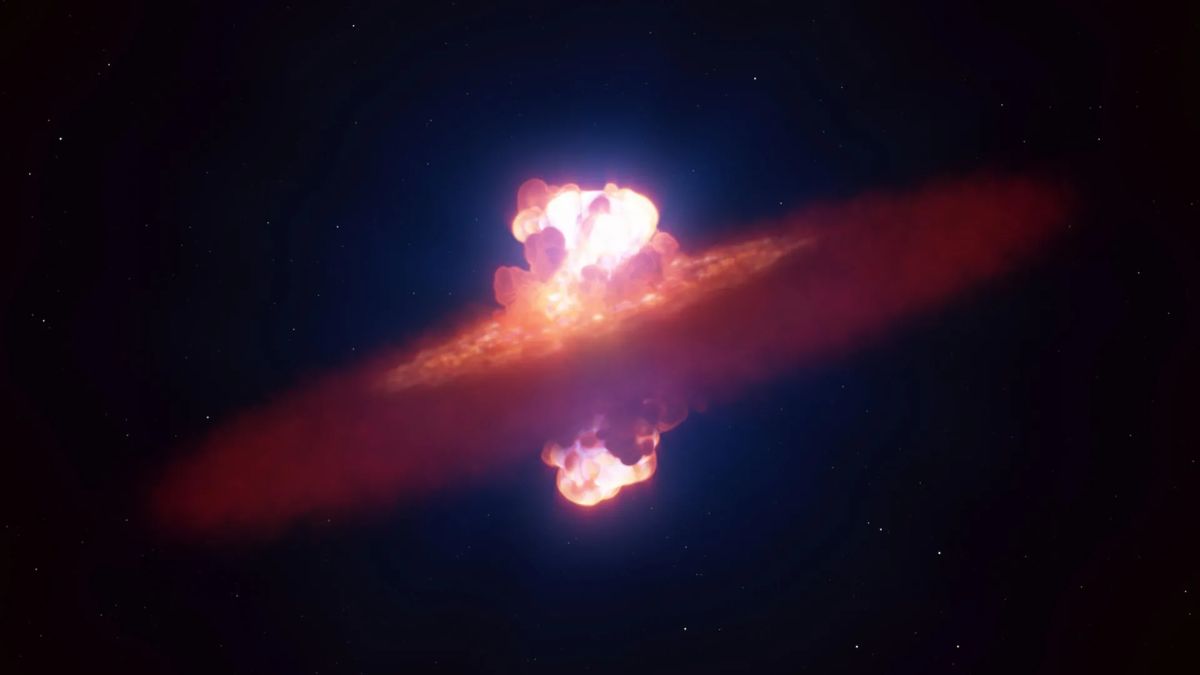
Astronomers using ESO’s Very Large Telescope have captured a rare early look at supernova SN 2024ggi, just one day after its discovery. The blast shockwave appeared olive-shaped—not spherical—revealing surprising asymmetry in the explosion. Recorded with the FORS2 instrument, the data shows the shock-breakout phase in unprecedented detail. Th...
-
ESO Captures Clear Images of Interstellar Comet 3I/ATLAS Using VLT
The European Southern Observatory’s Very Large Telescope has captured the clearest images so far of comet 3I/ATLAS, an interstellar visitor first spotted on July 1, 2025. Identified by its hyperbolic orbit, the comet is only the third interstellar object recorded passing through our solar system. The VLT’s deep image and timelapse confirm it is...
-
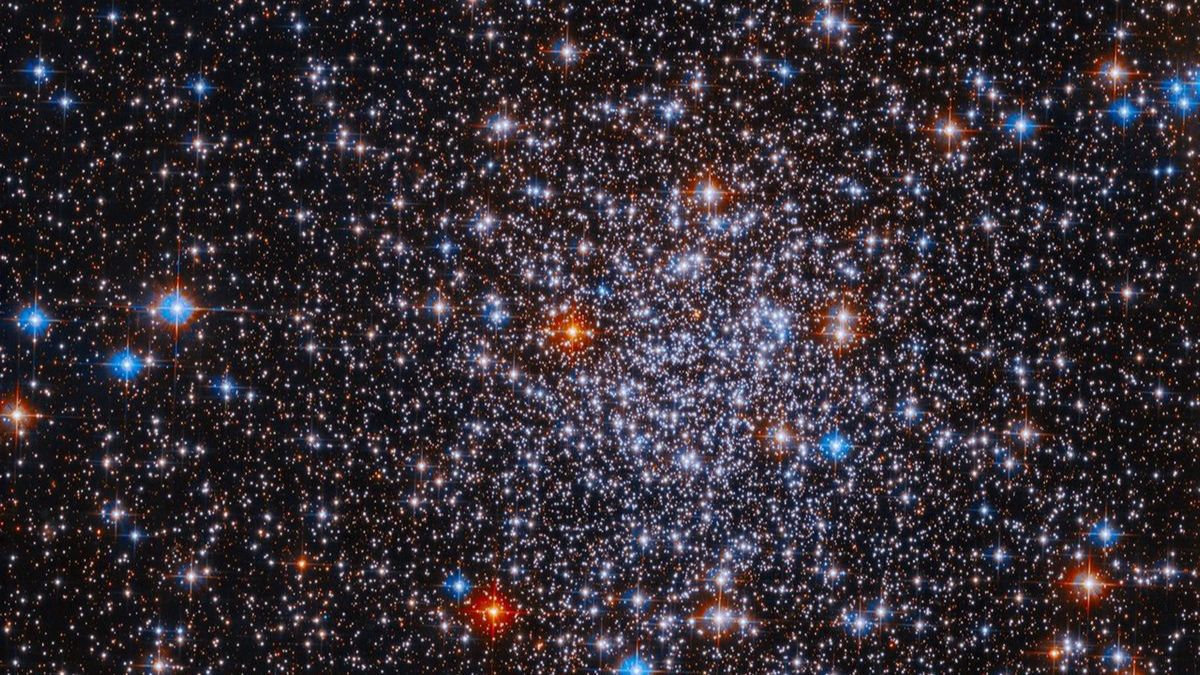
Hubble Observations Give Forgotten Globular Cluster Its Moment to Shine
NASA’s Hubble Space Telescope has unveiled ESO 591-12, a long-overlooked globular cluster glittering with multicolored stars. Captured during a survey of missing clusters, this image provides new insight into stellar evolution and the early Milky Way. It marks a vital step in resolving the structure and origin of ancient star systems hidden withi...
-
Binary Star System D9 Found Orbiting Sagittarius A* Near Milky Way’s Core
Astronomers have detected a young binary star system, D9, orbiting Sagittarius A*, the supermassive black hole at the Milky Way's centre. This challenges previous assumptions about star survival near intense gravitational forces. The discovery was made using the European Southern Observatory's Very Large Telescope. Future research with advanced tel...
-
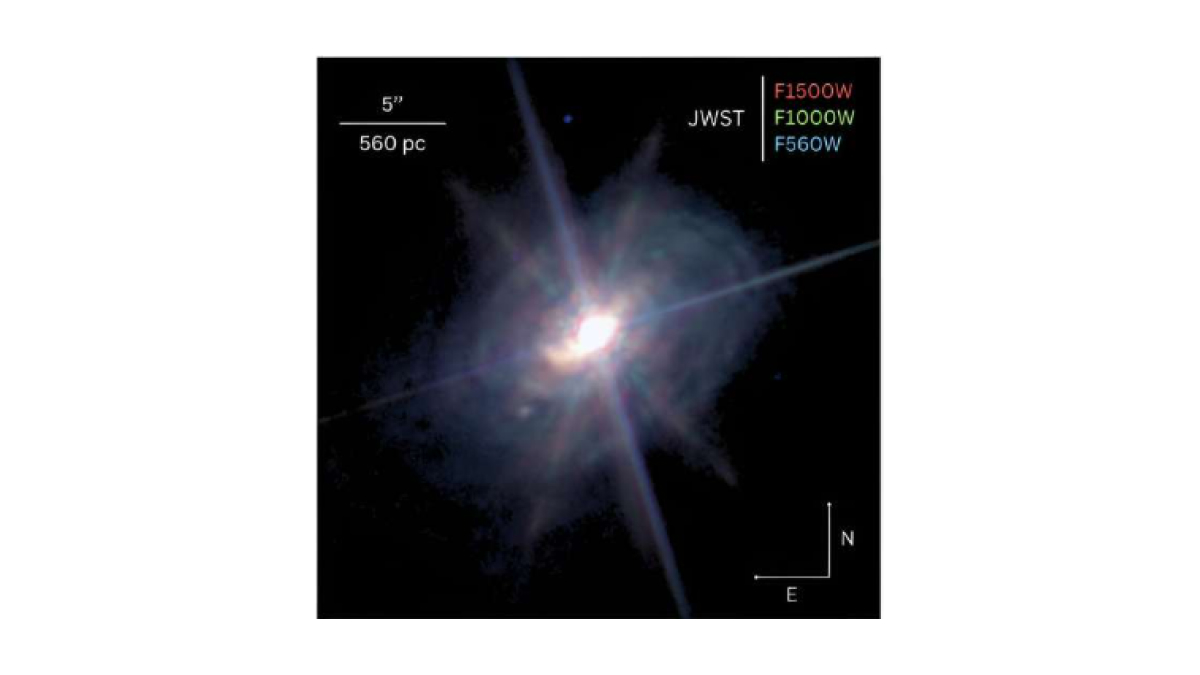
James Webb Space Telescope Uncovers Surprising Dust Formation Near Supermassive Black Hole
James Webb Space Telescope images have uncovered an unexpected dust formation around a supermassive black hole, showing that gas collisions, not black hole radiation, heat the dust. This breakthrough by Newcastle University’s team challenges existing theories and offers new perspectives on galaxy evolution.
-
ESO Releases Image of Aftermath of Large Star's Explosive Death
The aftermath of a large star's explosive death is seen in an image released on Monday by the European Southern Observatory, showing immense filaments of brightly shining gas that was blasted into space during the supernova. Before exploding at the end of its life cycle, the star is believed to have had a mass at least eight times greater than our ...
-
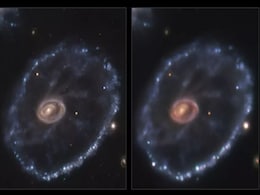
Scientists Confirm Type II Supernova in Cartwheel Galaxy. See Photo
The European Southern Observatory (ESO) has captured an explosion occurring at the Cartwheel galaxy. The supernova, dubbed as SN2021afdx, has been identified as a Type II supernova.
-
New Planet Discovered Orbiting Proxima Centauri, the Star Closest to Our Own Sun
The astronomers used the European Southern Observatory’s Very Large Telescope in Chile to spot this exoplanet
-
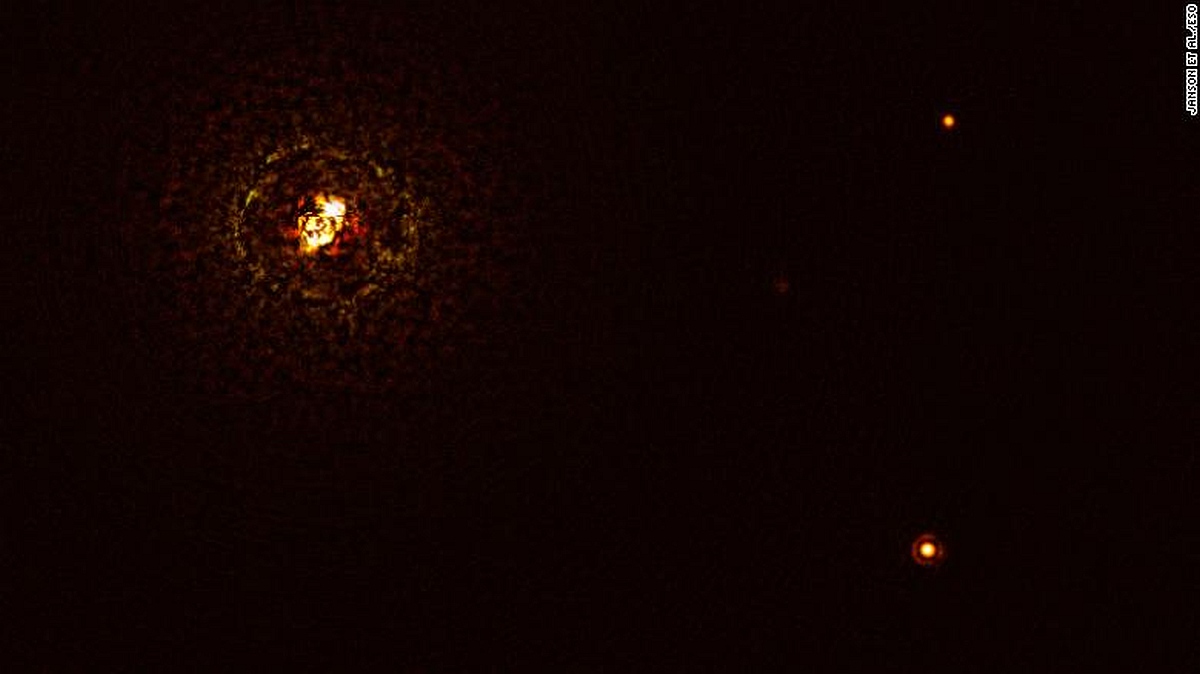
Astronomers Discover Planet 10 Times Bigger Than Jupiter, Orbiting Pair of Giant Stars
A giant planet, 10 times the size of Jupiter and orbiting a pair of massive stars, has been discovered using the European Southern Observatory's Very Large Telescope.
-
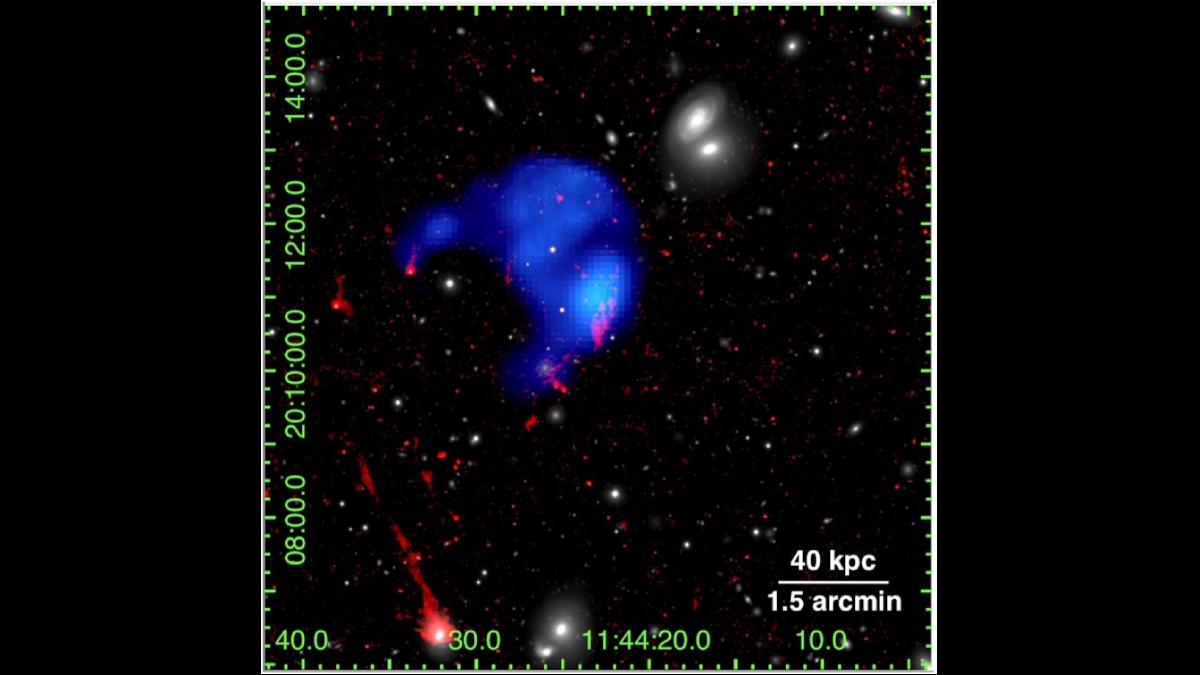
Astronomers Discover Cosmic Cloud Bigger Than Milky Way Galaxy
A team of astronomers has discovered a huge cloud of hot, faintly glowing gas in space that is bigger than the Milky Way galaxy. They said that the cosmic gas cloud, the first of its kind, may have stripped from a galaxy. What they found most surprising was that the cloud has remained clumped together for hundreds of millions of years without dissi...
-
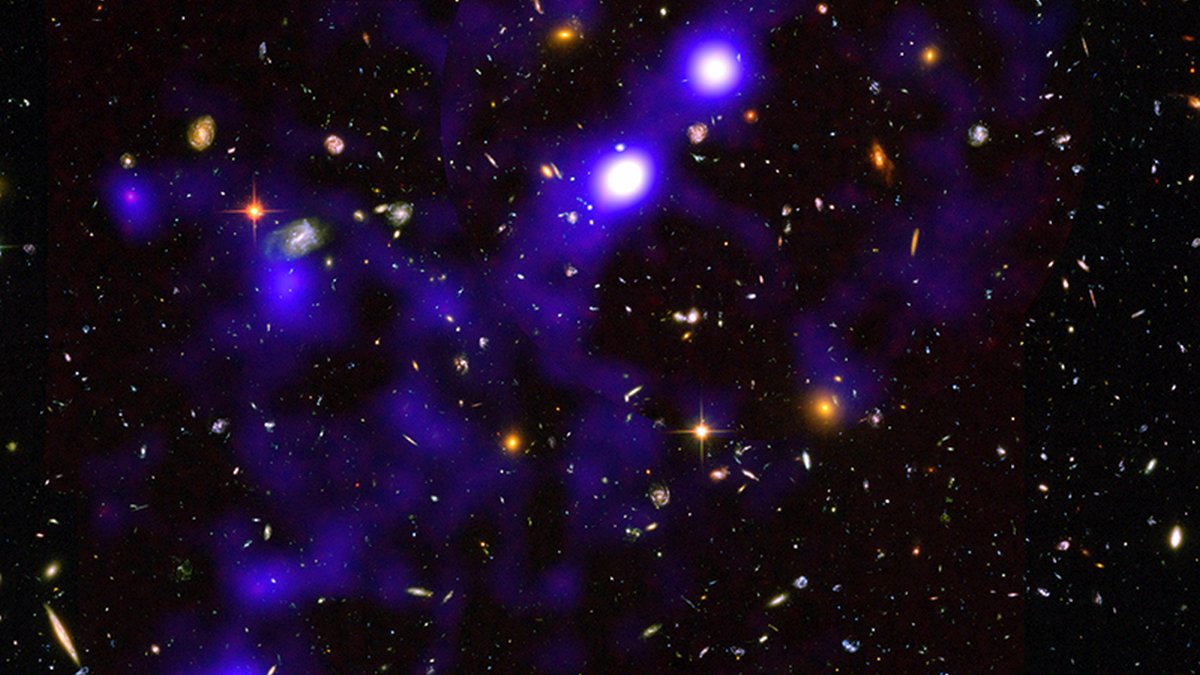
First Images of 'Cosmic Web' Reveal Maze of Dwarf Galaxies
Scientists in France have for the first time seen the incandescent filaments of hydrogen gas known as the "cosmic web”. Eight months of observation with the European Southern Observatory's Very Large Telescope and a year of data crunching revealed the filaments as they existed only one to two billion years after the Big Bang.
-
For First Time, Scientists Spot an Alien Planet as It Is Being Formed
This large young planet is forming around a star called AB Aurigae that is about 2.4 times the mass of the sun and located in our Milky Way galaxy 520 light years from Earth, researchers said on Wednesday. A light year is the distance light travels in a year, 5.9 trillion miles (9.5 trillion km).
-
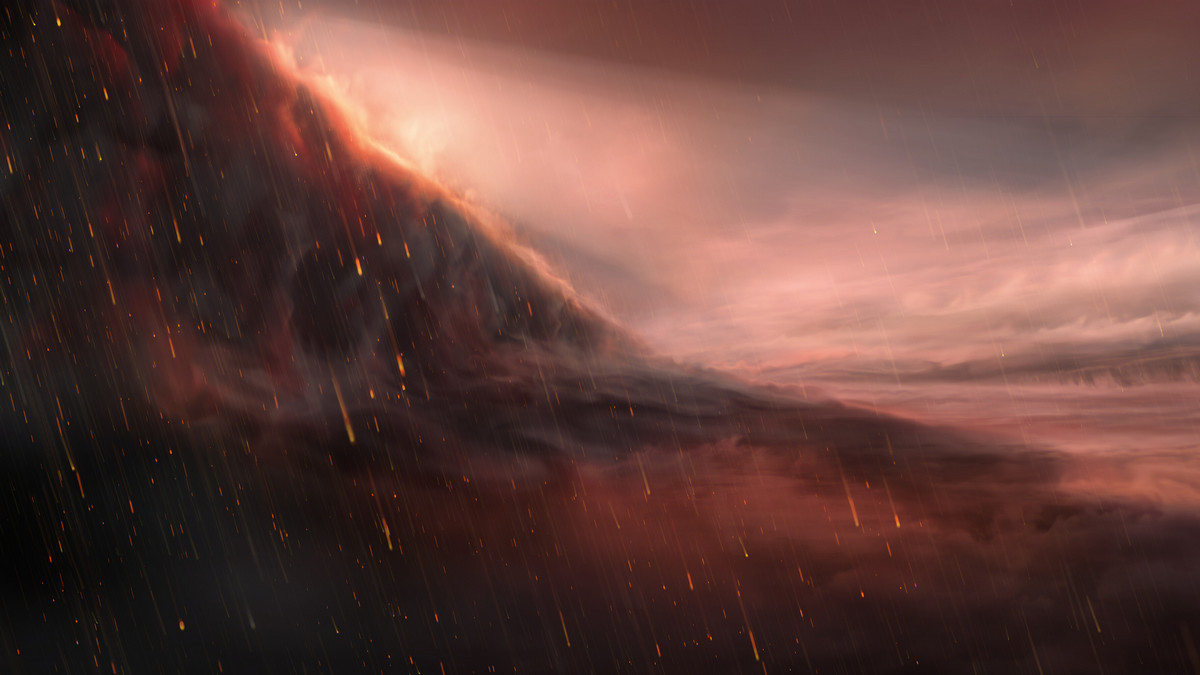
On Faraway Planet, It's Cloudy With a Chance of Liquid Iron Rain
Scientists have detected an exotic planet in another solar system where the weather forecast is always dire - a 100 percent chance of the most outrageous rain imaginable, with droplets of scaldingly hot liquid iron.

















-
Astronomers Discover Two Galaxies That Appear to Lack Dark Matter
Researchers studying FCC 224 and FCC 240 in the Fornax Cluster found evidence that both galaxies contain surprisingly little dark matter. The discovery supports the idea that galaxy collisions can strip away dark matter and raises new questions about how galaxies evolve.
-
Astronomers Capture Two Giant Planets Forming Around Young Star WISPIT 2
Astronomers have directly imaged two giant planets forming around the young star WISPIT 2. The system, just 5.4 million years old, shows rings, gaps, and active planet formation, offering a rare real-time glimpse into how solar systems like ours are born.
-
Astronomers Capture First-Ever Early Snapshot of Supernova Shock Wave Using ESO’s VLT
Astronomers using ESO’s Very Large Telescope have captured a rare early look at supernova SN 2024ggi, just one day after its discovery. The blast shockwave appeared olive-shaped—not spherical—revealing surprising asymmetry in the explosion. Recorded with the FORS2 instrument, the data shows the shock-breakout phase in unprecedented detail. Th...
-
ESO Captures Clear Images of Interstellar Comet 3I/ATLAS Using VLT
The European Southern Observatory’s Very Large Telescope has captured the clearest images so far of comet 3I/ATLAS, an interstellar visitor first spotted on July 1, 2025. Identified by its hyperbolic orbit, the comet is only the third interstellar object recorded passing through our solar system. The VLT’s deep image and timelapse confirm it is...
-
Hubble Observations Give Forgotten Globular Cluster Its Moment to Shine
NASA’s Hubble Space Telescope has unveiled ESO 591-12, a long-overlooked globular cluster glittering with multicolored stars. Captured during a survey of missing clusters, this image provides new insight into stellar evolution and the early Milky Way. It marks a vital step in resolving the structure and origin of ancient star systems hidden withi...
-
Binary Star System D9 Found Orbiting Sagittarius A* Near Milky Way’s Core
Astronomers have detected a young binary star system, D9, orbiting Sagittarius A*, the supermassive black hole at the Milky Way's centre. This challenges previous assumptions about star survival near intense gravitational forces. The discovery was made using the European Southern Observatory's Very Large Telescope. Future research with advanced tel...
-
James Webb Space Telescope Uncovers Surprising Dust Formation Near Supermassive Black Hole
James Webb Space Telescope images have uncovered an unexpected dust formation around a supermassive black hole, showing that gas collisions, not black hole radiation, heat the dust. This breakthrough by Newcastle University’s team challenges existing theories and offers new perspectives on galaxy evolution.
-
ESO Releases Image of Aftermath of Large Star's Explosive Death
The aftermath of a large star's explosive death is seen in an image released on Monday by the European Southern Observatory, showing immense filaments of brightly shining gas that was blasted into space during the supernova. Before exploding at the end of its life cycle, the star is believed to have had a mass at least eight times greater than our ...
-
Scientists Confirm Type II Supernova in Cartwheel Galaxy. See Photo
The European Southern Observatory (ESO) has captured an explosion occurring at the Cartwheel galaxy. The supernova, dubbed as SN2021afdx, has been identified as a Type II supernova.
-
New Planet Discovered Orbiting Proxima Centauri, the Star Closest to Our Own Sun
The astronomers used the European Southern Observatory’s Very Large Telescope in Chile to spot this exoplanet
-
Astronomers Discover Planet 10 Times Bigger Than Jupiter, Orbiting Pair of Giant Stars
A giant planet, 10 times the size of Jupiter and orbiting a pair of massive stars, has been discovered using the European Southern Observatory's Very Large Telescope.
-
Astronomers Discover Cosmic Cloud Bigger Than Milky Way Galaxy
A team of astronomers has discovered a huge cloud of hot, faintly glowing gas in space that is bigger than the Milky Way galaxy. They said that the cosmic gas cloud, the first of its kind, may have stripped from a galaxy. What they found most surprising was that the cloud has remained clumped together for hundreds of millions of years without dissi...
-
First Images of 'Cosmic Web' Reveal Maze of Dwarf Galaxies
Scientists in France have for the first time seen the incandescent filaments of hydrogen gas known as the "cosmic web”. Eight months of observation with the European Southern Observatory's Very Large Telescope and a year of data crunching revealed the filaments as they existed only one to two billion years after the Big Bang.
-
For First Time, Scientists Spot an Alien Planet as It Is Being Formed
This large young planet is forming around a star called AB Aurigae that is about 2.4 times the mass of the sun and located in our Milky Way galaxy 520 light years from Earth, researchers said on Wednesday. A light year is the distance light travels in a year, 5.9 trillion miles (9.5 trillion km).
-
On Faraway Planet, It's Cloudy With a Chance of Liquid Iron Rain
Scientists have detected an exotic planet in another solar system where the weather forecast is always dire - a 100 percent chance of the most outrageous rain imaginable, with droplets of scaldingly hot liquid iron.

