



Cosmic Dawn
-
{
- All
- News
-

Astronomers Detect Star-Forming Fuel in a Galaxy 13 Billion Light-Years Away
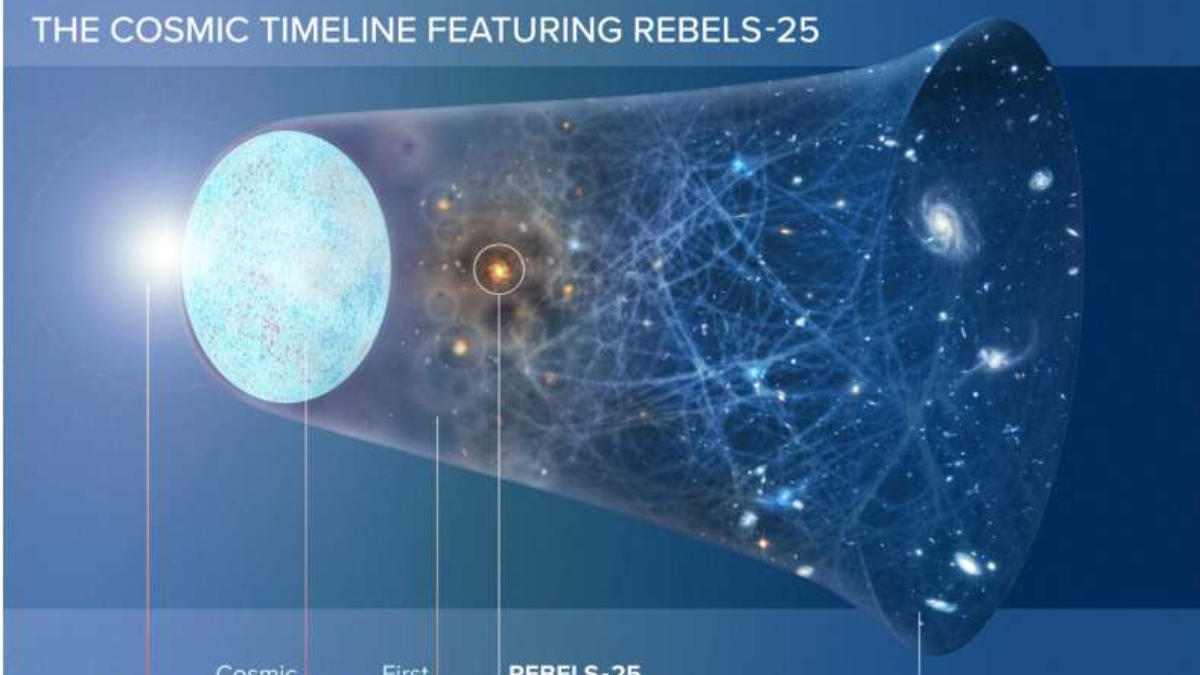
Using ALMA and the Very Large Array, astronomers directly detected a massive reservoir of molecular gas in REBELS-25, a galaxy from just 700 million years after the Big Bang. The finding provides the clearest evidence yet that some early galaxies were already loaded with the fuel needed for rapid star formation.
-
James Webb Space Telescope Finds Most Distant Galaxy Ever Detected
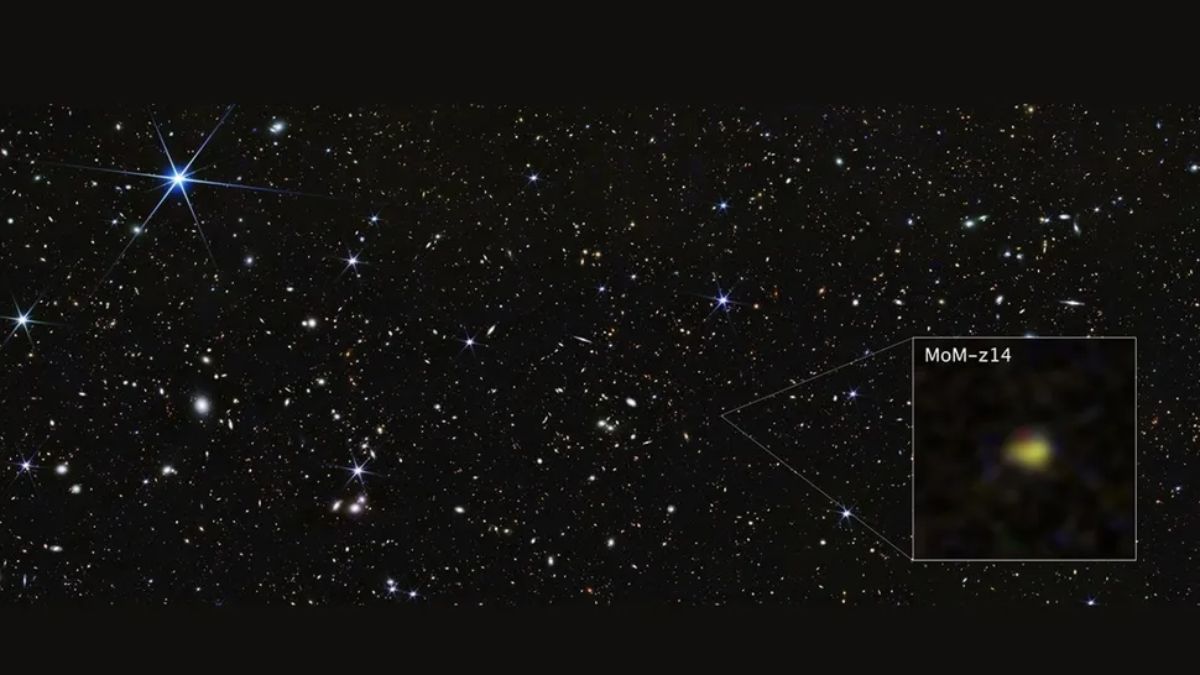
The James Webb Space Telescope has discovered MoM-z14, the most distant galaxy ever observed, dating to just 280 million years after the Big Bang. The galaxy’s brightness, chemical richness, and structure challenge existing theories of early cosmic evolution. Scientists say the finding highlights a growing gap between models and observations of t...
-
Earliest Known Black Hole Found Just 500 Million Years After the Big Bang
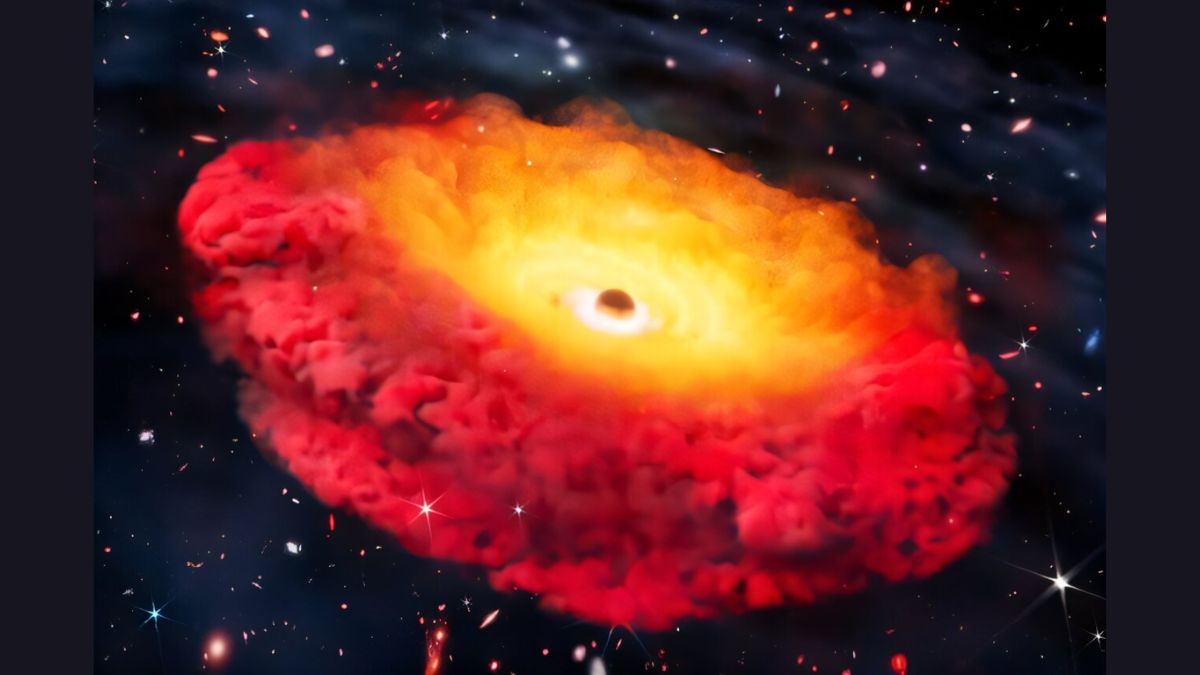
Astronomers have confirmed the most distant black hole ever discovered, lurking in a compact galaxy just 500 million years after the Big Bang. Using the James Webb Space Telescope, the team identified clear spectroscopic evidence of the object, offering new insight into early black hole growth and their role in forming galaxies during the universe...
-
Scientists Observe Light Of "Cosmic Dawn" With Telescope On Earth For The First Time Ever
Cosmic dawn insights shed light on the universe's early stages, providing an understanding of the universe's origins.
-
James Webb Telescope Breaks Record with Discovery of Early Galaxies Dating 200 Million Years After Big Bang
The James Webb Space Telescope has spotted five galaxy candidates dating back to 200 million years after the Big Bang. These findings could transform our understanding of early cosmic evolution. Discovered via gravitational lensing, these galaxies, if confirmed, predate known formations and offer vital insights into the universe’s infancy. Scient...
-
India's SARAS Telescope Finds Clues To First Galaxies Of Universe
India's SARAS radio telescope has helped scientists determine the properties of the earliest radio luminous galaxies formed 200 million years after the Big Bang, a period known as the Cosmic Dawn.
-
Cosmic Dawn of Our Universe Ended 1.1 Billion Years After Big Bang, New Study Reveals
Analyzing light from some distant objects in space, a team of astronomers have presented a clearer picture of one of the key events in the formation of our universe. It turned out that the cosmic dawn ended a lot later than the astronomers had thought.
-
Scientists Detect Signal From 'Cosmic Dawn,' When Stars First Lit Up The Universe
For the first time, scientists have detected a signal from "cosmic dawn" - the moment when the universe's earliest stars emerged.

-
Astronomers Detect Star-Forming Fuel in a Galaxy 13 Billion Light-Years Away
Using ALMA and the Very Large Array, astronomers directly detected a massive reservoir of molecular gas in REBELS-25, a galaxy from just 700 million years after the Big Bang. The finding provides the clearest evidence yet that some early galaxies were already loaded with the fuel needed for rapid star formation.
-
James Webb Space Telescope Finds Most Distant Galaxy Ever Detected
The James Webb Space Telescope has discovered MoM-z14, the most distant galaxy ever observed, dating to just 280 million years after the Big Bang. The galaxy’s brightness, chemical richness, and structure challenge existing theories of early cosmic evolution. Scientists say the finding highlights a growing gap between models and observations of t...
-
Earliest Known Black Hole Found Just 500 Million Years After the Big Bang
Astronomers have confirmed the most distant black hole ever discovered, lurking in a compact galaxy just 500 million years after the Big Bang. Using the James Webb Space Telescope, the team identified clear spectroscopic evidence of the object, offering new insight into early black hole growth and their role in forming galaxies during the universe...
-
Scientists Observe Light Of "Cosmic Dawn" With Telescope On Earth For The First Time Ever
Cosmic dawn insights shed light on the universe's early stages, providing an understanding of the universe's origins.
-
James Webb Telescope Breaks Record with Discovery of Early Galaxies Dating 200 Million Years After Big Bang
The James Webb Space Telescope has spotted five galaxy candidates dating back to 200 million years after the Big Bang. These findings could transform our understanding of early cosmic evolution. Discovered via gravitational lensing, these galaxies, if confirmed, predate known formations and offer vital insights into the universe’s infancy. Scient...
-
India's SARAS Telescope Finds Clues To First Galaxies Of Universe
India's SARAS radio telescope has helped scientists determine the properties of the earliest radio luminous galaxies formed 200 million years after the Big Bang, a period known as the Cosmic Dawn.
-
Cosmic Dawn of Our Universe Ended 1.1 Billion Years After Big Bang, New Study Reveals
Analyzing light from some distant objects in space, a team of astronomers have presented a clearer picture of one of the key events in the formation of our universe. It turned out that the cosmic dawn ended a lot later than the astronomers had thought.
-
Scientists Detect Signal From 'Cosmic Dawn,' When Stars First Lit Up The Universe
For the first time, scientists have detected a signal from "cosmic dawn" - the moment when the universe's earliest stars emerged.

