



Coronation
-
{
- All
- News
- Videos
-

Doctor Who Performed Autopsy On Marilyn Monroe Explains What Caused Her Death
Dr. Thomas Noguchi, the chief medical examiner and coroner for Los Angeles County during the 60s and 70s, is known for his groundbreaking autopsies that forever shaped American culture.
-
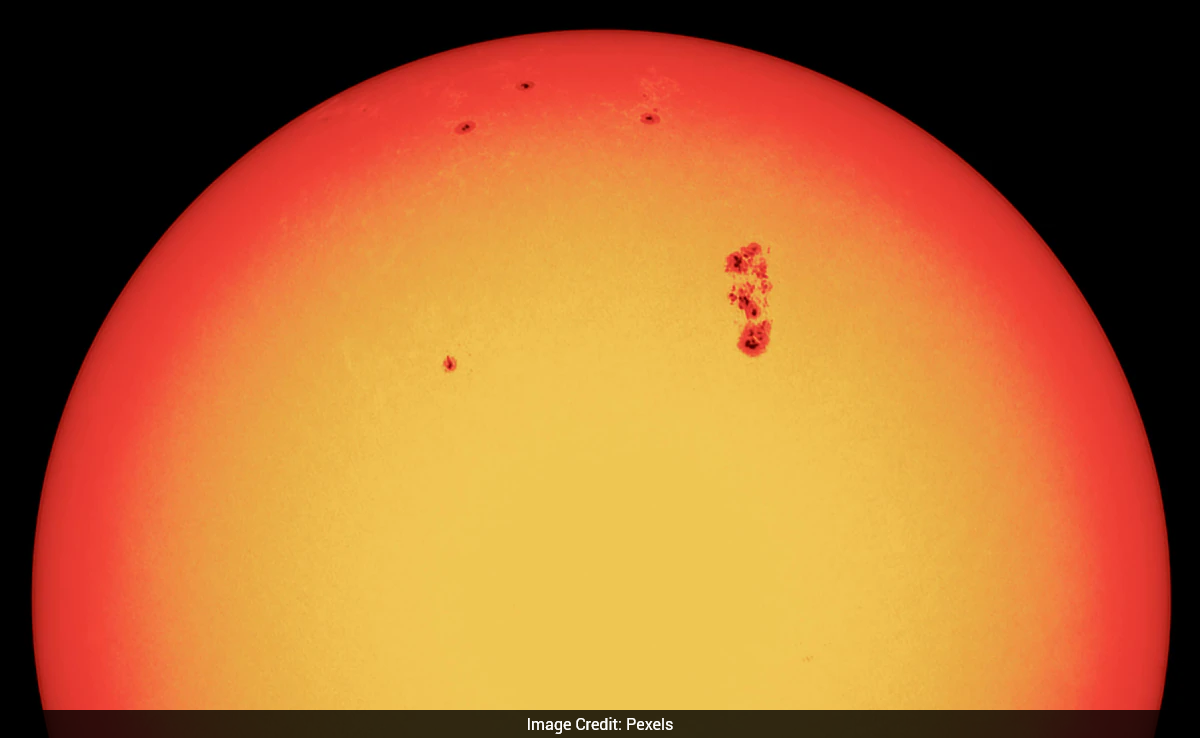
Sun Unleashes Triple Solar Flare Blast, Triggering G3 Geomagnetic Storm Alert
Three powerful solar flares erupted from active sunspot AR 4455, sending Earth-directed plasma clouds into space. NOAA has issued a G3 geomagnetic storm watch, increasing the chances of widespread auroras.
-
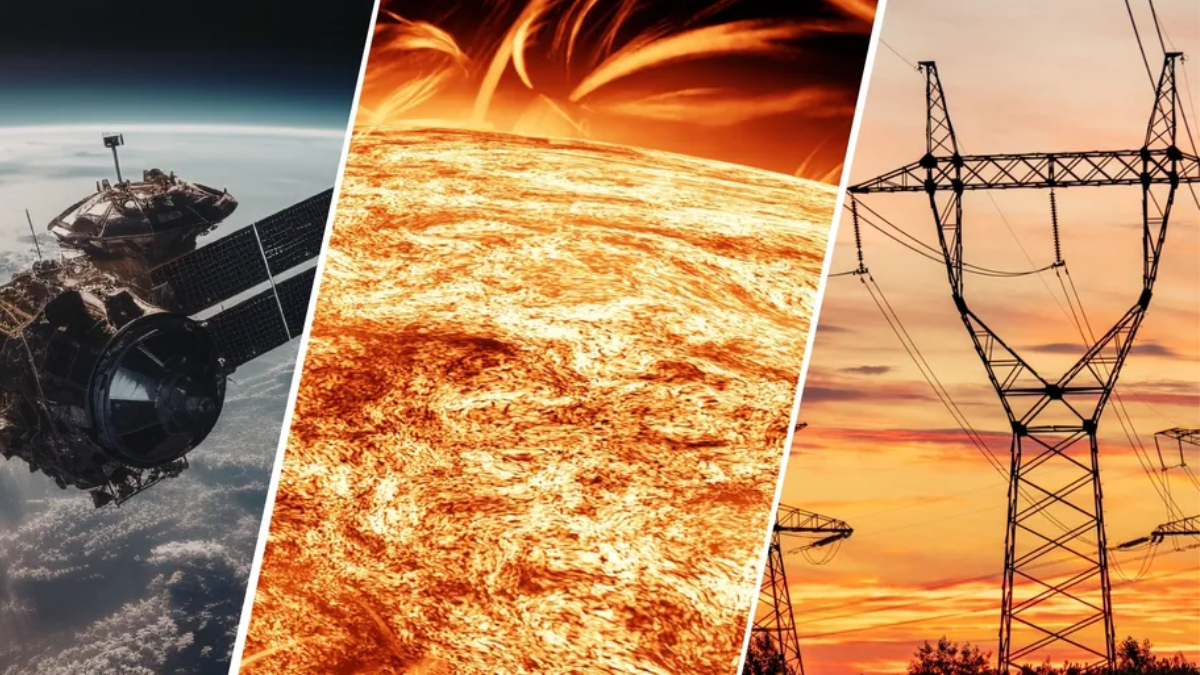
Carrington-Level Solar Storm Could Disrupt Satellites, GPS, and Power Grids, Scientists Warn
A solar superstorm like the Carrington Event could disrupt satellites, GPS, and power grids worldwide. Scientists warn that while rare, such events pose a serious threat to modern infrastructure, though improved monitoring and safeguards may reduce the risks.
-
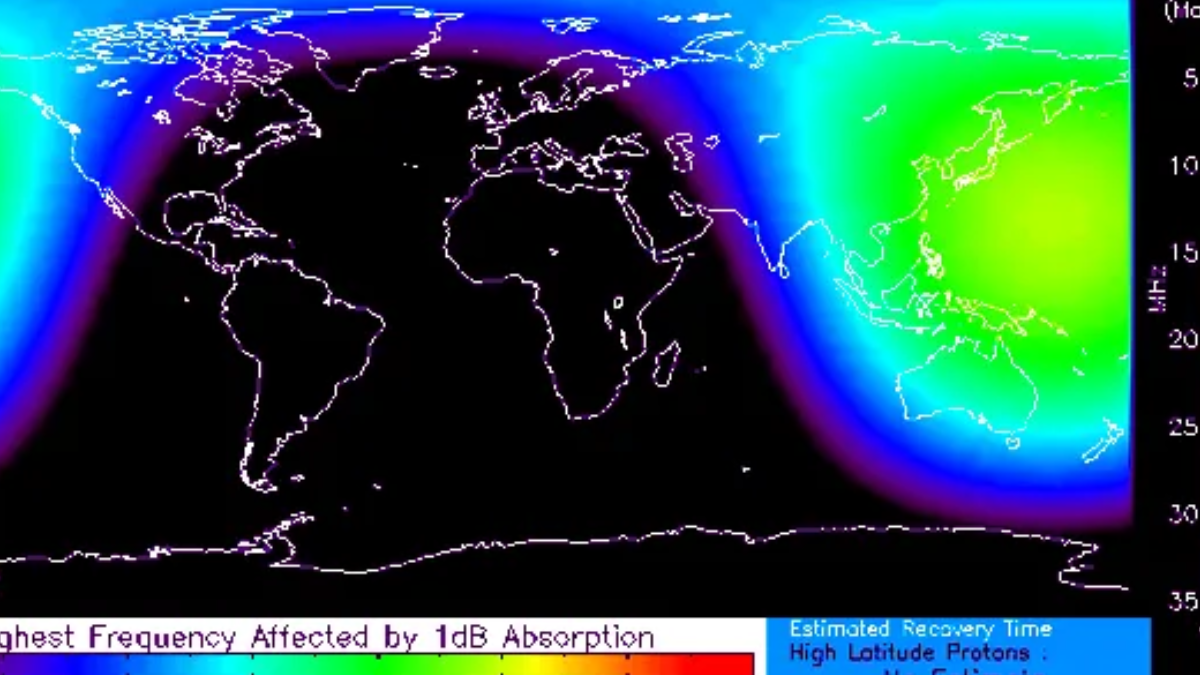
Scientists Reveal Powerful Solar Flare Behind South Pacific Radio Blackouts
A solar flare is an extremely bright flash of radiation. It occurs when magnetic energy associated with a sunspot is suddenly released.
-
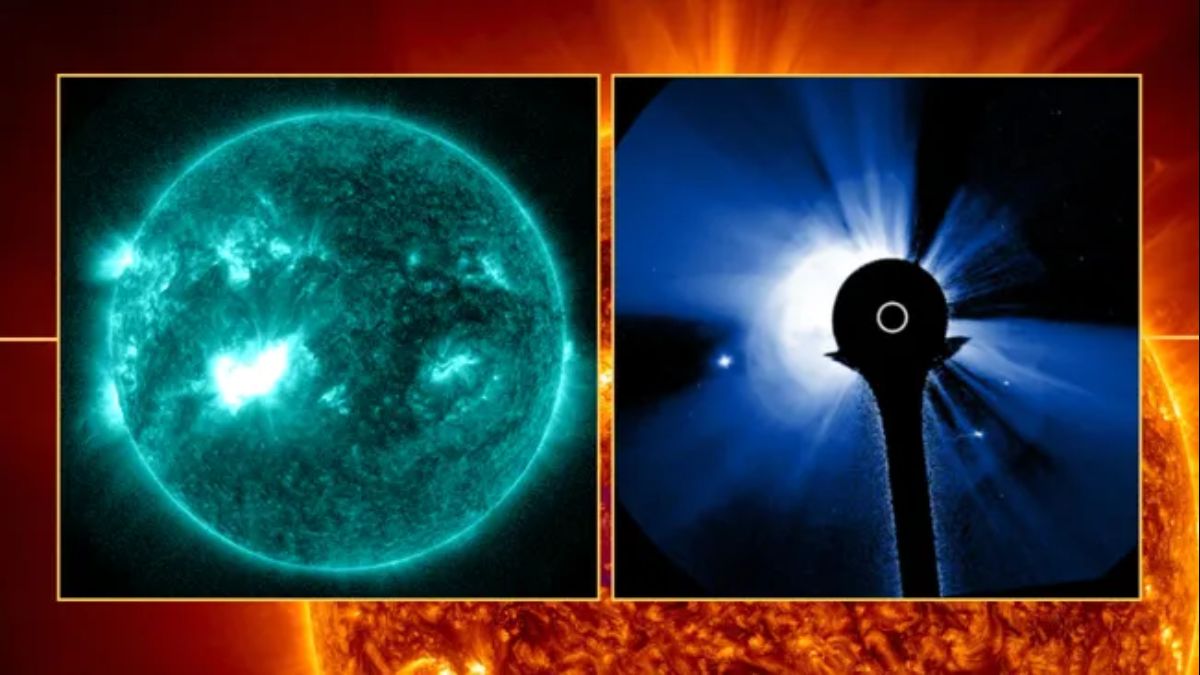
Powerful X-Class Solar Flare Sends CME Toward Earth, Storms Possible
A powerful X1.9 solar flare erupted on January 18, launching a fast coronal mass ejection toward Earth. Space weather agencies warn of strong geomagnetic storms that could disrupt satellites, GPS and radio communications, while also producing vivid auroras visible well beyond the polar regions.
-
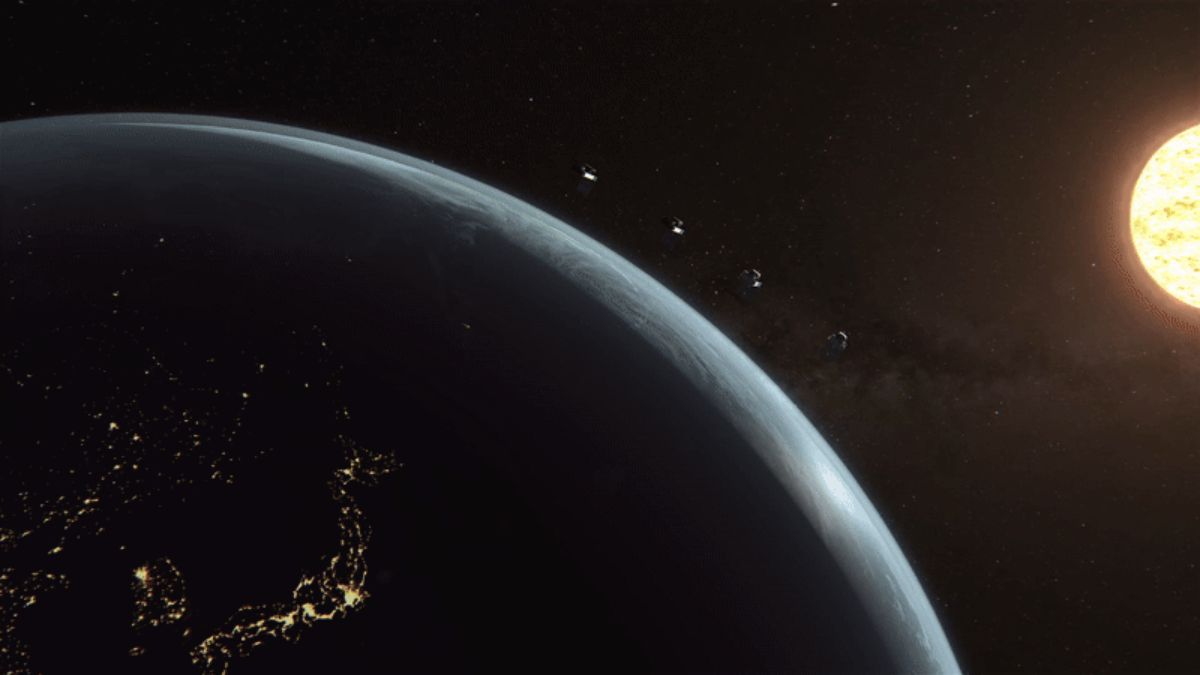
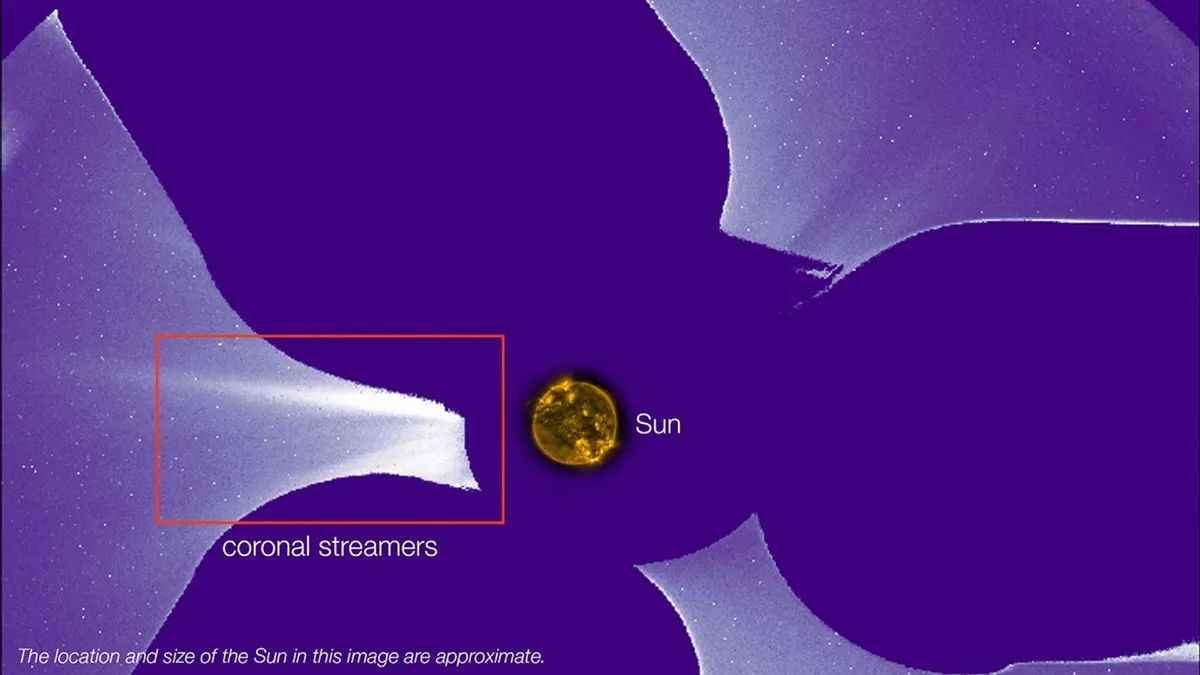
NASA’s PUNCH Mission Provides First Continuous Views of Solar Eruptions Across Space
NASA’s PUNCH mission released images tracking solar eruptions from the Sun’s corona into interplanetary space. The data reveals CMEs and solar wind dynamics and supports better space weather forecasting for Earth and beyond.
-
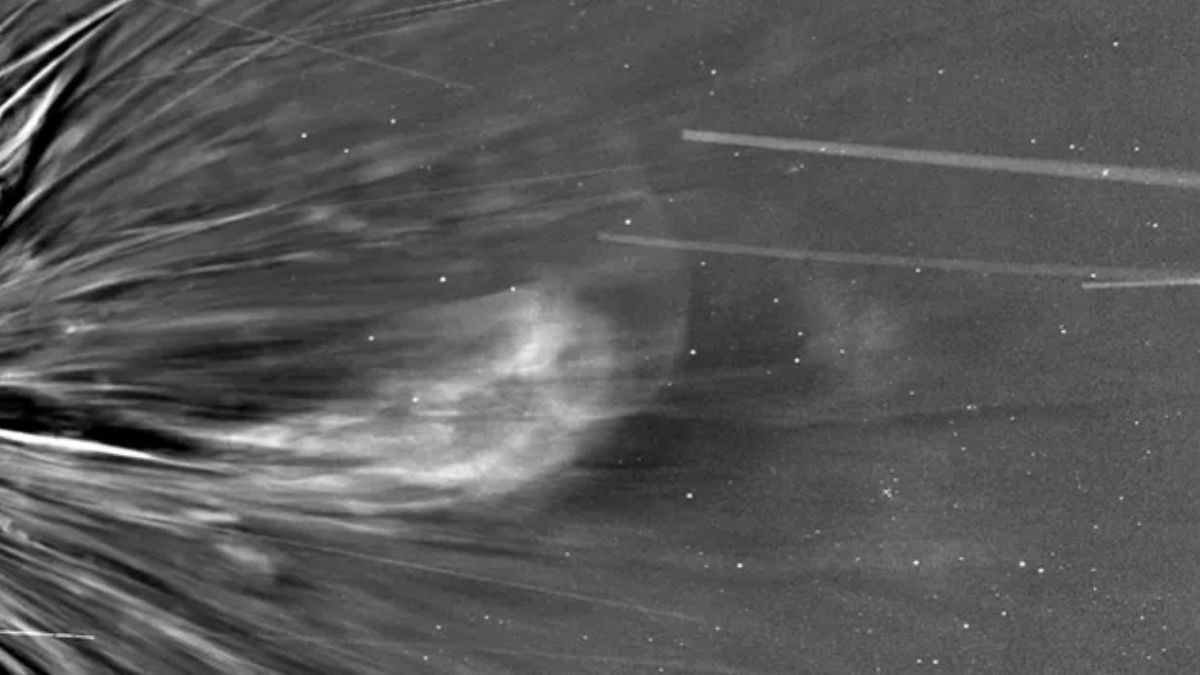
NASA’s Parker Solar Probe Observes Solar Wind Making ‘U-Turn’, Shedding Light on Space Weather
NASA’s Parker Solar Probe captured solar wind reversing toward the sun, revealing how magnetic fields recycle coronal material. This process, seen during a close flyby, helps refine models of space weather and may allow scientists to better predict solar storms that can impact satellites, communications, and power systems across the solar system.
-
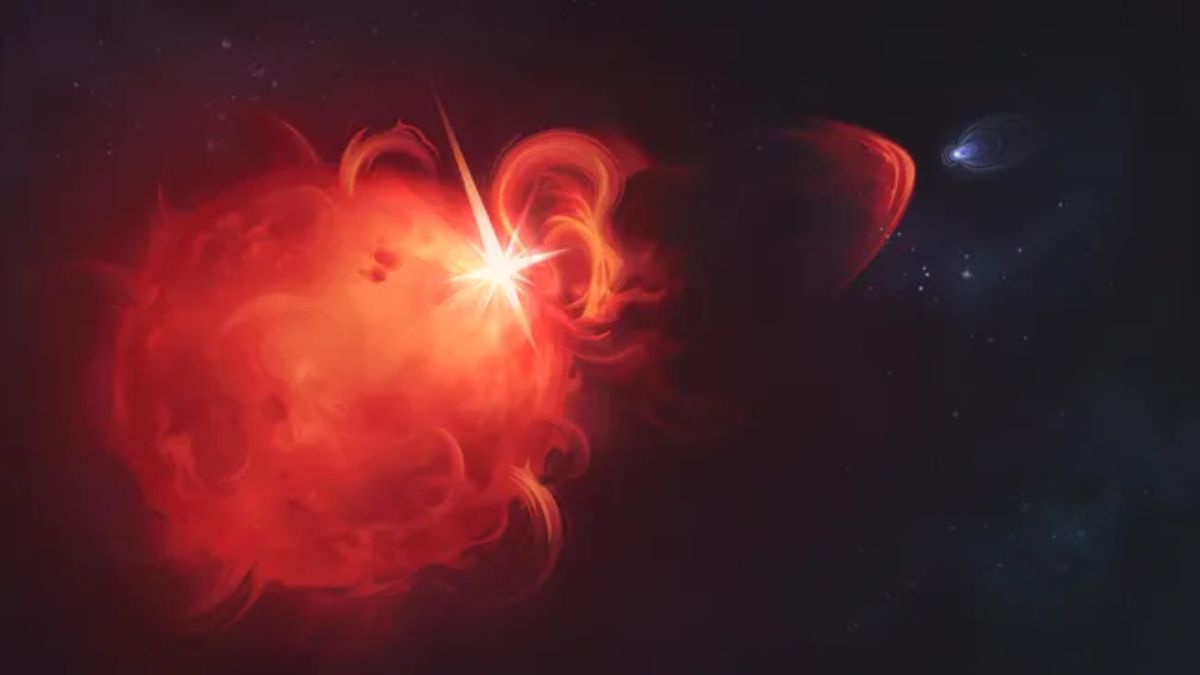
Astronomers Spot First Coronal Mass Ejection from a Distant Star, Raising Questions About Planetary Habitability
Astronomers detected the first coronal mass ejection from a distant star, revealing that powerful stellar eruptions may strip atmospheres from nearby planets, affecting exoplanet habitability and the search for life.
-
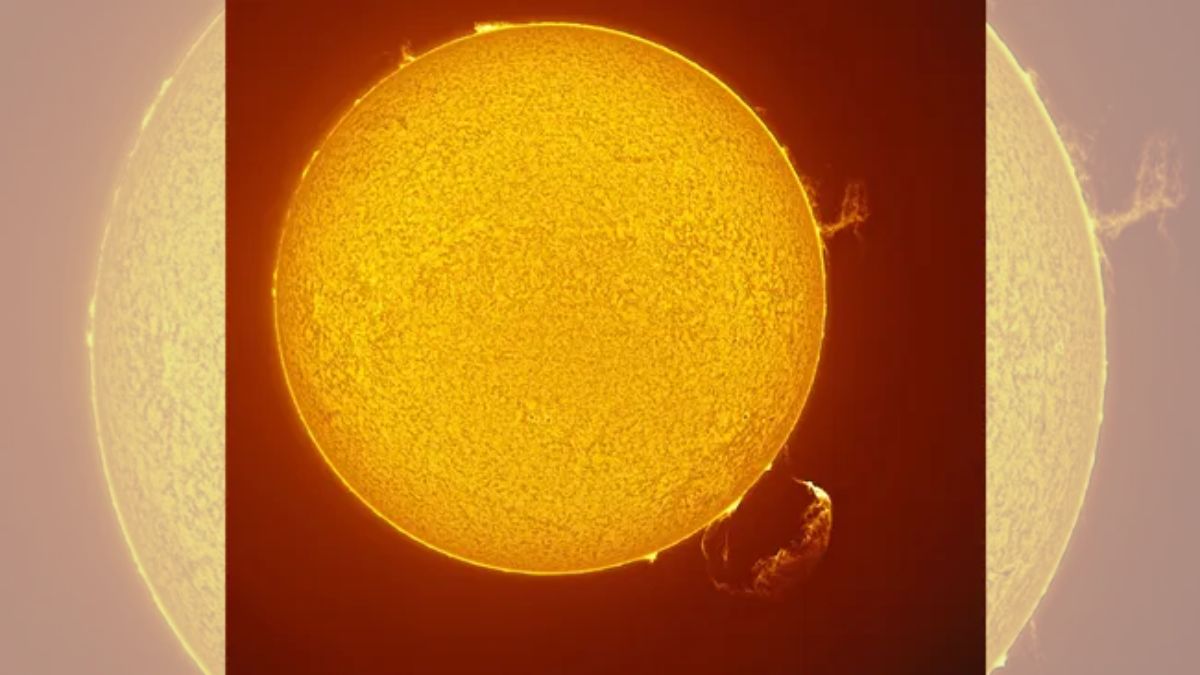
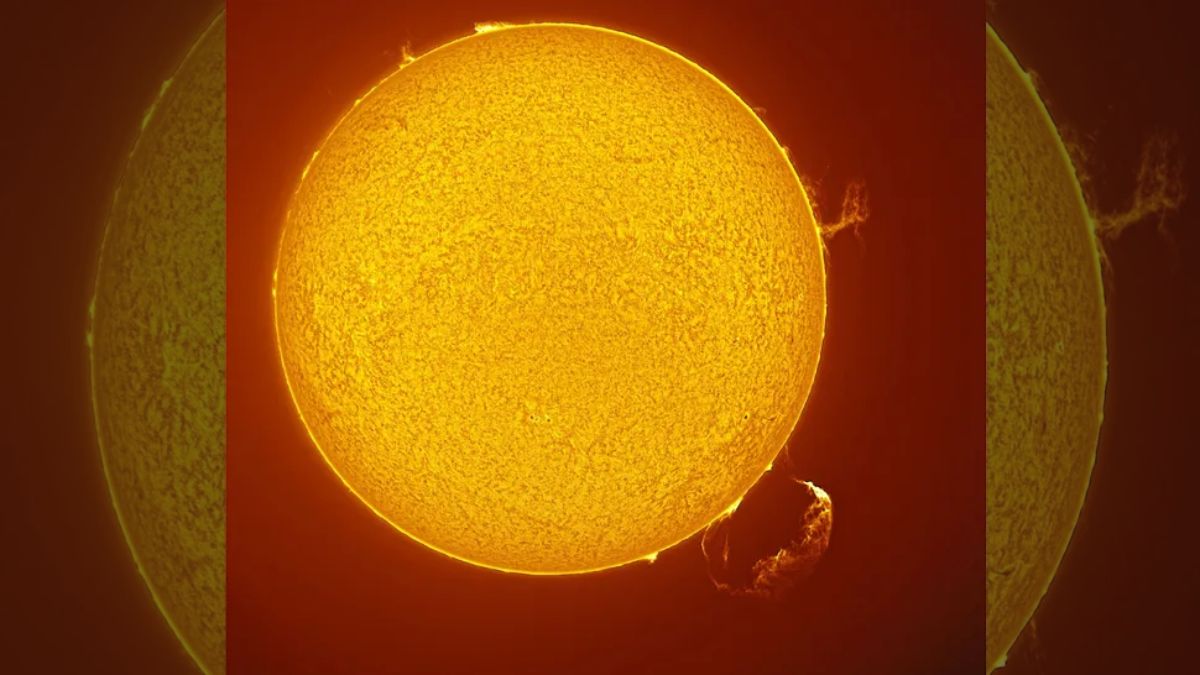
Researcher Photographs Giant Solar Tornado and Massive Plasma Eruption at the Same Time
On August 20, researcher Maximilian Teodorescu captured a rare photo of two dramatic solar events — a giant tornado of plasma rising 130,000 km and an eruptive prominence spanning 200,000 km. Both were shaped by the sun’s unstable magnetic fields. While the prominence did release a CME, it is not aimed at Earth.
-
Rare Giant Solar Tornado and Plasma Eruption Captured Together on the Sun
A Romanian researcher captured a rare sight on the Sun — a giant solar tornado alongside a massive plasma eruption. Both events, driven by magnetic field changes, highlight the Sun’s extreme activity during solar maximum. Luckily, the eruption’s CME is not headed toward Earth.
-
NASA CODEX Telescope on ISS Reveals Hidden Secrets of the Sun’s Corona
NASA has introduced CODEX, a cutting-edge mini solar telescope attached to the International Space Station, which is offering groundbreaking observations of the Sun's corona. Unlike past instruments, CODEX can measure both temperature and speed of solar wind particles. This innovation aims to improve our understanding of solar weather, especially a...
-
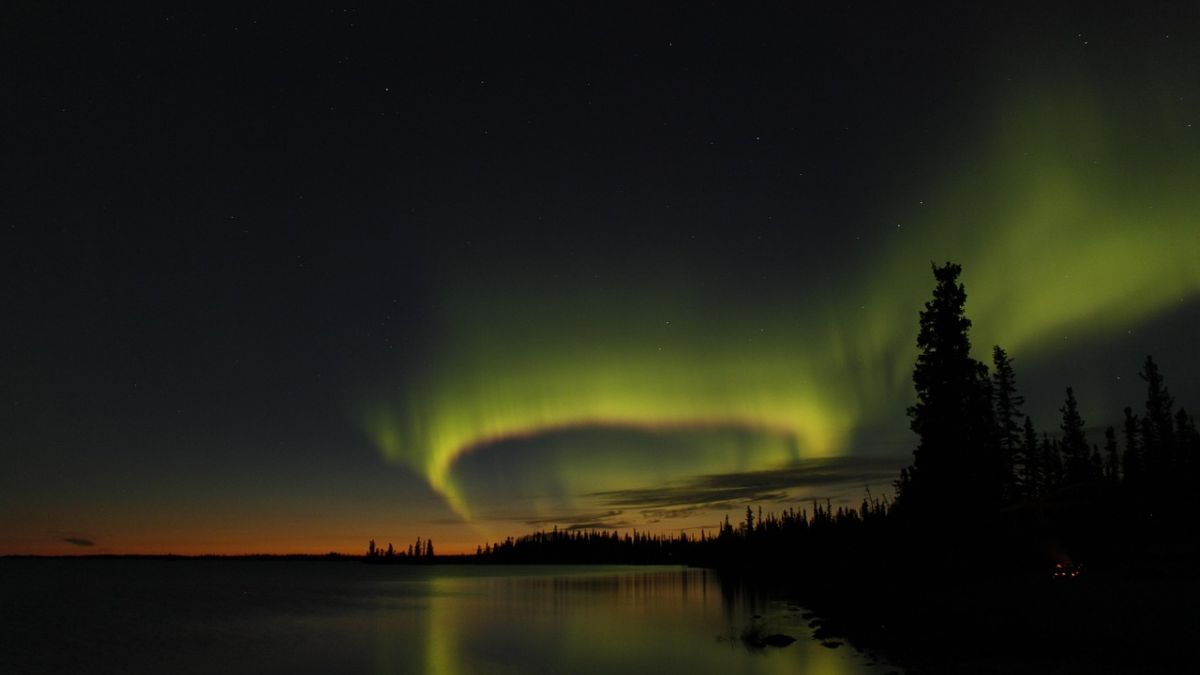
Aurora Alert! Northern Lights May Be Visible as Far South as New York on June 14
A moderate G2 geomagnetic storm on June 14 could push auroras as far south as New York and Idaho, triggered by solar wind from a coronal hole. NOAA forecasts peak geomagnetic activity with a Kp index of 5.67. While increased daylight may limit visibility, skywatchers are advised to look out for northern lights during early morning hours.
-
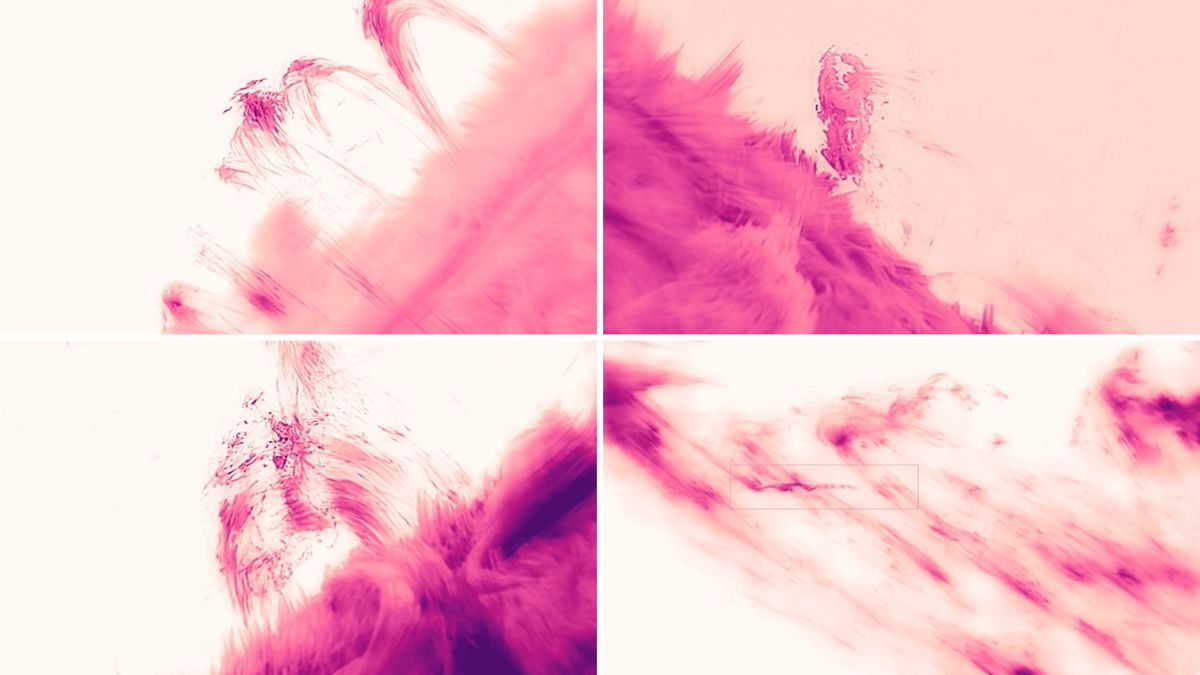
Scientists Capture Plasma Streams, Coronal Raindrops in Sharpest-Ever View of Sun’s Corona
For the first time, scientists have captured ultra-detailed footage of the sun’s outer atmosphere, showing coronal rain and a never-before-seen plasma stream. These new images were made possible by adaptive optics that cut through Earth’s atmospheric interference, revealing structures never observed before. The findings could unlock solar myste...
-
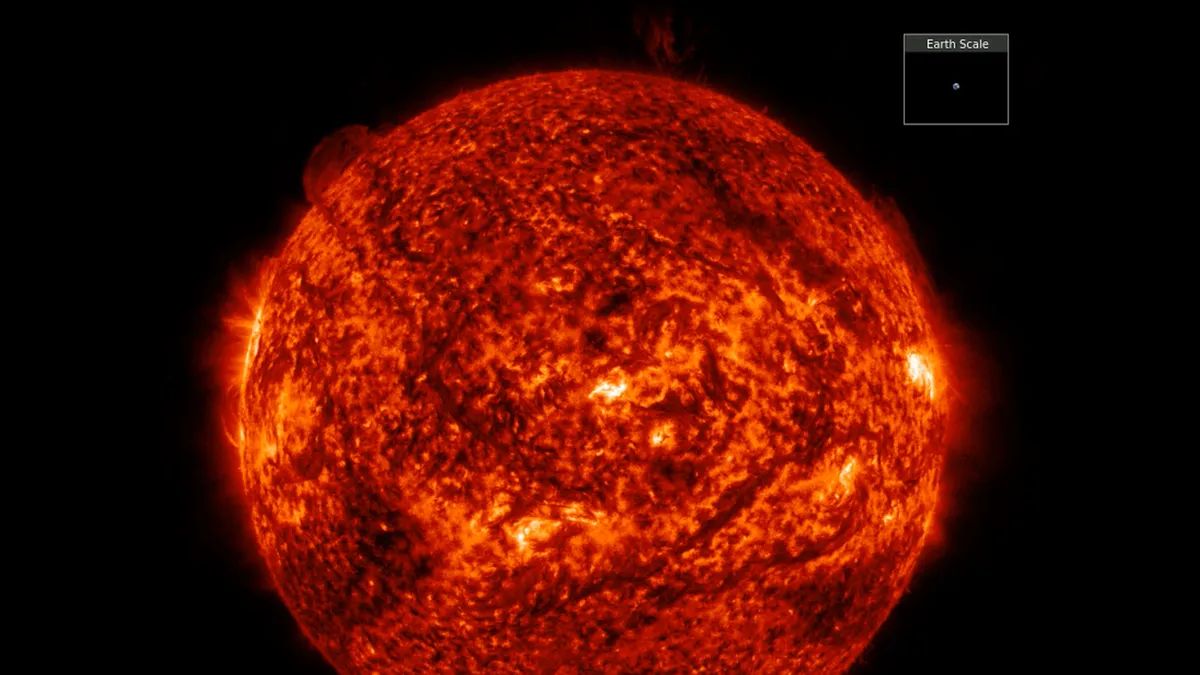
Sun Unleash a 600,000-Mile Filament in Fiery Eruption
A spectacular 600,000-mile-long solar filament erupted off the sun’s surface in a fiery blast captured on video. While the resulting CME will miss Earth, experts are watching closely as solar activity ramps up toward Solar Cycle 25’s peak. The event underscores the sun’s ongoing volatility and potential for more powerful outbursts ahead.
-
Lakshyaraj Singh Mewar Coronated, Becomes Titular Head Of Rajasthan Royal Family
In a ceremony steeped in tradition and grandeur, erstwhile member of Mewar royal family, Lakshyaraj Singh was enthroned on Wednesday in the Udaipur City Palace.










-
Doctor Who Performed Autopsy On Marilyn Monroe Explains What Caused Her Death
Dr. Thomas Noguchi, the chief medical examiner and coroner for Los Angeles County during the 60s and 70s, is known for his groundbreaking autopsies that forever shaped American culture.
-
Sun Unleashes Triple Solar Flare Blast, Triggering G3 Geomagnetic Storm Alert
Three powerful solar flares erupted from active sunspot AR 4455, sending Earth-directed plasma clouds into space. NOAA has issued a G3 geomagnetic storm watch, increasing the chances of widespread auroras.
-
Carrington-Level Solar Storm Could Disrupt Satellites, GPS, and Power Grids, Scientists Warn
A solar superstorm like the Carrington Event could disrupt satellites, GPS, and power grids worldwide. Scientists warn that while rare, such events pose a serious threat to modern infrastructure, though improved monitoring and safeguards may reduce the risks.
-
Scientists Reveal Powerful Solar Flare Behind South Pacific Radio Blackouts
A solar flare is an extremely bright flash of radiation. It occurs when magnetic energy associated with a sunspot is suddenly released.
-
Powerful X-Class Solar Flare Sends CME Toward Earth, Storms Possible
A powerful X1.9 solar flare erupted on January 18, launching a fast coronal mass ejection toward Earth. Space weather agencies warn of strong geomagnetic storms that could disrupt satellites, GPS and radio communications, while also producing vivid auroras visible well beyond the polar regions.
-
NASA’s PUNCH Mission Provides First Continuous Views of Solar Eruptions Across Space
NASA’s PUNCH mission released images tracking solar eruptions from the Sun’s corona into interplanetary space. The data reveals CMEs and solar wind dynamics and supports better space weather forecasting for Earth and beyond.
-
NASA’s Parker Solar Probe Observes Solar Wind Making ‘U-Turn’, Shedding Light on Space Weather
NASA’s Parker Solar Probe captured solar wind reversing toward the sun, revealing how magnetic fields recycle coronal material. This process, seen during a close flyby, helps refine models of space weather and may allow scientists to better predict solar storms that can impact satellites, communications, and power systems across the solar system.
-
Astronomers Spot First Coronal Mass Ejection from a Distant Star, Raising Questions About Planetary Habitability
Astronomers detected the first coronal mass ejection from a distant star, revealing that powerful stellar eruptions may strip atmospheres from nearby planets, affecting exoplanet habitability and the search for life.
-
Researcher Photographs Giant Solar Tornado and Massive Plasma Eruption at the Same Time
On August 20, researcher Maximilian Teodorescu captured a rare photo of two dramatic solar events — a giant tornado of plasma rising 130,000 km and an eruptive prominence spanning 200,000 km. Both were shaped by the sun’s unstable magnetic fields. While the prominence did release a CME, it is not aimed at Earth.
-
Rare Giant Solar Tornado and Plasma Eruption Captured Together on the Sun
A Romanian researcher captured a rare sight on the Sun — a giant solar tornado alongside a massive plasma eruption. Both events, driven by magnetic field changes, highlight the Sun’s extreme activity during solar maximum. Luckily, the eruption’s CME is not headed toward Earth.
-
NASA CODEX Telescope on ISS Reveals Hidden Secrets of the Sun’s Corona
NASA has introduced CODEX, a cutting-edge mini solar telescope attached to the International Space Station, which is offering groundbreaking observations of the Sun's corona. Unlike past instruments, CODEX can measure both temperature and speed of solar wind particles. This innovation aims to improve our understanding of solar weather, especially a...
-
Aurora Alert! Northern Lights May Be Visible as Far South as New York on June 14
A moderate G2 geomagnetic storm on June 14 could push auroras as far south as New York and Idaho, triggered by solar wind from a coronal hole. NOAA forecasts peak geomagnetic activity with a Kp index of 5.67. While increased daylight may limit visibility, skywatchers are advised to look out for northern lights during early morning hours.
-
Scientists Capture Plasma Streams, Coronal Raindrops in Sharpest-Ever View of Sun’s Corona
For the first time, scientists have captured ultra-detailed footage of the sun’s outer atmosphere, showing coronal rain and a never-before-seen plasma stream. These new images were made possible by adaptive optics that cut through Earth’s atmospheric interference, revealing structures never observed before. The findings could unlock solar myste...
-
Sun Unleash a 600,000-Mile Filament in Fiery Eruption
A spectacular 600,000-mile-long solar filament erupted off the sun’s surface in a fiery blast captured on video. While the resulting CME will miss Earth, experts are watching closely as solar activity ramps up toward Solar Cycle 25’s peak. The event underscores the sun’s ongoing volatility and potential for more powerful outbursts ahead.
-
Lakshyaraj Singh Mewar Coronated, Becomes Titular Head Of Rajasthan Royal Family
In a ceremony steeped in tradition and grandeur, erstwhile member of Mewar royal family, Lakshyaraj Singh was enthroned on Wednesday in the Udaipur City Palace.

