



Astrophysical Journal
-
{
- All
- News
-

Astronomers Observe Rare Supernova–Black Hole Interaction in Early Stages
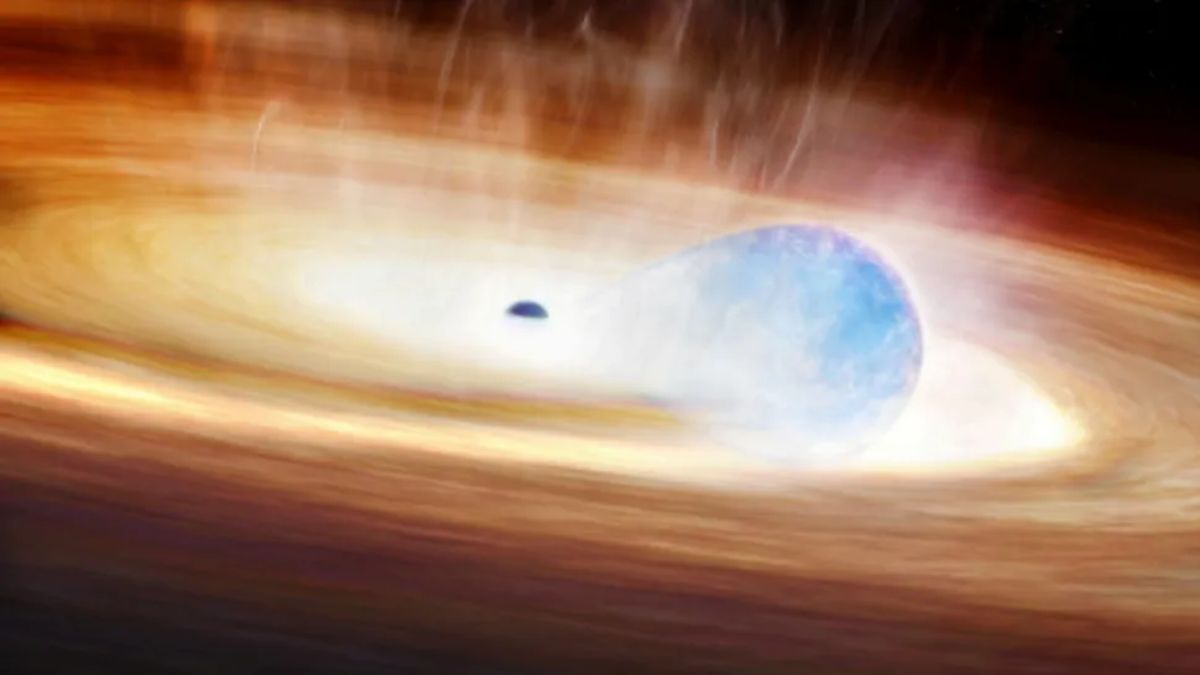
In a groundbreaking discovery, astronomers observed SN 2023zkd, a supernova that may have been triggered by close interaction with a black hole. Featuring unusual brightness peaks and extended pre-explosion activity, the event offers new insights into star black hole dynamics. Real-time AI detection played a key role, and upcoming surveys promise t...
-
James Webb Telescope Detects Methanol and Ethanol Near Young Stars, Hinting at Life’s Origins
NASA’s James Webb Telescope has identified ethanol and methanol isotopes around protostars and HD 100453. These discoveries offer valuable clues about the cosmic origins of life, indicating that comets filled with organic molecules might have seeded early Earth.
-
Elusive Dark Galaxy Revealed By ALMA Telescope Observations: Report
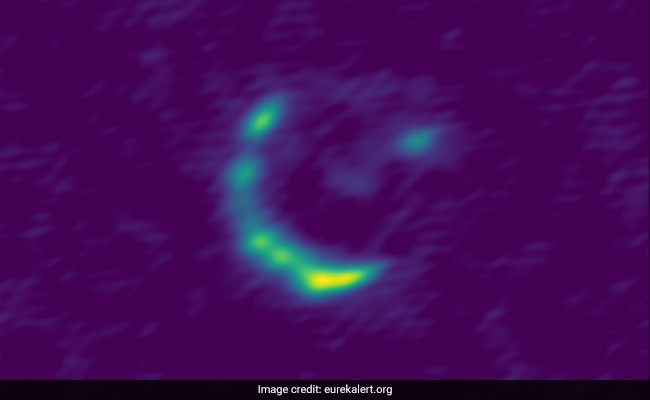
This month, The Astrophysical Journal published a study on a "very unusual" galaxy conducted by a team of researchers at the Scuola Internazionale Superiore di Studi Avanzati (Sissa) in Italy.
-
Mysterious Radio Burst Came From A Galaxy 2.5 Billion Light Years Away, Astronomers Discover
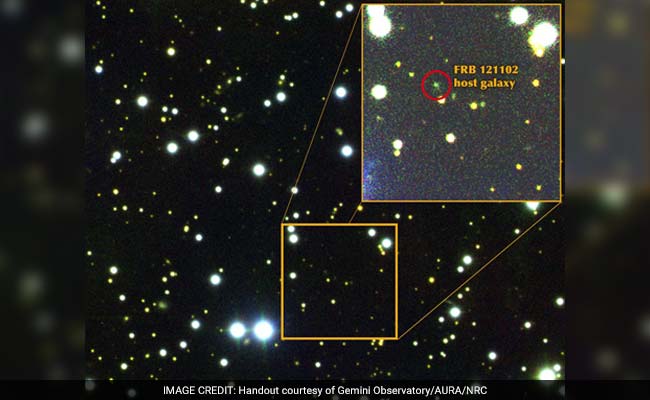
A dim dwarf galaxy 2.5 billion light years from Earth is sending out the mysterious millisecond-long blasts of radio waves, researchers report Wednesday in Nature and Astrophysical Journal Letters. The bursts traverse vast expanses of time and intergalactic space before reaching our planet.
-
Moons Of Saturn May Be Younger Than Dinosaurs: Study
Some of Saturn's icy moons as well as its famous rings might be modern adornments, and their dramatic birth may have taken place a mere hundred million years ago, more recent than the reign of many dinosaurs, a new study suggests.
-
Closest 'Potentially Habitable' Planet Found 14 Light Years Away
Astronomers have discovered the closest potentially habitable planet found outside our solar system, orbiting a star just 14 light years away.
-
These Baby 'Monster' Galaxies Are Swaddled in Dark Matter
Scientists have discovered a nursery full of monstrous cosmic babies. In a study published Friday in the Astrophysical Journal Letters, researchers report nine so-called monster galaxies - ones bursting with rampant star formation - from the early days of the solar system.
-
Sun Can Produce 'Superflares' That May Disrupt Life on Earth
Sun has the potential to produce superflares, with energy equivalent to a billion megaton bombs, which may severely disrupt power grids and communication systems on the Earth, a new study has found.
-
NASA Probe Discovers New Planet Orbiting 2 Stars
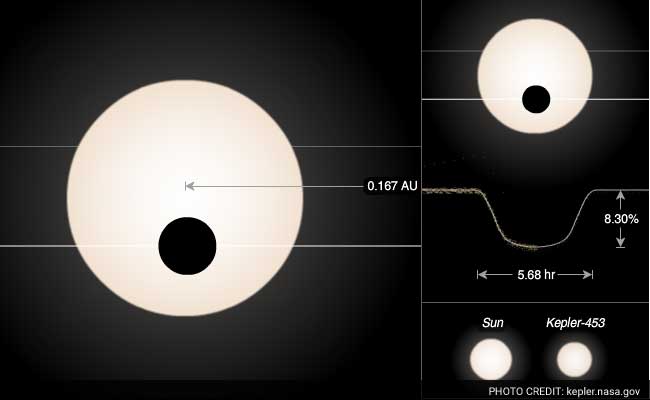
NASA's Kepler mission has discovered a new planet orbiting two stars and located within its host stars' "habitable zone", the area around the stars in which life could potentially exist.
-
Most-Distant Known Galaxy Cluster Discovered
In a breakthrough, astrophysicists have discovered the most-distant known galaxy cluster that would give them a unique opportunity to study old galaxies in detail and better understand their origins.
-
Astronomers Observe Rare Supernova–Black Hole Interaction in Early Stages
In a groundbreaking discovery, astronomers observed SN 2023zkd, a supernova that may have been triggered by close interaction with a black hole. Featuring unusual brightness peaks and extended pre-explosion activity, the event offers new insights into star black hole dynamics. Real-time AI detection played a key role, and upcoming surveys promise t...
-
James Webb Telescope Detects Methanol and Ethanol Near Young Stars, Hinting at Life’s Origins
NASA’s James Webb Telescope has identified ethanol and methanol isotopes around protostars and HD 100453. These discoveries offer valuable clues about the cosmic origins of life, indicating that comets filled with organic molecules might have seeded early Earth.
-
Elusive Dark Galaxy Revealed By ALMA Telescope Observations: Report
This month, The Astrophysical Journal published a study on a "very unusual" galaxy conducted by a team of researchers at the Scuola Internazionale Superiore di Studi Avanzati (Sissa) in Italy.
-
Mysterious Radio Burst Came From A Galaxy 2.5 Billion Light Years Away, Astronomers Discover
A dim dwarf galaxy 2.5 billion light years from Earth is sending out the mysterious millisecond-long blasts of radio waves, researchers report Wednesday in Nature and Astrophysical Journal Letters. The bursts traverse vast expanses of time and intergalactic space before reaching our planet.
-
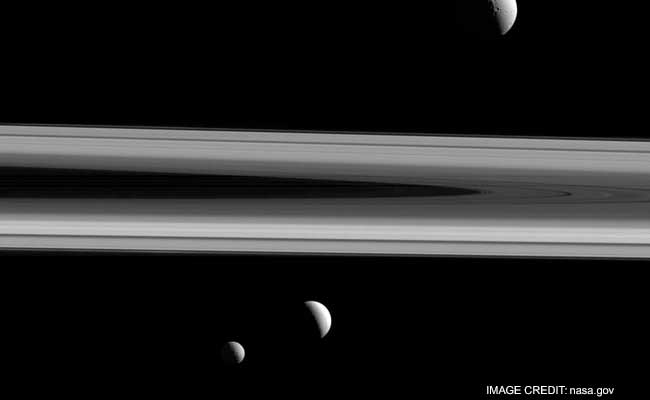
Moons Of Saturn May Be Younger Than Dinosaurs: Study
Some of Saturn's icy moons as well as its famous rings might be modern adornments, and their dramatic birth may have taken place a mere hundred million years ago, more recent than the reign of many dinosaurs, a new study suggests.
-
Closest 'Potentially Habitable' Planet Found 14 Light Years Away
Astronomers have discovered the closest potentially habitable planet found outside our solar system, orbiting a star just 14 light years away.
-
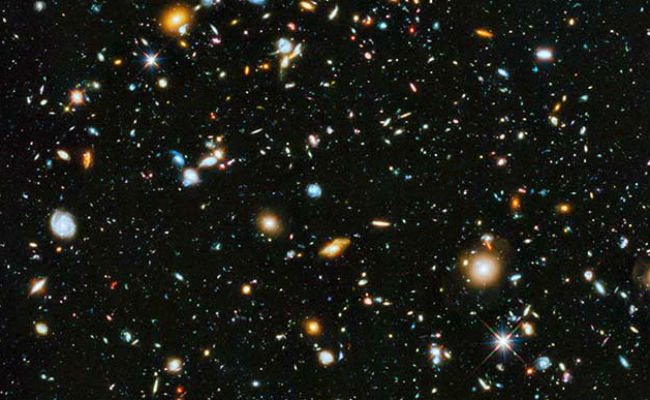
These Baby 'Monster' Galaxies Are Swaddled in Dark Matter
Scientists have discovered a nursery full of monstrous cosmic babies. In a study published Friday in the Astrophysical Journal Letters, researchers report nine so-called monster galaxies - ones bursting with rampant star formation - from the early days of the solar system.
-
Sun Can Produce 'Superflares' That May Disrupt Life on Earth
Sun has the potential to produce superflares, with energy equivalent to a billion megaton bombs, which may severely disrupt power grids and communication systems on the Earth, a new study has found.
-
NASA Probe Discovers New Planet Orbiting 2 Stars
NASA's Kepler mission has discovered a new planet orbiting two stars and located within its host stars' "habitable zone", the area around the stars in which life could potentially exist.
-
Most-Distant Known Galaxy Cluster Discovered
In a breakthrough, astrophysicists have discovered the most-distant known galaxy cluster that would give them a unique opportunity to study old galaxies in detail and better understand their origins.

