



Andromeda Galaxy
-
{
- All
- News
- Web Stories
-

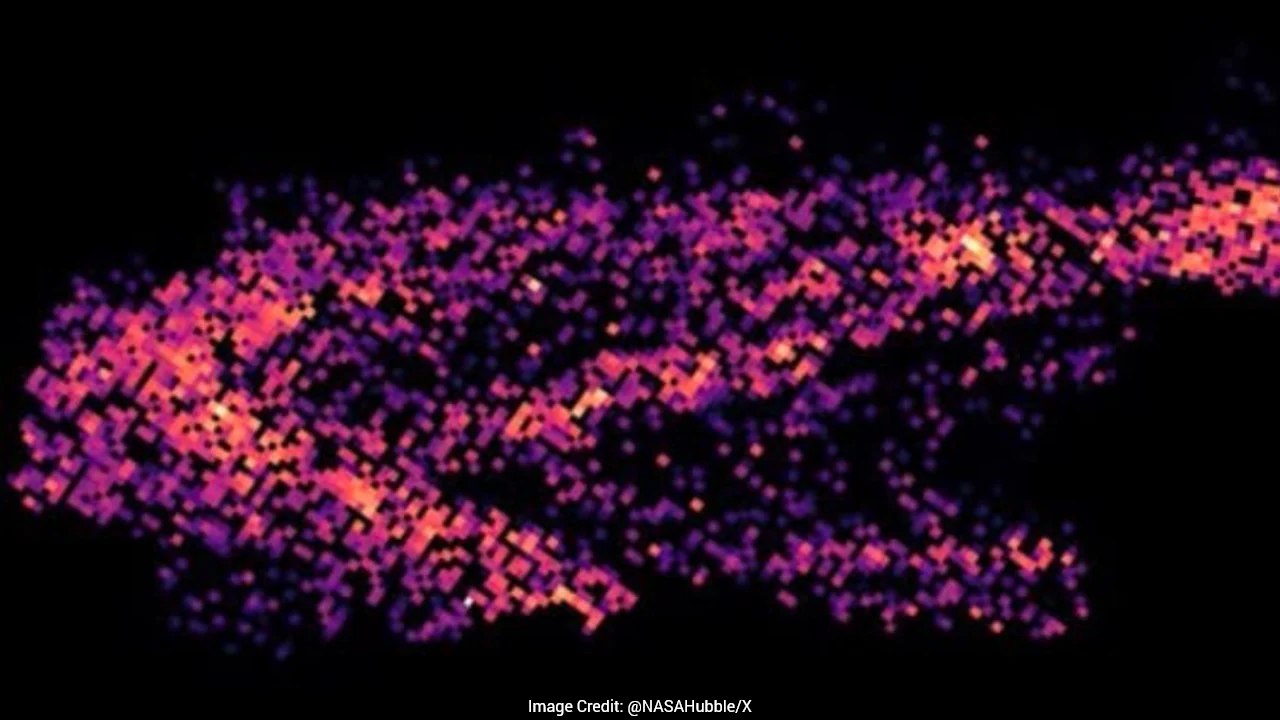
NASA Hubble Study Finds Andromeda Galaxy's Star Formation Has Been Declining For 500 Million Years
A study using Hubble data shows Andromeda galaxy's star formation has steadily declined over 500 million years.
-
Andromeda XXXVI Discovery Sheds Light on Dark Matter Rich Dwarf Galaxies
Astronomers have discovered Andromeda XXXVI, an ultra-faint, dark matter-rich satellite of Andromeda Galaxy. This ancient system may be a fossil from the early universe, helping scientists study galaxy formation and dark matter.
-
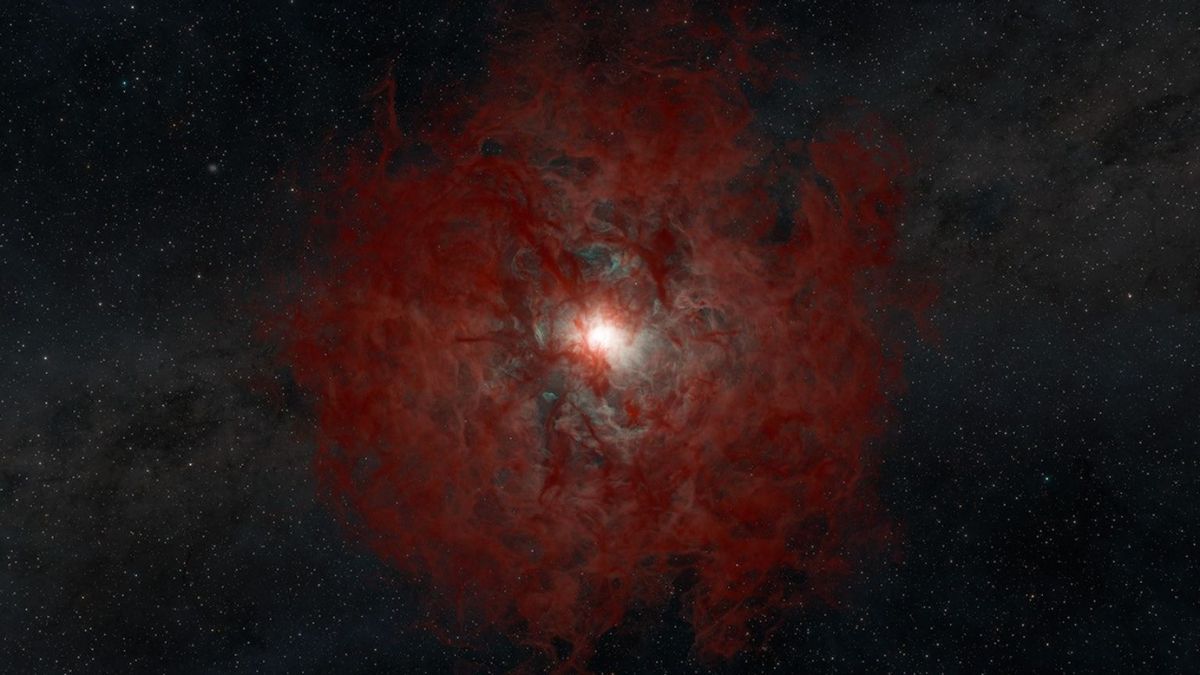
Astronomers Witness Rare Failed Supernova in Andromeda Galaxy
NASA’s NEOWISE infrared telescope has provided striking evidence that a massive star in the Andromeda galaxy collapsed directly into a black hole without exploding as a supernova. The star, M31-2014-DS1, faded dramatically in visible light while leaving a faint infrared glow from surrounding dust. Astronomers say this rare “failed supernova” ...
-
From Full Moon To Meteor Shower: Don't Miss These 8 Celestial Events In October 2025
Grab your telescope and enjoy these spectacular October 2025 celestial events.
-
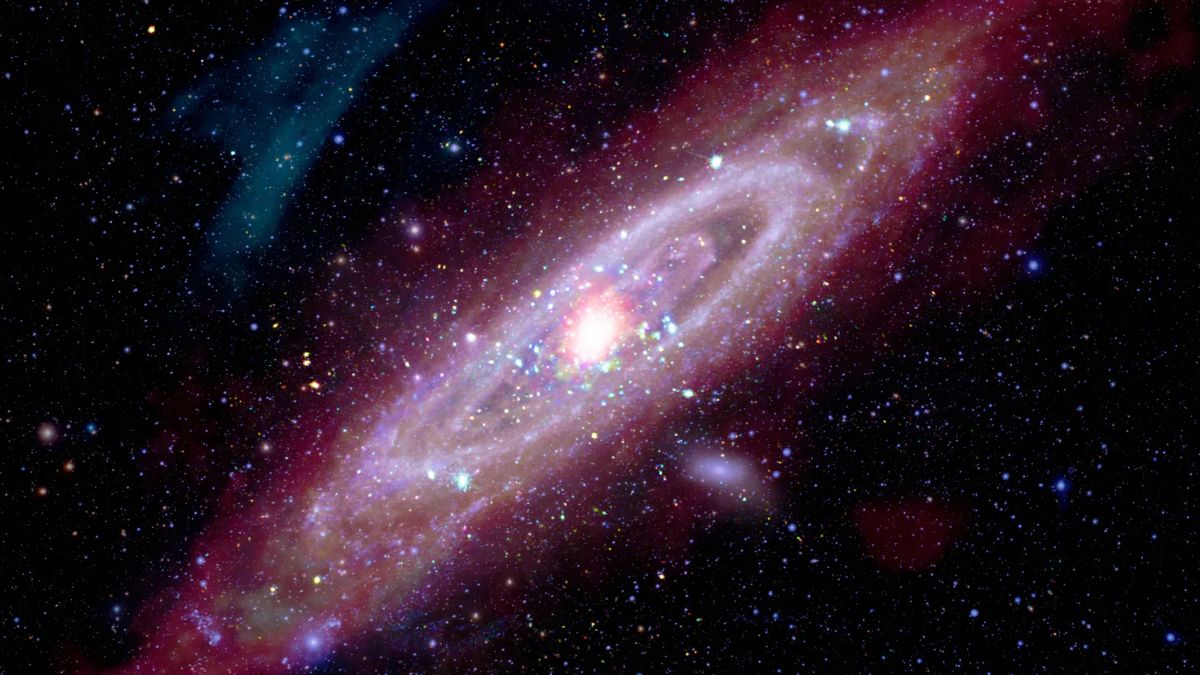
NASA’s Chandra Reveals Stunning Multi-Wavelength Image of Andromeda Galaxy
NASA’s Chandra X-ray Observatory has released a stunning composite image of the Andromeda galaxy, combining data across the electromagnetic spectrum. This multi-wavelength view highlights X-ray flares near the central black hole and pays tribute to Dr. Vera Rubin’s pioneering dark matter research. The image, also presented through a musical son...
-
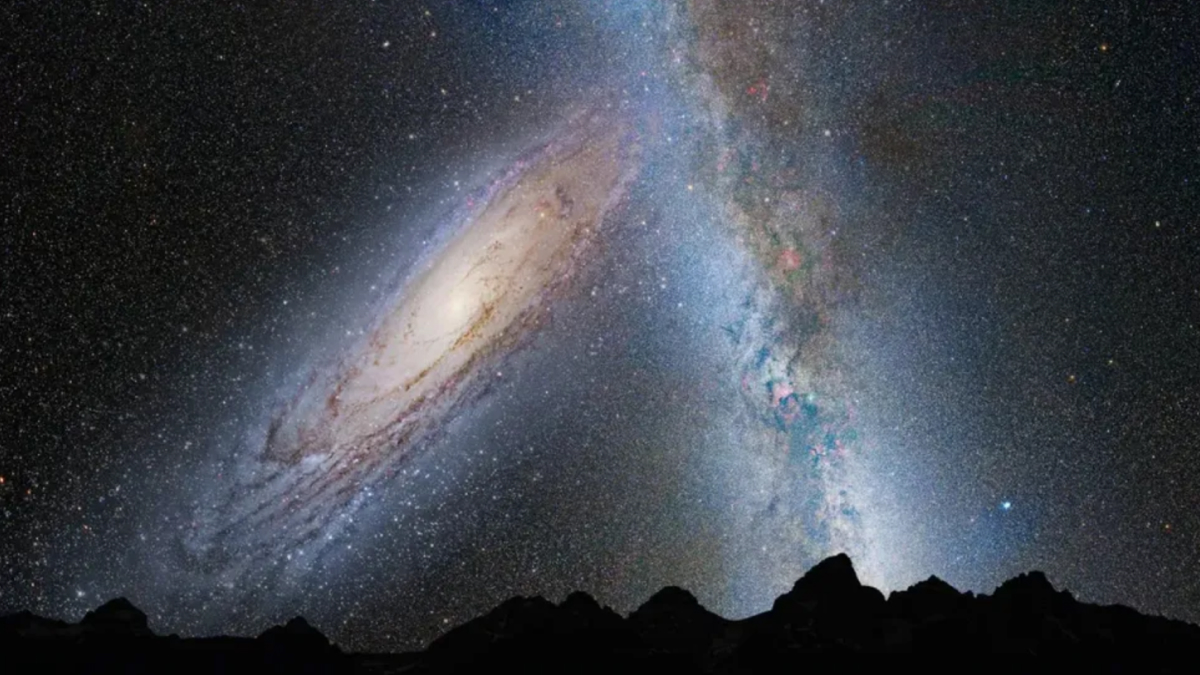
Milky Way May Not Be Destroyed In Galactic Smash-Up After All
The Milky Way may not have a catastrophic collision with another huge galaxy as has been predicted, computer simulations revealed, giving our home galaxy a coin-flip chance of avoiding destruction.
-
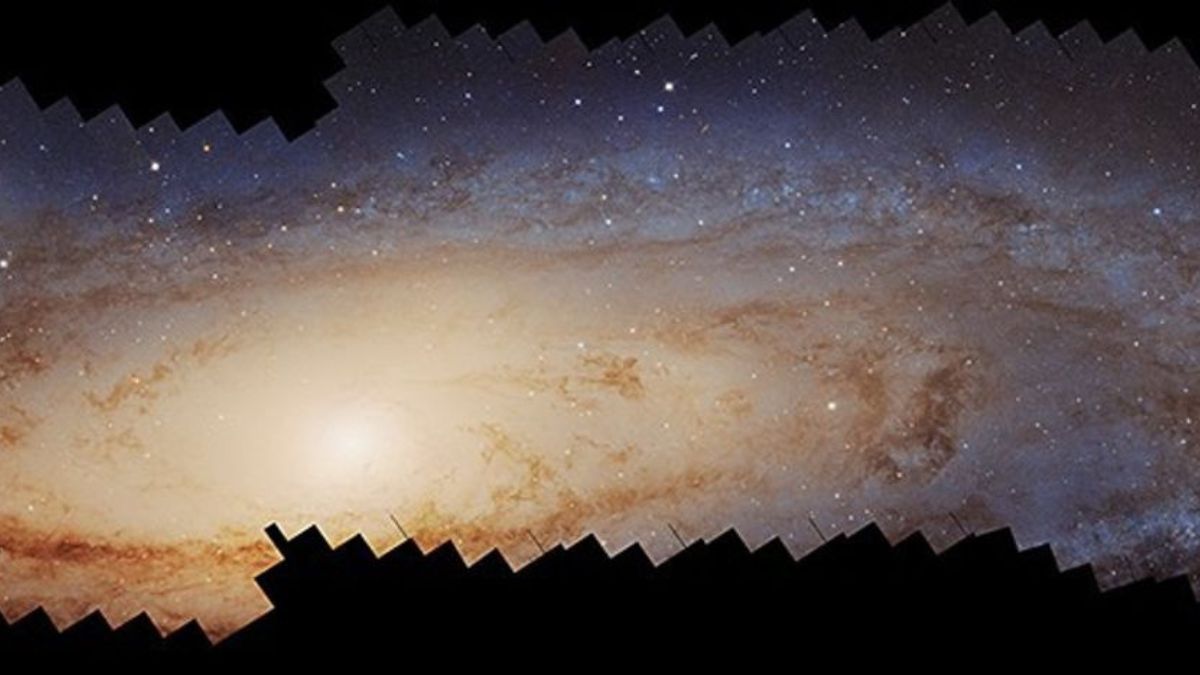
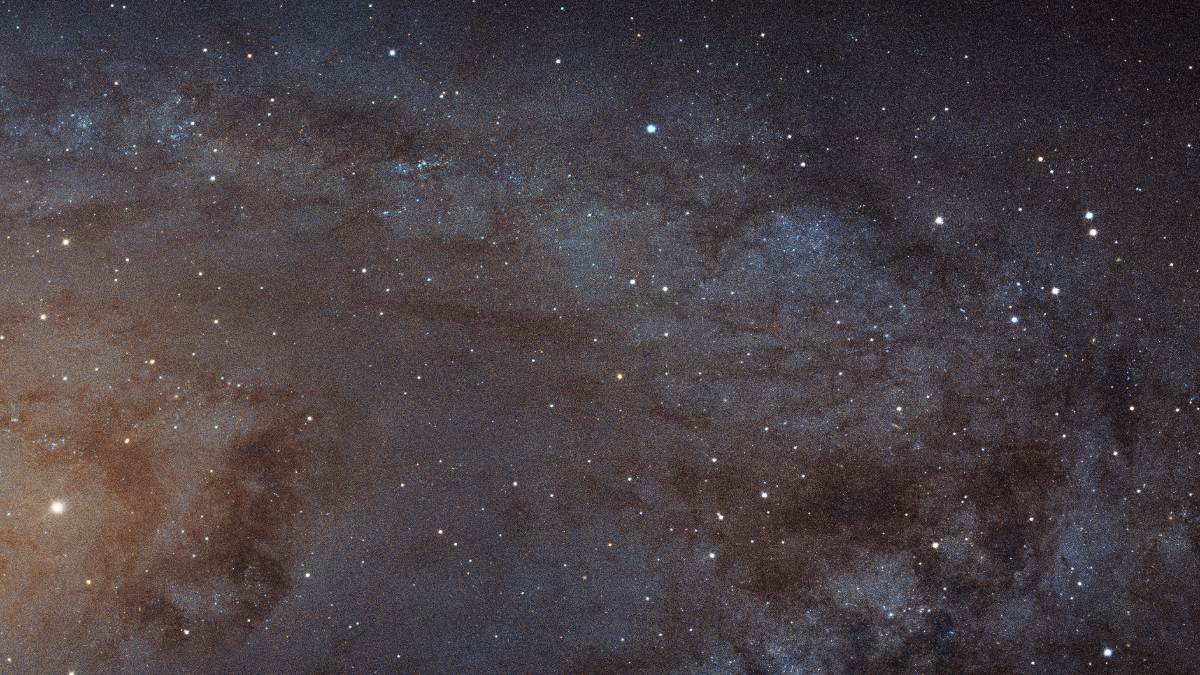
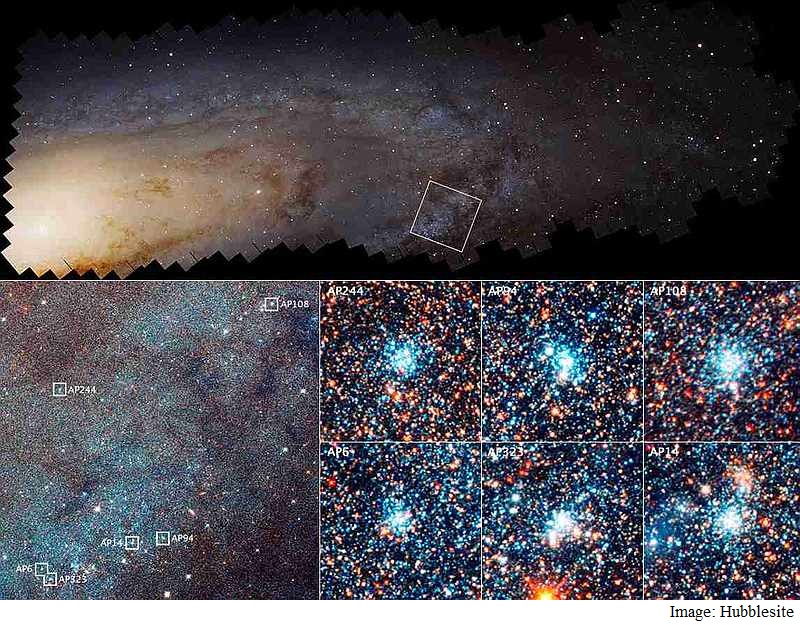
Hubble’s Detailed Andromeda Galaxy Mosaic Sheds Light on Its Past and Evolution
NASA’s Hubble Space Telescope has produced a massive photomosaic of the Andromeda galaxy, revealing more than 200 million stars. The study offers fresh insights into Andromeda’s evolutionary history, which includes mergers with smaller galaxies. This breakthrough provides a clearer picture of the galaxy's structure and the processes that shaped...
-
ISRO’s AstroSat Observes First-Ever Nuclear Explosion in Andromeda Galaxy
Using the Ultraviolet Imaging Telescope (UVIT) aboard ISRO’s AstroSat, scientists have identified far-ultraviolet emissions from 42 novae in the Andromeda Galaxy. This marks the first detection of such emissions during their outbursts, offering new insights into the processes of stellar explosions. Four of these novae were observed in real-time a...
-
Milky Way and Andromedia Fated Collision Might Not Happen, Reveals New Study
Recent research has cast doubt on the certainty of the Milky Way-Andromeda galaxy collision, suggesting the event may not be as inevitable as once thought. Traditionally, astronomers have predicted that our galaxy would merge with Andromeda within the next 5 billion years, creating a new elliptical galaxy often referred to as "Milkomeda." However, ...
-
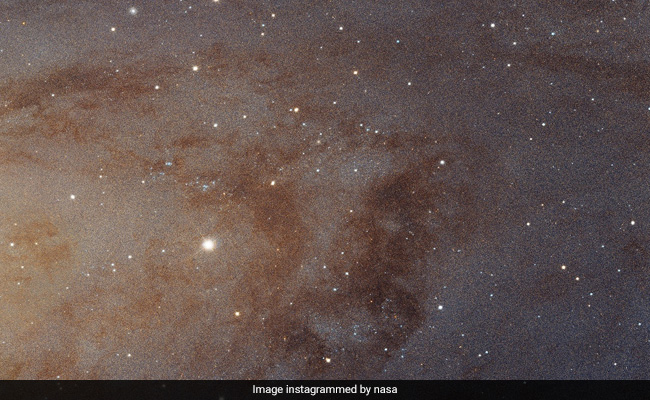
NASA Shares Largest-Ever Image Of Andromeda Galaxy, Internet Calls It "Extraordinarily Beautiful"
American space agency NASA on Sunday shared the "largest-ever" image assembled of the Andromeda galaxy by the Hubble Space Telescope. The picture was captured seven years ago and it is the sharpest large composite image ever taken of the galaxy.
-
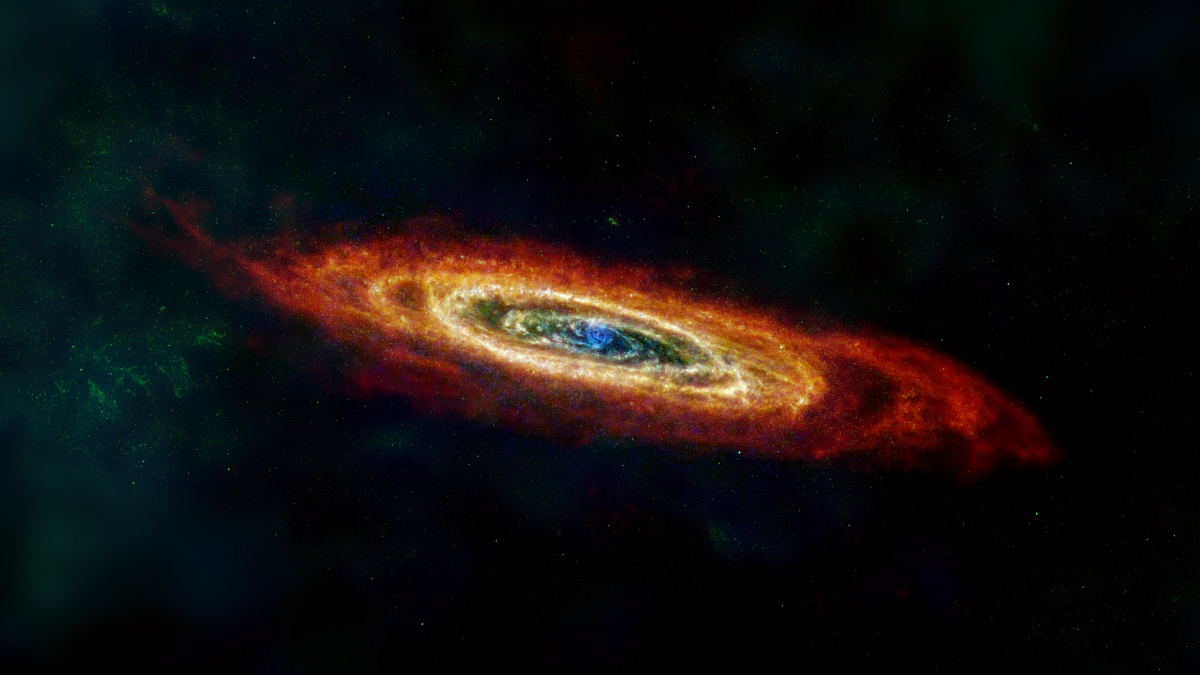
Scientists Use Retired Telescopes to Capture Intricate Images of Cosmic Dust and Clouds
Scientists have captured intricate details of cosmic dust and clouds in space, including the Andromeda galaxy (M31), Triangulum galaxy (M33), and the Large and Small Magellanic Clouds. In order to create images of the cosmic dust and clouds, researchers have relied on data from various retired missions such as the using the European Space Agency (E...
-
Andromeda Galaxy Zoom-Out Video With Over 100 Million Stars Will Leave You Awestruck
Andromeda Galaxy's vastness is captured perfectly in a zoom-out video that was shared by World and Science, a Twitter handle that frequently shares interesting stories from the world of science. The video of Andromeda Galaxy, also known as Messier 31 or M31, has left users on the micro-blogging site awestruck.
-
NASA Telescope Finds Clues To Dark Matter At Andromeda Galaxy
NASA's Fermi gamma-ray space telescope has found a signal at the centre of the neighbouring Andromeda galaxy that could be coming from dark matter, an unknown substance that makes up most of the universe, according to a study.
-
Hubble Survey Unlocks Clues to Star Birth in Neighbouring M31 Galaxy
Astronomers have found that the neighbouring Andromeda galaxy and our own Milky Way have a similar percentage of new-born stars based on mass.
-
NASA Hubble Study Finds Andromeda Galaxy's Star Formation Has Been Declining For 500 Million Years
A study using Hubble data shows Andromeda galaxy's star formation has steadily declined over 500 million years.
-
Andromeda XXXVI Discovery Sheds Light on Dark Matter Rich Dwarf Galaxies
Astronomers have discovered Andromeda XXXVI, an ultra-faint, dark matter-rich satellite of Andromeda Galaxy. This ancient system may be a fossil from the early universe, helping scientists study galaxy formation and dark matter.
-
Astronomers Witness Rare Failed Supernova in Andromeda Galaxy
NASA’s NEOWISE infrared telescope has provided striking evidence that a massive star in the Andromeda galaxy collapsed directly into a black hole without exploding as a supernova. The star, M31-2014-DS1, faded dramatically in visible light while leaving a faint infrared glow from surrounding dust. Astronomers say this rare “failed supernova” ...
-
From Full Moon To Meteor Shower: Don't Miss These 8 Celestial Events In October 2025
Grab your telescope and enjoy these spectacular October 2025 celestial events.
-
NASA’s Chandra Reveals Stunning Multi-Wavelength Image of Andromeda Galaxy
NASA’s Chandra X-ray Observatory has released a stunning composite image of the Andromeda galaxy, combining data across the electromagnetic spectrum. This multi-wavelength view highlights X-ray flares near the central black hole and pays tribute to Dr. Vera Rubin’s pioneering dark matter research. The image, also presented through a musical son...
-
Milky Way May Not Be Destroyed In Galactic Smash-Up After All
The Milky Way may not have a catastrophic collision with another huge galaxy as has been predicted, computer simulations revealed, giving our home galaxy a coin-flip chance of avoiding destruction.
-
Hubble’s Detailed Andromeda Galaxy Mosaic Sheds Light on Its Past and Evolution
NASA’s Hubble Space Telescope has produced a massive photomosaic of the Andromeda galaxy, revealing more than 200 million stars. The study offers fresh insights into Andromeda’s evolutionary history, which includes mergers with smaller galaxies. This breakthrough provides a clearer picture of the galaxy's structure and the processes that shaped...
-
ISRO’s AstroSat Observes First-Ever Nuclear Explosion in Andromeda Galaxy
Using the Ultraviolet Imaging Telescope (UVIT) aboard ISRO’s AstroSat, scientists have identified far-ultraviolet emissions from 42 novae in the Andromeda Galaxy. This marks the first detection of such emissions during their outbursts, offering new insights into the processes of stellar explosions. Four of these novae were observed in real-time a...
-
Milky Way and Andromedia Fated Collision Might Not Happen, Reveals New Study
Recent research has cast doubt on the certainty of the Milky Way-Andromeda galaxy collision, suggesting the event may not be as inevitable as once thought. Traditionally, astronomers have predicted that our galaxy would merge with Andromeda within the next 5 billion years, creating a new elliptical galaxy often referred to as "Milkomeda." However, ...
-
NASA Shares Largest-Ever Image Of Andromeda Galaxy, Internet Calls It "Extraordinarily Beautiful"
American space agency NASA on Sunday shared the "largest-ever" image assembled of the Andromeda galaxy by the Hubble Space Telescope. The picture was captured seven years ago and it is the sharpest large composite image ever taken of the galaxy.
-
Scientists Use Retired Telescopes to Capture Intricate Images of Cosmic Dust and Clouds
Scientists have captured intricate details of cosmic dust and clouds in space, including the Andromeda galaxy (M31), Triangulum galaxy (M33), and the Large and Small Magellanic Clouds. In order to create images of the cosmic dust and clouds, researchers have relied on data from various retired missions such as the using the European Space Agency (E...
-
Andromeda Galaxy Zoom-Out Video With Over 100 Million Stars Will Leave You Awestruck
Andromeda Galaxy's vastness is captured perfectly in a zoom-out video that was shared by World and Science, a Twitter handle that frequently shares interesting stories from the world of science. The video of Andromeda Galaxy, also known as Messier 31 or M31, has left users on the micro-blogging site awestruck.
-
NASA Telescope Finds Clues To Dark Matter At Andromeda Galaxy
NASA's Fermi gamma-ray space telescope has found a signal at the centre of the neighbouring Andromeda galaxy that could be coming from dark matter, an unknown substance that makes up most of the universe, according to a study.
-
Hubble Survey Unlocks Clues to Star Birth in Neighbouring M31 Galaxy
Astronomers have found that the neighbouring Andromeda galaxy and our own Milky Way have a similar percentage of new-born stars based on mass.

