




As wedding preparations begin, jewellery shopping is once again becoming a major part of household spending. But with gold prices staying high, families planning weddings are also looking for ways to get more value from every rupee they spend.
One way to do that is to look at the gold they already own.
Instead of buying an entirely new jewellery collection, families can exchange old bangles, chains, necklaces or other pieces that are no longer being worn and use their value towards new jewellery. As a result, gold exchange is increasingly being considered as a practical way to manage wedding jewellery budgets.
This becomes particularly relevant as consumers keep a close eye on the gold price trend. With prices moving frequently, many shoppers are checking the gold value today before deciding when and how much to buy. For families with significant jewellery purchases ahead, even a small difference in the amount of fresh money required can matter.
Old jewellery can therefore become more than something sitting unused in a locker. Through old gold exchange, its value can be put towards a new purchase, whether that means upgrading an old design, buying a different piece or adding to a wedding trousseau.
But while the idea is simple, consumers still have questions about the process. How is the purity of the old gold checked? How is its value calculated? Are there deductions? And can jewellery bought from another jeweller also be exchanged?
These questions make transparency and trust important when choosing where to exchange old gold. The growing interest in organised jewellery retailers has also brought greater focus to the way exchange is carried out.
One of the more established examples is Tanishq Gold Exchange. According to company figures, more than 36 lakh Indians have exchanged old gold through Tanishq over the years. The company also says that more than 14,000 kg of gold was brought back into circulation through its exchange programme in the last year alone.
At Tanishq stores, customers can watch the exchange process in front of them. The gold is weighed, its purity is assessed through Karatmeters, and the gold and stone weights are measured separately. The company also accepts old gold purchased from any jeweller, even without the original bill.
For customers considering a gold exchange offer, the value they actually receive is often more important than the headline offer. Tanishq says its exchange rate is the same as the prevailing buying rate, with no hidden deductions.
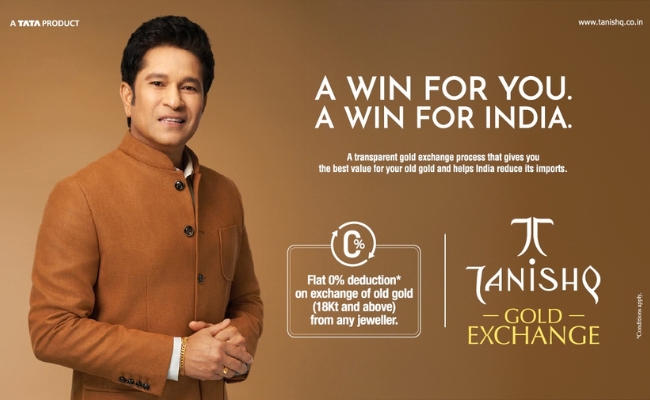
This month, Tanishq is also offering flat 0% deduction on exchange of old gold of 18KT purity and above. For wedding shoppers, the offer could make it easier to unlock the value of jewellery already at home and put it towards a new purchase.
The growing relevance of exchange also connects to a larger question around India's gold consumption. The country remains heavily dependent on imported gold, even as Indian households hold large quantities accumulated over generations. The contrast has increasingly put the spotlight on whether more of the gold already within Indian homes can be reused rather than relying entirely on new gold.
For consumers, however, the immediate benefit is much closer to home. With rising gold prices, wedding jewellery can put considerable pressure on a family's overall budget. Exchanging old gold can offer a way to reduce the amount of fresh spending required, while still allowing families to buy jewellery that feels new and relevant to the occasion.
As wedding shopping gathers pace, gold exchange may therefore become less of an afterthought and more of a part of the buying decision itself. For someone comparing a gold exchange offer, the key deciding factor may ultimately be choosing a process that offers clear valuation, transparency and confidence about the value of the gold they are giving up.
Disclaimer: The above sponsored content is non-editorial and has been sourced from a third party. NDTV does not guarantee, vouch for or necessarily endorse any of the above content, nor is responsible for it in any manner whatsoever.

