





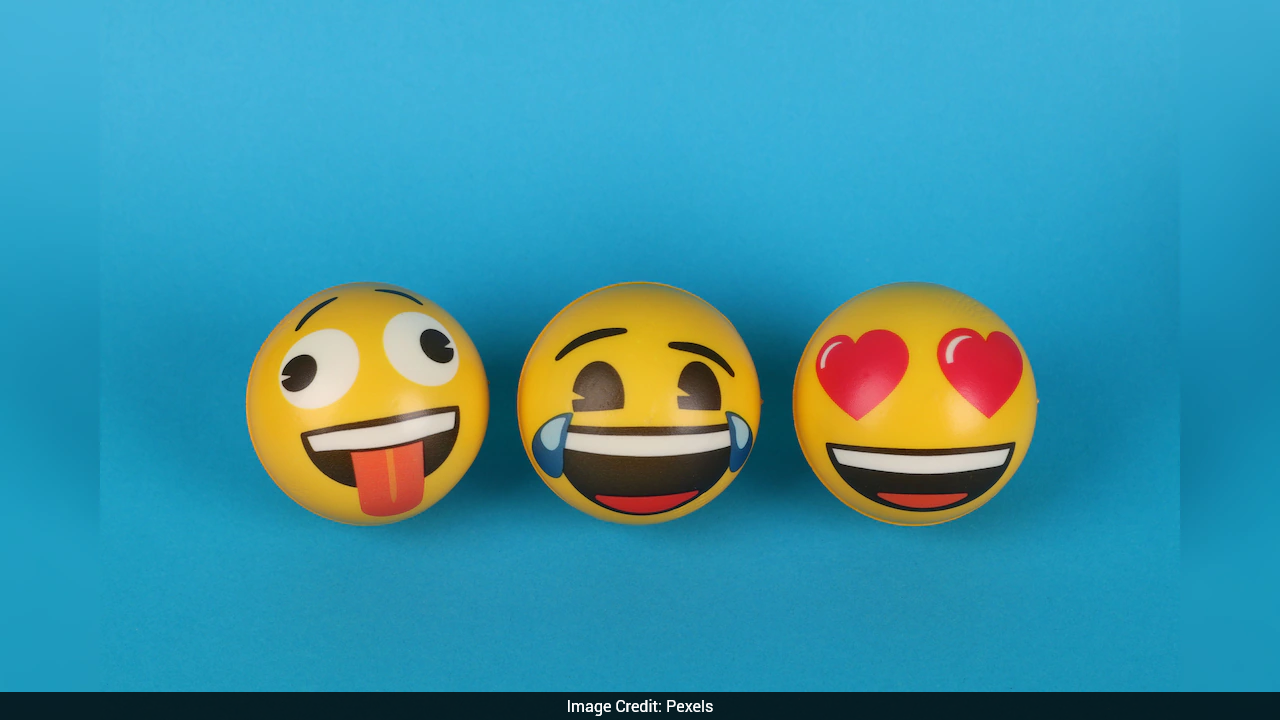
- World Emoji Day is celebrated annually on July 17 to honor emojis' role in communication
- Emojis originated in the 1980s with emoticons suggested by computer scientist Scott Fahlman
- The first emoji set was created in 1999 by a Japanese designer for a mobile company
As people increasingly rely on digital conversations, emojis have become a simple and popular way to express emotions without using many words. Every year on July 17, World Emoji Day celebrates the tiny symbols that have become an important part of communication across social media and messaging platforms.
World Emoji Day was established by Jeremy Burge, the founder of Emojipedia, to honour emojis and their role in digital communication.
Evolution Of Emojis
Emojis, also known as pictographs, logograms, ideograms or smileys, trace their origins to the 1980s. During that time, computer scientist Scott Fahlman suggested that emoticons such as ":-)" and ":-(" could potentially replace language.
In 1999, a Japanese designer created the first set of emojis for a mobile company, laying the foundation for their global adoption.
In 2007, a software internationalisation team at Google petitioned the Unicode Consortium, a nonprofit organisation that maintains text standards across computers, to recognise emojis.
By 2011, emojis had gained popularity around the world after Apple introduced an official emoji keyboard to iOS, making them accessible in many countries.
Since then, emojis have continued to evolve, expanding to include representations of people, cultures, different skin tones, genders, and family structures.
Today, thousands of emojis are available, representing everything from animals and food to flags. Among the most widely used are the red heart, fire, and loudly crying face emojis.
In the age of social media, emojis play an important role on platforms such as Instagram, X, Facebook and WhatsApp. They have transformed simple text messages into more expressive conversations by helping people communicate feelings without words. Their meanings can also vary depending on context and culture, making them a unique and influential part of modern digital communication.
Track Latest News Live on NDTV.com and get news updates from India and around the world

