





Every year, Chaitra Navratri is celebrated with a whole lot of pomp and grandeur all over the country. The festival is observed for nine nights, where nine forms of Goddess Durga are worshipped. This year, Chaitra Navratri starts on April 9 (Tuesday) and it will go on till April 17. The festival represents the triumph of good over evil. It also marks the beginning of the Hindu New Year in many parts of India, especially in North India.
As we celebrate the special festival, here's all about nine forms of Maa Durga:
Shailputri: Maa Shailputri - often spelt Shailaja - is the first form of Goddess Durga who is worshipped during Chaitra Navratri. Maa Shailputri carries a trident in one hand and a lotus flower in another. Her ride is Nandi the bull.
-

-
 Non-Oil Trade With India Went Up 50% In 3 Years: UAE Minister At NDTV Summit
-
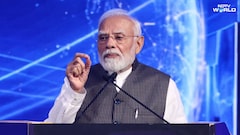 "Some Dreaming Of Disorder": PM's "Failed Product Of Congress" Jibe At Rahul Gandhi
-
 UAE Minister Abdulla Bin Touq Al Marri At NDTV World Summit
-
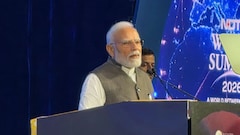 'Viksit Bharat Not Just For Us': PM Modi's Top Quotes At NDTV World Summit
-
 Has Indian Cuisine Arrived At The Global Stage? What Vir Sanghvi Believes
-
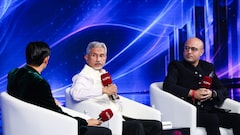 "Answer Is Obvious": S Jaishankar On UN 'Double Standards' On Protests
-
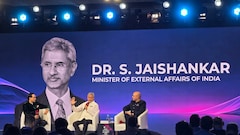 "Answer Is Obvious": S Jaishankar On UN 'Double Standards' On Protests
-
 S Jaishankar On Pakistan: "Will I Overlook Terrorism For Good Relations? I Will Not"
-
 S Jaishankar Reveals Which Web Series He Is Watching
-
 'India's National Mood On Pakistan Changed After 26/11': S Jaishankar
Brahmacharini: On the second day of Navratri, Maa Brahmacharini is worshipped. She is a representation of Goddess Parvati's extreme penance. Goddess Brahmacharini is a symbol of wisdom, austerity, and wisdom.
Chandraghanta: Maa Chandraghanta is worshipped on the 3rd day of the festival. She goes by several names, including Chandrakhanda, Chandika, or Rannchandi. The meaning of the name Chandraghanta is "one with a half-moon shape, like a bell".
Kushmanda: Maa Kushmanda is worshipped on the fourth day of Chaitra Navratri. Ku, Ushma, and Anda are the constituents of the name Kushmanda; Ku means "a little," Ushma means "warmth" or "energy," and Anda means "cosmic egg".
Skandamata: On the fifth day of Navratri, people worship the goddess Skandamata. It is believed that Skandamata grants all of her devotees' wishes. Calm and kindness permeate the mind when one sees this manifestation of the Goddess.
Katyayani: Goddess Katyayani is honoured on the sixth day of Navratri. According to Hindu mythology, the demon Mahishasura was killed by goddess Katyayani, who was created when Lord Brahma, Vishnu, and Shiva pooled their energy.
Kalaratri: Maa Kalaratri is worshipped on the seventh day of Chaitra Navratri. She has a dark complexion, and long hair and is the strongest manifestation of the goddess Durga. It is said goddess Parvati came to be known when she shed her outer golden skin in order to defeat the demons Shumbha and Nishumbha.
Mahagauri: Goddess Mahagauri is portrayed in this form as a four-armed deity holding a damru in one hand and a trident, or Trishul, in the other. She is also known as Shwetambardhara, as she only wears white clothes.
Siddhidatri: The ninth incarnation of the goddess Durga is Siddhidatri. She is the supreme goddess of all accomplishments. It is said that she supports all of her followers in their endeavours. In this form, the goddess is portrayed as a female deity riding a lotus and holding four objects in her hands: a discus, a conch, a mace, and a gada
Track Latest News Live on NDTV.com and get news updates from India and around the world

