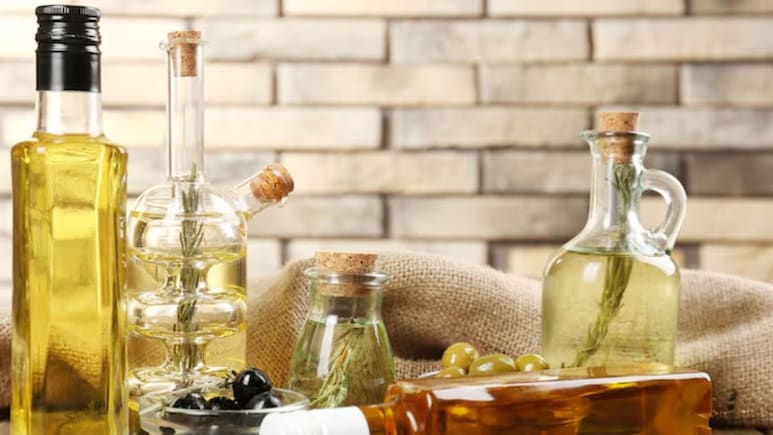
- Cooking oil type matters less than quantity quality and usage in health impact
- Unsaturated oils like olive canola rice bran soybean sunflower are heart friendly
- Saturated oils like ghee butter palm coconut should be used sparingly or replaced
Indians and free advice go hand in hand. Everyone is a doctor in the kitchen when it comes to cooking healthy. From the type of oil to how to cook an ingredient, there is also a never‑ending list of how spices are the magical dust that you sprinkle on your dish to make it tasty and healthy.
But most of the time, people forget that actual doctors experiment, study, and have answers to all our queries, rather than self‑proclaimed experts on social media. Dr Anshuman Kaushal, MD, is a gut doctor associated with Apollo Hospitals and recently took to Instagram to share that the type of cooking oil matters less than the quantity, quality, and how you are using it.
He added that what you are making, how you are making it, and in what context you are using the oil will make more of a difference to your health than a blind goose chase after a particular type because you read about its multiple benefits on social media.
He added that there are six questions that a person should ask:
- Is this oil mostly saturated fat or unsaturated fat?
- Am I using it for tempering or deep‑frying?
- Does the oil smoke while cooking?
- Am I repeatedly heating the same oil again and again?
- Is the consumption of oil in my household under control, or is it exceeding recommended limits?
- Are you blaming the oil for your health issues and overlooking the tanker‑worth consumption of baked goods, bhujia, namkeen, fried snacks, and restaurant food?
Types of Oil You Should Use
The type of oil matters to a certain extent, especially if you have chronic ailments, allergies, or a history of heart disease. For example, unsaturated oils like olive, canola, rice bran, soybean, sunflower, and peanut oils are generally considered good for your heart.
You can replace saturated oils like ghee, butter, palm oil, and coconut oil with unsaturated alternatives or use them sparingly. "Replacing saturated fats with polyunsaturated fats has been shown to reduce cardiovascular health risk by around 30% in randomised clinical trials," he said in the video.
The Real Villain Is Quantity
The real villain is actually not the type of oil but the quantity you use in the kitchen. You can use olive or mustard oil, but if your pan turns into a swimming pool while deep‑frying puris or any other food, the heart‑healthy label goes for a toss.
"As per Indian guidelines, visible fat or oil intake should be roughly 20 to 30 grams per person per day, depending on activity levels and overall diet," the expert added.
Explaining it further, he shared a rule of thumb that most Indian families can follow. A person can consume about 4-6 teaspoons of visible fat per day. "Cooking oil should be limited to 2-3 teaspoons a day," he cautioned.
If you like using butter or ghee, it should not exceed 1-2 teaspoons at most. For one person, 600-900 ml per month is an adequate amount of oil consumption. That means a family of four should roughly consume 2.5-3.5 litres of oil per month, and this includes everything - ghee, butter, tempering oil, and hidden oil in fried foods.
Consuming healthy products is not enough if you are not eating them the right way.
Also Read | From 90 Kg To 55 Kg, 4 Lifestyle Changes This Mumbai Influencer Made To Lose 35 Kg
Track Latest News Live on NDTV.com and get news updates from India and around the world
