





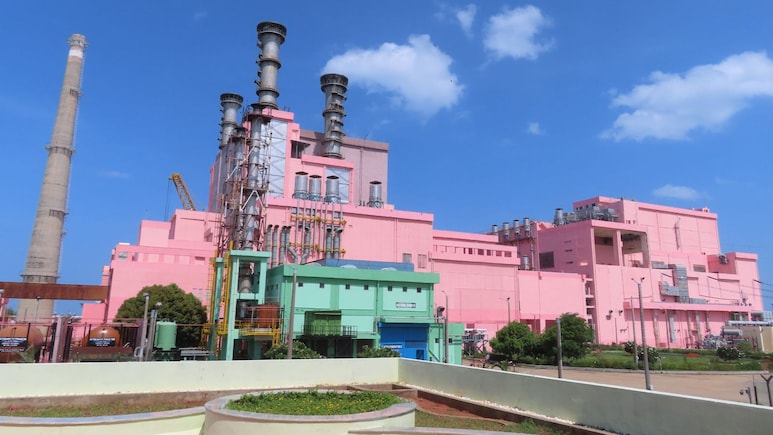
International Atomic Energy Agency (IAEA) Director General Rafael M Grossi has described India's achievement of criticality of its Prototype Fast Breeder Reactor (PFBR) in Kalpakkam as both safe and a logical advancement in a carefully structured national program.
In an exclusive interview with NDTV's Pallava Bagla, Grossi offered a rare and candid assessment of India's nuclear strategy, underscoring confidence in its safety record, technological choices, and long-term vision.
India's PFBR marks a major transition in the country's three-stage nuclear program. After nearly twenty years of sustained effort, the reactor has achieved criticality, effectively pushing India into the second stage of its nuclear roadmap. This stage is crucial because it uses fast breeder technology to generate more fissile material than it consumes, preparing the ground for eventual utilisation of India's vast thorium reserves.
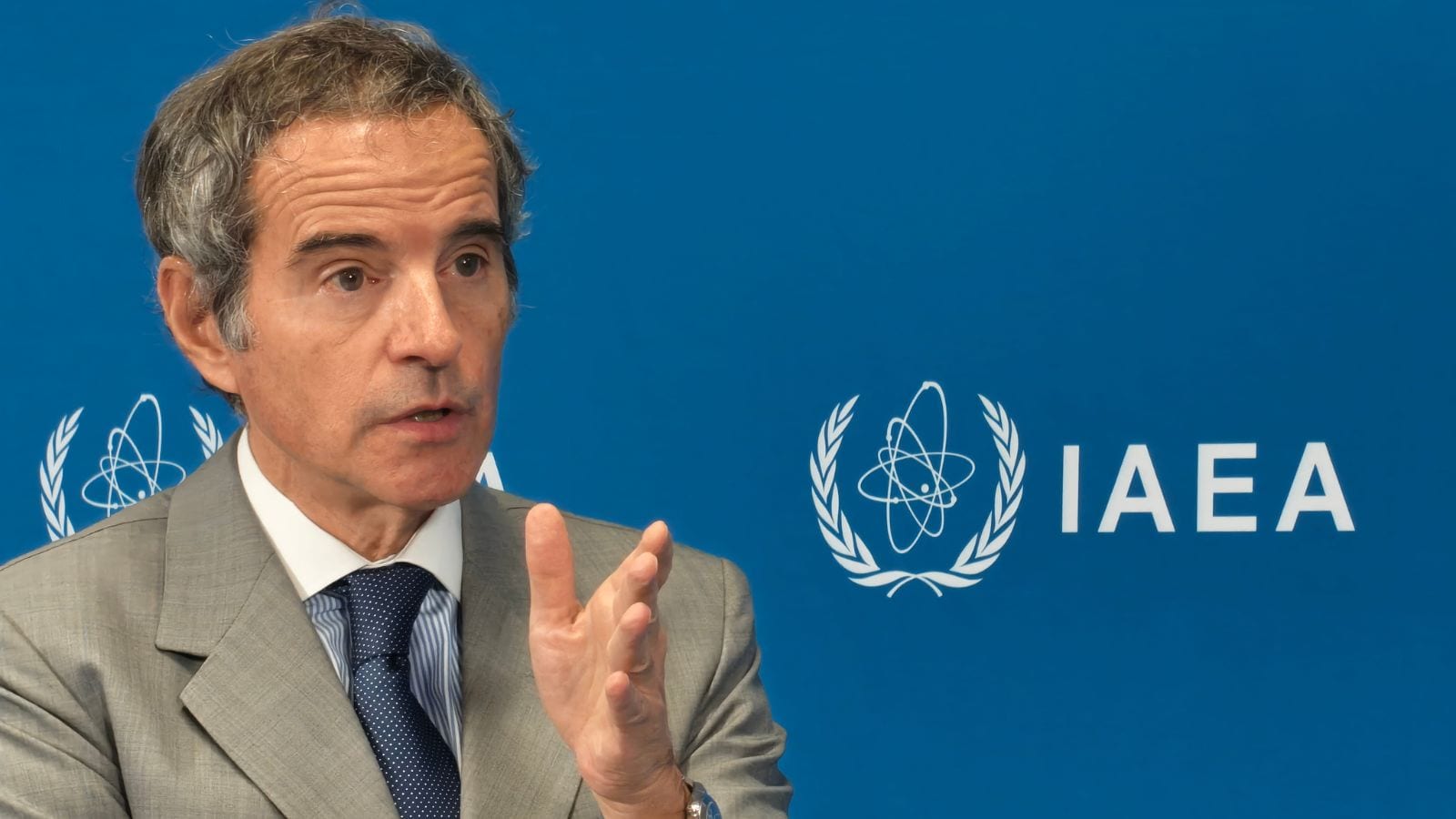
IAEA chief Rafael M Grossi
For a technology that has tested even the most advanced nuclear nations, India's achievement stands out. Countries such as the United States, France and Japan invested heavily in fast breeder programs but later stepped back due to economic, technical and political challenges. India, in contrast, stayed the course, building institutional knowledge and mastering a highly complex reactor design that uses liquid sodium as a coolant, a feature that requires extreme precision and safety discipline.
Today, only Russia and India operate commercial level fast breeder reactors, placing India in a very exclusive league of nuclear capable nations that have succeeded where many others have retreated.
Against this backdrop, Grossi's remarks carry particular weight. Offering a global perspective, he said, "Well, there are different sides to it. From a purely technological point of view, fast breeders exist and have been in operation. They are safe and they are a very useful approach to nuclear generation."
This endorsement directly addresses decades of debate over the safety and viability of fast breeder reactors. Grossi emphasised that the technology itself is not experimental or uncertain, but rather proven and capable of contributing meaningfully to nuclear energy generation.
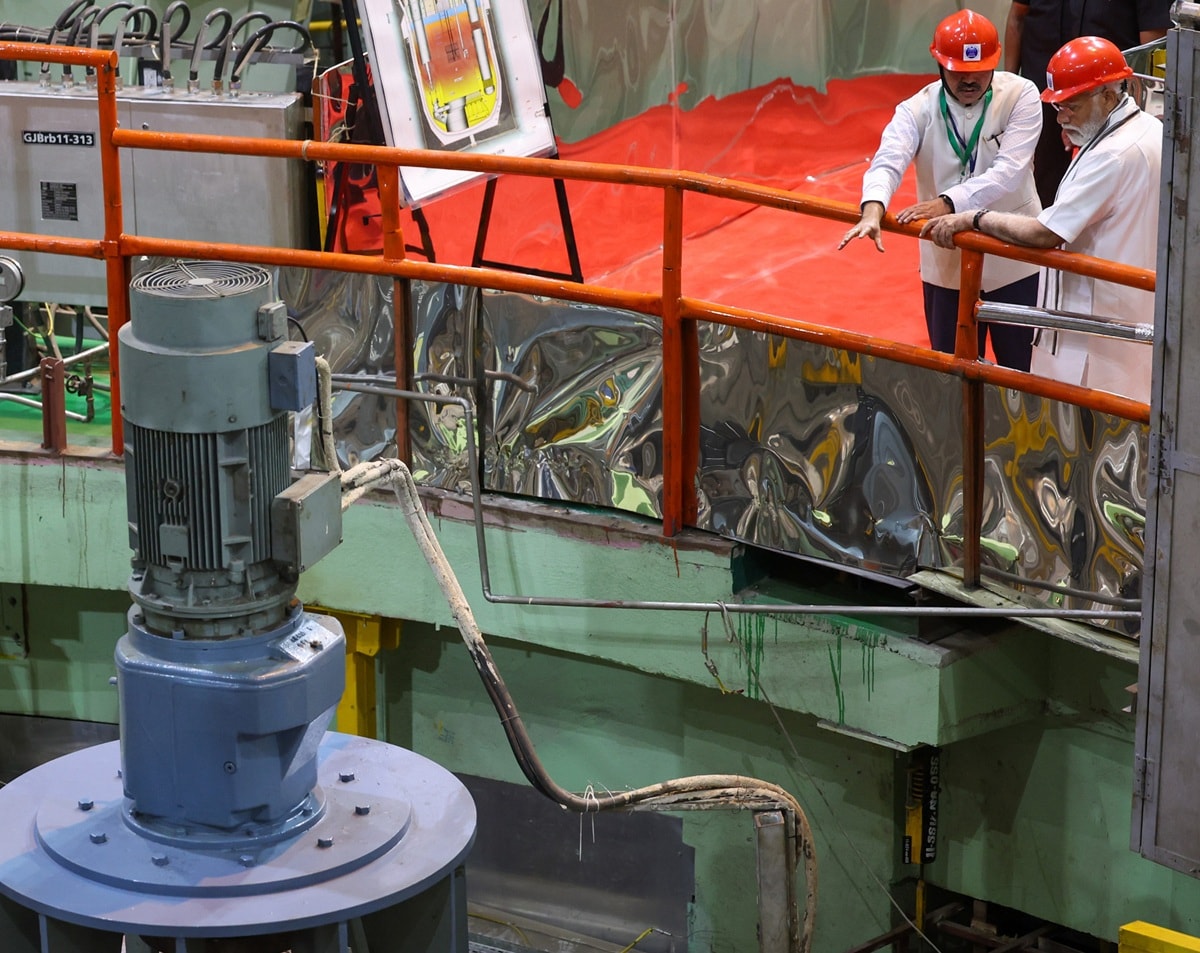
Turning specifically to India's approach, Grossi said, "Now, moving on to the Indian case in particular, I think what India has is a very logical concept for the program, with the traditional reactors now moving to this stage, finally the incorporation in the future with the thorium cycle."
In these remarks lies recognition of something uniquely Indian. Unlike other countries that adopted nuclear technology largely for immediate energy needs, India built a long term strategy based on its resource profile. With limited uranium reserves and abundant thorium deposits, India designed a three stage program that begins with conventional reactors, progresses to fast breeders, and ultimately aims to unlock thorium based energy production.
Grossi captured the essence of this sequencing when he added, "So, I think it is, if anything, a confirmation of the seriousness of the program and the sequencing that is fulfilling step after step."
This is perhaps the most significant validation India could receive from the global nuclear establishment. It is not merely about building a reactor, but about executing a coherent national plan that spans decades and demands technological continuity, policy stability, and institutional commitment.
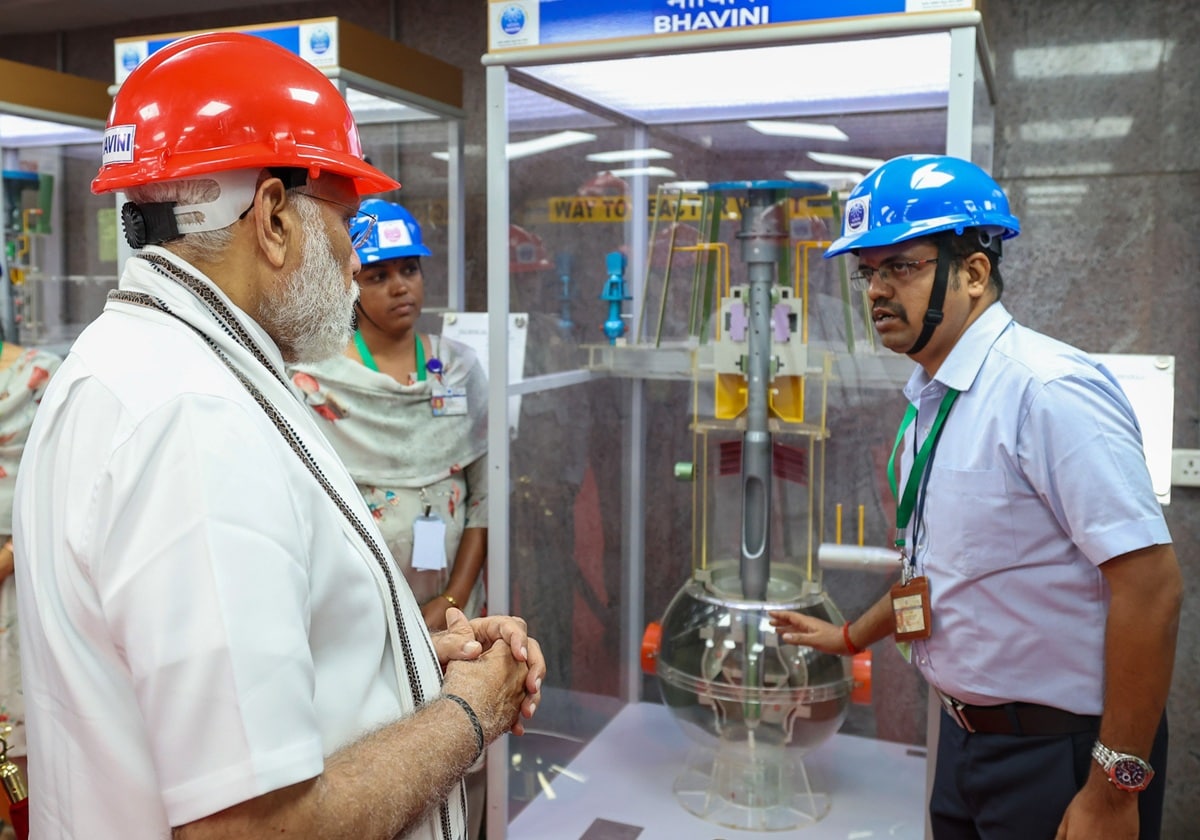
Safety, often the most contentious aspect of nuclear power, was directly addressed during the conversation. The use of nearly 1,700 tons of liquid sodium in the reactor has drawn attention because sodium reacts vigorously with air and water, requiring rigorous engineering controls.
Grossi, however, dismissed concerns. He said, "The safety of the nuclear technology is well proven and in the case of India, they have a large fleet, which is a diverse fleet in India, has been operating following the nuclear safety standards. So, we do not have a concern in this regard."
His remarks reinforce India's track record of operating a diverse fleet of reactors safely over decades. In the global nuclear community, operational safety and adherence to standards are paramount, and India's consistent compliance appears to have earned it credibility at the highest levels.
At the same time, Grossi acknowledged a critical geopolitical dimension. India's fast breeder reactor is outside international 'safeguards', a fact that has long been part of the broader strategic framework in the region. "It is out of safeguards, I am aware of that. So, that aspect, we know and it is part of the strategic equation in the subcontinent and it is a fact," he said.
This statement reflects the balance that the IAEA maintains between technical oversight and geopolitical realities. While safeguards are central to non-proliferation efforts, the agency recognises that certain programs exist within unique national and regional contexts.
India's nuclear program has always straddled these two domains, civilian energy generation and strategic autonomy. The fast breeder reactor being an experimental design exemplifies this dual nature, operating outside safeguards while contributing to long term energy goals.
Beyond technology and strategy, the conversation also turned to the sensitive issue of nuclear liability. India's liability framework has undergone changes over the years, evolving from a system widely seen as stringent and people-centric to one that seeks greater participation from industry and global suppliers.
Responding to questions on the revised approach, Grossi took a nuanced position, emphasising both national sovereignty and the importance of global alignment. "Well, of course, we respect sovereign national decisions," he said. "We believe that a global liability regime has also value, because when it comes to this activity, which is an activity of implicit transboundary impact, the adherence to commonly respected parameters is very important."
His comments underscore the complexity of nuclear liability, an issue that has often been a sticking point in international nuclear commerce. Liability laws determine who is responsible in the event of an accident, and differing national regimes can create uncertainty for suppliers and operators.
Grossi acknowledged this complexity directly. "As you know, liability, nuclear liability is one of the most complex and meandering specialties in law," he said, adding that the IAEA continues to engage with India through a "healthy dialogue" on the subject.
India's liability framework has historically been shaped by concerns over accountability and public safety, particularly in the wake of past industrial disasters, especially the Bhopal Gas Disaster of 1984. The newer approach attempts to balance these concerns with the need to attract investment and advanced technology.
Grossi expressed confidence that India's internal laws will continue to evolve while also stressing the importance of convergence with global norms. "But we are confident that you will have internal laws that will be covering everything, but the global regimes are also important," he said.
Track Latest News Live on NDTV.com and get news updates from India and around the world

