





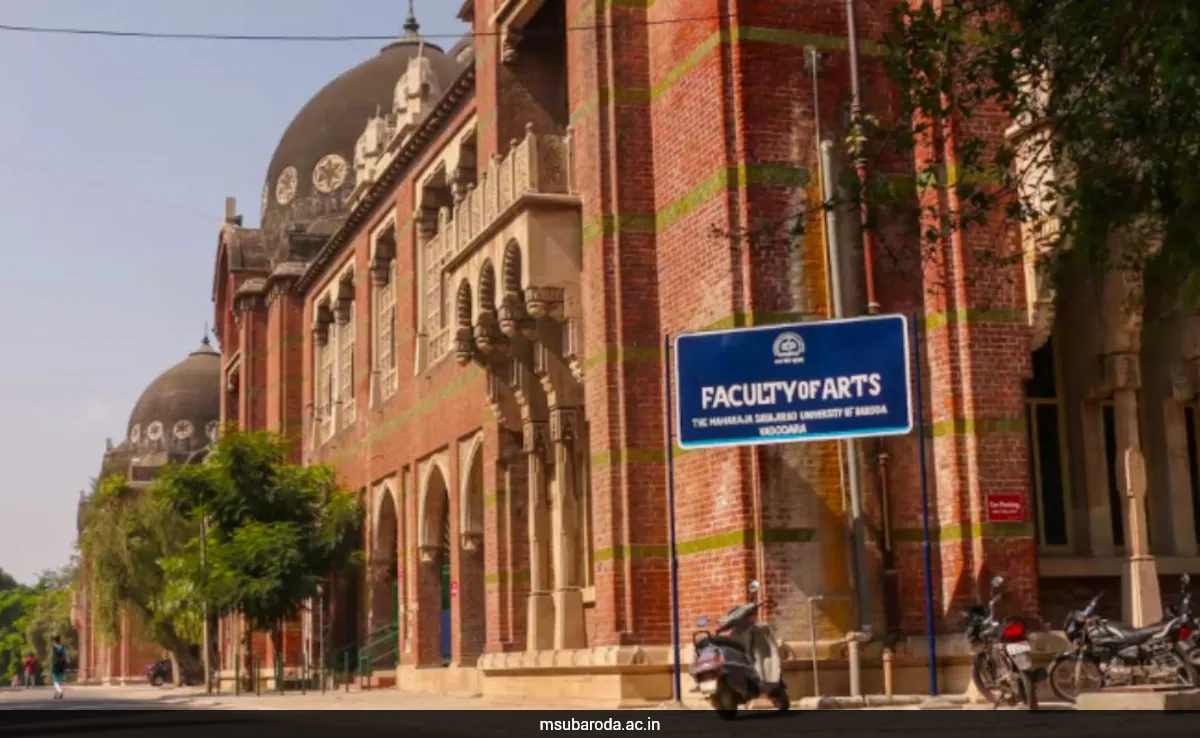
- Maharaja Sayajirao University will add mandatory RSS history to Sociology syllabus
- Course includes study of RSS social work and current administration principles
- Modi Tatva module will cover PM Modi's leadership and policies like Digital India
Maharaja Sayajirao University (MSU) of Baroda has announced a significant overhaul of its curriculum, introducing mandatory coursework on the history of the Rashtriya Swayamsevak Sangh (RSS) and the core principles of the current administration.
Under the new academic structure, students enrolled in the Sociology Department will be required to study these subjects as part of their core syllabus. University officials said the revision aims to connect students with contemporary ideological movements and the cultural roots of the nation, marking a distinct shift in the institution's pedagogical direction.
The decision to include these topics stems from a perceived need to bridge the gap between academic research and practical governance. According to Virendra Singh, the RSS has performed commendable social work that warrants academic study, particularly for students focusing on social and public policy.
He noted that recent research projects commissioned by the government think tank NITI Aayog have already seen students engaging deeply with government initiatives, and the formal inclusion of these subjects is seen as a natural progression to document "major ideological currents" within a scholarly framework.

The "Modi Tatva" component of the course is designed to analyse the fundamental elements and leadership philosophy of Prime Minister Narendra Modi. University representatives described PM Modi as a charismatic figure whose policies such as Digital India have introduced transformative ideologies that cannot be ignored by Social Science students.
The administration emphasised there is high student interest in understanding these modern governance models and their impact on the social fabric of the country.
The move has sparked a debate within the academic community. Proponents argue it provides a realistic understanding of influential organisations and leadership, while others alleged educational curricula should maintain a distance from political figures and specific organisational histories.
Track Latest News Live on NDTV.com and get news updates from India and around the world

