













- One in 100 children in India is affected by autism, per Indian Council of Medical Research
- Autism Spectrum Disorder affects communication, social interaction, and repetitive behaviors
- Co-occurring conditions include epilepsy, ADHD, anxiety, depression, and sleep disorders
1 in 100 children in India is affected by autism, according to the Indian Council of Medical Research, while globally it poses a significant mental health burden. But there is improvement due to awareness efforts and diagnostic criteria that have made it better for people who are suffering from the side effects of the mental health disorder. Autism is a mental health disorder, but the actual numbers may be much higher due to underreporting and limited screenings in areas where access to specialists remains limited.
The mental health disorder can affect children and adults on a spectrum, as some individuals, especially children who have autism, have symptoms that are noticed as parents and guardians are observing their behaviours continually. But certain adults still face barriers when it comes to autism diagnosis, as they think that the signs that they may be suffering from may be in their heads. But the established guidelines for autism mention that it can remain undiagnosed in adults, and there are clear signs that you need to know to make sure you seek treatment and feel better being a part of the community.
What Is Autism?
To get a deep insight into what autism is and how it affects people based on a spectrum, NDTV spoke to Dr Pallavi Sharma (MD, MBBS), who is a psychiatrist from Fortis Escorts in New Delhi. She had this to say about autism: "Autism Spectrum Disorder (ASD) is not just a diagnosis; it is a different way of experiencing the world.
It is classified under neurodevelopmental disorders, and autism begins early in brain development and shapes how a child communicates, connects, and responds to their environment.
In the past, autism was divided into subtypes such as Asperger's syndrome, Rett syndrome, and pervasive developmental disorder. However, modern classification systems like the DSM-5 have brought these under one umbrella term, Autism Spectrum Disorder, recognising that these are not separate conditions but variations along a spectrum with differing levels of support needs."
Clinical Division Of Autism Spectrum Disorder
The psychiatrist explained the clinical basis of defining ASD, where she said that clinically, ASD is defined by two core domains.
The first involves persistent difficulties in social communication and interaction; children may avoid eye contact, fail to respond to their name, struggle with conversations, and have difficulty forming age-appropriate relationships.
The second domain includes restricted and repetitive patterns of behaviours like insistence on routines, repetitive movements, highly focused interests, or unusual sensitivity to sensory stimuli like sounds or textures."
Also Read: Autism In Girls Is Often Missed: Neurologist Explains Why Diagnosis Differs From Boys
Co-Occurring Health Issues With Autism
a. Neurological
Autism is a mental health disorder that is complex in nature; hence, it can cause other mental health conditions to occur, which need to be taken into account, and treatment needs to be dispensed accordingly. These mental health conditions occur in the brain and influence social behaviours; that is why you need to be aware of their co-existence with other mental health conditions. Here are two co-existing neurological mental health conditions that can occur along with autism:
- Epilepsy is known to affect 5 to 12% of autistic individuals, as the primary effect on the brain causes a breakdown in normal functioning.
- ADHD, or Attention Deficit Hyperactivity Disorder, tends to overlap with autism in 35% of children and about 50 to 85% of adults, as highlighted in the research published in the Front Psychiatry journal.
b. Mental Health
As autism is a mental health disorder, it tends to also cause different kinds of other mental health issues that can greatly affect quality of life. Hence, their correlation needs to be understood. The mental health conditions that you need to be aware of include:
- Anxiety tends to affect 17 to 26% of autistic individuals, which can also be a sign that you need to consult a specialist and get screened if you are experiencing anxiety that can be attributed to other causes.
- Depression, which is a debilitating mental health disorder, tends to affect older children and adults the most and can occur in conjunction with autism.
- Obsessive-compulsive disorder (OCD), bipolar disorder, and schizophrenia are less common but significantly affect individuals with autism.
c. Physical Health
When it comes to physical signs, autistic individuals tend to display the following signs that can be used to make a diagnosis, but only by a medical specialist in the field. Here are the signs that you need to know:
- Gastrointestinal issues, such as constipation, acid reflux, and bowel inflammation, can be a sign that the brain is not communicating properly with the body's systems.
- Feeding challenges such as food selectivity, pica or overeating consistently over a period of time, such that it is becoming a habit.
- Sleep disorders such as chronic insomnia and disrupted sleep cycles are commonly seen in people who have autism.
Also Read: Maternal Perinatal Depression Increases Risk Of Autism In Toddlers, Finds Study
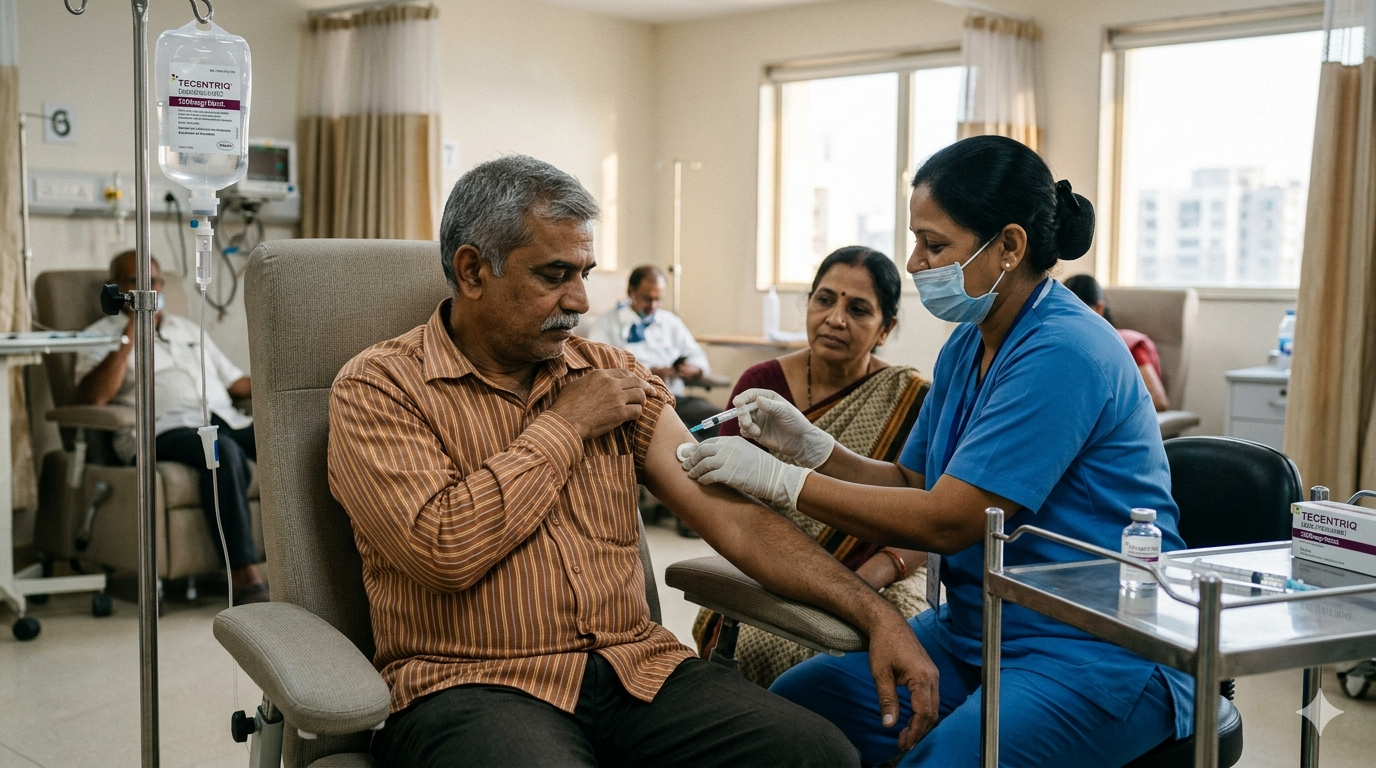
Autism in adults and children(image is for representation purposes only)
Photo Credit: A.I generated image
Doctor's Insights On Autism
Dr Pallavi Sharma detailed that autism is not uncommon. Global estimates suggest a prevalence of about 1%, and Indian data, though limited, indicate comparable numbers with a significant gap due to underdiagnosis.
Males are diagnosed more frequently than females, with ratios ranging from 3:1 to 4:1, although recent evidence suggests girls are often missed due to subtler presentations and better social masking.
We often note in clinics that autism rarely occurs in isolation. Many children have co-occurring conditions that require equal attention.
Intellectual disability is present in a significant proportion, affecting learning and adaptive functioning. Attention Deficit Hyperactivity Disorder (ADHD) is commonly seen alongside autism, contributing to inattention, impulsivity, and hyperactivity.
Seizure disorders are also more prevalent in individuals with ASD compared to the general population, particularly in those with more severe symptoms or intellectual disability. Anxiety, sleep disturbances, and gastrointestinal issues are also frequently reported in clinical and research settings."
Causes Of Autism Spectrum Disorder
Dr Pallavi Sharma explained this regarding the causes of ASD, "The exact cause of autism is complex and multifactorial. Strong genetic contributions have been consistently demonstrated in large-scale studies, with heritability estimates being high.
Neurobiological differences in brain connectivity and development are also implicated. Environmental influences, particularly during prenatal development, are being explored in much research, but no single cause explains all cases.
Diagnosis And Screening Of Autism Spectrum Disorder
Dr Pallavi Sharma explained that for parents, early signs are often subtle but critical. A child who does not make eye contact, does not respond to their name, has delayed speech, or shows limited social engagement may need evaluation.
Repetitive play patterns, unusual attachments to objects, or strong reactions to sensory input are also early indicators. Trusting "a mother's instinct" is key; early assessment should never be delayed."
Management And Support For Autism Spectrum Disorder
There are numerous existing therapies that are already present and can be used when safely dispensed for individuals who are autistic. These can be :
- Behavioural therapies like Cognitive Behavioural Therapy (CBT) or speech therapy can be safely administered to patients under medical supervision.
- Medication for co-occurring conditions is possible, as they cause impediments to daily functioning.
- Family and community support systems need to be established that are rooted in emotional support and understanding.
Dr Pallavi Sharma has this to say about ASD: "In my clinical practice in Delhi, one of the most important messages I share with families is this: early intervention can be life-changing. Evidence-based therapies such as speech and language therapy, occupational therapy, and behavioural interventions can significantly improve communication, adaptive skills, and overall functioning when started early.
Lastly, I would say that autism does not need to be "fixed". What children need is better understanding, structured support, and an environment that accepts neurodiversity."
Debunking Myths About Autism
Autism is used as a tool to judge rather than being understood, so you need to know the following about autism and adapt your understanding accordingly:
- Autism is not caused by poor parenting or vaccines; it is a brain wiring issue that affects a significant portion of the population. Both children and adults suffer from it.
- It is a lifelong condition, not a disease to be "cured"; it needs to be smartly managed as per a medical specialist's diagnosis and management plan.
Autism needs to be caught early, holistic care needs to be practised, and awareness needs to be spread far and wide to counter the social stigma. India needs to establish inclusive policies and support networks that can benefit the population that is suffering from autism.
Disclaimer: This content, including advice, provides generic information only. It is in no way a substitute for a qualified medical opinion. Always consult a specialist or your own doctor for more information. NDTV does not claim responsibility for this information.


