





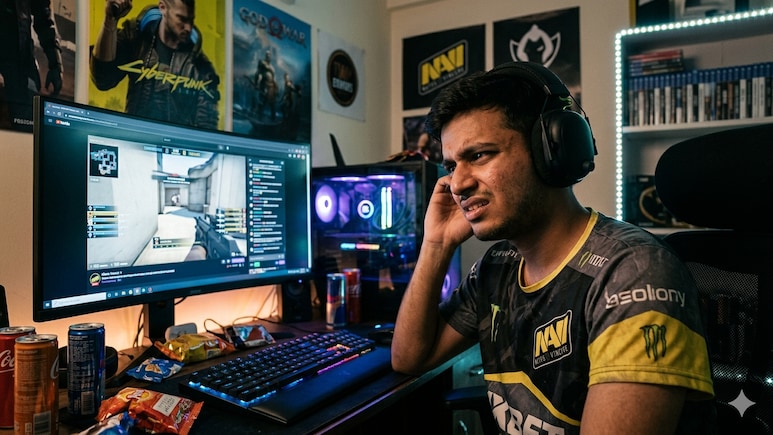
- Tinnitus is the perception of sound without an external source affecting one or both ears
- Digital lifestyle factors like headphones and gaming increase the risk of tinnitus and ear strain
- Preventive measures include safe headphone use, breaks, stress management, and quiet time for ears
Tinnitus, or the perception of ringing, buzzing, hissing, or similar sounds in the ears without an external source, is a symptom that is becoming increasingly common in today's digital lifestyle. Prolonged screen use, use of headphones, gaming, and constant background noise can contribute to ear strain and make tinnitus more prominent. While tinnitus is not usually a disease by itself, it can be an important warning sign of underlying hearing stress, noise exposure, or other medical conditions.
Understanding Tinnitus
Tinnitus is the sensation of sound in the ears or head when no actual sound is present. It may be temporary or persistent, mild or disruptive, and can affect one or both ears. Some people describe it as ringing, while others hear buzzing, roaring, humming, or clicking. In many cases, tinnitus is associated with exposure to loud noise, age-related hearing loss, earwax blockage, infections, stress, or certain medications. It can also become more noticeable in quiet environments, at night, or during periods of anxiety and fatigue.
Also Read: Ringing In Your Ears? 7 Common Causes Of Tinnitus And Tips To Manage It
Why It Is Rising in the Digital Age
The modern lifestyle exposes people to sound in a way that previous generations did not experience as intensely. Long hours on devices often mean extended headphone use, video calls, streaming, and gaming, all of which may keep the ears under continuous pressure. Unlike occasional noise exposure, today's sound environment is often prolonged, repetitive, and difficult for the auditory system to recover from.
Gaming deserves special attention. Many games use highly immersive sound effects, and players often keep the volume high to improve performance or concentration. Over time, this can increase the risk of temporary ringing and, in some cases, lasting hearing damage if the exposure is frequent and intense.
Screen time itself does not directly cause tinnitus, but it often comes with stress, sleep loss, and mental fatigue. These factors can heighten awareness of tinnitus and make the symptom feel more severe. In other words, the brain may become more sensitive to the sound when the body is overworked or exhausted.
Constant Noise Exposure Matters
Noise exposure is one of the most important preventable causes of tinnitus. Urban traffic, construction activity, loud public places, and constant audio notifications all add to the burden. Even at home, background television, music, and headphone use can prevent the ears from getting enough quiet time. The inner ear contains delicate sensory cells that help us hear. Once these cells are damaged by loud or repeated noise exposure, the resulting hearing changes may not be reversible. Tinnitus can then appear as one of the earliest signs of that damage.
When to Seek Medical Advice?
Tinnitus should not be ignored if it is persistent, worsening, or affecting daily life. Medical evaluation is especially important if it is accompanied by hearing loss, dizziness, ear pain, ear fullness, or one-sided symptoms. In some people, tinnitus may be linked to earwax buildup, infection, blood pressure changes, circulation problems, or medication side effects.
A doctor or ENT specialist can examine the ears, review medications, assess hearing, and identify possible causes. Treatment depends on the underlying problem and may include hearing support, noise management, lifestyle changes, or reassurance if no serious cause is found.
Also Read: Tinnitus And Sleep: Doctor Explains Why Nighttime Silence Feels So Loud
Prevention is Better than Cure
To protect your auditory health, keep headphone volume at a safe level, take breaks from listening to audio, and avoid very long exposure to loud sound. Reducing volume during gaming, using noise-cancelling headphones appropriately, and giving the ears time in quiet surroundings can help lower risk. Managing stress, improving sleep, and staying hydrated may also make tinnitus less bothersome.
Tinnitus is often a sign that the ears are under stress. In the digital age, where screens, headphones, and noise are part of everyday life, hearing protection should be treated as seriously as eye care or posture. Early attention, safer listening habits, and timely medical evaluation can go a long way in protecting long-term ear health.
(By Dr. Pradeepti Nayak, ENT Surgeon, Kailash Hospital, Noida)
Disclaimer: The opinions expressed within this article are the personal opinions of the author. NDTV is not responsible for the accuracy, completeness, suitability, or validity of any information on this article. All information is provided on an as-is basis. The information, facts or opinions appearing in the article do not reflect the views of NDTV and NDTV does not assume any responsibility or liability for the same.
Track Latest News Live on NDTV.com and get news updates from India and around the world

