






- April 2026 heatwaves hit Odisha, Chhattisgarh, and Jharkhand, with temps 3°C above normal
- Dehydration starts before thirst signals, impairing cognition and physical stamina early
- Mild dehydration raises cardiovascular risk by 12% during heatwaves, per 2025 BMJ study
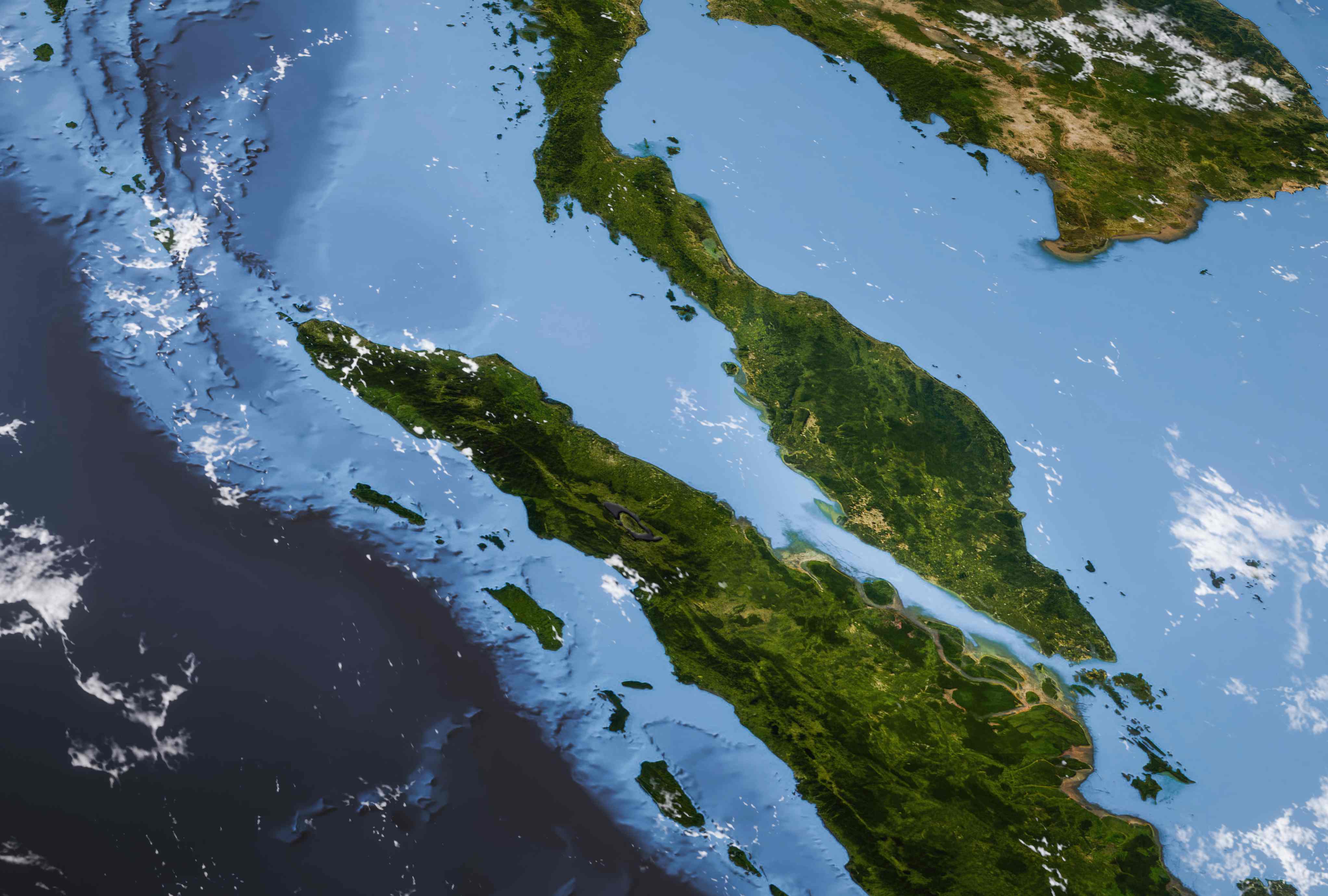
In India, April has long ceased to be just the "onset" of summer; it is now the front line of a public health emergency. According to the India Meteorological Department (IMD), heatwave conditions are already gripping parts of Odisha, Chhattisgarh, and Jharkhand this April 2026, with temperatures surging 3 degrees above normal. This follows a record-breaking 2024 and 2025, where the Lancet Countdown on Health and Climate Change reported that Indians were exposed to a staggering average of 19.8 heatwave days annually at a level of thermal stress that is physically altering Indians' metabolic stability.
While people often associate heat with simple discomfort, medical experts warn that the real danger lies in a "silent" physiological shift, which is dehydration. It happens faster than your brain can signal for a glass of water, and for many, the damage begins long before the first sip.
The "Thirst Gap": Why Your Brain Is A Late Alerter
The most dangerous misconception about hydration is that thirst is a reliable starting gun. Dr Aijaz Ilmi, Senior Consultant in Preventive Health and Metabolic Diseases at Pacific One Health, explains that by the time you feel parched, your body is already in a state of deficit.
"In clinical practice, we increasingly recognise dehydration not just as a seasonal issue, but as a significant metabolic stressor," says Dr Ilmi.
"Thirst is a delayed physiological response. By the time it is felt, dehydration has already begun to impair cognitive performance, alertness, and physical stamina."
When the body loses fluid through sweat to maintain a core temperature of roughly 37 degrees Celsius, it isn't just losing water. It's losing electrolytes along with sodium, potassium, and chloride that act as the electrical wiring for your heart and muscles.
A 2025 study published in The BMJ reinforces this, noting that even mild hypohydration (a 1-2% loss of body mass) can trigger a 12% increase in cardiovascular-related mortality risk during heatwaves. The heart has to pump faster and harder to move thicker, more viscous blood through the veins, leading to what Dr Ilmi calls "cardiovascular instability".
Also Read: Gastroenterologists Explain How Gond Katira Is Beneficial For Weight Loss
The Vulnerability Spectrum: From Diabetes To Desks
Dehydration doesn't affect everyone equally. For the millions of Indians living with non-communicable diseases, the summer sun is a direct threat to disease management. Dr Ilmi points out that individuals with diabetes, hypertension, and obesity are particularly "brittle" during heatwaves. Dehydration causes blood glucose levels to fluctuate wildly and can lead to sudden drops in blood pressure, resulting in fainting or "heat syncope".
Surprisingly, the urban population is at risk due to "low-grade chronic dehydration". Spending hours in air-conditioned environments saps moisture from the skin and respiratory tract, while the consumption of caffeinated "energy" drinks acts as a diuretic, further flushing out necessary fluids.
Dr Meenakshi N, Senior Consultant, Family Physician and Public Health Specialist at Apollo Clinic, Noida, emphasises that children and the elderly are the most "at-risk" groups. "They may not recognise or communicate thirst effectively," she notes. Early symptoms like headache, fatigue, or reduced urine output are frequently overlooked by carers until they become an emergency."
Also Read: Oncologists Explain Why They Prescribe Keytruda To Cancer Patients, When And How It Works
Beyond Water: A Structured Approach To Staying Safe
Staying safe in an Indian summer requires more than just carrying a water bottle; it requires a preventive health behaviour. Dr Meenakshi N suggests a lifestyle shift rather than a reactive one:
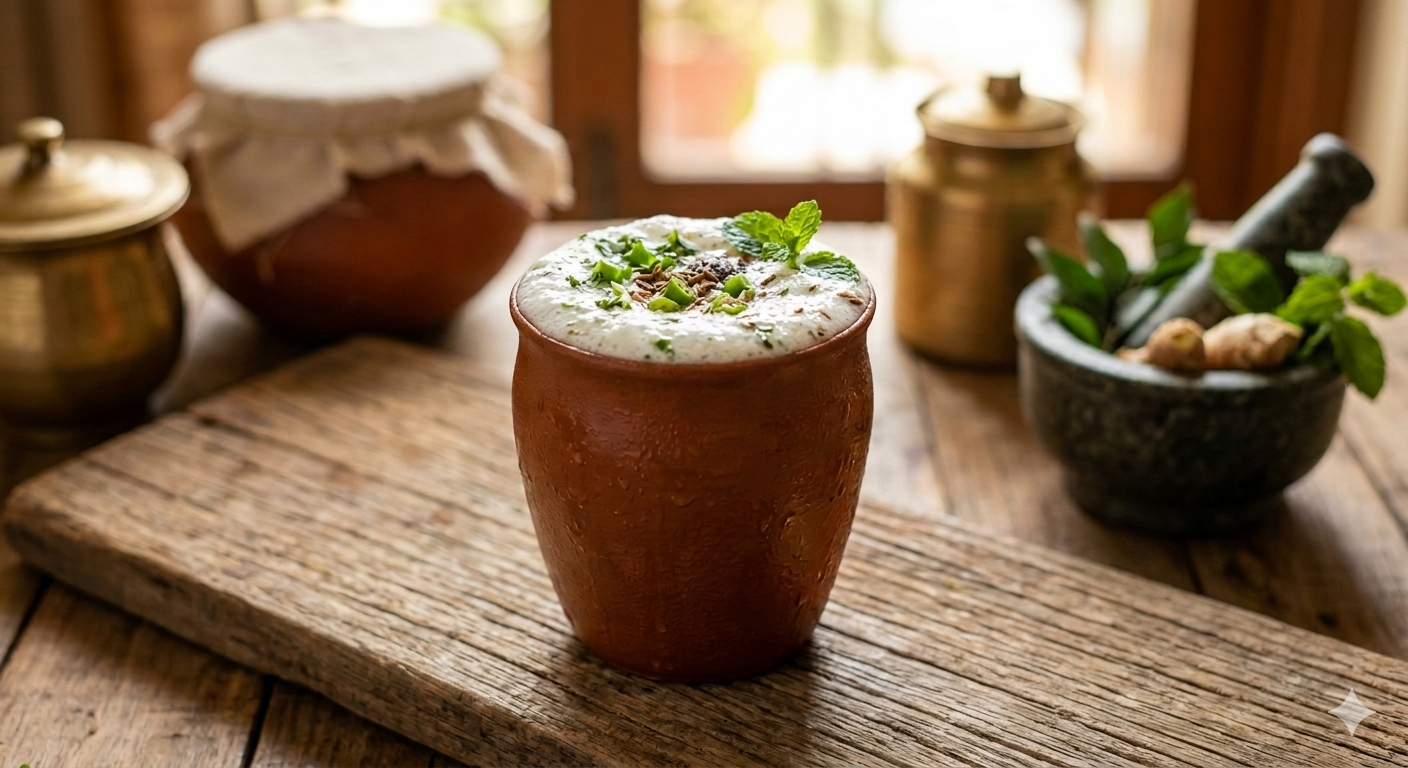
- Incorporate "Functional" Fluids: Don't just stick to plain water. Hydrating options like buttermilk (chaas), coconut water, and water-rich fruits like watermelon provide the necessary salts that plain water lacks.
- Monitor Output: A simple clinical indicator of hydration is urine colour. Pale straw-coloured urine is the goal; anything darker suggests your kidneys are struggling to conserve water.
- Timing and Attire: Avoid outdoor exposure during peak UV hours (12:00 to 4:00 PM). Wear breathable, light-coloured cotton fabrics that allow sweat to evaporate as the body's primary cooling mechanism.
As climate change intensifies the duration and frequency of heatwaves across the subcontinent, with the World Bank projecting 34 million job losses in India by 2030 due to heat stress, hydration is no longer a choice; it is a survival strategy.
"Don't wait to feel thirsty," concludes Dr Ilmi. "In summer, your body loses water faster than you realise. Proactive hydration is the only way to protect your heart, your kidneys, and your metabolic health."
Disclaimer: This content, including advice, provides generic information only. It is in no way a substitute for a qualified medical opinion. Always consult a specialist or your own doctor for more information. NDTV does not claim responsibility for this information.


