

)
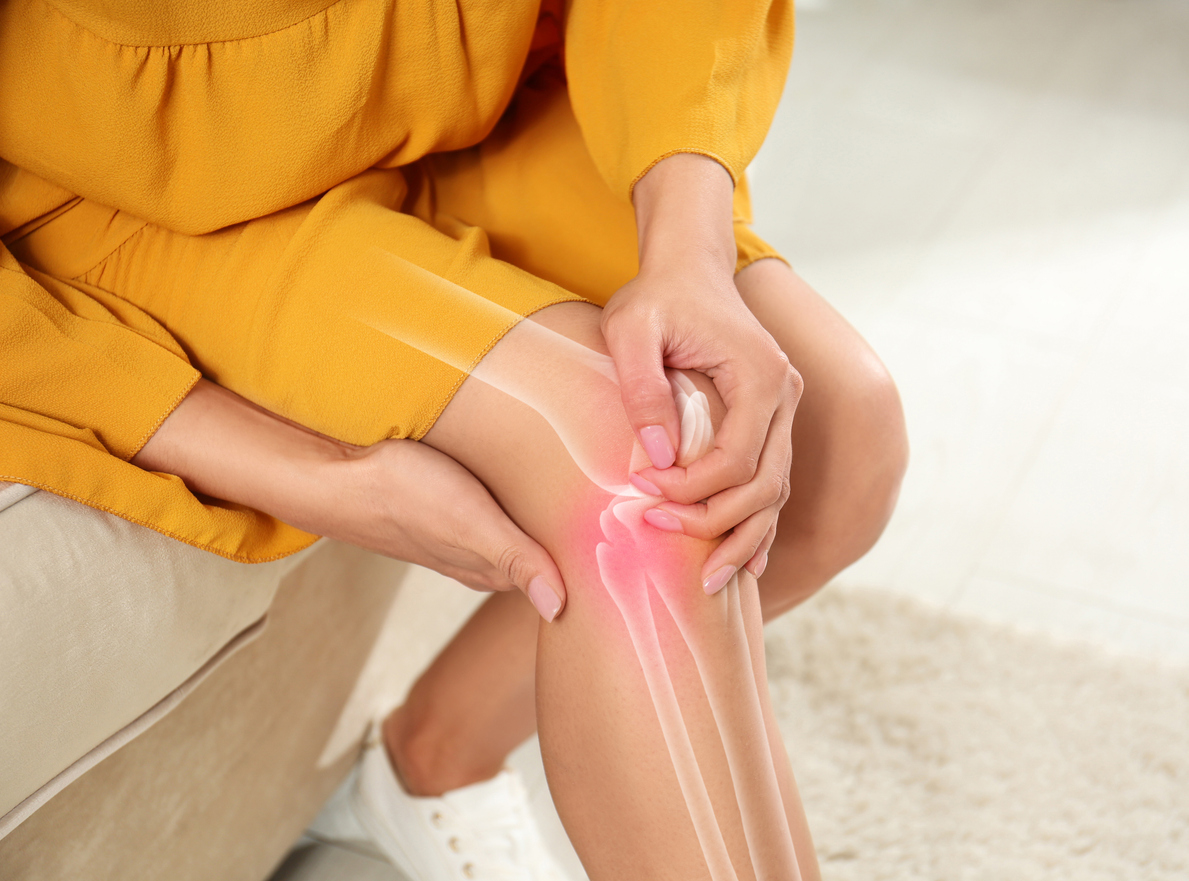
Months after the high fever fades and the telltale rash vanishes, thousands of chikungunya survivors wake up to a familiar, excruciating reality: stiff fingers, aching knees, and ankle pain so intense that walking feels like a chore. When joint pain flares up long after recovering from the mosquito-borne viral infection, it immediately raises an unsettling question: Have I been bitten and infected all over again, or has the original virus returned? It is almost certainly not a reinfection. Understanding the critical difference between true reinfection and a post-viral relapse is essential for managing your recovery and easing health anxiety.
Reinfection vs Relapse: What Is Actually Happening?
To understand why your joints hurt months later, it helps to distinguish how your immune system responds to the chikungunya virus (CHIKV).
- Reinfection: Getting infected with the chikungunya virus a second time after full recovery. This is extraordinarily rare. Primary infection with chikungunya typically grants robust, lifelong neutralising antibody immunity.
- Relapse (Post-Chikungunya Chronic Inflammatory Arthritis): A flare-up of symptoms driven by ongoing inflammation or immune activation in the joints, long after the active viral phase in the blood has passed.
If you are experiencing recurrent joint stiffness, swelling, or pain months or even years after your initial infection, you are experiencing a relapse, not a new mosquito bite catching you off guard.
Why Does Joint Pain Last Long After Recovery?
"A vast majority of patients coming in with secondary flare-ups months after recovering from viral fever assume they have been bitten and infected again, but true reinfection with chikungunya is extraordinarily rare due to long-lasting neutralising antibody protection," explains Dr Rommel Tickoo, Director of Internal Medicine at Max Super Speciality Hospital.
If the virus is cleared from the bloodstream, the reasons behind the joints continuing to ache can be found in peer-reviewed studies in journals like Frontiers in Immunology and Arthritis and Rheumatology that point to two main primary drivers:
1. Viral Persistence In Joint Reservoirs
While the body clears the active virus from circulation within 7 to 12 days, viral RNA remnants and viral proteins can hide inside joint tissues, specifically within synovial fibroblasts and macrophages. These "viral sanctuaries" trigger localised, recurring inflammatory responses whenever the immune system detects leftover viral debris.
2. Autoimmune Mimicry And Immune Dysregulation
In some individuals, the intense immune response triggered during acute chikungunya misinterprets normal joint tissue for viral invaders. Pro-inflammatory cytokines (such as IL-6 and TNF-alpha) remain chronically elevated, causing the body to attack its own joint lining, giving rise to symptoms that mimic rheumatoid arthritis.
What Does Science Say?
Dr Rommel Tickoo explains, "What patients actually experience is post-chikungunya chronic inflammatory arthralgia. When viral RNA fragments or immune complexes lodge in the joint synovial tissue, they trigger intermittent inflammatory waves.”
He adds, "Managing this requires a structured medical approach using targeted anti-inflammatory therapy, physical rehabilitation, and monitoring by a physician or rheumatologist rather than self-medicating with over-the-counter painkillers."
Research reveals that post-chikungunya joint disease follows a relapsing-remitting course rather than a continuous one for many patients:
Studies published in PMC Public Health show that 10-15% of patients progress to long-term chronic joint involvement that persists for over a year post-infection, with some cohorts reporting relapsing joint pain up to 36 months later.
Individuals over the age of 45, women, and those with pre-existing joint conditions (like osteoarthritis) are statistically at a higher risk of experiencing post-viral relapses.
Weather shifts (especially humidity and cold temperatures), physical overexertion, mental stress, and intercurrent infections often trigger a flare-up of joint pain.
Can You Get Chikungunya Twice In A Lifetime?
No. True reinfection with the chikungunya virus is extremely rare. Once you recover from a primary chikungunya infection, your immune system generates long-lasting neutralising antibodies that protect you against future infections for life. Recurring symptoms are a sign of post-viral joint inflammation (relapse), not a second infection.
How Do I Stop Recurring Chikungunya Joint Pain?
Managing post-chikungunya joint pain requires a multi-pronged approach under clinical supervision:
- Medication: Non-steroidal anti-inflammatory drugs (NSAIDs) or short-term disease-modifying anti-rheumatic drugs (DMARDs) prescribed by a rheumatologist for severe flares.
- Low-Impact Movement: Hydrotherapy, light stretching, and gentler physical exercise to maintain joint mobility without triggering mechanical inflammation.
- Anti-Inflammatory Care: Warm compresses for morning stiffness, combined with an anti-inflammatory diet rich in omega-3 fatty acids and antioxidants.
When Should You See A Rheumatologist For Chikungunya Arthritis?
You should consult a specialist if your joint pain persists beyond 4 to 6 weeks post-recovery, if you notice visible joint swelling, redness, or heat, or if morning stiffness lasts longer than 45 minutes and severely impacts mobility.
Living with post-chikungunya arthralgia can feel discouraging, especially when a flare-up strikes out of nowhere. Remind yourself that a relapse does not mean you are sick with a fresh infection or contagious to those around you.
By working closely with a rheumatologist, pacing your daily activities, and protecting your joints from overexertion, you can manage the inflammatory cycles while your immune system gradually restores balance.
Also Read: Post-Chikungunya Joint Stiffness? Clinical Dietitians Share The Anti-Inflammatory Meal Plan
Disclaimer: This content including advice provides generic information only. It is in no way a substitute for a qualified medical opinion. Always consult a specialist or your own doctor for more information. NDTV does not claim responsibility for this information.