- Energy drinks contain high caffeine and sugars, posing heart and hydration risks
- Water provides pure hydration and maintains electrolyte balance naturally
- Energy drinks can reduce body nutrients and cause heart strain if consumed often
Energy drinks are sought after for their ability to provide hydration, boost focus, and even improve attention span. Especially during the summer months when heatwaves deplete people of energy, and they tend to suffer from summer lethargy. But people seem to never question what is in their energy drinks, from artificial dyes that give them a bright and attractive colour to stimulants and excessive caffeine levels that put undue stress on the heart. There is a stark comparison between energy drinks and their ability to replenish thirst and the humble glass of plain water that can nourish and quench your thirst, provided it is clean and has the required level of minerals. Excessive filtration or unclean water sources and even unhygienic water storage solutions can reduce the way water can be absorbed in your body and reduce its ability to truly hydrate you in the summer heat.
Why Water Is the Ultimate Hydrator
Energy drinks are known as momentary drinks that are mostly expelled by the body due to their composition and components. Every energy drink on the market uses a custom blend of synthetic colours, dyes, additives, flavours, artificial caffeine doses, and stimulants that are known to weaken heart function when energy drinks are consumed for a long duration. While water provides pure hydration without any additives and maintains the electrolyte balance naturally.
But due to widespread pan-India reports of water contamination that has affected public health and even caused deaths, they need to be filtered and stored in hygienic storage solutions like a terracotta or copper pot or vessel to increase their quality and cooling properties, and even fuse them with necessary micronutrients.
Also Read: Sugarcane vs. Watermelon Juice: Which Is Better For Cooling And Hydration?
The Limitations Of Energy Drinks
Energy drinks contain high amounts of added sugars and contain an artificially high amount of caffeine meant to give a jolt to the system. But the cost is paid by internal health damage, with the most severe side effect being heart strain due to dehydration. According to the Current Cardiology Rep Journal, regular energy drink consumption can lead to serious heart health complications. Here are the limitations of energy drinks that you need to be aware of:
Even though energy drinks are advertised for hydration purposes, their effect on the body is reversed. Energy drinks can even reduce the existing nutritional content present in the body, as highlighted in the review published in the Bulletin of the National Research Centre.
There are no food-based nutrients present in energy drinks, but the energy is extracted from added caffeine, which can lead to a faster heartbeat if consumed in one go or if someone drinks too many energy drinks at once.
As mentioned in the American Society of Orthopaedics Society, energy drinks pose significant health side effects, and people tend to get swayed by the attractive labelling and packaging and false promises of health benefits.
This is why reverting to the normal glass of plain drinking water is best and a proven hydration source.
Scientific Evidence on Hydration
There is an extensive body of research that suggests that hydration can only be achieved through a delicate balance of hydrating drinks throughout the day. Starting from plain water and then naturally rich hydrating drinks such as coconut water, cold-pressed fresh juices, and traditional Indian drinks that utilise spices that increase the bioavailability of natural hydrating fruits and vegetables.
For hydration and health in summers, you need to consider the research published in the Annals of Nutrition and Metabolism, which highlights that otherwise healthy individuals can benefit greatly from drinking water for hydration.
A plain glass of water or infused water outperforms energy drinks when it comes to offering hydration, especially in the summer months when the body's requirement is increased.
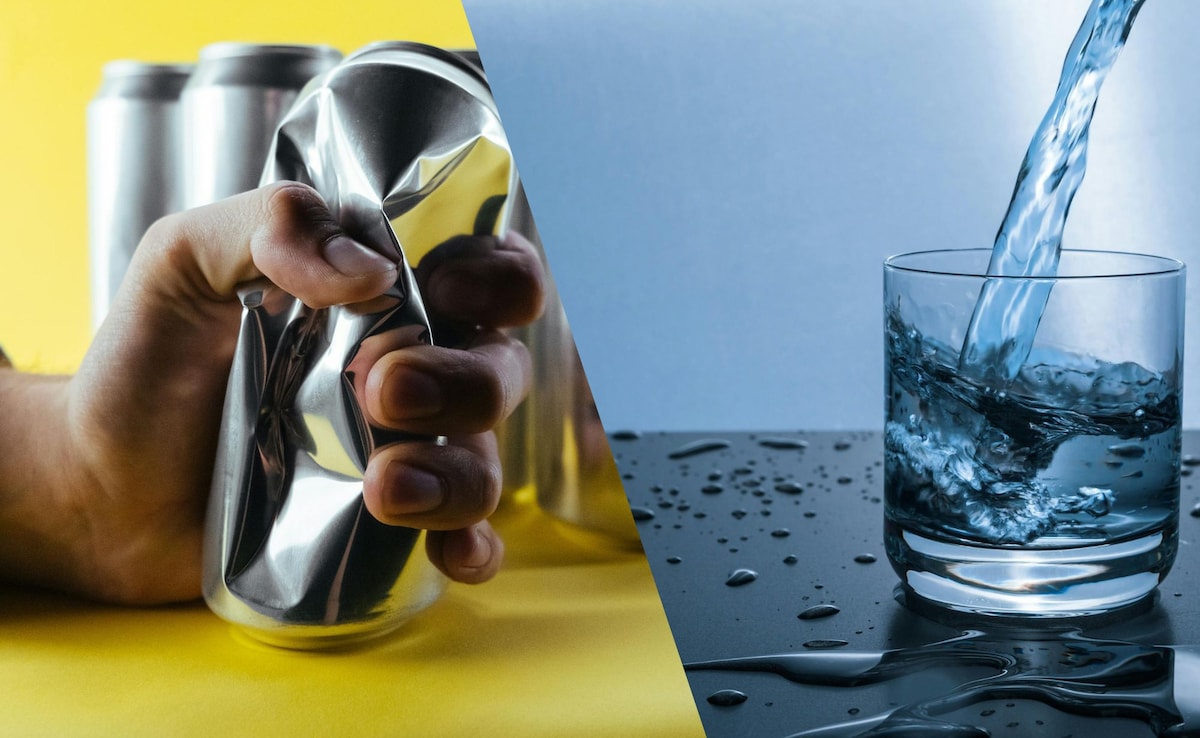
Energy drinks and water
Photo Credit: Pexels
Heatwave Hydration Tips
When a heatwave is set to hit, you need to be physically and mentally prepared to figure out what kind of hydration methods you can follow to avoid dehydration and its fallout. Here are some tested heatwave hydration tips that anyone can easily follow:
- Drink water regularly, not just when thirsty, as you need to know your body is 70 to 80% water and needs it for every bodily function.
- You need to avoid sugary and caffeinated beverages, as this can lead to reduced energy levels, as blood sugar spikes and then falls dramatically.
Safe Alternatives To Energy Drinks
Numerous naturally hydrating drinks exist, but they need to be popularised, and their health benefits need to be understood to be able to get hydration safely. Here are some safe alternatives to energy drinks that can offer hydration in the summer months and even year-round; only the time and temperature to consume them need to be tweaked.
- Coconut water is an electrolyte-rich drink that can offer deep hydration while also boosting overall health.
- Lemon water or any other type of infused water can increase the flavour and make the boring glass of plain water interesting to drink.
- Buttermilk, the fermented milk drink, can hydrate and improve your digestion at the same time.
- Amla shots are an immunity-boosting way to hydrate that also offers natural cooling for your body.
The healthy summer beverages listed above are natural hydration solutions whose effect on your body needs to be considered, and some potential side effects need to be kept in mind to be safe while hydrating.
Plain water is the safest and most effective hydrator, and people need to shift their daily energy drink consumption habit to make way for Indian traditional hydrating drinks that are safer and can provide the body with varied health benefits at the same time.
Disclaimer: This content, including advice, provides generic information only. It is in no way a substitute for a qualified medical opinion. Always consult a specialist or your own doctor for more information. NDTV does not claim responsibility for this information.