- Yellow moong dal originated over 4,500 years ago in the Harappan civilisation region
- Consuming it between 12 PM and 2 PM supports digestion and metabolic health
- It provides high protein, soluble fiber, and prebiotics that nourish gut bacteria
On a typical Indian afternoon, when the sun is at its peak and the digestive fire is strongest, there is a reason a simple bowl of yellow moong dal remains the centrepiece of the thali. The story of the moong bean (vigna radiata) began over 4,500 years ago in the foothills of the Himalayas and the plains of the Harappan civilisation. From these ancient soils, it travelled across Asia, earning the title of 'the poor man's gold' for its sheer nutritional density. Unlike other lentils that can be taxing on the gut, yellow moong dal, the split and dehusked version of the green mung bean, was specifically designed for those with sensitive digestive function. In India, it is not just food; it is an Ayurvedic and modern research-backed prescription for your gut.
Can Eating Yellow Moong Dal In the Afternoon Boost Your Gut Health?
The answer is yes, as consuming yellow moong dal in the afternoon is a strategic move for metabolic (how the body breaks down food into energy) health. The ideal time to consume it is between 12:00 PM and 2:00 PM, when the body's internal clock is primed for digestion. While heavier legumes like rajma or chana can cause fermentation and gas if eaten late in the day, yellow moong dal is light and appetiser-enhancing. Here are some additional reasons that you should be eating moong dal in the afternoon:
- By choosing this dal for lunch, you provide your gut with high-quality protein and soluble fibres like pectin that move swiftly through the digestive tract.
- This prevents the dreaded 'afternoon slump' by stabilising blood sugar and ensuring that your gut bacteria are nourished without the burden of heavy bloating.
- It effectively acts as a prebiotic, feeding the beneficial microbes that keep your immune system sharp and your colon healthy.
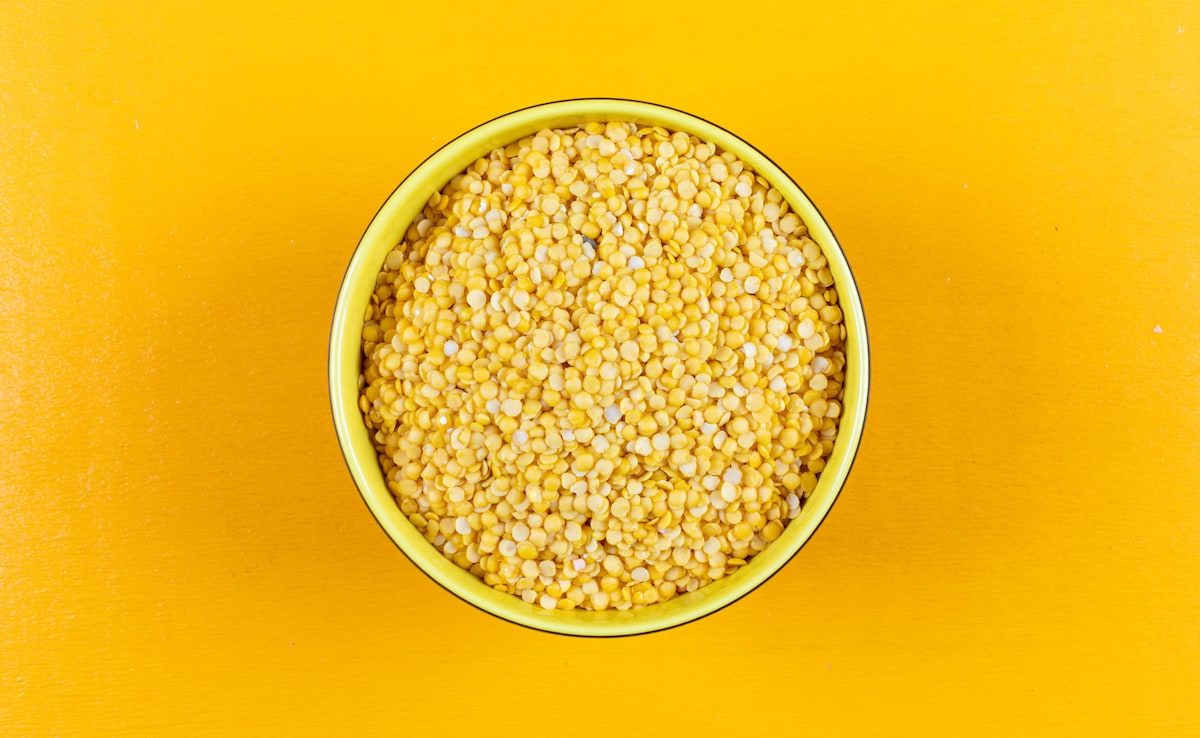
Moong dal
Photo Credit: Freepik
Read More: Digestion Boost To Kidney Aid, 5 Health Benefits Of Horse Gram Or Kulthi Dal
Health Benefits Of Moong Dal
Yellow moong dal is a nutritional powerhouse that offers more than just calories; it provides functional health benefits that cater to every stage of life. Here are the health benefits it offers:
- Rich in Protein: It is exceptionally rich in plant-based protein, providing approximately 24 grams of protein per 100 grams, making it essential for tissue repair and muscle maintenance.
- High in Folate (vitamin B9): This property makes it a staple for prenatal health, while its low glycaemic index (around 38) ensures it is a safe bet for those managing diabetes.
- Mineral Content: Furthermore, its impressive mineral profile is packed with potassium, magnesium, and iron that support heart health by regulating blood pressure and improving blood circulation.
- Prebiotic Gut Support: Moong dal contains resistant starch and soluble fibre (pectin) that nourish healthy gut bacteria like Bifidobacteria, which in turn produce butyrate to maintain colon health. This has been mentioned in the Journal of Agricultural and Food Chemistry.
- Heart-Healthy Fibre: The soluble fibre in yellow moong dal binds with bile acids in the digestive system to help lower LDL (bad) cholesterol levels, as per the British Journal of Nutrition.
- Metabolic Stability: According to the American Journal of Clinical Nutrition, its high fibre and protein content suppresses the hunger hormone "ghrelin", promoting satiety and preventing overeating.
- Antioxidant Protection: It is rich in polyphenols, specifically vitexin and isovitexin. Moong dal helps neutralise free radicals and reduces systemic inflammation. This has been mentioned in the Journal of Food Science and Technology.
- Digestive Comfort: As per the International Journal of Food Sciences and Nutrition, the yellow moong dal is a source of nutrients. Specifically, dehusked yellow moong dal has significantly lower levels of antinutrients like phytic acid and flatulence-causing oligosaccharides compared to other pulses.
So, consuming moong dal in the afternoon can prove beneficial for your gut health. But it may pose some side effects as well for certain people.
Read More: From Moong To Masoor: Nutritionist Tells Why You Must Consume Different Types Of Dal
Side Effects Of Eating Moong Dal
- Digestive Distress: Excessive fibre intake (specifically pectin and resistant starch) can trigger bloating, flatulence, and abdominal cramps if consumed without enough water.
- Mineral Interference: The presence of phytic acid and lectins in unsoaked dal can bind to essential minerals like zinc, iron, and calcium, potentially leading to deficiencies over time.
- Uric Acid Buildup: Despite being low-purine, eating massive quantities daily can still elevate uric acid levels, which may aggravate gout or joint pain in sensitive individuals.
- Kidney Stress: High concentrations of the amino acid lysine and moderate purines can put an additional filtration burden on the kidneys in patients with pre-existing renal issues.
- Bacterial Risk (Sprouts): Consuming raw or improperly sprouted moong beans increases the risk of salmonella or e. coli infections, particularly for those with compromised immunity.
- Allergic Cross-Reactivity: Individuals with a history of legume or peanut allergies may experience rare but significant reactions like skin itching, hives, or breathlessness.
Yellow moong dal stands as a premier gut-friendly superfood that bridges Ayurvedic studies with modern clinical evidence, provided it is prepared with mindful techniques. To maximise its metabolic benefits while avoiding potential bloating or mineral interference, you should treat this humble lentil with the respect it deserves and view it not just as a side dish but as a functional tool for long-term digestive resilience.
Disclaimer: This content, including advice, provides generic information only. It is in no way a substitute for a qualified medical opinion. Always consult a specialist or your own doctor for more information. NDTV does not claim responsibility for this information.