JEE Main 2026 Session 1: The National Testing Agency (NTA) has issued a strong advisory for candidates appearing in the JEE (Main) 2026 Session 1, cautioning them against misleading claims of leaked question papers circulating on social media platforms.
In its official notice, the NTA said it has observed several Telegram advertisements and social media posts with high engagement and paid reach, falsely claiming to provide NTA-issued or "leaked" JEE Main question papers through Telegram, WhatsApp, or other online channels. The agency clarified that all such claims are fake and misleading.
"Claims of 'paper leaks' on social media are fake and misleading. Avoid sharing personal details or making payments," the NTA said in the advisory.
The testing agency warned that these fraudulent advertisements are designed to mislead students, demand money, or collect personal data, which could result in financial loss and misinformation. It categorically stated that question papers are not provided, sold, shared, or leaked through any social media platform.
"The National Testing Agency (NTA) has observed misleading claims circulated on Telegram and other social media platforms falsely offering question papers," the official advisory reads.
📢 Student Advisory
— National Testing Agency (@NTA_Exams) January 21, 2026
Claims of “paper leaks” on social media are fake and misleading.
Avoid sharing personal details or making payments.
Follow only official NTA website for authentic information.
🔗 https://t.co/Ki4jWbeNej pic.twitter.com/kY8C032i4H
Urging candidates to remain vigilant, the NTA advised students to rely only on official sources for authentic updates related to the examination. Aspirants have been asked to regularly check the official website nta.ac.in and ignore unverified information circulating online.
For clarification or assistance, candidates can contact the NTA through its official email genadmin@nta.ac.in or helpline number 011-40759000.
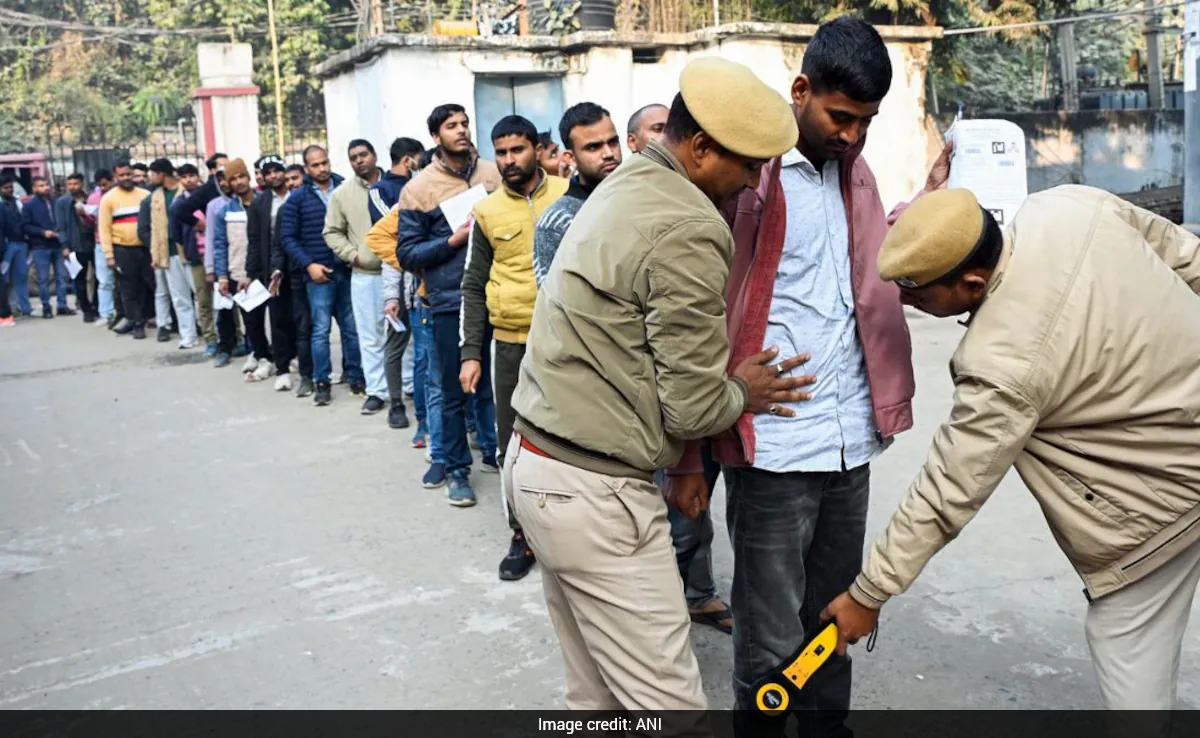
The JEE (Main) 2026 Session 1 began today at multiple centres across several cities in India and 15 cities abroad. More than 14 lakh students have registered for the exam, which will continue until January 29.
